Acting
A series about the adventures of a Polish secret agent, Hans Kloss, who acts as a double agent in the Abwehr during Second World War in occupied Poland.
Karwowski, son of a pre-war colonel, is transferred from the West to Poland with the task of assembling a spy and diversion network. The task seems to be easy. However, after landing in Poland, it turns out that nobody wants to cooperate with him. Karwowski's "100% reliable" contacts with potential collaborators turn out to be completely outdated.
No description available.
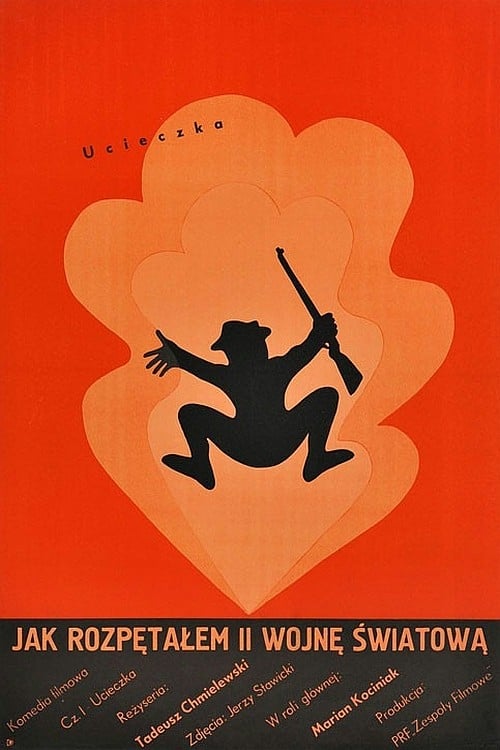
On the night of August 31, 1939, Dolas, from a platoon reinforcing a train station on the German border, falls asleep in a train car and unknowingly crosses into Germany. The moment he shoots a German, who he thinks is a saboteur, the German invasion of Poland begins, and Dolas is convinced it was his fault. He is taken to Stalag POW camp, the first destination in his odyssey around Europe.
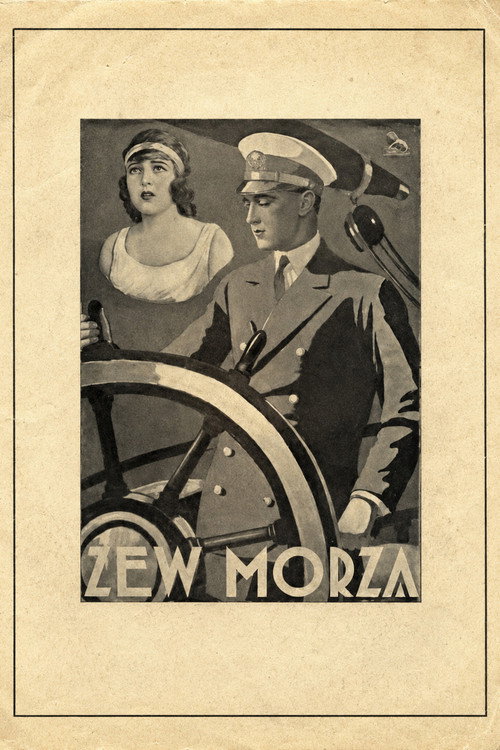
The son of a miller, following his call, flees to the sea, but after several years he returns to his family and to his childhood romance, Hanka.
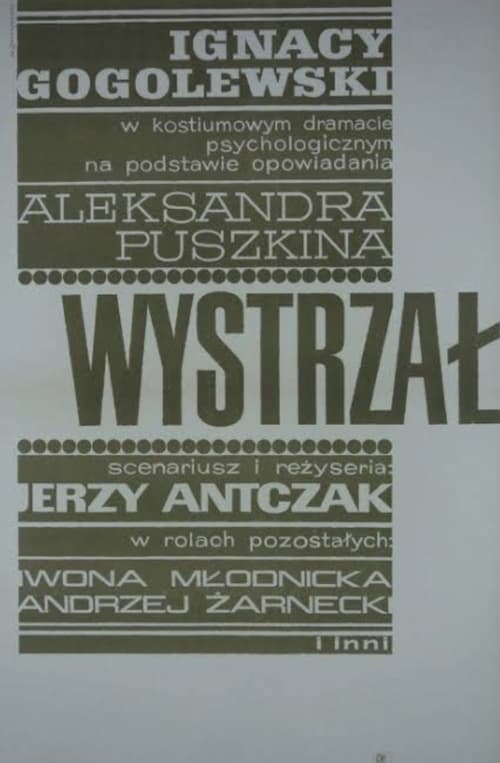
Study of a man obsessively seeking revenge.
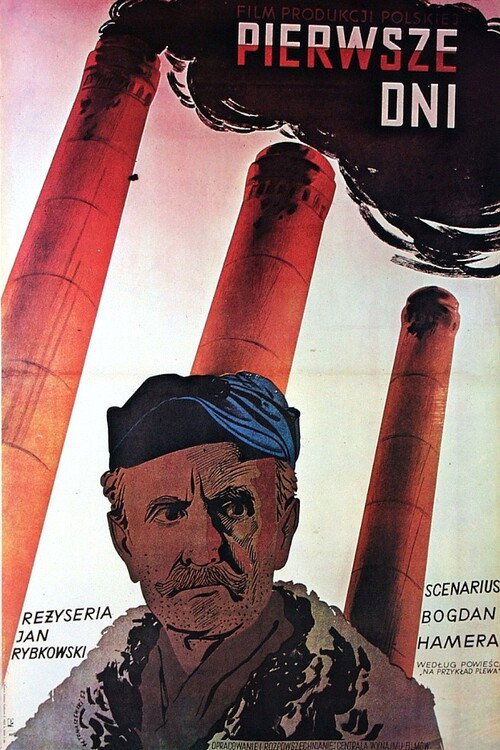
An old worker secures the future of his steel mill during the war.
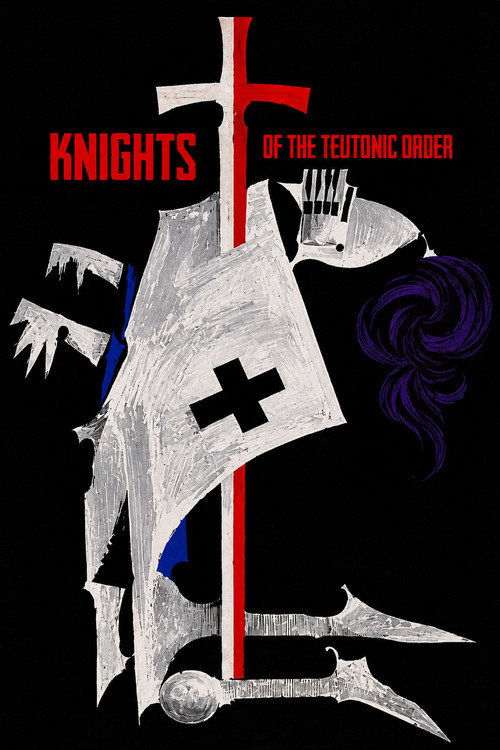
A tale of a young impoverished nobleman, who with his uncle returns from a war against the order of the Teutonic Knights in Lithuania. He falls in love with a beautiful woman and pledges an oath to bring her "three trophies" from the Teutonic Knights.
A staging of William Shakespeare's tragedy, directed in 1969 by Andrzej Wajda. The roles of Macbeth and Lady Macbeth are played by Tadeusz Łomnicki and Magda Zawadzka - actors who at that time gained popularity in the series "Pan Wołodyjowski". This perverse use of the artists' images by the director was intended to serve an interpretation of the tragedy that emphasizes Shakespeare's question: where does evil in man come from?
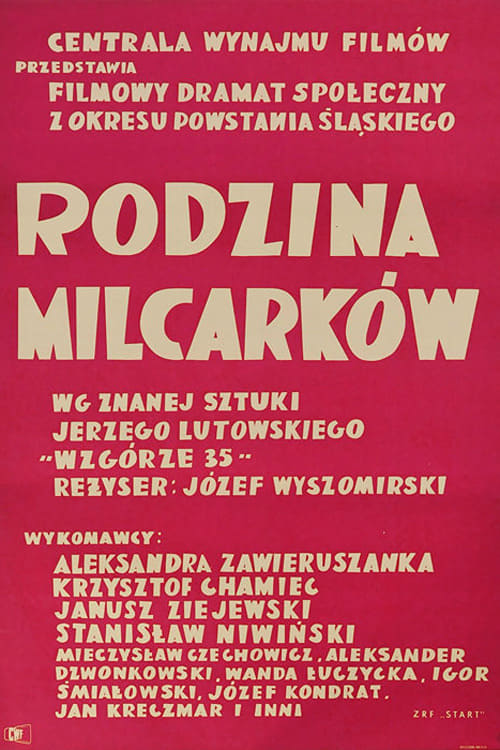
The fate of a working-class family during the third Silesian Uprising.
A young doctor, accused of desecrating a body, is brought to the presence of the Inquisition.
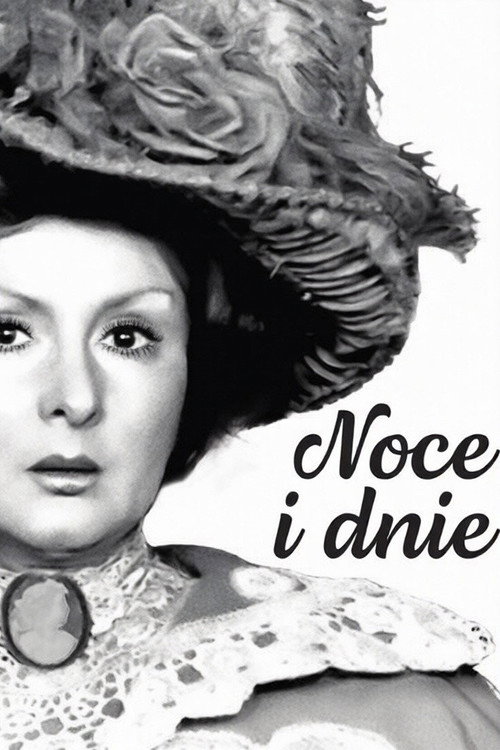
A family saga of Barbara Ostrzeńska-Niechcic and Bogumił Niechcic against the backdrop of the January Uprising of 1863 and World War I. The film is a rather straightforward and faithful adaptation of a novel by Maria Dabrowska with the same title. The plot is woven around the changing fortunes of a noble (upper-class) Niechcic family in the pre-WWI Poland. There are two main crossing threads: a social history one and an existential one.
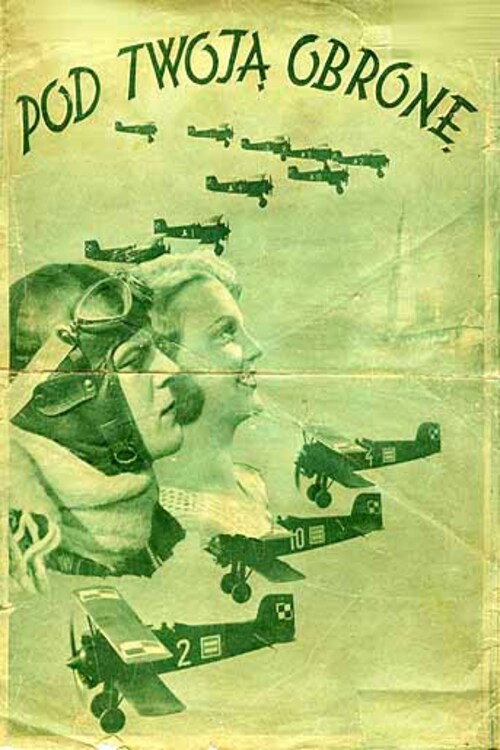
Jan Polaski, after graduating from an aviation school, returns to his hometown as an aviation officer.
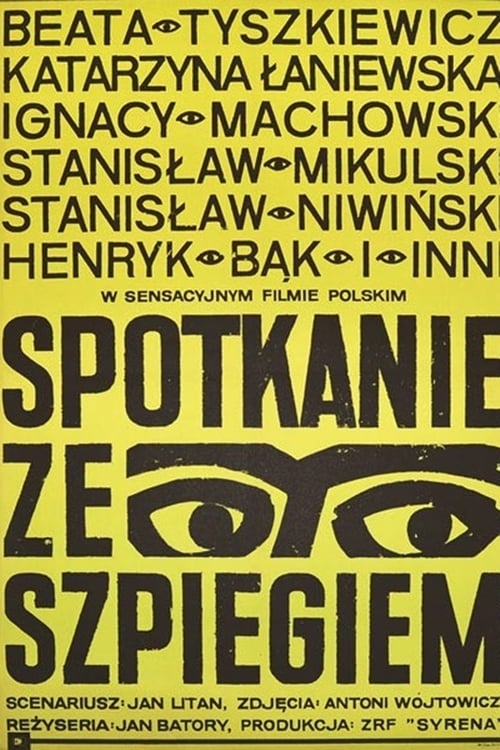
A thriller about Polish Intelligence Service working on detecting a net of foreign spies.
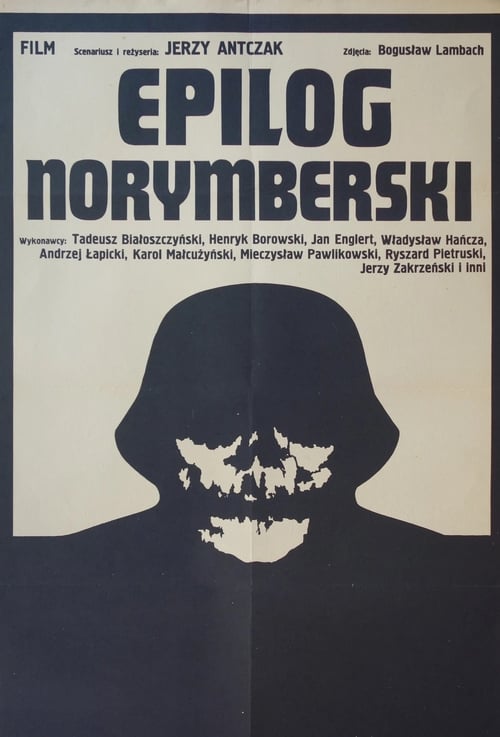
Reproduction of the Nuremberg trials using transcripts, made for Polish TV.
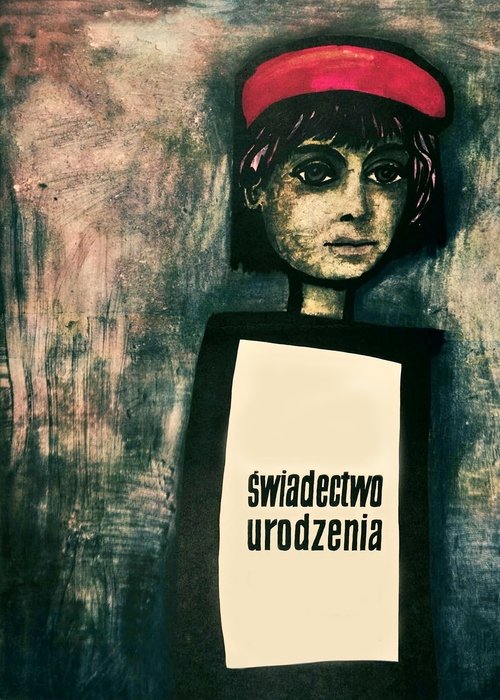
Three separate stories depicting the tense everyday life during occupation, as seen through the eyes of children. In “On the Road,” the two main protagonists are lost in the September’s strife: a young boy, and a soldier transporting the valueless documents of his broken unit. In “Letter from the Concentration Camp” the story’s protagonists are young boys who help their mother during the hardships of the occupation. Their treasure is an officer uniform belonging their father who is being held in a prisoner of war camp. In “Blood Drop,” the Germans find a set of typical Aryan characteristics in this story’s protagonist – a Jewish girl, hiding in an orphanage.
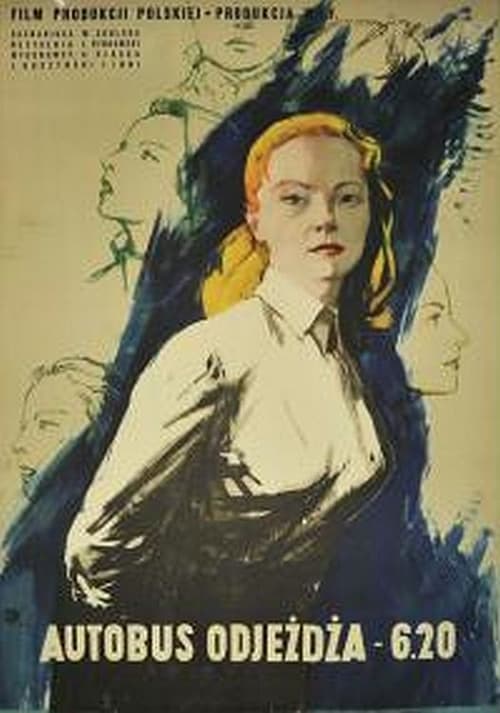
A young hairstylist leaves her husband and joins a group of working women.