Acting
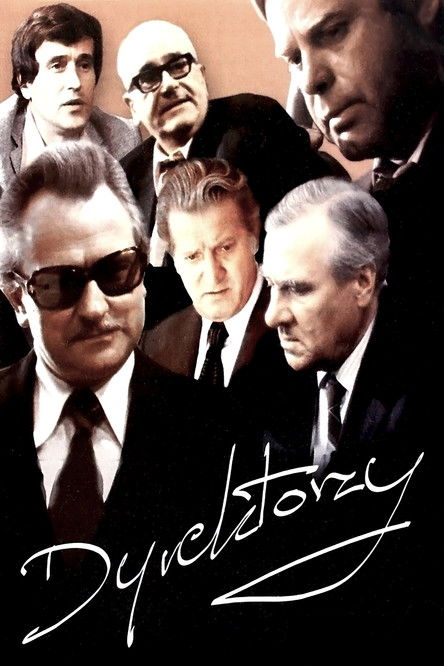
1957. Excessively high production standards imposed by the authorities result in the plan not being fulfilled, and the workers cannot imagine living normally without rewards and bonuses. A rebellion breaks out. Worker democracy wins – the working class elects a director from among its own ranks. He is an old locksmith with no managerial experience. Although he believes in the socialist spirit and has a communist past, he does not hold the position for long, as he makes promises too easily that he is unable to keep.
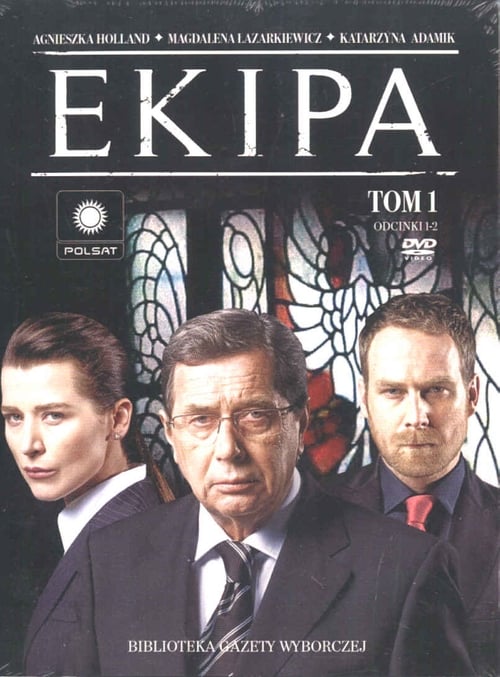
Ekipa is a Polish political drama TV series created and directed by Agnieszka Holland, aired from 13 September 2007 until 6 December 2007 on Polsat. Ekipa is the second Polish political fiction series after the 1980s miniseries The Career of Nicodemus Dyzma.
The story stretches from 1863 to 1945. Its main characters are representatives of the Pasternik family, who live in the fictional village of Wielowice near Pszczyna. The protagonist of the first three episodes is Franciszek Pasternik, the following parts tell about the fate of his many children and even more grandchildren. The viewer follows their history against the backdrop of great changes and historical events that influenced the lives of Silesian Poles. So there is the Kulturkampf, Prussian rugi, the revolution of 1905, World War I and the Silesian Uprisings.
A man meets a childhood friend who does not recognize him.
No description available.
Polish-born Russian subject Cezary Baryka comes of age during a tumultous period of ten years from 1914 to 1924, during which he witnesses revolution, rebirth of Poland, war with the Soviets and communist plots.
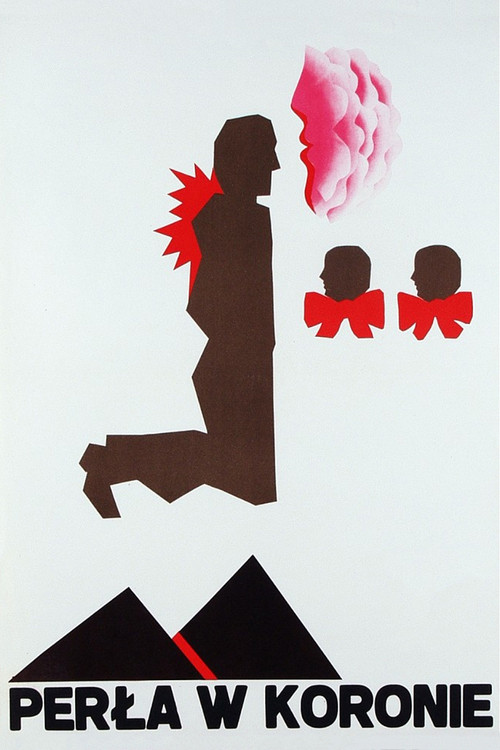
After a disaster in the mine, Łopot, a technician, protects the perpetrator. He soon faces a moral dilemma.
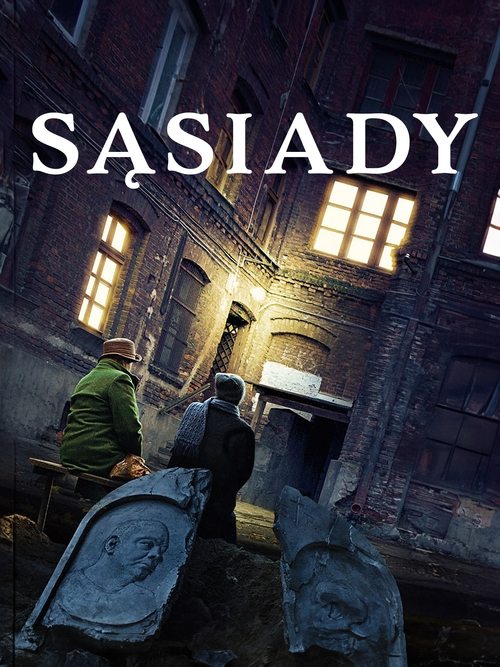
Ogrodowa Street in Lódz - just opposite a crowded shopping center, a state-of-the-art museum and a posh hotel - is where some of the city's poorest live, completely forgotten by the world. A heart-warming and funny portrait of people excluded from the mainstream of social life; people who might be more capable of sacrifice and love than those who pushed them to the sidelines of society.
A man stops at night in an unknown house. There he meets an unpleasant surprise. He is attacked by several men. Initially, he decides to yield to them, but later resists them.
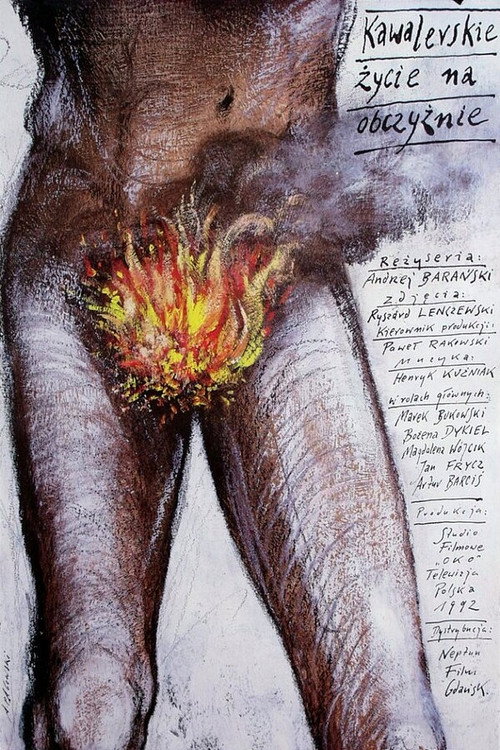
The action is set in the early 20th century. The film is made up of six sequences. In the first, Michal, young man who came from Poland to Germany, enrolls in a course on how to behave in social situations and on etiquette. However when he tries to approach girls using the rules which he's been taught... he only makes a fool of himself. Then, he goes to work for a man who owns a carousel and who loves to chase other women. In the next sequence, Michal meets the divorced landlady, Mrs. Luther, and goes through a whole lot of erotic experiences. When he escapes exhausted from his landlady, he starts working in a mine and visits brothels on a regular basis. He looks on women in a totally cynical manner. However, his persistent wandering must finally result in a true love.
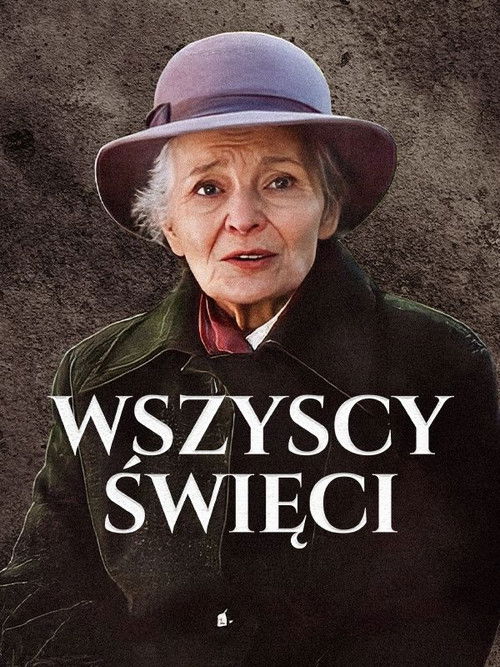
As every year, the celebration of All Saints Day brings Polish families together at the graves of their loved ones. On this special day Maria, 80-year-old widow, visits the graveyard with her son, his wife and their children.
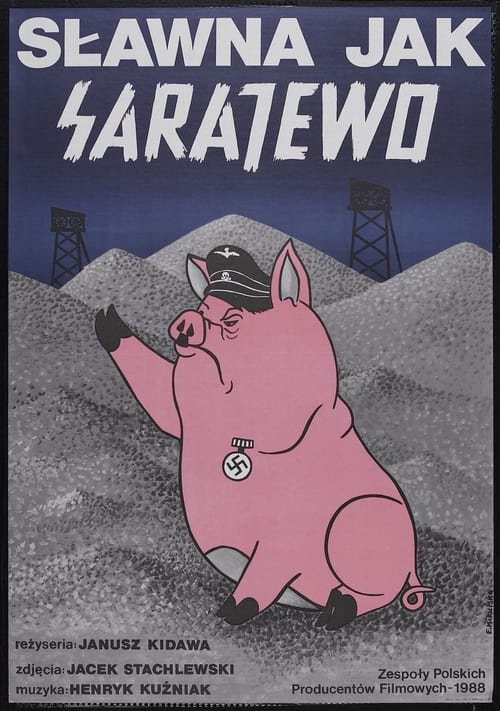
The authorities in favor of the Nazis are trying to restore order in a small town in Silesia. Their actions are fiercely resisted by a small group of residents.
Ewa and Stefan Hauser, with their children Monika and Wolf, live an average middle-class life in East Berlin in 1969. Under Stasi blackmail, Stefan is coerced into cooperation, prompting the family’s escape attempt to West Berlin. The plan fails: the couple is imprisoned for four years, the children adopted by separate families. After early release and permission to relocate west, the Hausers spend decades fruitlessly searching for their lost children, only to be reunited twenty years later amid Europe’s political upheavals.
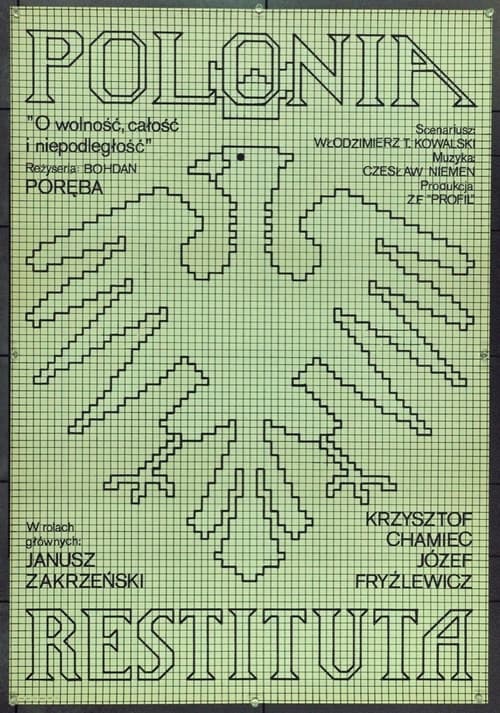
A two-part historical film covering the years of the First World War and the post-war period up to 1919 - until the signing of the peace treaty in Versailles near Paris. An attempt to show the great and complicated process of regaining an independent existence by a nation within its own state. The screen shows characters from history textbooks: Józef Piłsudski, Ignacy Paderewski, Roman Dmowski, Wojciech Korfanty as well as representatives of the world political scene, incl. David Lloyd George, Woodrow Wilson, Georges Clemenceau, Vladimir Lenin and others.
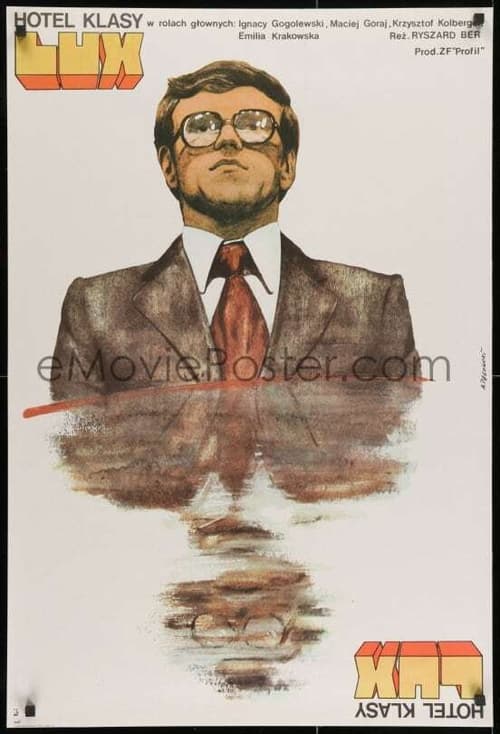
The five participants in the meeting for the construction of a luxury hotel meet years later at its opening.
In the villa of the party dignitary, the fates of Stanisław, his son's friends, Zbyszek, a worker leaving the army, and the head of the thieves' gang, cross. The film was shelved by the censors for 27 years before finally getting a limited release in 2009.
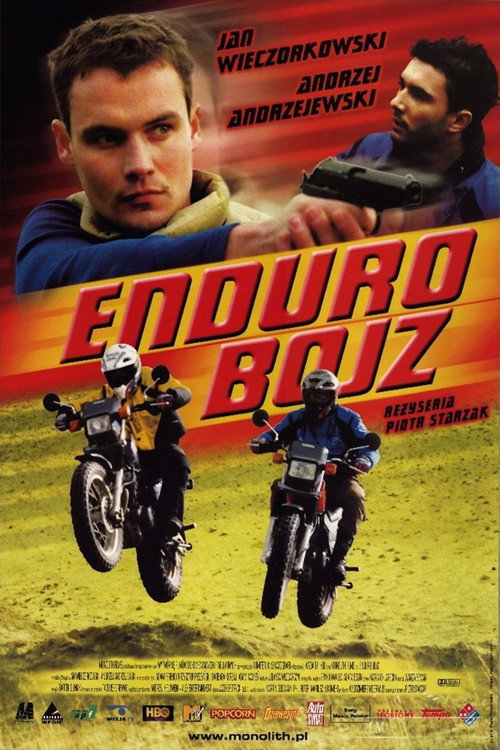
Kuba works part-time in the afternoons delivering pizza to pay back his mother the money he borrowed to buy his dream motorcycle. His father, a stock market investor, disapproves of his son's decision. One day, after returning from school, Kuba finds the motorcycle chained to the garage wall. A conversation with his father is fruitless. Frustrated, the boy saws through the chain, takes his father's revolver, and runs away from home. He sets off with Robert for the Bieszczady Mountains. At the same time, a series of robberies at gas stations takes place in the southeastern corner of Poland.
When it is discovered that the Zygmunt mine in Upper Silesia has been deemed unprofitable and is to be closed by flooding, the miners go on strike and a violent demonstration ensues.
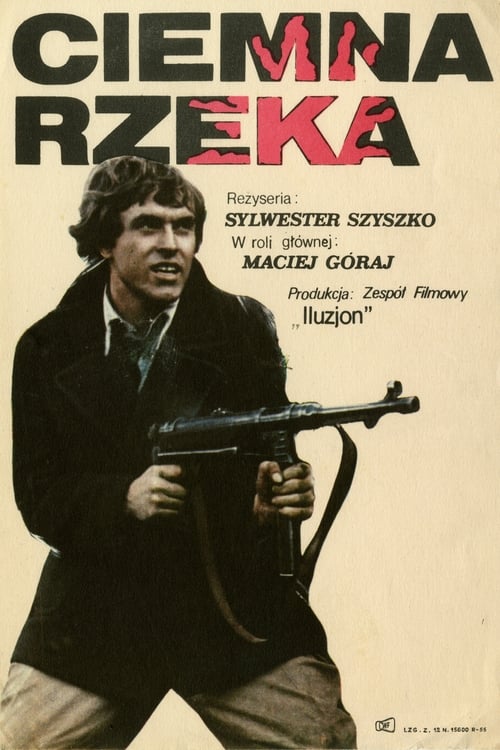
Small Polish village straight after WWII. Young man Zenek injured and awarded with Cross of Valour during partisan fight is torn between staying loyal to his partisan comrades (continuing their fight) and his own beliefs.