Acting
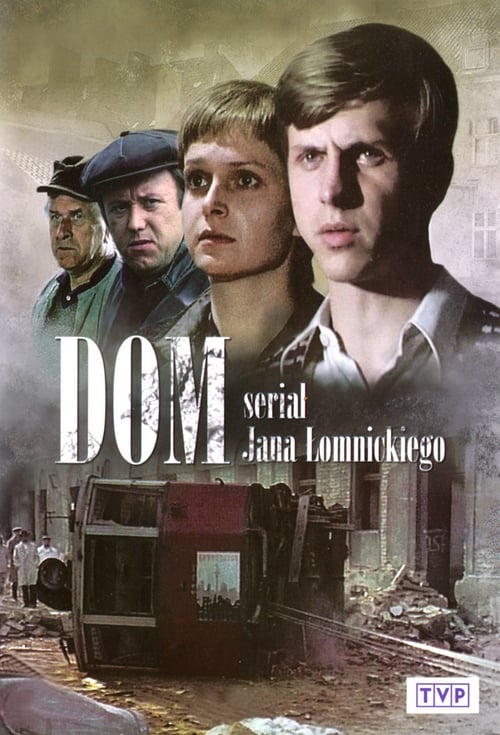
The story of the residents of a tenement house on Złota Street in Warsaw from 1945 to 1980.
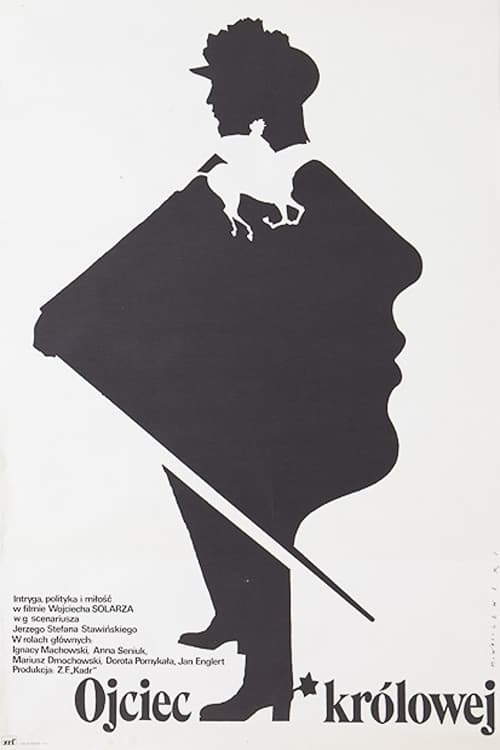
Chevalier de Charentes goes to Poland on a double mission.
No description available.
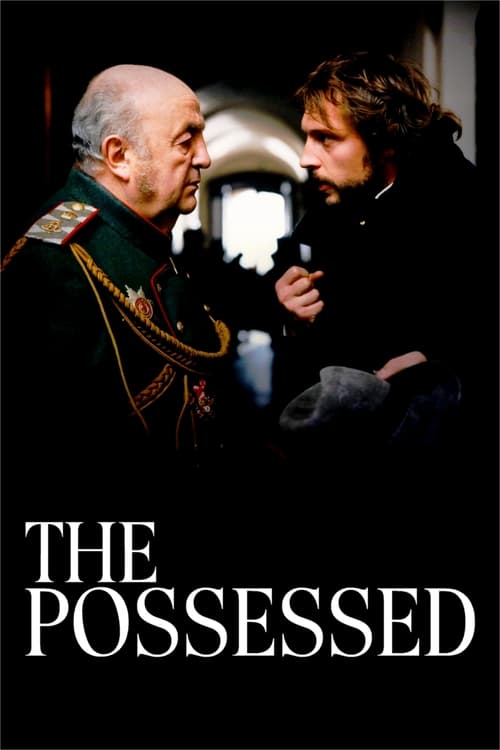
Russia, 1870. A group of young anarchist revolutionaries set out to overthrow the Czarist regime through violence. Their attacks create a climate of psychosis and mutual distrust among the population, but in reality, both revolutionaries and repressors are being manipulated by a diabolical individual.
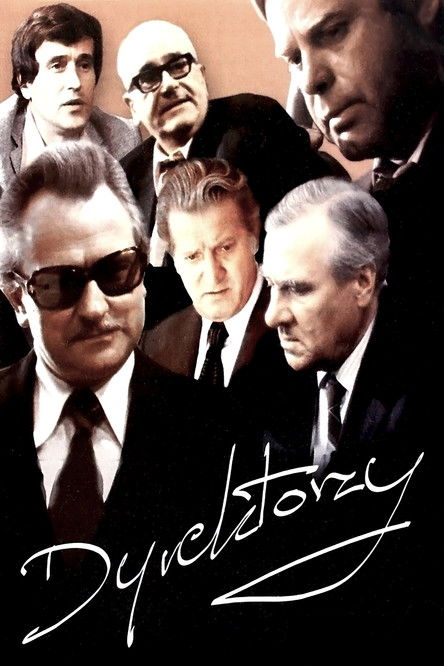
1957. Excessively high production standards imposed by the authorities result in the plan not being fulfilled, and the workers cannot imagine living normally without rewards and bonuses. A rebellion breaks out. Worker democracy wins – the working class elects a director from among its own ranks. He is an old locksmith with no managerial experience. Although he believes in the socialist spirit and has a communist past, he does not hold the position for long, as he makes promises too easily that he is unable to keep.
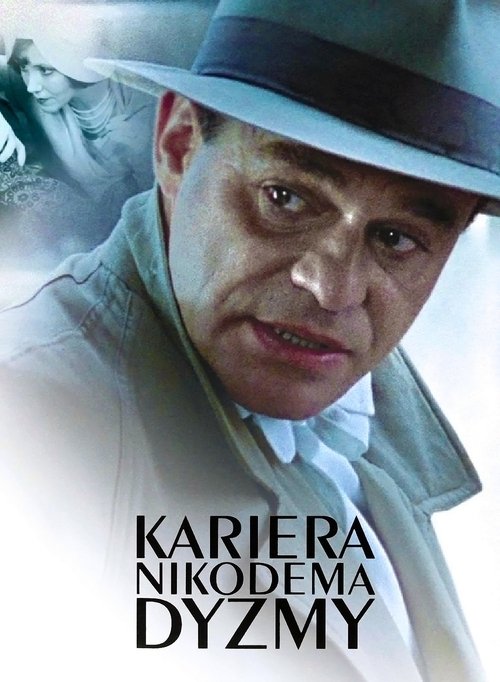
Nikodem Dyzma immigrates from the eastern part of Poland to the capital in the hope for possibilities to make a living. He is in need, very poor and forced to look for basic food and shelter. Yet, on a day when an unexpected invitation appears, his life changes dramatically.
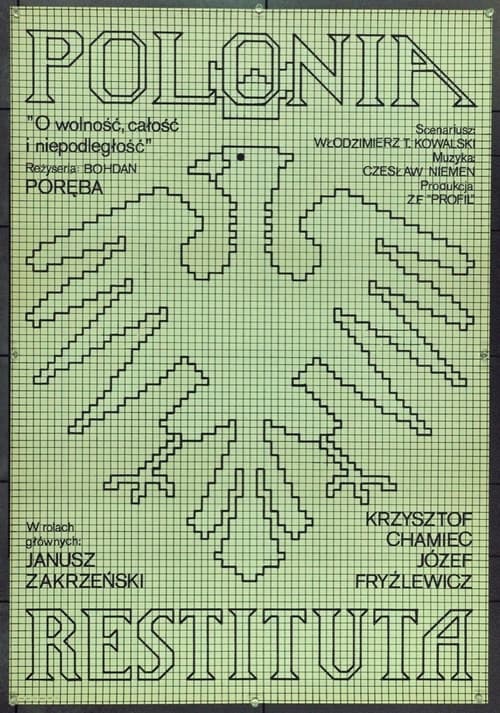
The film shows Poland regaining independence in 1918 and the formation of the first government of the Republic of Poland.
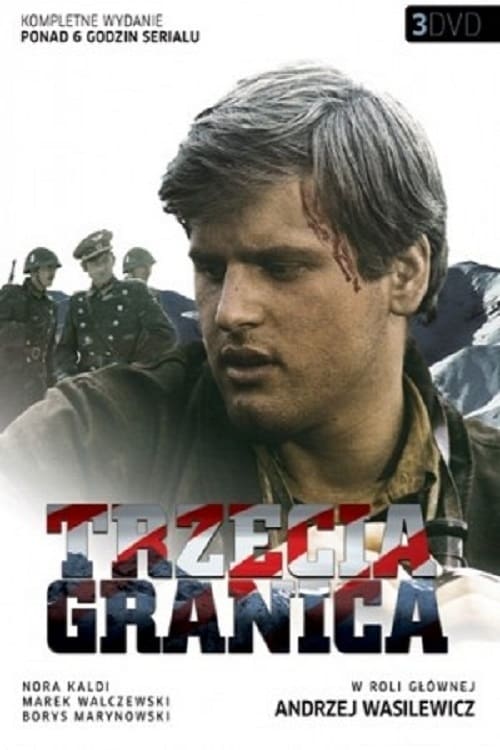
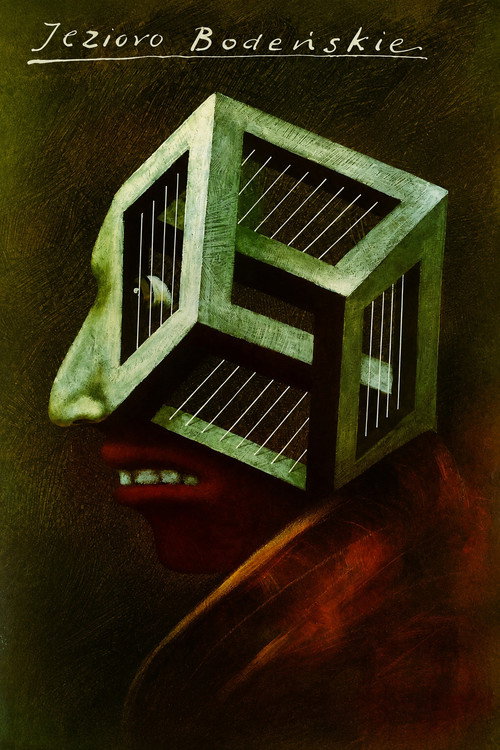
A Pole who spent time in an internment camp during the war on the Swiss-German border, visits the site many years later and recalls these days. He meets with other Poles confined in the same camp, including several women, in whose he had romantic interests.
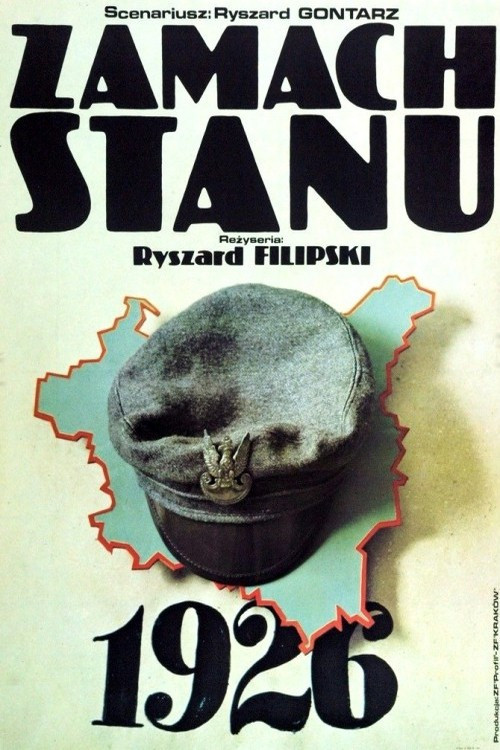
Fall 1925. Six hundred officers demonstrate in front of Józef Piłsudski’s country house in Sulejówek, demanding the Marshal’s return to active political life. May 1926—a government crisis; Wincenty Witos forms a new government. Piłsudski’s move sparks clashes between supporters and opponents of the ousted government. Piłsudski appoints Kazimierz Bartel as prime minister. The beginning of the “moral reform.” Ignacy Mościcki becomes president. Summer 1930. A joint platform of opponents to the Sanacja government is formed. “Centrolew” is established.
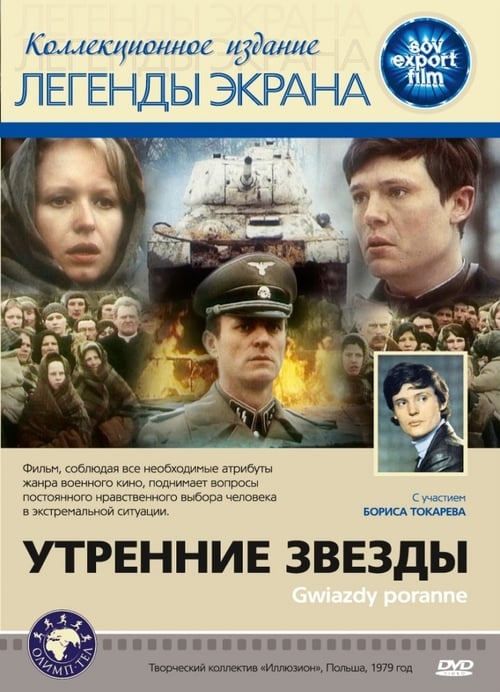
A Soviet tank breaks through the front line during the January 1945 offensive.
A two-part historical film covering the years of the First World War and the post-war period up to 1919 - until the signing of the peace treaty in Versailles near Paris. An attempt to show the great and complicated process of regaining an independent existence by a nation within its own state. The screen shows characters from history textbooks: Józef Piłsudski, Ignacy Paderewski, Roman Dmowski, Wojciech Korfanty as well as representatives of the world political scene, incl. David Lloyd George, Woodrow Wilson, Georges Clemenceau, Vladimir Lenin and others.
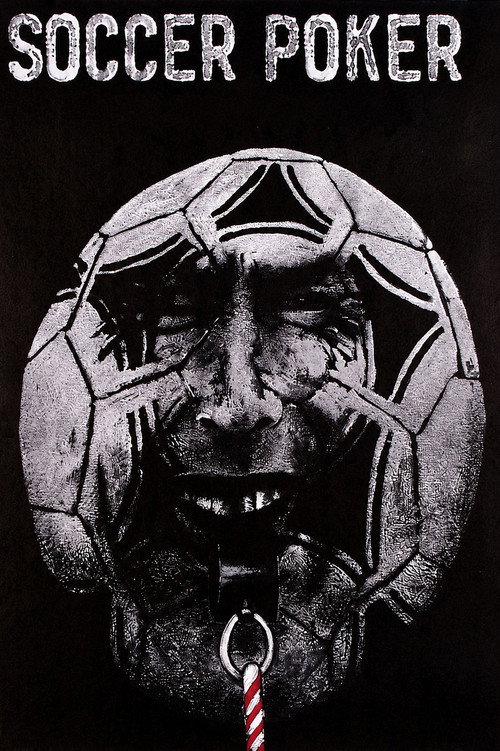
Laguna was once a great soccer player whose career was interrupted by an injury. He spent years climbing the ranks to become an international referee. He sees the prevailing arrangements, manipulations, and bribery around him. Now desperate, he decides to stage an extraordinary culmination of his career: he wants to create a so-called "miracle Sunday" by "printing" the final round of games - taking substantial bribes from the interested clubs and manipulating the matches so that the results align in the order he set up.
A Polish writer is arrested by the Nazis in 1942 and sent to the notorious Pawiak prison in Warsaw. He will spend the next 111 days fighting for survival.
A bank robbery conducted by Polish Underground members goes awry and the brother-in-law of the group's leader, Paweł gets arrested. Now Paweł must choose between helping his loved ones and staying loyal to the underground.
Girls no more, four heroines emerge into womanhood with a more clear-eyed outlook on life.
A group of young Łódź hoodlums spends their time shoplifting, partying and drinking heavily, until they are faced with serious consequences of their reckless behaviour.
A dramatization of the Gleiwitz incident.