Acting
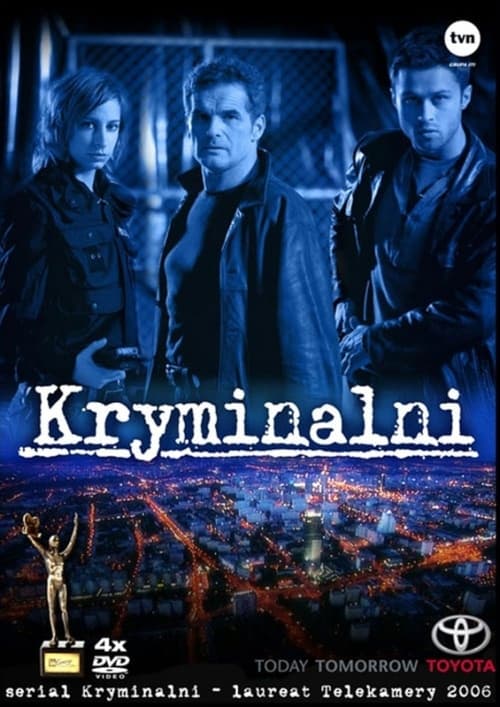
Kryminalni was a Polish crime drama television series that aired on TVN network from September 18, 2004 until May 24, 2008. It ran for 8 seasons and 101 episodes were broadcast in total. It was created by Polish director and screenwriter Piotr Wereśniak and produced by MTL Maxfilm studio. The series followed life and work of police officers from the elite Criminal Terror and Murders Division of the Warsaw Metropolitan Police; the title refers to police officers in the crime section. The three main characters were Adam Zawada, an experienced, tough cup, his younger colleague Marek Brodecki and Barbara Storosz, an ambitious female officer who in the first season joins the team just after graduating. Although none of the main actors had had star status before the series debuted, all three of them rose to prominence and popularity during the 5-year-long run. Many of Poland's best known actors guest starred, usually playing roles of people involved in just one particular investigation. The serial was one of the most popular in Poland: each week it had an audience of 4 million.
The story of the residents of a tenement house on Złota Street in Warsaw from 1945 to 1980.
The series centres around the investigations of Police Lieutenant Sławomir Borewicz. Each episode features a different case being solved by Borewicz.
No description available.
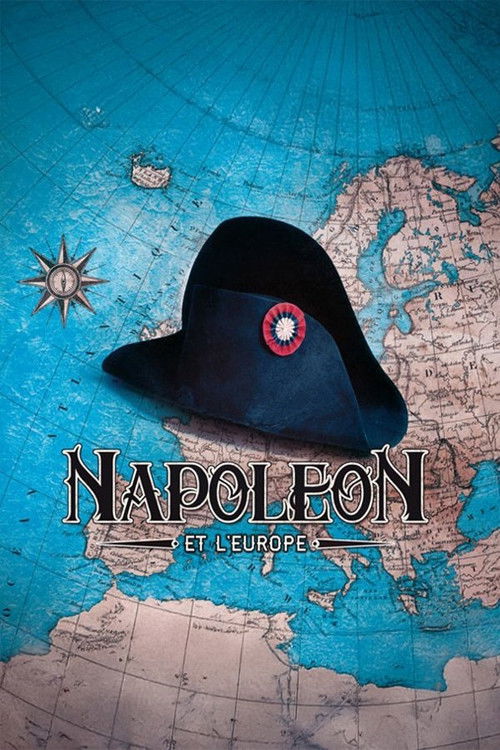
The miniseries charts Napoleon Bonaparte’s career from his return after the Egyptian campaign to his downfall and exile on Elba, portraying his political maneuvering, military ambition, and complex relationships with key figures such as Talleyrand, Fouché, Murat, Tsar Alexander, Joséphine de Beauharnais, and Countess Marie Walewska.
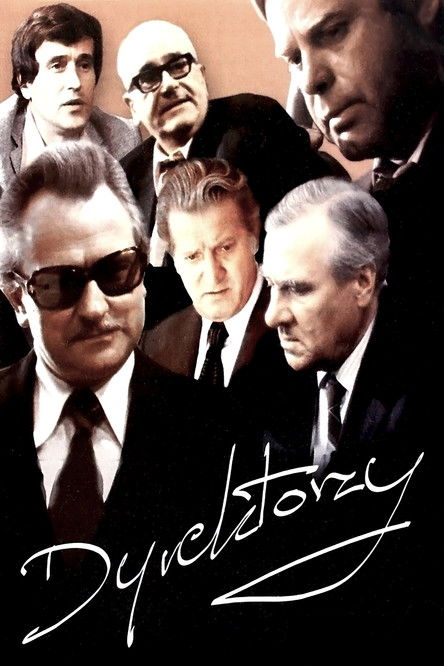
1957. Excessively high production standards imposed by the authorities result in the plan not being fulfilled, and the workers cannot imagine living normally without rewards and bonuses. A rebellion breaks out. Worker democracy wins – the working class elects a director from among its own ranks. He is an old locksmith with no managerial experience. Although he believes in the socialist spirit and has a communist past, he does not hold the position for long, as he makes promises too easily that he is unable to keep.
A promising but hot-headed young. boxer studies with a kind, knowing manager, grooming him for the Olympics.
A family of anti-Semites lives in Lodz. The husband is unemployed and poor. He believes that only true Poles can improve the situation in the country. His quiet wife believes what her husband does and says, while their son - the future of the nation - hates people who are different from himself. One day, the husband learns that his parents were Jewish. What's more, a distant relative from the US left behind a fortune to inherit. In order to get the money, the hero and his family must return to their roots. Their world is turned on its head...
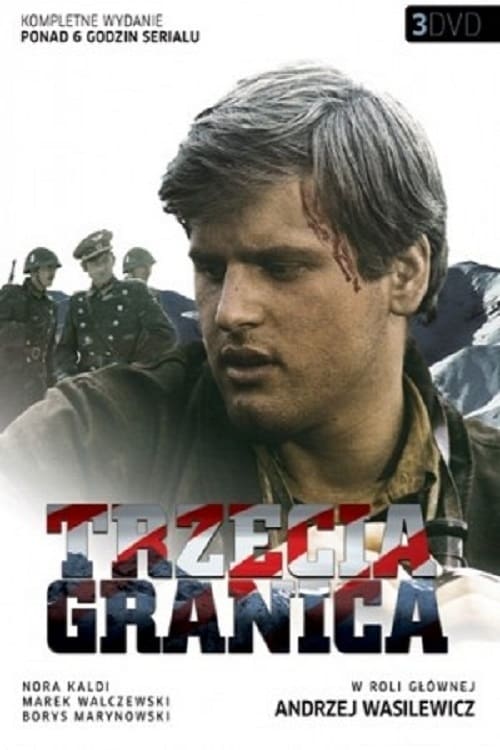
Second half of September 1939. Lt. Brejer, along with a detachment of his sappers, receives orders to blow up the bridge. The promised explosives do not arrive. So Brejer gets the order to withdraw and reunite with the rest of the division. Along the way, suffering hunger and discomfort along with his soldiers, he joins various divisions, collects survivors and fights. From a German prisoner of war, he finally learns that the Soviets have entered Poland. Finally, he and his men manage to reach his home unit, but that unit has just surrendered to the Germans.
Sixteen-year-old Sara's father is a wealthy gangster and has a lot of enemies. Her father makes clear that whoever touches Sara will die and he looks for the right bodyguard to protect her.
Set during the insurgency of 1863, the story focuses on a tragic romance between a poor gentlewoman and a rebel noble. After a bloody battle a unit of insurgents have been wiped out and only one survived, but badly wounded. He eventually finds shelter and care from a landsteward's daughter, hiding in a burned-out manor with an old servant.
1982, Poland. A translator loses her husband and becomes a victim of her own sorrow. She looks to sex, to her son, to law, and to hypnotism when she has nothing else in this time of martial law when Solidarity was banned.
Tadeusz returns from abroad after a few years; he left his fiancée Wanda in the country, now he cannot get to the common apartment. The paralyzed mother is in a nursing home; he has no contact with her. The swimmer, Judyta, pushes her friend, afraid of heights, into the water, but she cannot understand her deed. Wanda makes a program about the Palace of Culture for television, Tadeusz wants to meet her there.
In Warsaw in 1980, the Communist Party sends disgruntled radio reporter Winkel to Gdańsk to dig up dirt on the shipyard strikers - particularly on Maciek Tomczyk, an independent labour union leader whose father was killed in the December 1970 protests. Posing as sympathetic, Winkel interviews the people surrounding Tomczyk, including his detained wife, Agnieszka.
Sensational psychological drama, concerning the activities of the People's Guard in Silesia, presents from the human characters and attitudes perspective story of provocation of Gestapo agents, penetrating the ranks of the Resistance.
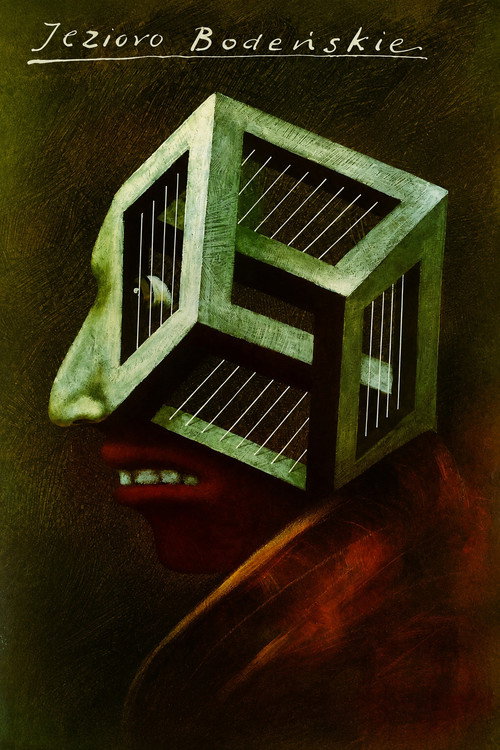
A Pole who spent time in an internment camp during the war on the Swiss-German border, visits the site many years later and recalls these days. He meets with other Poles confined in the same camp, including several women, in whose he had romantic interests.
Hosted by Diabelnej