Acting
A series about the adventures of a Polish secret agent, Hans Kloss, who acts as a double agent in the Abwehr during Second World War in occupied Poland.
No description available.
The story stretches from 1863 to 1945. Its main characters are representatives of the Pasternik family, who live in the fictional village of Wielowice near Pszczyna. The protagonist of the first three episodes is Franciszek Pasternik, the following parts tell about the fate of his many children and even more grandchildren. The viewer follows their history against the backdrop of great changes and historical events that influenced the lives of Silesian Poles. So there is the Kulturkampf, Prussian rugi, the revolution of 1905, World War I and the Silesian Uprisings.
Marianek is an unlucky man and not successful in his affairs. At the same time, he is a dove-hearted man, sensitive to other people’s misfortunes and harm, willing to help, even at his own expense. He is always ready to solve the problems of others, although he is usually not very good at it. His favorite saying is “absolutely”.
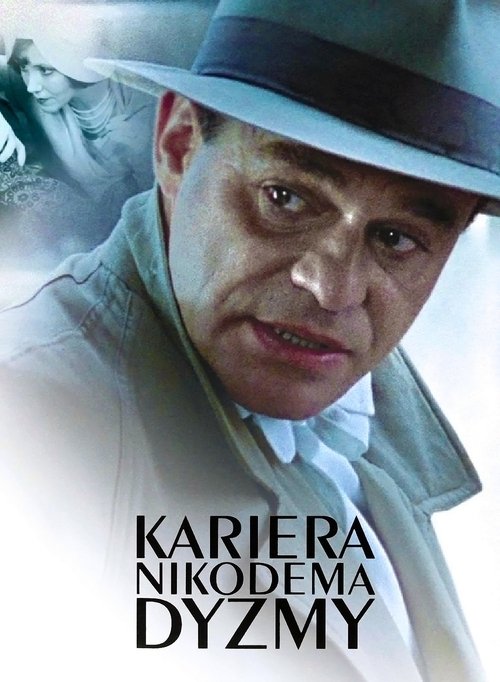
Nikodem Dyzma immigrates from the eastern part of Poland to the capital in the hope for possibilities to make a living. He is in need, very poor and forced to look for basic food and shelter. Yet, on a day when an unexpected invitation appears, his life changes dramatically.
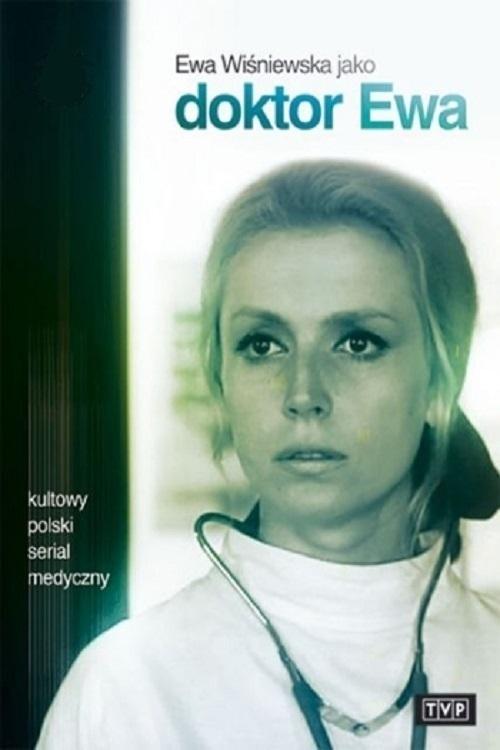
Doctor Ewa Lipska, an attractive young woman just after graduation, with interesting professional prospects for the future, chooses the job of a village doctor. Brought up in a big city, she settles in the small town of Międzybórz in the Łódź Province. She is forced not only to overcome the daily difficulties resulting from medical practice in a rural health center, but also to learn to talk to people of a different mentality and gain the trust of her patients.
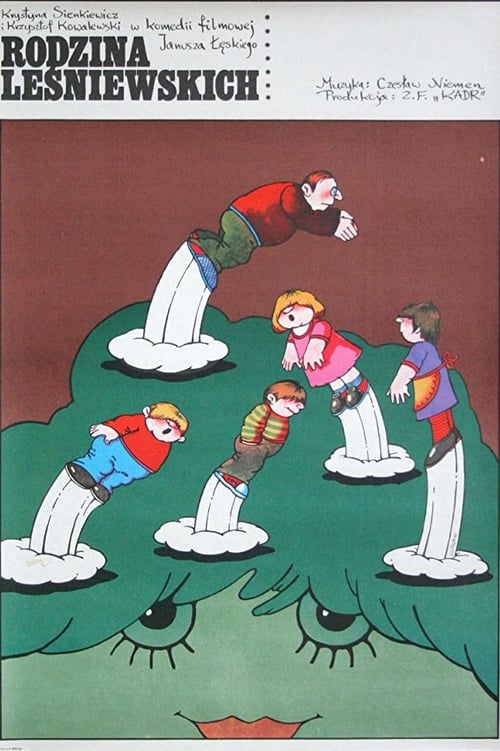
Children of the Leśniewski family decide to help their mother in daily chores so she can have more time for herself.
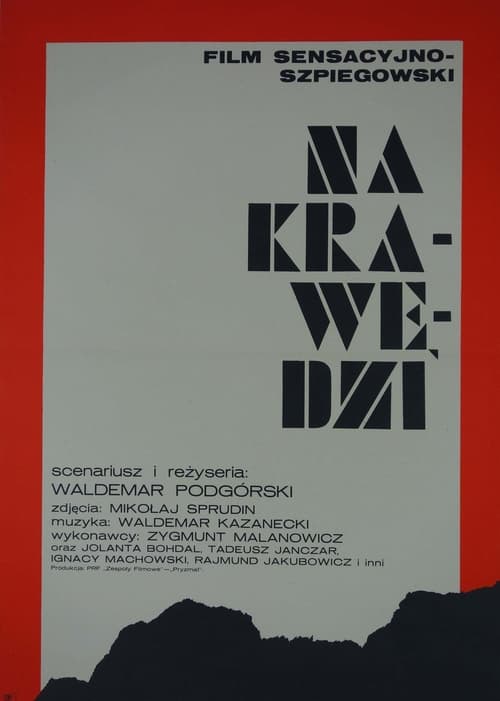
A Polish counterintelligence officer infiltrates a spy network in Munich.
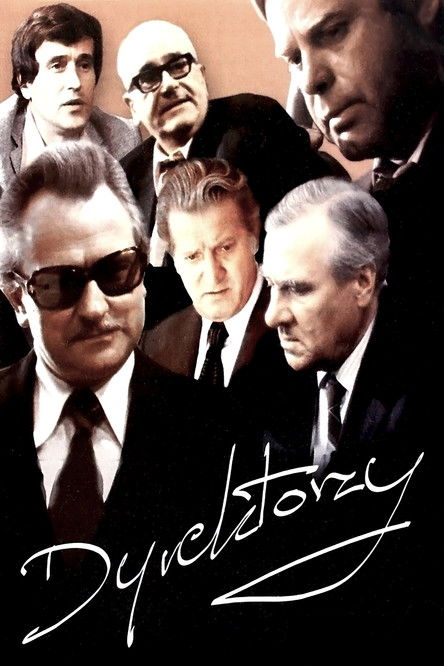
1957. Excessively high production standards imposed by the authorities result in the plan not being fulfilled, and the workers cannot imagine living normally without rewards and bonuses. A rebellion breaks out. Worker democracy wins – the working class elects a director from among its own ranks. He is an old locksmith with no managerial experience. Although he believes in the socialist spirit and has a communist past, he does not hold the position for long, as he makes promises too easily that he is unable to keep.
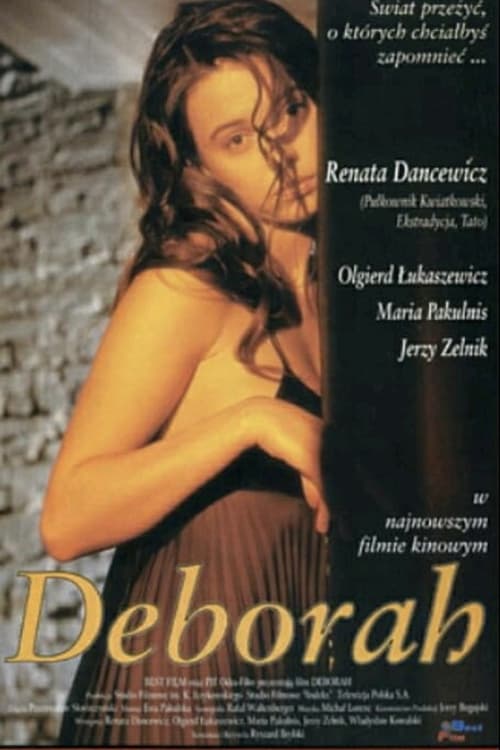
In a small Polish town in the summer of 1939, a married painter and a young Jewish woman begin an affair. Based on the novel by Marek Sołtysik.
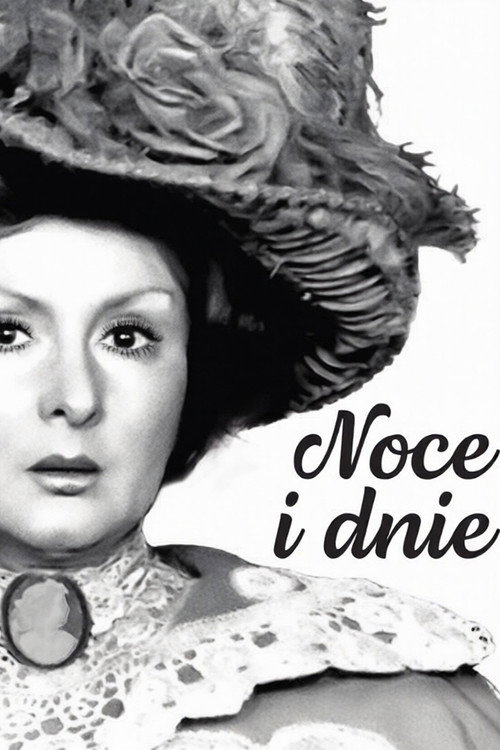
Set in the Kalisz Region in the second half of the 19th century after the failure of the January Uprising in 1863, the miniseries presents a unique portrait of an oppressed society as told through the life of the Niechcic family.
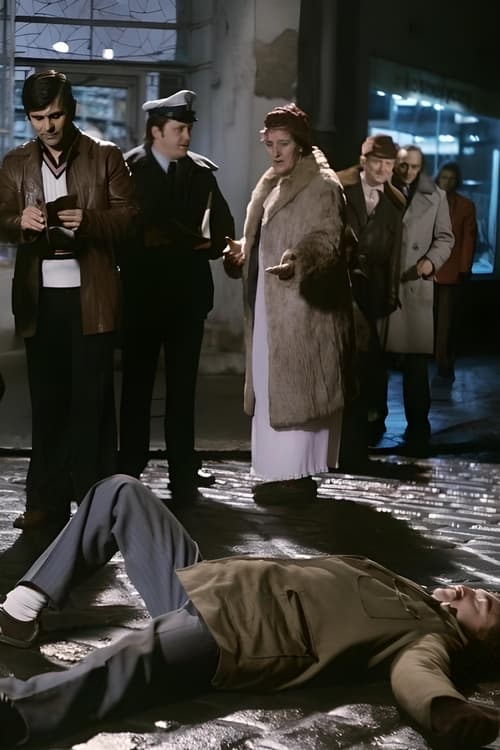
Michał Kopera has an accident at work. His relatives visiting him at the hospital are more interested in his account than in his health.
A man has a mysterious power which causes the death of each person he condemns.
A German woman on a ship returning to Europe notices a face of another woman which brings recollections from the past. She tells her husband that she had been an overseer in Auschwitz during the war, but she has actually saved a woman's life.
A famous surgeon is beaten by drunken bullies, loses his memory and cannot recollect who he was before. He gets to a village, lives in a not so well to do family and becomes the Quack - he slowly regains his talent for medicine and saves the lives of several village patients.
At the turn of the century, Lodz, Poland, was a quick-paced manufacturing center for textiles, replete with cutthroat industrialists and unsafe working conditions. Three young friends, a Pole, a Jew, and a German, pool their money together to build a factory.
The story of catholic saint Maximilian Kolbe (1894-1941), who volunteered to die in place of a stranger in the Nazi concentration camp of Auschwitz.
Jan and Maria become a couple in 1930s Kraków. Jan tries to get a job as an architect but fails. They struggle with poverty and extreme humiliation. Their attempt to survive leads to a desperate crime.
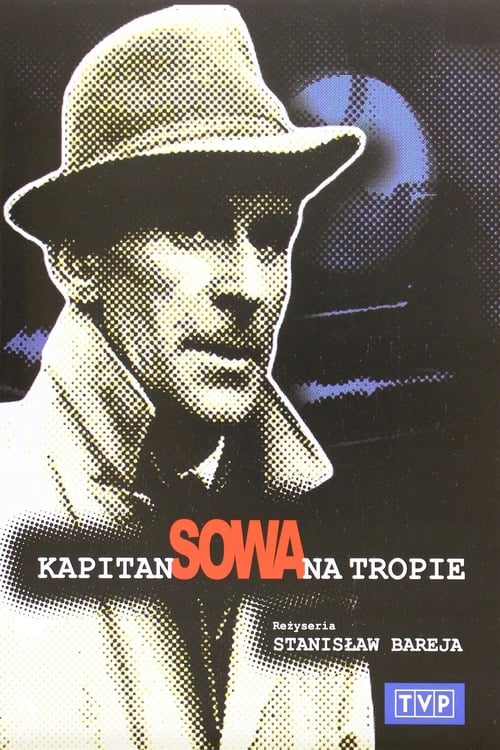
Kapitan Sowa na tropie is a Polish series from 1965 directed by Stanisław Bareja. It was the first Polish criminal series made after World War II.
After the end of World War 2 a division of female soldiers settles down at Recovered Territories and make an oath to never enter into relationships with men, which may prove difficult, because male soldiers have also made their home nearby.