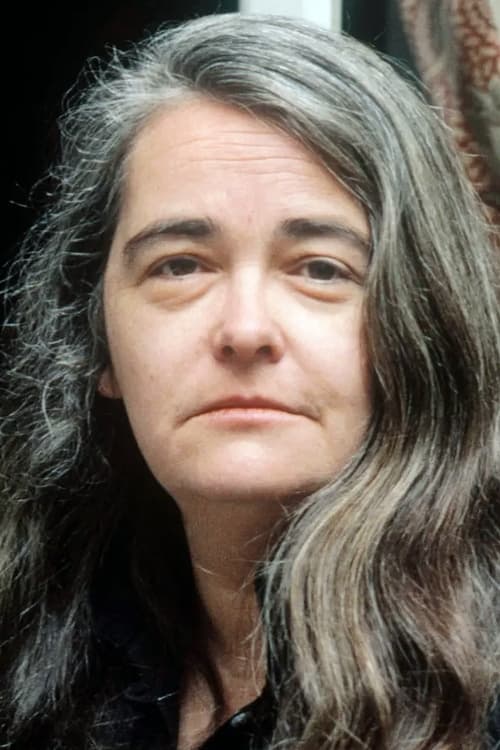
Kate Millett
Directing
Biography
Katherine Murray Millett (September 14, 1934 – September 6, 2017) was an American feminist writer, educator, artist, and activist. She attended the University of Oxford and was the first American woman to be awarded a degree with first-class honors after studying at St Hilda's College, Oxford. She has been described as "a seminal influence on second-wave feminism", and is best known for her book Sexual Politics (1970), which was based on her doctoral dissertation at Columbia University. Journalist Liza Featherstone attributes the attainment of previously unimaginable "legal abortion, greater professional equality between the sexes, and a sexual freedom" in part to Millett's efforts. The feminist, human rights, peace, civil rights, and anti-psychiatry movements were some of Millett's principal causes. Her books were motivated by her activism, such as woman's rights and mental health reform, and several were autobiographical memoirs that explored her sexuality, mental health, and relationships. In the 1960s and 1970s, Millett taught at Waseda University, Bryn Mawr College, Barnard College, and the University of California, Berkeley. Some of her later written works are The Politics of Cruelty (1994), about state-sanctioned torture in many countries, and Mother Millett (2001), a book about her relationship with her mother. Between 2011 and 2013, she won the Lambda Pioneer Award for Literature, received Yoko Ono's Courage Award for the Arts, and was inducted into the National Women's Hall of Fame. Millett was born and raised in Minnesota, and then spent most of her adult life in Manhattan and the Woman's Art Colony, established in Poughkeepsie, New York, which became the Millett Center for the Arts in 2012. Millett came out as a lesbian in 1970, the year the book Sexual Politics was published. However, late in the year 1970 she came out as bisexual. She was married to sculptor Fumio Yoshimura (1965 to 1985) and later, until her death in 2017, she was married to Sophie Keir. Katherine Murray Millett was born on September 14, 1934, to James Albert and Helen (née Feely) Millett in Saint Paul, Minnesota. According to Millett, she was afraid of her father, an engineer, who beat her. He was an alcoholic who abandoned the family when she was 14, "consigning them to a life of genteel poverty". Her mother was a teacher and insurance saleswoman. She had two sisters, Sally and Mallory; the latter was one of the subjects of Three Lives. Of Irish Catholic heritage, Kate Millett attended parochial schools in Saint Paul throughout her childhood. ... Source: Article "Kate Millett" from Wikipedia in English, licensed under CC-BY-SA 3.0.
Known For
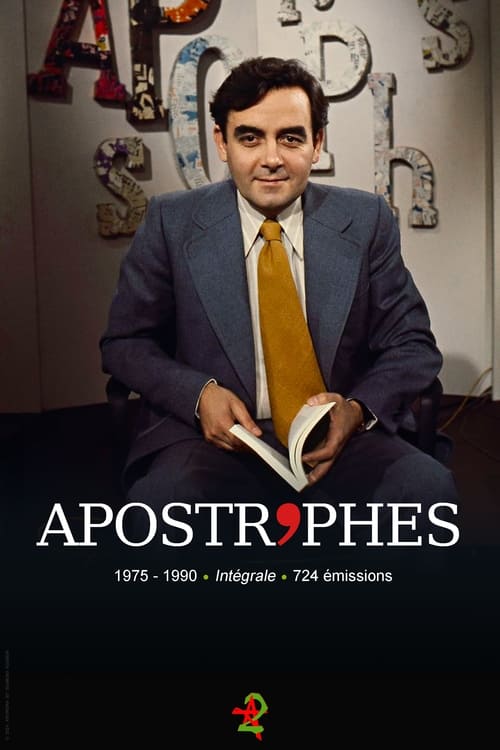
Apostrophes was a live, weekly, literary, prime-time, talk show on French television created and hosted by Bernard Pivot. It ran for fifteen years (724 episodes) from January 10, 1975, to June 22, 1990, and was one of the most watched shows on French television (around 6 million regular viewers). It was broadcast on Friday nights on the channel France 2 (which was called "Antenne 2" from 1975 to 1992). The hourlong show was devoted to books, authors and literature. The format varied between one-on-one interviews with a single author and open discussions between four or five authors.
Apostrophes
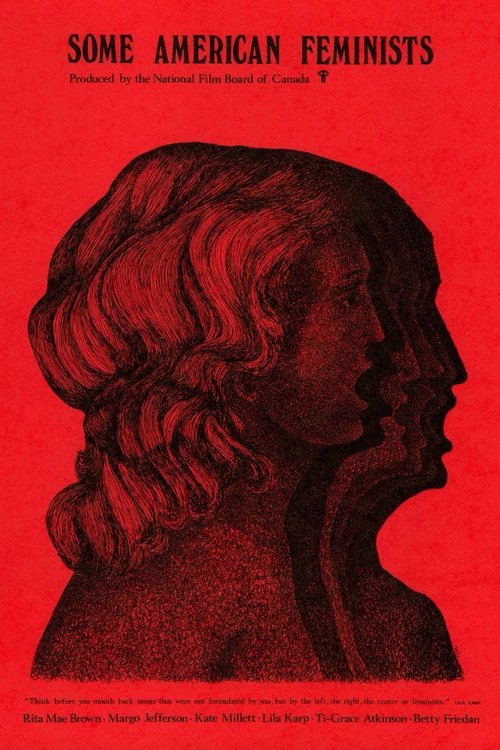
A series of interviews, combined with newsreel footage, that placed the American feminist movement in historical perspective. Six of the movement's founding women, including Betty Friedan and Kate Millett, discuss the issues that most concern them.
Some American Feminists
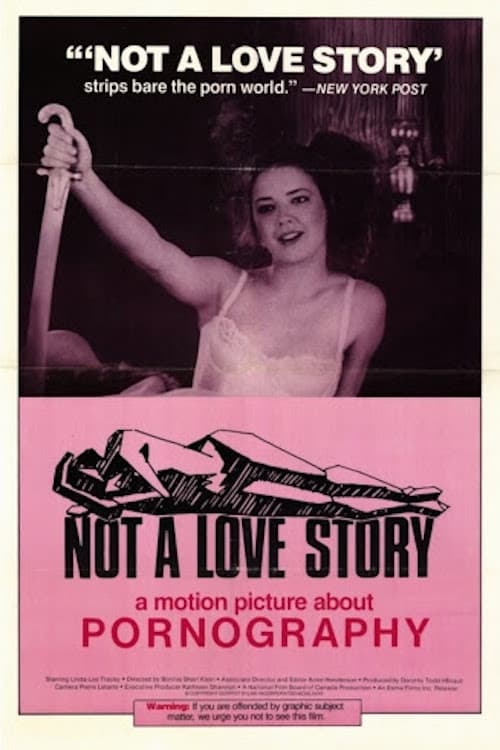
Filmmaker Bonnie Sherr Klein and former stripper Lindalee Tracy explore the pornography industry by visiting strip clubs, peep shows, and adult film sets while interviewing performers, sex workers, critics, and feminist writers. Through these encounters, the documentary examines the production, economics, and cultural debates surrounding pornography.
Not a Love Story: A Film About Pornography
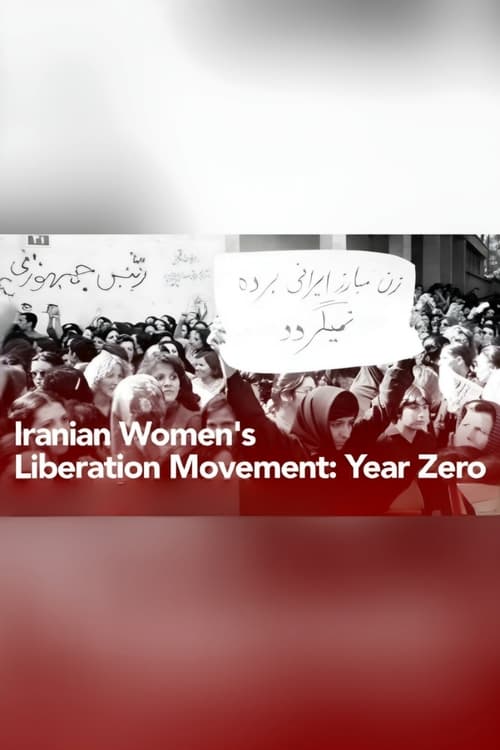
In 1979, Iranian Women invite the American feminist Kate Millett to celebrate March 8, the International Women's Day, in Tehran. On March 7, the religious leaders announce that women have to wear the Islamic veil. From March 8 to March 13, women and liberals demonstrate in the streets against the veil. A crew of four French feminists filmed these historical events before being expelled by the mullahs.
Iranian Women's Liberation Movement: Year Zero
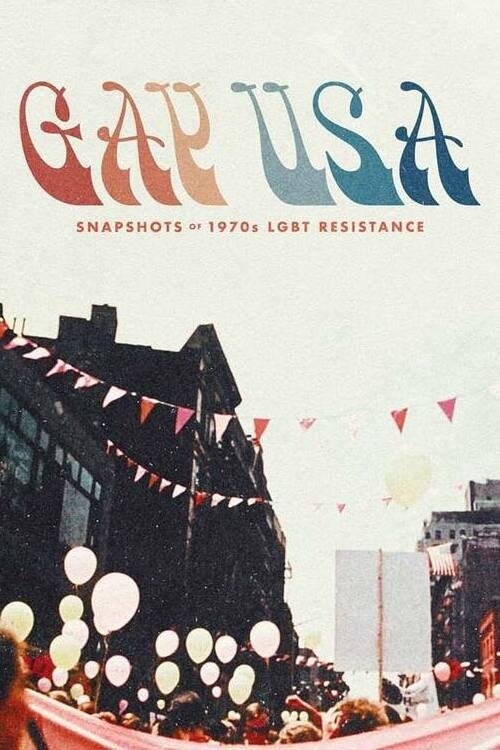
Stepping out of the sixties and in the wake of the Stonewall Riots, (considered the birth of the modern LGBTQIA+ liberation movement), the 1970s would prove to be a decade energized by queer activism, political and social change and pride. Celebrating such a vitally important legacy, this collection of gay protest and parade films is an essential multifaceted document of a period of revolution and jubilation.
Gay USA: Snapshots of 1970s LGBT Resistance
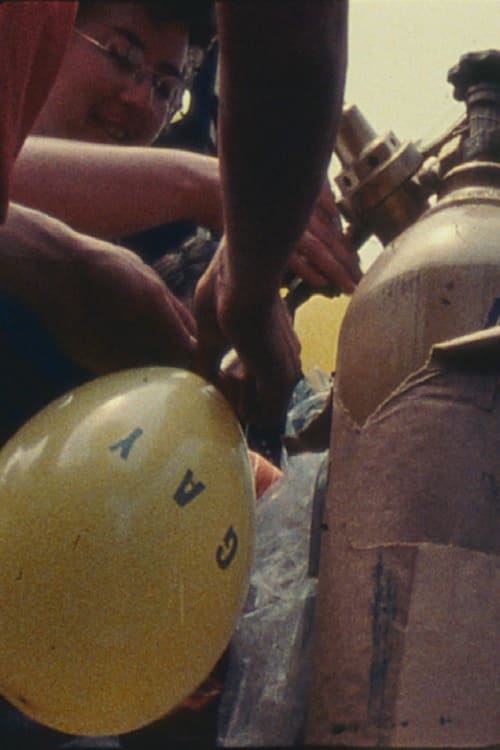
Original footage from New York’s second Christopher Street Liberation Day Parade in 1971 is paired with off-screen narration recorded some forty after the fact, often reflecting upon both the day in question and the years progress for the LGBTQ rights movement.
Gay Power
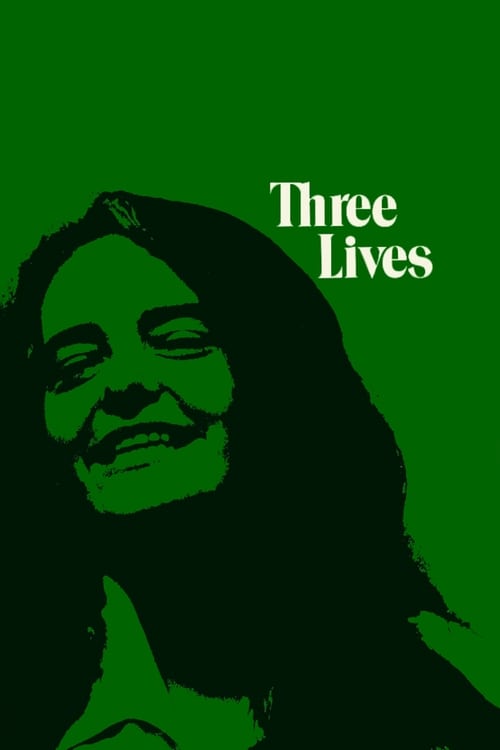
Photographed by an all-female crew and directed by the author of Sexual Politics, these are autobiographical interiews with three very different women who talk frankly about their lives, conflicts, and contrasting life styles.