Writing
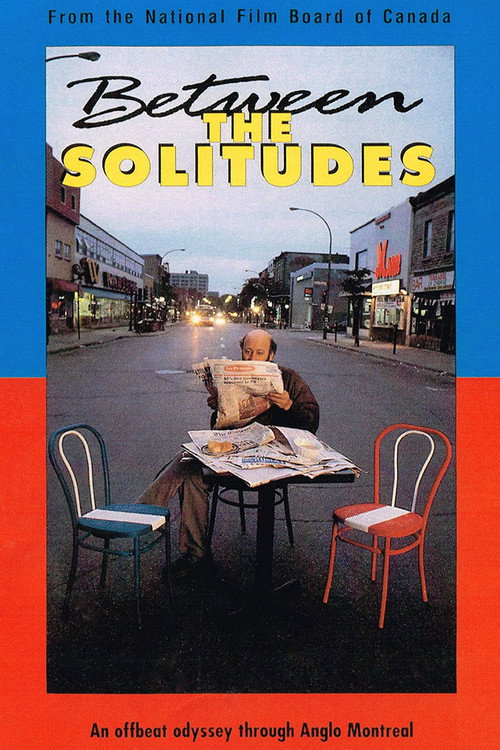
Journalist Josh Freed takes a personal journey through English-speaking Montréal -- its history, its haunts, its characters, and the difficulties and delights experienced in trying to straddle two solitudes. A sometimes angry, often funny, and always affectionate portrait of a city split along linguistic lines, as seen through the eyes of its English-speaking minority.
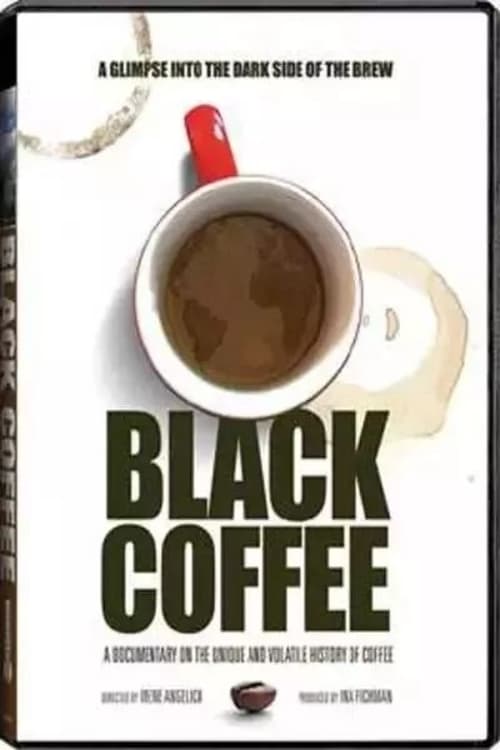
Black Coffee is a 2007 Canadian documentary film examining the complicated history of coffee and detailing its political, social, and economic influence from the past to the present day. The film details how coffee is the eighth most traded legal commodity in the world. It is also the fourth most valuable agricultural commodity. However, only one cent of a $2 cup of coffee goes to the grower.[1] This inequality has helped shape the history of continents and the Cold War.
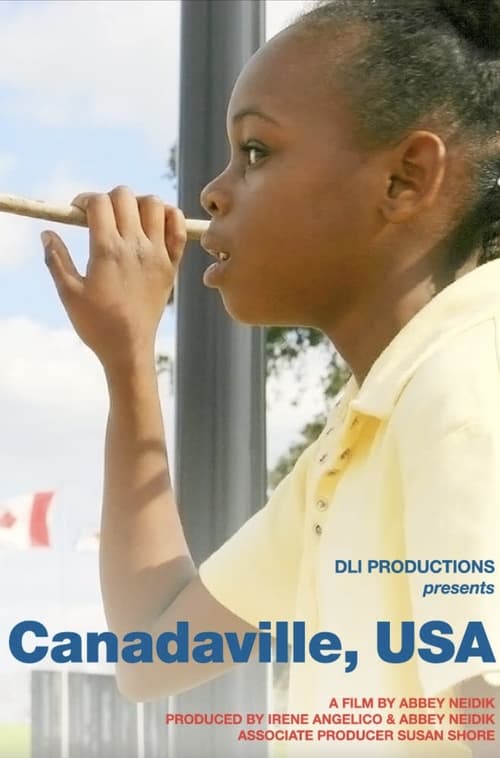
In the wake of Hurricane Katrina, Canadian billionaire Frank Stronach offers inner-city evacuees 5 years free rent in rural Louisiana to help “break the circle of poverty”.
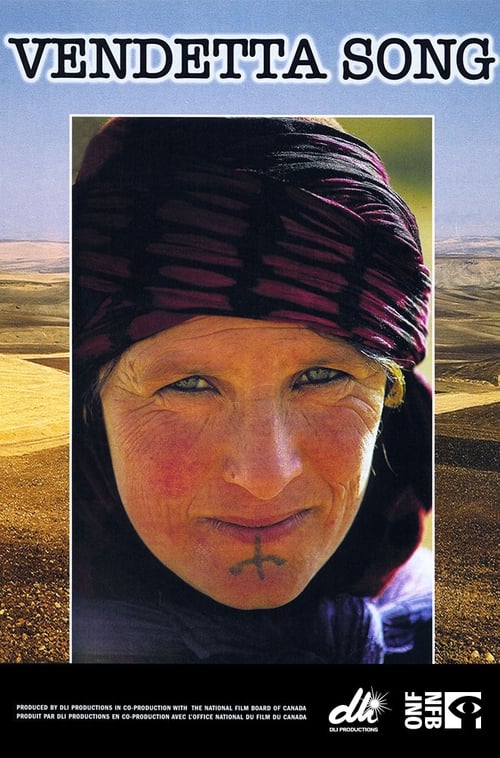
Eylem Kaftan is preparing for a 1400 km journey to South Eastern Turkey. Armed with only a few contacts, a faded family photograph and a passionate urge to discover the truth, the filmmaker will to attempt to unravel the 30-year-old mystery of her aunt’s murder.
A short lyrical document about an ancient Oriental discipline, this film moves from the streets of China, where the people practice Tai-Chi daily, to North America, where the same movements are executed by a solitary figure in a park.
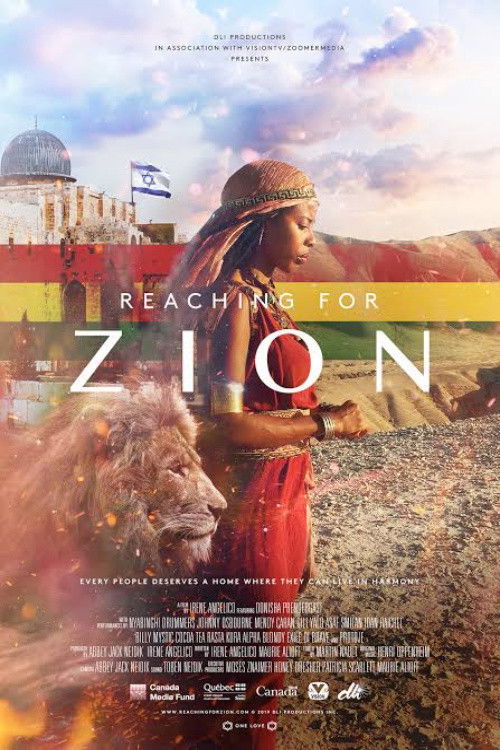
Bob Marley's granddaughter Donisha Prendergast takes us on a quest to understand the roots of her grandfather's extraordinary legacy. She has long been committed to his longing for Zion, a place of One Love, where people live in peace and harmony. But when she looks at the world around her, all she sees is injustice and suffering. Is Bob Marley's legacy even possible? Donisha confronts the roots of prejudice and present day struggles with poverty, racism and religious hatred. Along the way, Donisha uncovers Rastafari's intriguing connection to Judaism and delve into the music that expresses both people's suffering and joy.
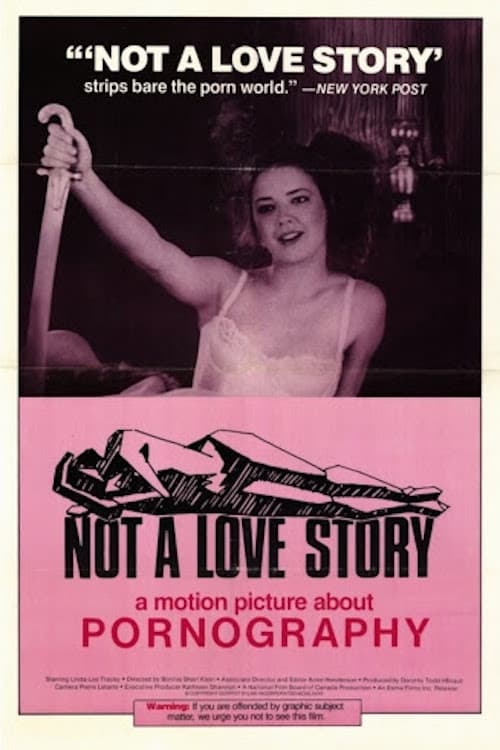
Filmmaker Bonnie Sherr Klein and former stripper Lindalee Tracy explore the pornography industry by visiting strip clubs, peep shows, and adult film sets while interviewing performers, sex workers, critics, and feminist writers. Through these encounters, the documentary examines the production, economics, and cultural debates surrounding pornography.
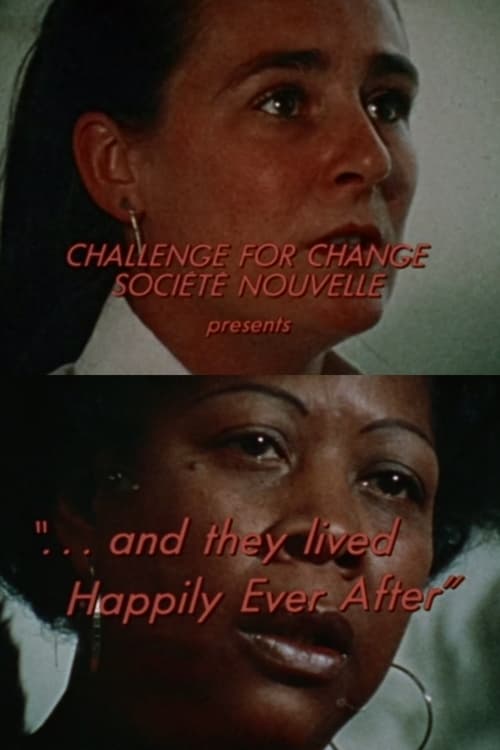
Women relate their experiences with marriage and motherhood, punctuated by commercials for weddings, among other things. A seminal work by Kathleen Shannon, who founded Studio D, a production entity dedicated to women making films at the National Film Board of Canada.
A group of young girls and married women express their views of marriage and motherhood while glossy advertisements extolling romance, weddings, and babies flash across the screen in contrast to their words. Could the solution to dashed expectations be as simple as growing up before marriage? Part of the Challenge for Change program.
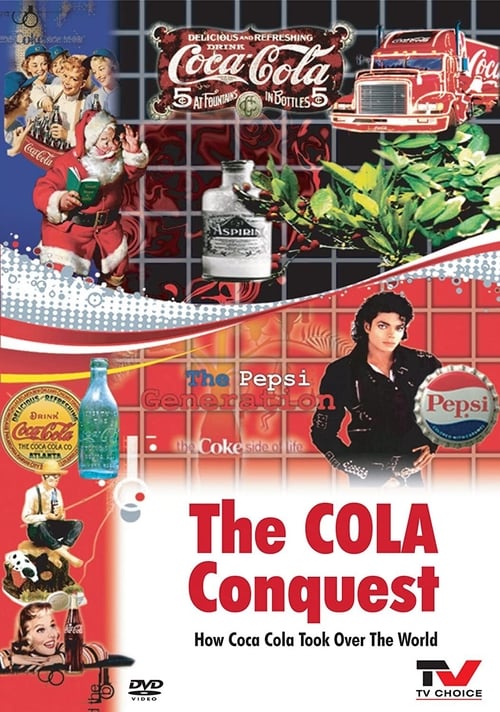
The story of Coca-Cola -- the 'sublimated essence' of all that American stands for -- and the century-long competition with its rival, Pepsi-Cola. Challenging, fast-paced, irreverent, serious and funny by turns, it explores the delicious paradox at the heart of Coke: How did an innocuous soft drink come to wield such enormous power and assume such significance in so many people's lives? What does it tell us about who we are and what we are becoming?
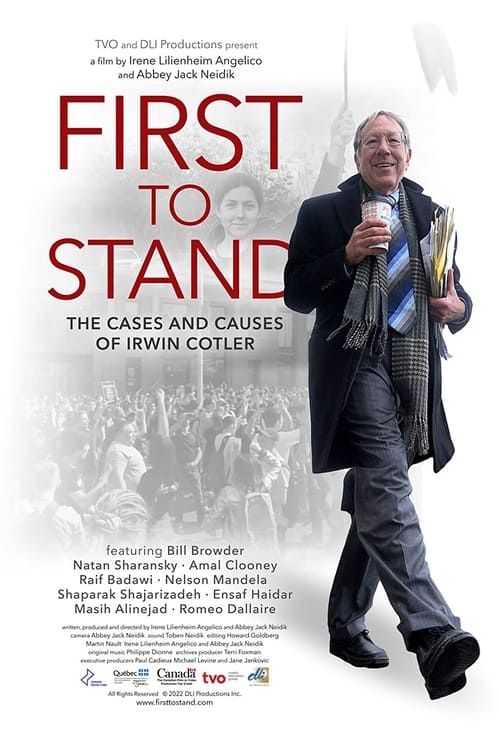
Irwin Cotler and his team fight for justice and human rights in the cases and causes of Raif Badawi, imprisoned Saudi blogger; Shaparak Shajarizadeh, champion of women's rights in Iran; Anatoly Sharansky, famed refusnik; and Bill Browder, creator of the most important human rights tool of this century.
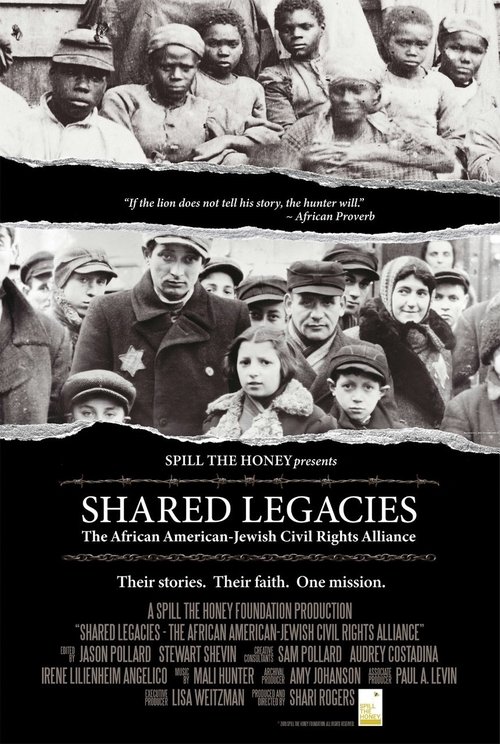
The historical ties between Black and Jewish Americans began long before the Civil Rights era. Shared Legacies explores this significant alliance, sharing eyewitness accounts, interviews with civil rights leaders, including the late U.S. Representative John Lewis, and a treasure trove of archival footage. The film is a tribute to the pursuit of what Dr. King called a "coalition of conscience" and a celebration of partnership, as well as an urgent call to action for today.
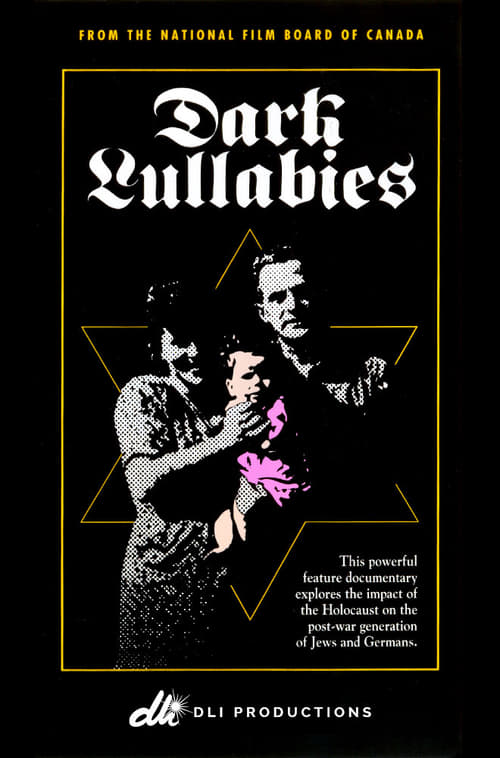
Seen through the eyes of the filmmaker, a child of concentration camp survivors, this program explores the impact of the Holocaust on a generation of Jews and Germans born after World War II. Includes interviews in Canada, Israel, and Germany with the children of survivors, with young neo-Nazis, and with the children of former Nazis.