
Iveta Grófová
Directing
Biography
Iveta Grófová (born 31 October 1980) is a Slovak film director. She studied at the Academy of Performing Arts in Bratislava (VŠMU). Her directorial debut was the 2012 film Made in Ash, which was nominated as Slovakia's submission for the Academy Award for Best Foreign Language Film. Grófová's second film, Piata loď, was screened at the 67th Berlin International Film Festival. It went on to be nominated in 10 categories at the 2018 Sun in a Net Awards.
Known For
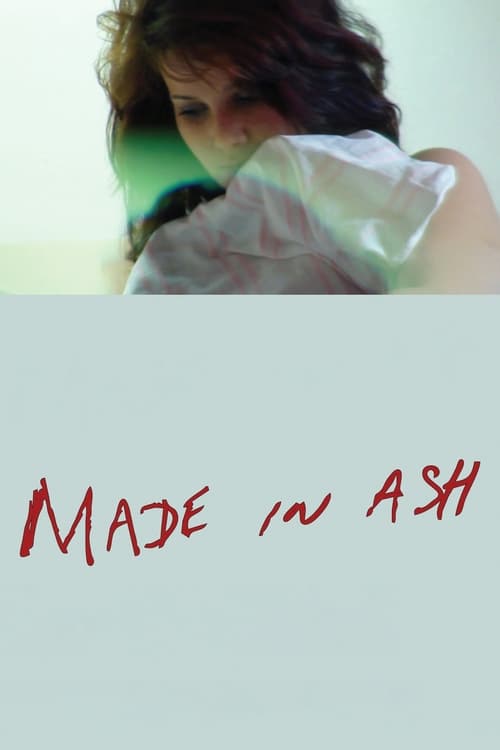
A grittily realistic tale of prostitution at an Eastern European border town
Made in Ash
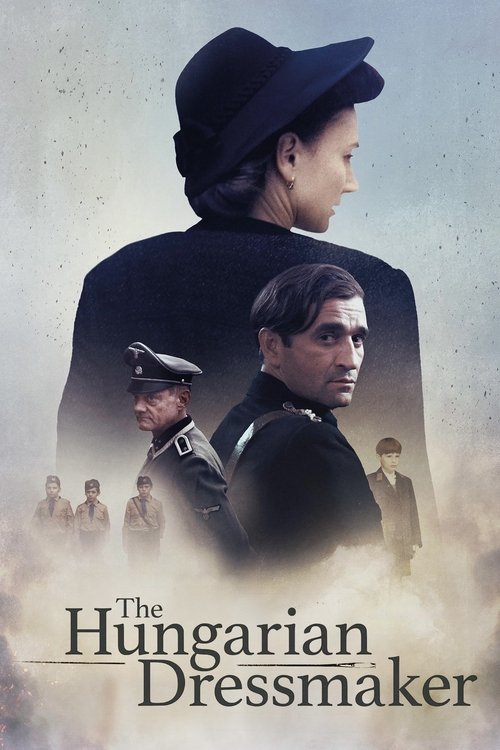
Ema & Death’s-Head deals with the precarious border between humanism and the protection of one’s own life in situations when one excludes the other. Marika Sándorfi is hiding a Jewish boy during the dramatic era of the First Slovak State on the Slovak-Hungarian border. Šimon Holan, the boy in hiding, has a special ability to survive thanks to dreaming and a child’s fantasy.
The Hungarian Dressmaker
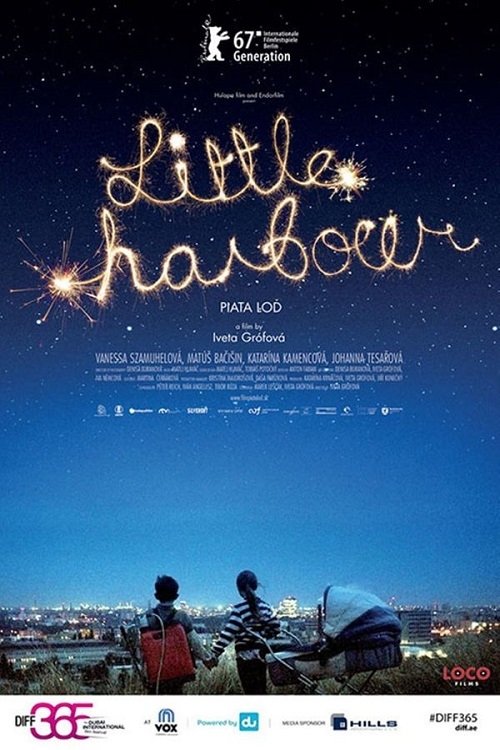
A story of children who feel safer in the streets than at home, about children seeking out sturdy lifeboats that cross between the world of fantasy and the harsh reality of life. Jarka is one of these children. Ten years-old, and living with a mother who is not yet ready to be a mom, Jarka spends most of her time alone. Pushed by her desire for love and to form a fully functional family, she finds herself substituting a "mother" to two babies.
Little Harbour
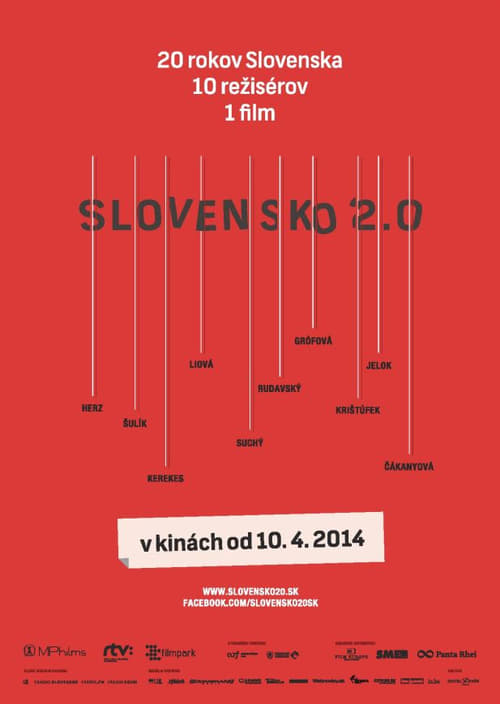
What is “Slovakia”? How to explain the notion of “Slovakia” of the past 20 years to an unknown stranger, a visitor from another planet? What is the genetic makeup or the software for “Slovakia”? How to use it? How does it change? Slovakia 2.0 is a film about twenty years of independent Slovakia as seen from the perspective of ten film directors. It is composed of ten 10-minute films of different genres ranging from drama, through animation and documentaries, to experimental film. The ten recognised film directors who offer an answer to what is Slovakia include a wide range of generations, views and genres, namely Juraj Herz, Martin Šulík, Peter Kerekes, Zuzana Liová, Mišo Suchý, Ondrej Rudavský, Iveta Grófová, Peter Krištúfek, Viera Čákanyová, and Miro Jelok.