Acting
No description available.
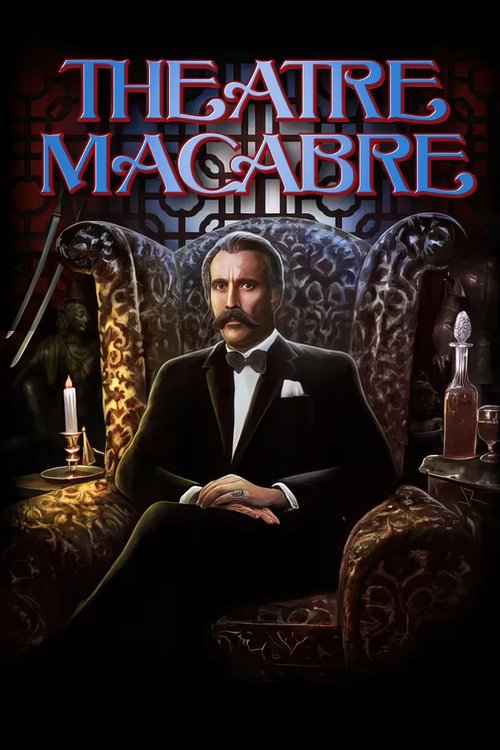
Horror legend Christopher Lee hosts this anthology in the tradition of Alfred Hitchcock Presents, each half-hour episode adapting a story from a classic author, with tales by Edgar Allen Poe, Fyodor Dostoevsky, Ambrose Bierce, Robert Louis Stevenson, and Oscar Wilde.
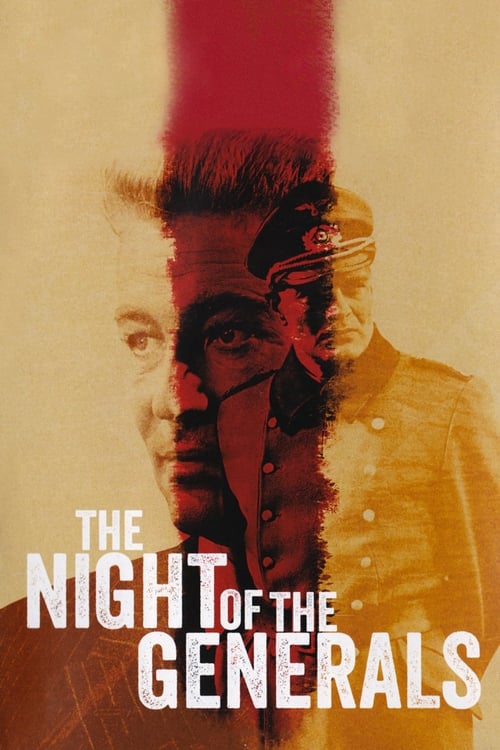
A German intelligence officer investigates a prostitute's killing in Warsaw during World War II. He lands on three major Nazi generals as suspects, two of whom are also involved in a plot to kill Adolf Hitler.
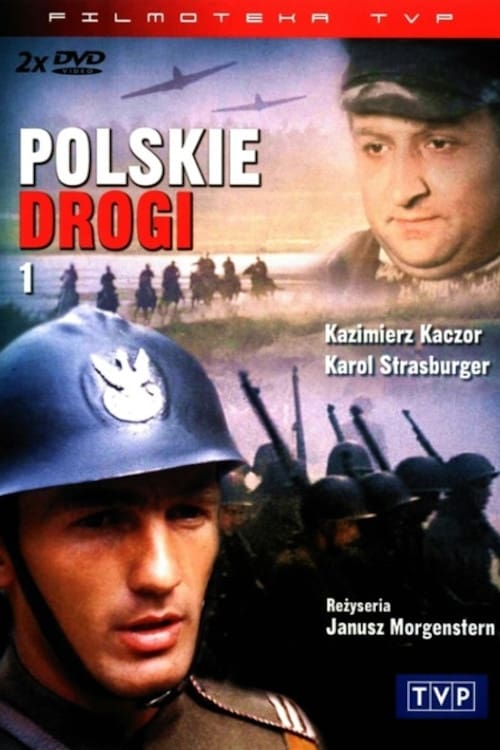
An epic, multi-threaded story about the fate of Poles during World War II. "Czas pogardy" was shown primarily from the perspective of two main characters - Lieutenant Władysław Niwiński and Leon Kuraś - a petty crook, but not without heroic traits. The authors of the series sought to show, in particular, everyday life under Nazi occupation in Poland.
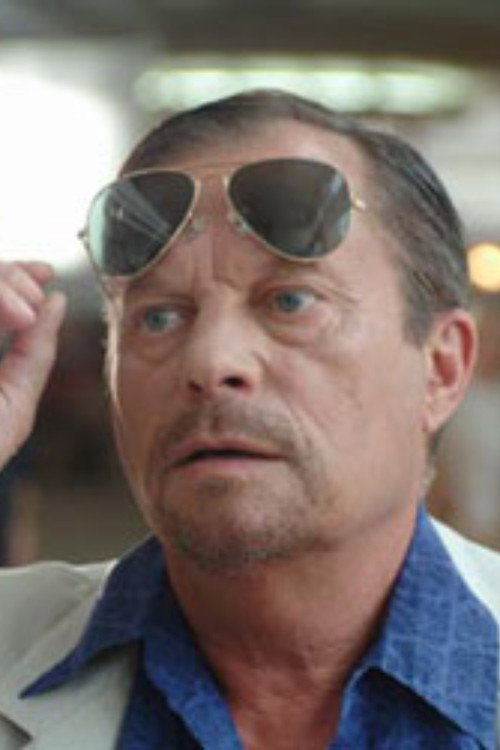
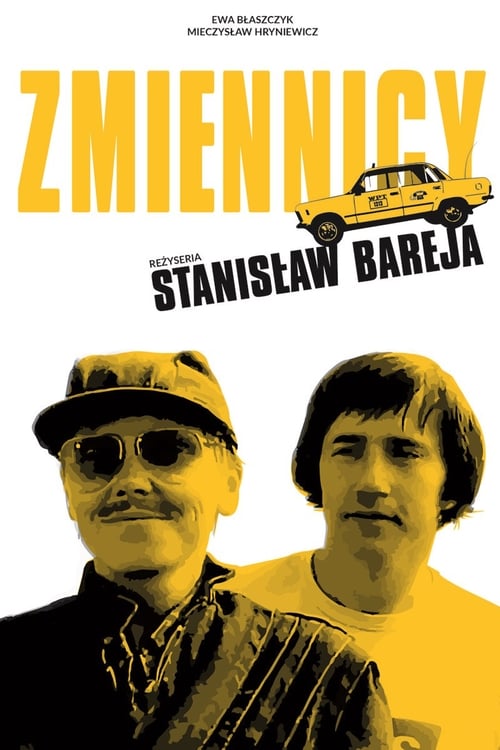
"Zmiennicy" is a grotesque comedy of absurdity and reality that masterfully blends slapstick, satire, and surrealism to expose the absurdities of life under communist rule in the People's Republic of Poland (PRL). The story follows Jacek Żytkiewicz, a taxi driver in Warsaw, and his mysterious new shift partner, Katarzyna Piórecka, who disguises herself as a man to get the job. The series is a comedy of the grotesque, filled with exaggerated characters, nonsensical bureaucracy, and surreal plot twists. It mocks the inefficiencies and contradictions of PRL institutions—from corrupt officials and inept police to bizarre workplace dynamics and social hypocrisy. Underneath the absurdity lies a thriller-like subplot: a drug trafficking operation smuggling heroin from Thailand to West Germany. This storyline, featuring shady sports officials, a Thai student, and a crooked firefighter, adds a layer of intrigue reminiscent of American crime dramas.
The story of Stanisław Wokulski, a wealthy merchant who falls in love with a haughty aristocrat, Izabela Łęcka. Causing a misalliance in the late nineteenth century Warsaw. Young Wokulski is forced to work as a waiter, while dreaming of a life in science. After taking part in the failed uprising, he is sentenced to exile in Siberia. Upon return to Warsaw, he becomes a salesman. Marrying the late shop owner's widow, he becomes rich, He uses his money set up a partnership with a Russian merchant, met in the exile. The two makes a fortune supplying the Russian army. Wokulski falls in love with Izabela, daughter of the bankrupt aristocrat. In his quest to win her, he ventures theatres and aristocratic salons. To help her financially distressed father, he founds a company with the aristocrats as shareholders. Wokulski ability to make money is respected, but his lack of social rank is often brought. Izabela eventually accepts his affection, but without true devotion or love.
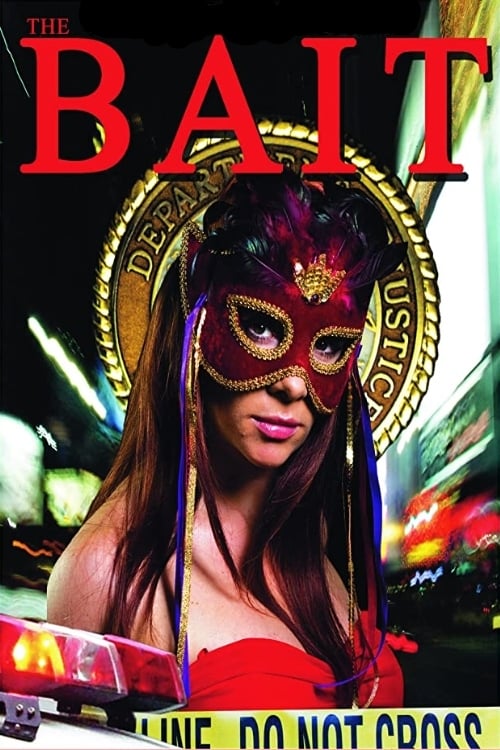
A star New York City detective is investigating the beating of a young girl. Following the crime trail he finds new victims. As the bodies start to pile up, so does the list of possible suspects. This "Who Done It" starts to look like a "Who Didn't Do It" with a surprising twist when love, romance, envy and rage collide.
Mały Zgon may seem like a quiet town - but just below the surface lies a twisted web of crooked cops, drug kingpins and high-stakes poker games.
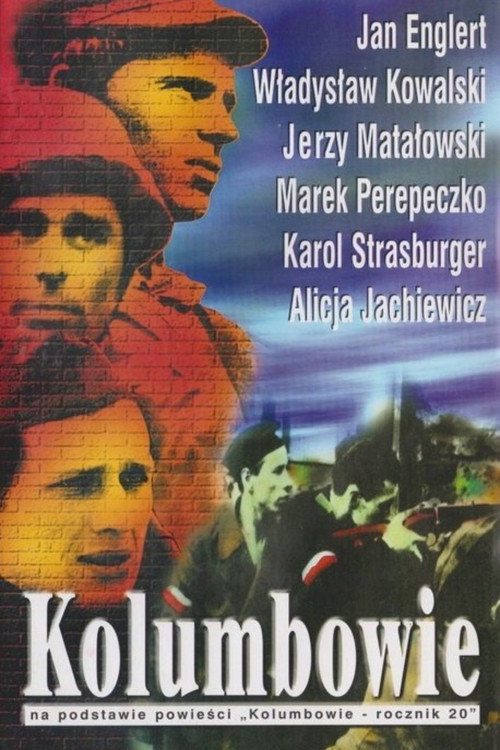
Kolumbowie follows a group of Polish resistance fighters during WWII in the days leading up to the Warsaw Rising.
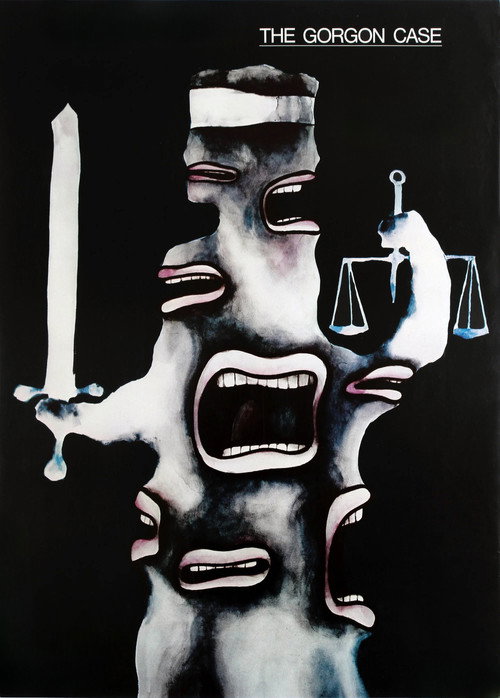
In 1931, just before the New Year, in a house of architect Henryk Zaremba scream rips the night. The daughter of Zaremba is found killed in her bedroom, obviously killed with a pickaxe. The police arrives and starts the investigation. Rita Gorgonova, the governess of the girl and also lover of Zaremba becomes the main suspect.
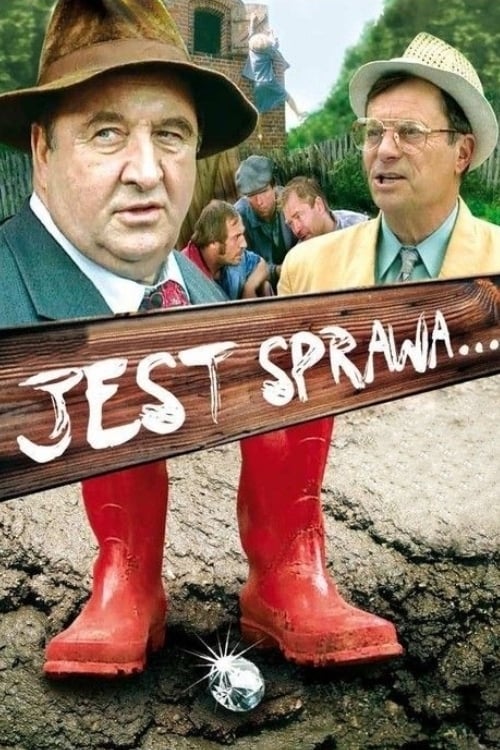
The post-state farm village of Piaski in Pomerania. A deputy minister shows up in the village. He is interested in finding a bust of Lenin, in which the now deceased former secretary of the Polish United Workers' Party smuggled a diamond of enormous value, the "Eye of Siberia." The confidential conversation between the deputy minister and the village head accidentally overhears the unemployed Stanislaw Michalek. He informs his friends about the case. The three men decide to find the secretary's treasure. The problem is that the secretary had a collection of busts of Lenin, which are now strewn all over the village.
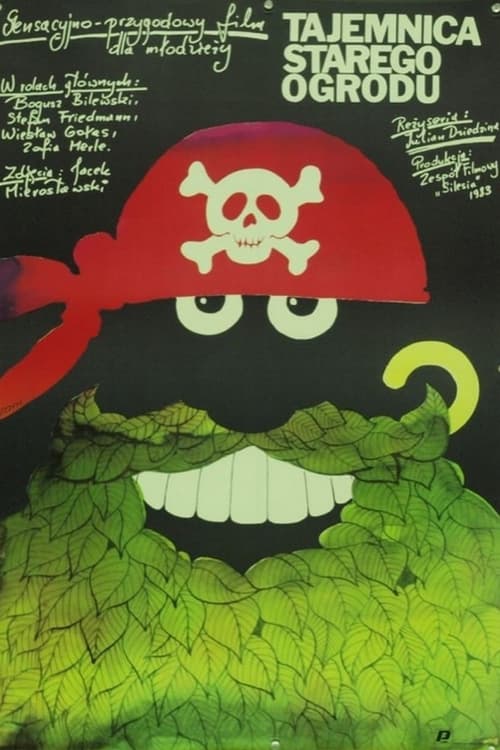
A group of teenagers dream of adventures and experiencing something unusual, mysterious and romantic. The boys play treasure hunters and detectives in an old park adjacent to a modern housing estate. By accident, the heroes find the trail of a youth gang that stole the documentation of a sensational preparation that can be used in the preparation of animal feed. The gang members manage to suspect the inventor of the preparation, the engineer Tyc. His son, Andrzej, and his friends decide to expose the real criminals and find maps that are to indicate the place of the hidden treasure.
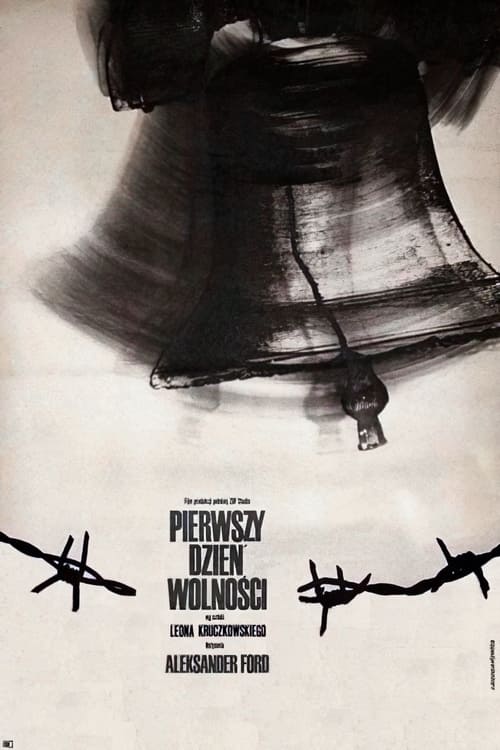
Freed Polish soldiers are trapped in a small town in Germany during the last days of World War II. After a doctor's daughter is raped by a concentration camp worker, the Poles allow her and her father to stay in the house that is their temporary quarters. While waiting to be repatriated, the war-weary group is forced to fight some German soldiers who invade the town. The war brings out conflicting emotions of the Poles who find themselves trapped in the house and once again under fire from the enemy.
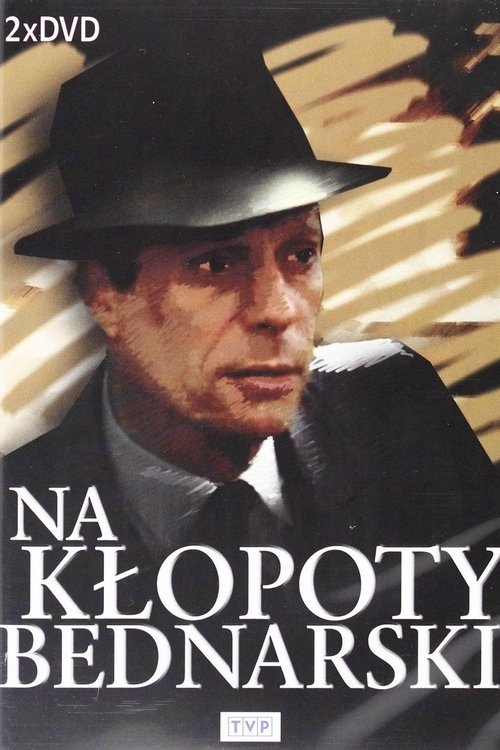
Set in the late 1930s in the Free City of Gdańsk, the series follows Bednarski, a private detective considered the best in his field—evidenced by his brief collaboration with Polish intelligence. Each episode presents a standalone story, united by the central character and the broader historical backdrop: the fate of Gdańsk, Poland, Europe, and the world as they edge inexorably toward World War II.
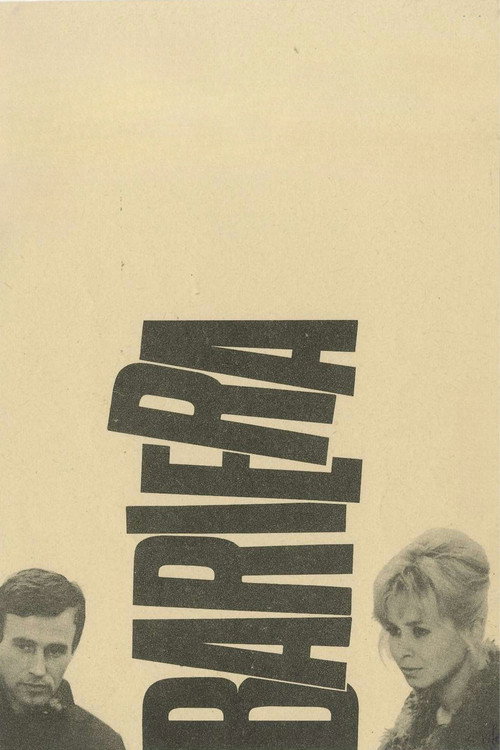
A dream-like meditation on post-industrial life in Communist Poland.
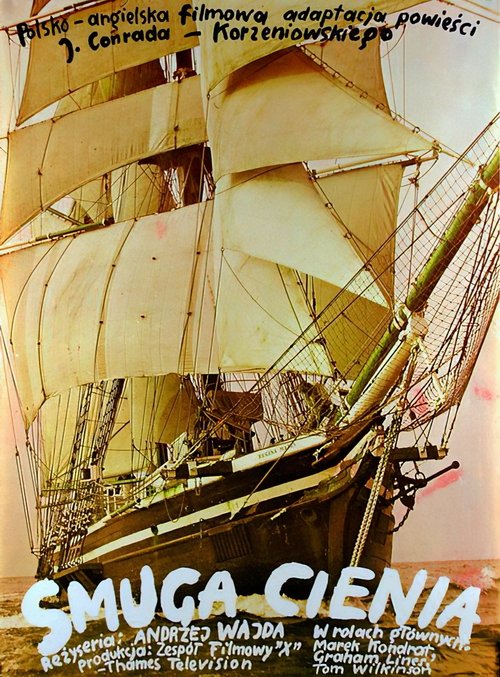
Andrzej Wajda's English-language film of a novella by Józef Teodor Konrad Korzeniowski, aka Joseph Conrad, about a young man in his first command as a sea captain. A series of crises prove incredibly difficult for his new authority, for the sea is curiously becalmed and the crew is weakened by feverish malaria. When the first mate's fear convinces many that the ship is haunted and cursed by the malevolent spirit of the previous captain, the young man must cope with their superstition as well as the conspicuous absence of much-needed medicine.
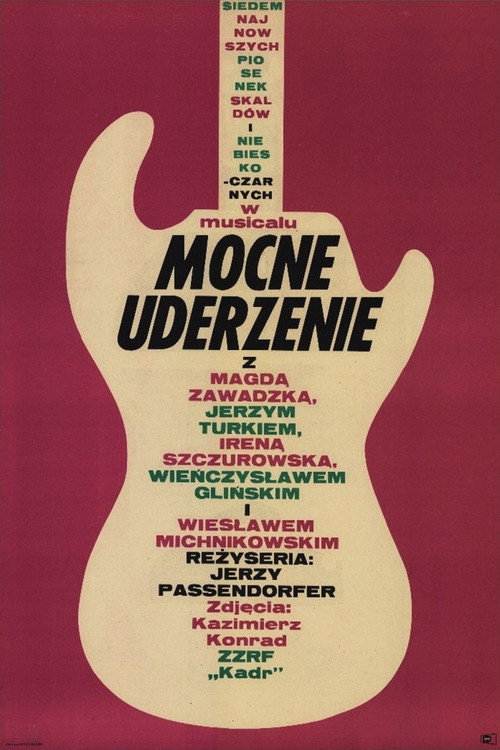
At Kuba's wedding an unknown woman comes up to him and accuses him of cheating on her. This causes Kuba's soon-to-be wife, Majka, to leave him. It turns out that the woman, Lola, confused Kuba with his boyfriend, famous guitarist Johnny, so Kuba embarks on a journey to find him and prove his innocence.
A rainy-night clash in a boarding-school dorm forces a swaggering teen to confront his insecurities and the price of rebellion.
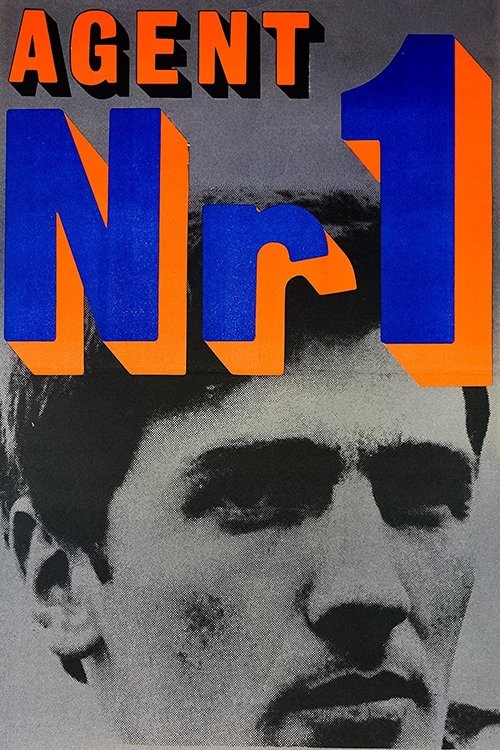
Jerzy Szajnowicz-Ivanov, the son of a Polish mother and a Russian father, raised in Greece, reports to the Carpathian Brigade in the spring of 1941. While the Poles are wary of him at first, he proves his worth by taking part in several sabotage actions against the Nazis.