Acting
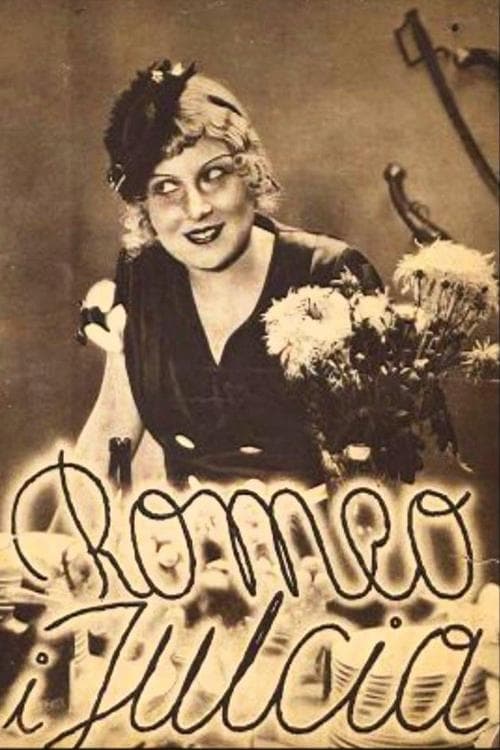
Professor Platfus and Teofil Rączka run the "Romeo and Julcia" Intermediation Office.
During the Napoleonic wars, a Spanish officer and an opposing officer find a book written by the former's grandfather.
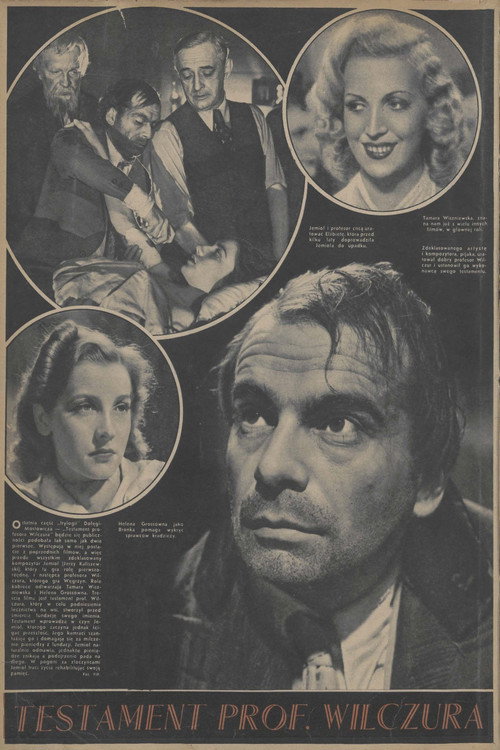
The film picks up the story of the brilliant surgeon-turned–folk healer from the beloved “Znachor” and “Profesor Wilczur,” this time with its original author, Tadeusz Dołęga-Mostowicz, co-writing the screenplay and even appearing on screen as the tale’s own chronicler. Considered lost.
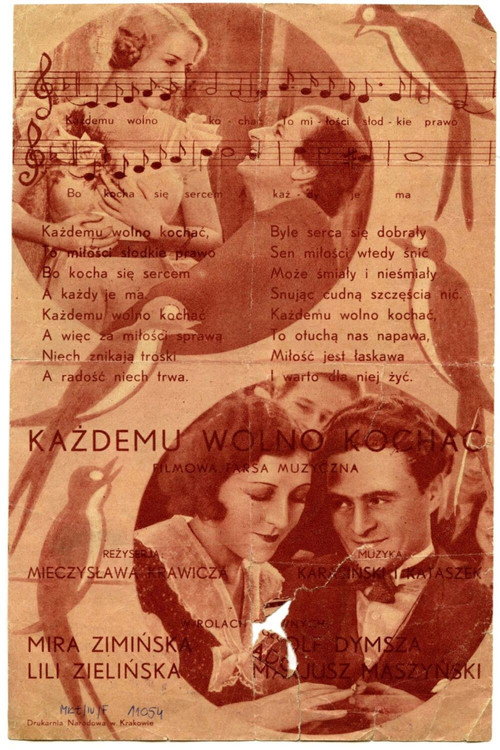
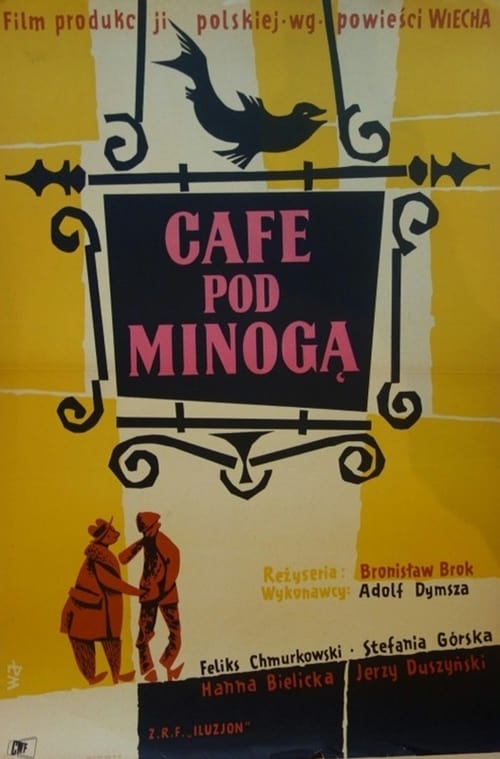
A cinematic ode to actor Adolf Dymsza, one of the biggest stars of pre-war Polish cinema. The film combines footage from Dymsza's new movies and contextualises in the frame story of Mr. Dodek, a retired actor who recounts his past exploits while trying to earn an allotment for a plot of land.
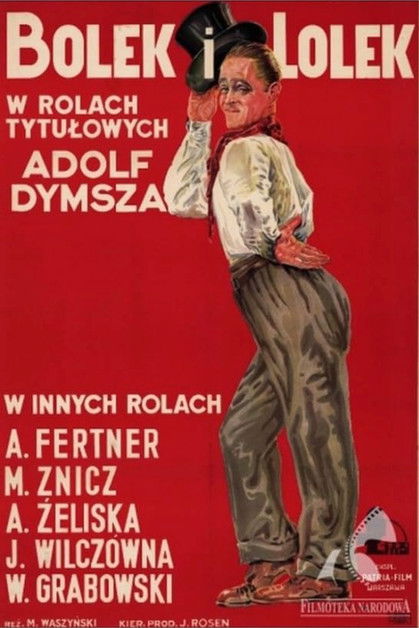
Bolek, a young locksmith’s apprentice, fights off two suspicious men to defend a friend and, fleeing the police, hides at a party where guests mistake him for the wealthy but naïve Lolek.
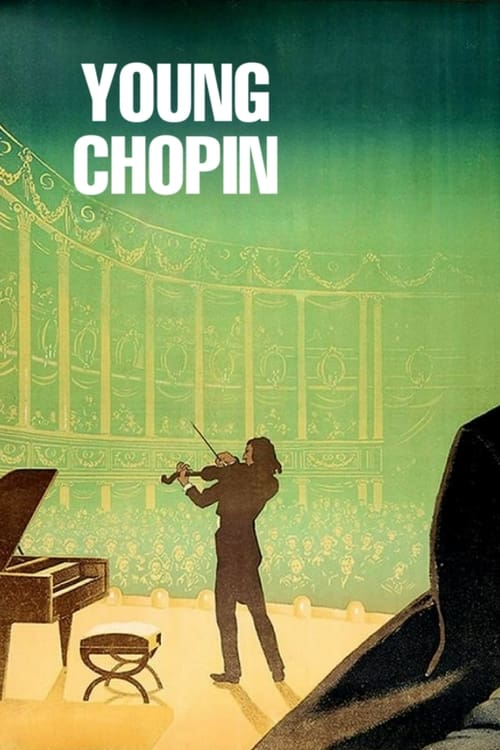
Young Frederic Chopin comes of age during a tumultous time in Polish history.
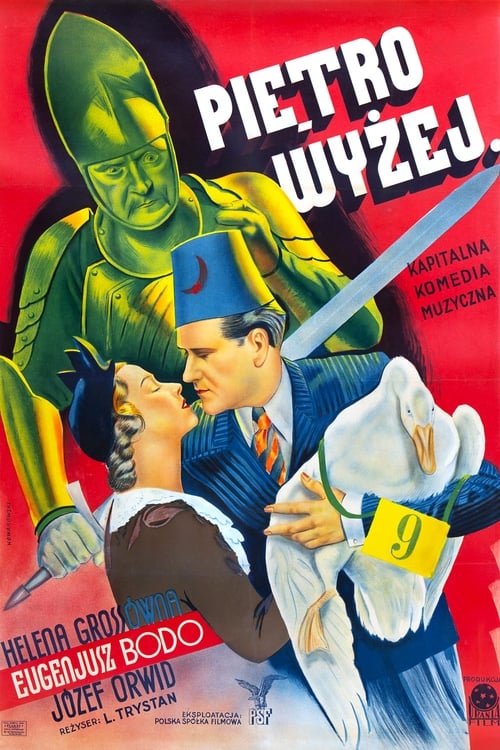
Poor musician Alojzy Kędziorek is in love with Sagankiewicz's daughter Renata, who is reciprocated, but her family wants to marry her off to the wealthy butcher Baleron. Hipek, Alojzy's friend, sells his song to the theater director. The song becomes a huge hit. Alojzy is mistakenly locked up in a newly opened psychiatric hospital. He manages to escape. He goes to the theater where his song is being sung. He receives thunderous applause and an order for new songs. Renata's family agrees to her marriage to Kędziorek.
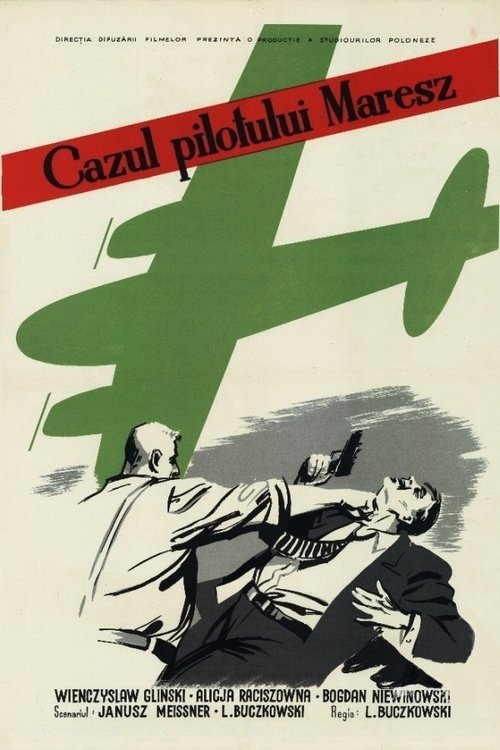
A Polish RAF Officer returns to his homeland and finds himself torn between love for his friend's wife and illegal activities he gets himself involved in.
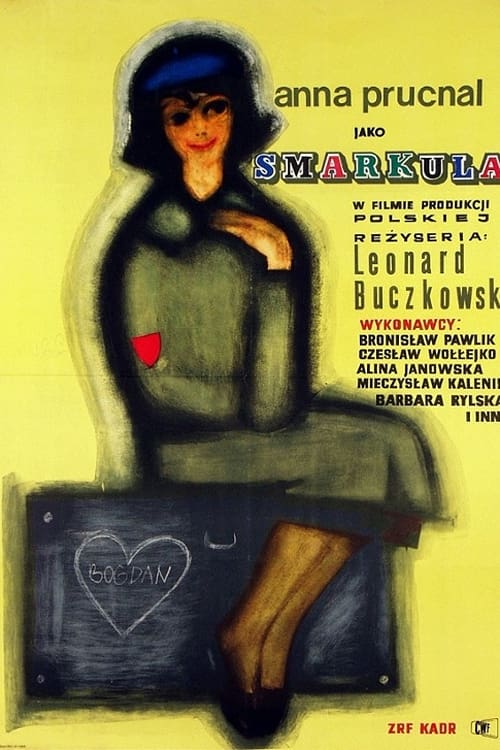
A young teenager from the provinces comes to Warsaw to find her relatives and gets herself in various trouble.
Communist Szczęsny juggles between his revolutionary activities and love to a fellow party member Madzia in this sequel to "Cellulose".
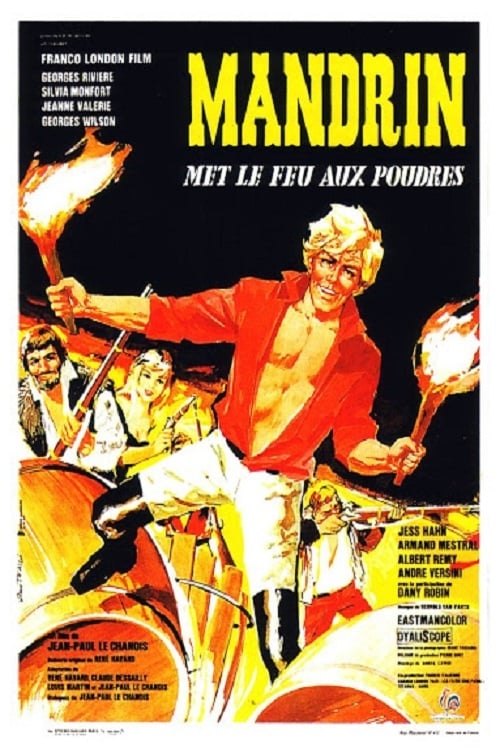
It was the reign of Louis XV and, in 1750, France was at war all the time, and the people, suffocated by taxes, liked their beloved Louis less and less. When the governor of Dauphiné arrived in Saint-Étienne-de-Saint-Geoirs, he had to deal with opponents of the regime who had gathered around cooper Louis Mandrin. Mandrin becomes the vigilante who respects his king, but does not tolerate the oppression of the poor through taxation.
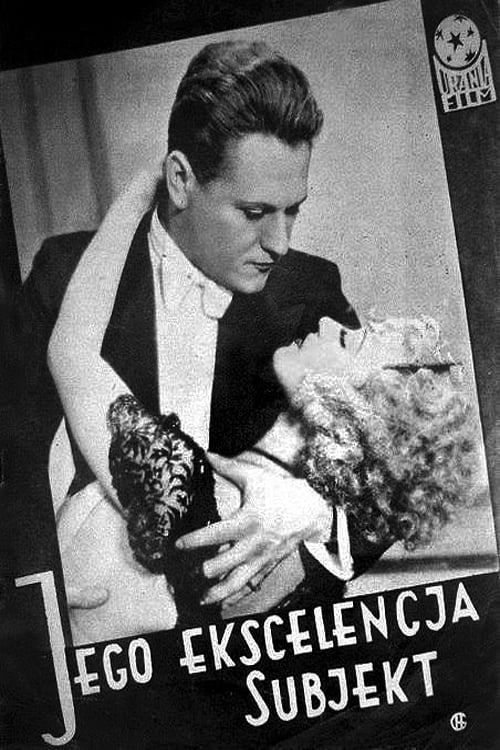
Subiekt Jurek accidentally ends up at a ball held in the salons of the bankrupt industrialist Porecki. He is taken for Chelmonski's counselor. Ania's parents want to marry her off to the rich Kracht, who turns out to be a hoaxer. Jurek, who is in love with Ania with reciprocity, exposes him. The director of the department store gives Jurek five times his salary. Jurek soon becomes the Poreckis' son-in-law.
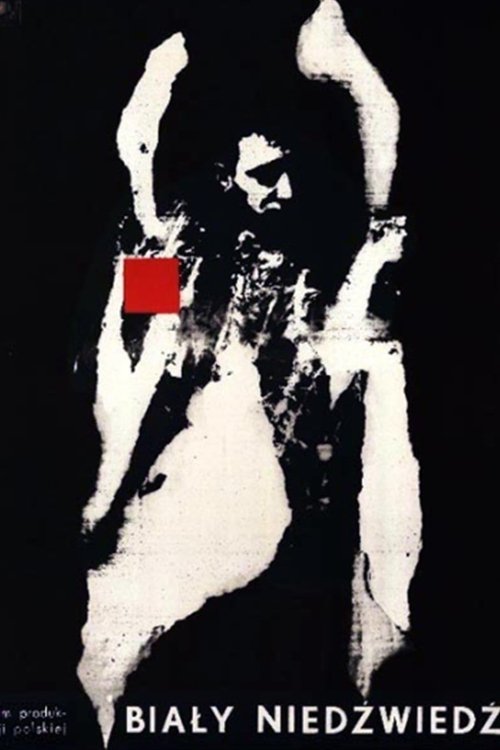
A Jewish man who escapes a Nazi transport hides in a Polish ski resort town by posing for photos with tourists dressed as a polar bear.
A mother is looking for her missing child, with whom she lost contact while in a concentration camp. The film was completed in 1948, but it was banned from distribution by the government, until finally releasing in 1991.
Two apartment house dwellers, although unrelated, share the same name. One is an older man with an appreciation for and love of classical music, while the other is a younger man addicted to swing music. The niece of the older man arrives for a visit and gets into the wrong apartment. Complications arise.
An engineer comes home from abroad to his waiting wife. After some time, his second wife, an Italian one, joins him. For a small town, such a triangle will turn out to be unacceptable, especially since the spouses live peacefully under one roof.
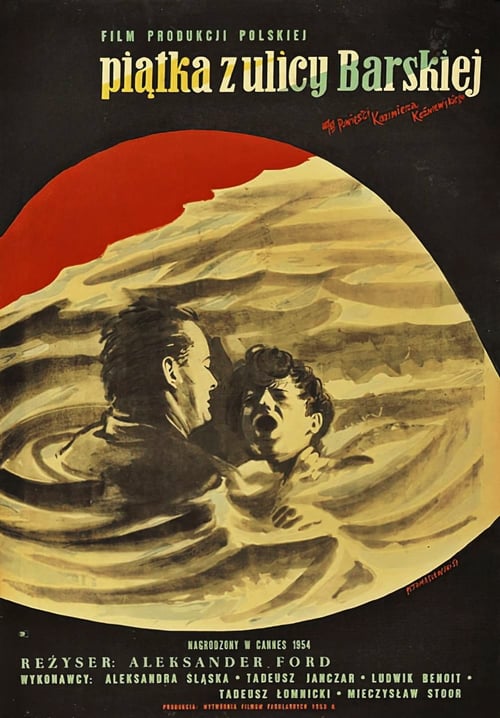
In war-ravaged Warsaw, five juvenile delinquents are given probation for stealing, to rehabilitate themselves, but remain under the influence of their profiteer-boss.
Comic stories of Varsovians living under the Nazi occupation and struggling with the enemy.
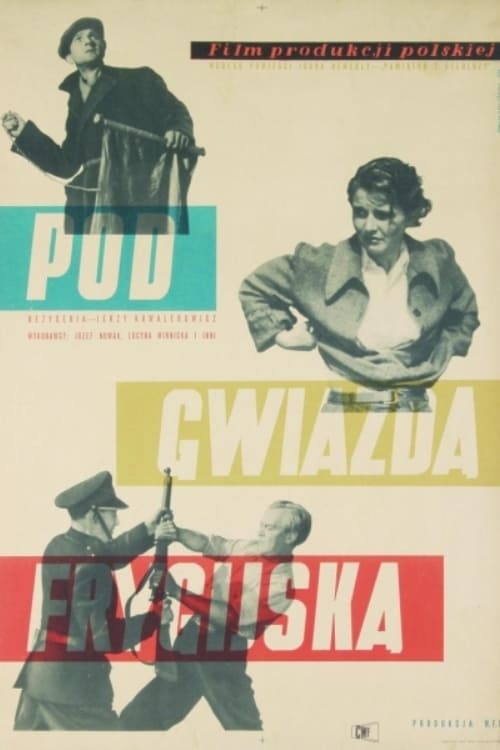
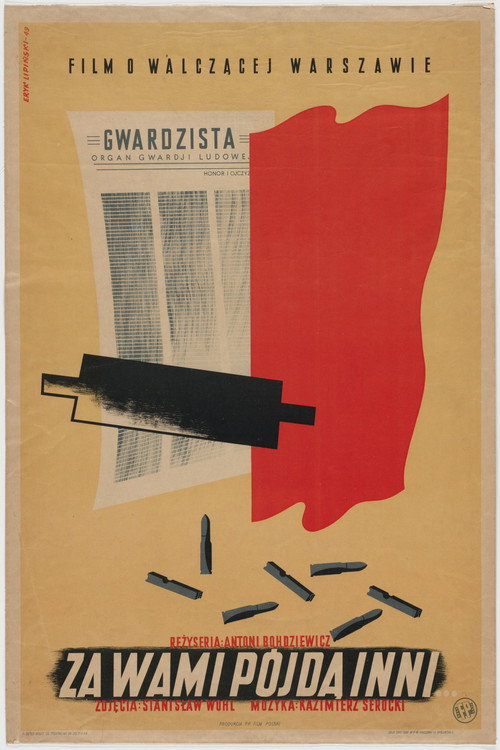
A war drama that tells the story of the discovery of the illegal AL printing works by the Nazis, showing the activities of the left-wing underground in the occupied capital.
An intimate psychological drama: the story of two brothers who, in the winter of 1848, waited for the opportunity to enter General Bem's troops in Hungary and experience emotional conflicts in a noble manor, which lead to a fundamental confrontation of attitudes and characters.