Acting
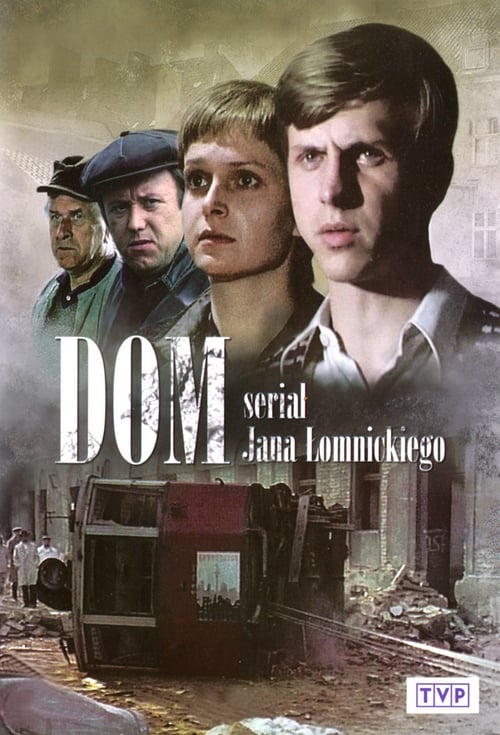
The story of the residents of a tenement house on Złota Street in Warsaw from 1945 to 1980.
A series about the adventures of a Polish secret agent, Hans Kloss, who acts as a double agent in the Abwehr during Second World War in occupied Poland.
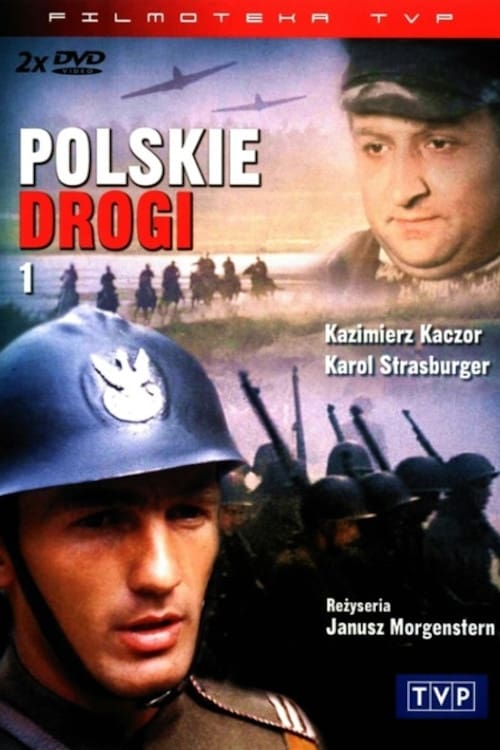
An epic, multi-threaded story about the fate of Poles during World War II. "Czas pogardy" was shown primarily from the perspective of two main characters - Lieutenant Władysław Niwiński and Leon Kuraś - a petty crook, but not without heroic traits. The authors of the series sought to show, in particular, everyday life under Nazi occupation in Poland.
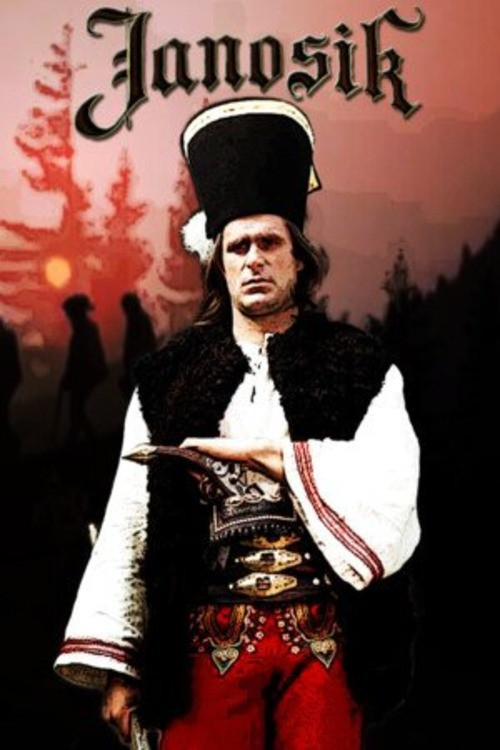
Janosik was a television series that aired in Poland in 1974. It is about a famous Polish highlander outlaw who in folk legends steals money and goods from the rich and helps out the poor. The series was directed by Jerzy Passendorfer. There are 13 1-hour episodes.
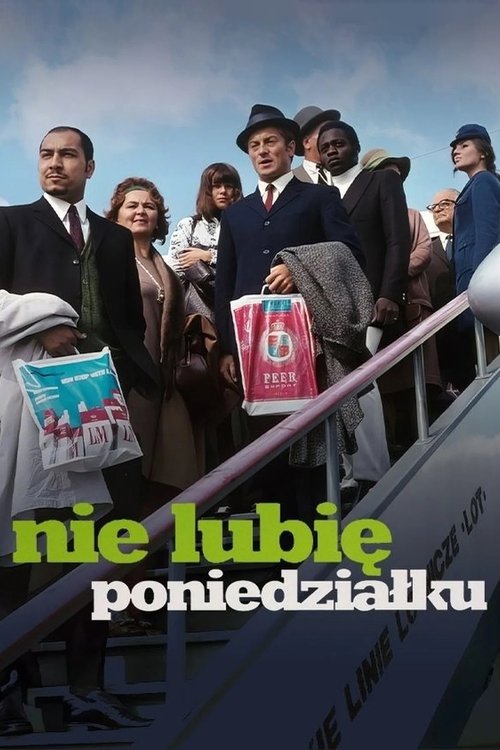
An acute case of Mondayitis in Warsaw. Interwoven stories of a few inhabitants of Warsaw, including one very unlucky Italian on a governmental mission and a charitable Polish American.
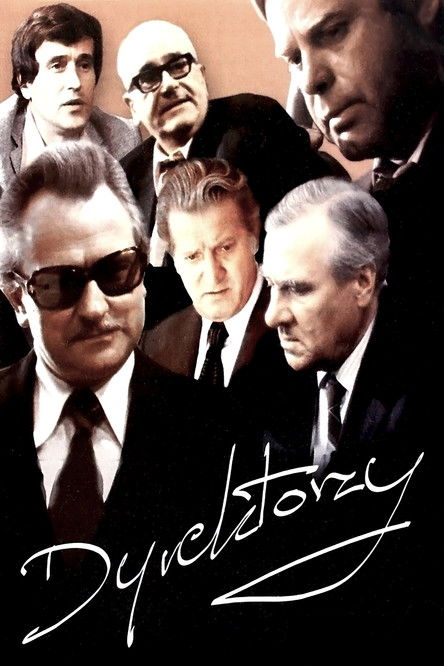
1957. Excessively high production standards imposed by the authorities result in the plan not being fulfilled, and the workers cannot imagine living normally without rewards and bonuses. A rebellion breaks out. Worker democracy wins – the working class elects a director from among its own ranks. He is an old locksmith with no managerial experience. Although he believes in the socialist spirit and has a communist past, he does not hold the position for long, as he makes promises too easily that he is unable to keep.
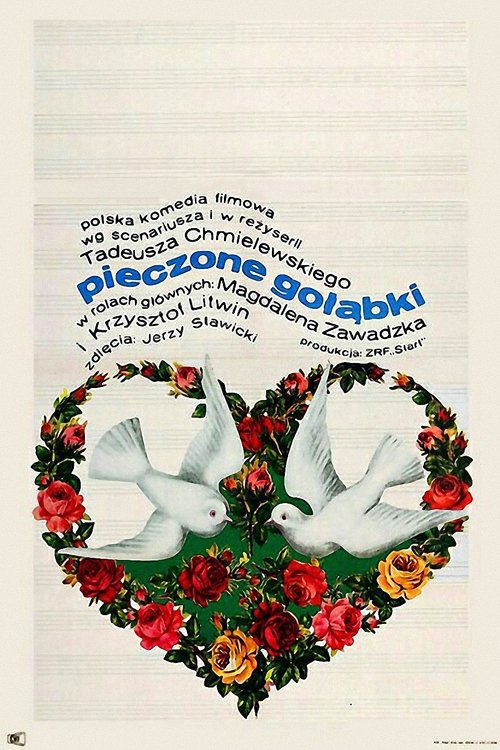
A young poet is hired to boost the morale of water pump workers.
A German woman on a ship returning to Europe notices a face of another woman which brings recollections from the past. She tells her husband that she had been an overseer in Auschwitz during the war, but she has actually saved a woman's life.
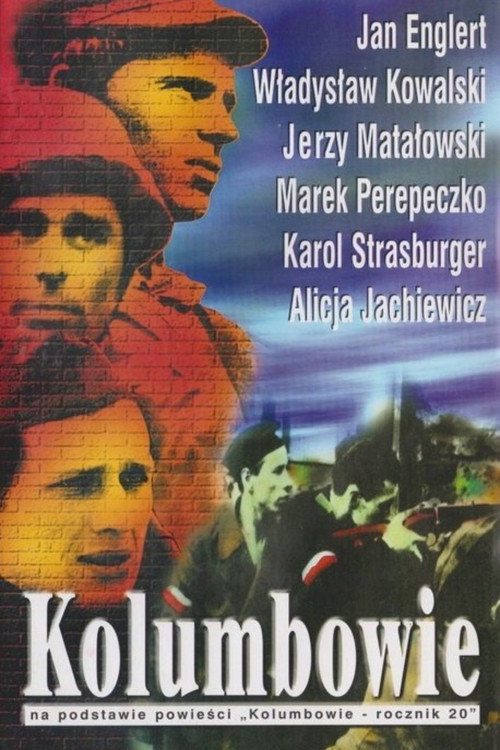
Kolumbowie follows a group of Polish resistance fighters during WWII in the days leading up to the Warsaw Rising.
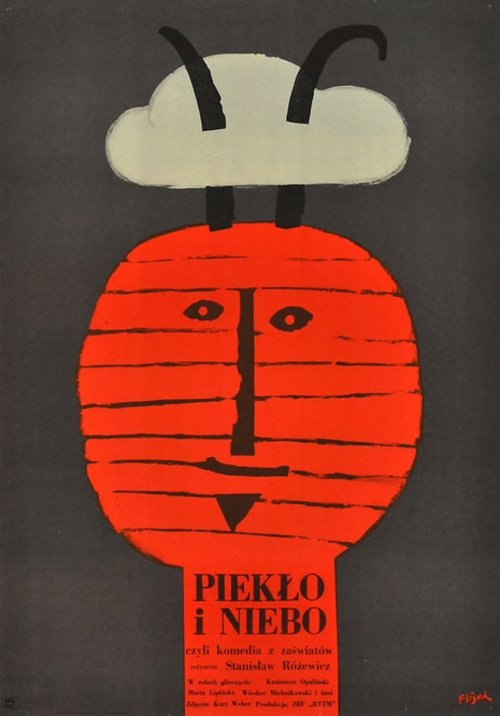
A bus crashes and its passengers find themeselves in the afterlife, which they find has the not only the same set of rules as Earth, but also the same bureaucratic chaos.
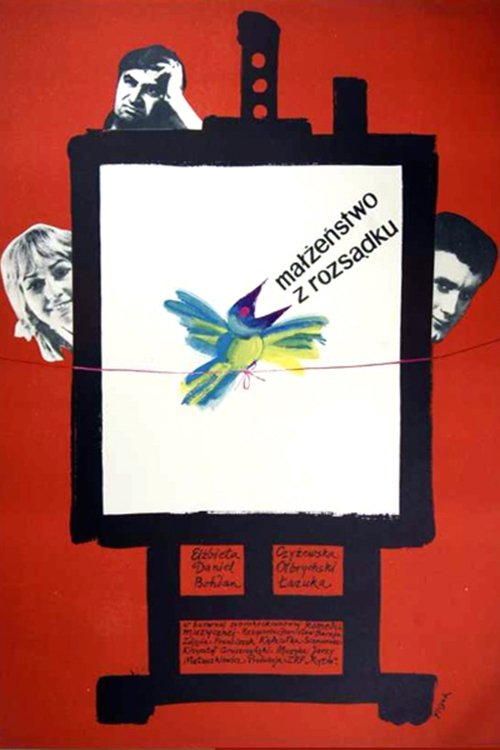
Joanna, the daughter of quite wealthy traders from the Różycki bazaar, is in love with Andrzej, a young, talented, but poor painter. However, the girl's father, Kazimierz Burczyk, decides to find a suitable husband for her himself. A shrewd tradesman, unwilling to disclose his income, searches for a candidate whose professional position would justify his possession of a villa, a car and many other material possessions. In the end, his choice falls on Andrew, who is unsuccessfully trying to sell paintings under the walls of Warsaw's Barbican.
The film shows Poland regaining independence in 1918 and the formation of the first government of the Republic of Poland.
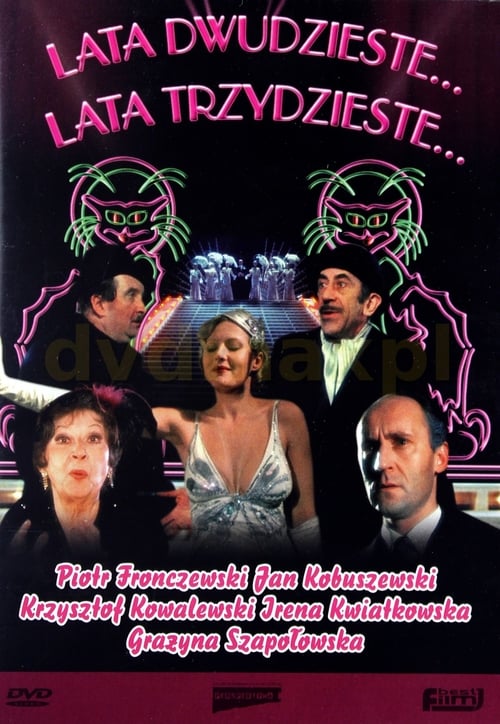
On the way to Warsaw after a crude oil fraud in southern Poland, conman Adam Deren meets singer Liza. He decides to invest his money in a venture deemed to be a failure - a small cabaret where Liza could perform.
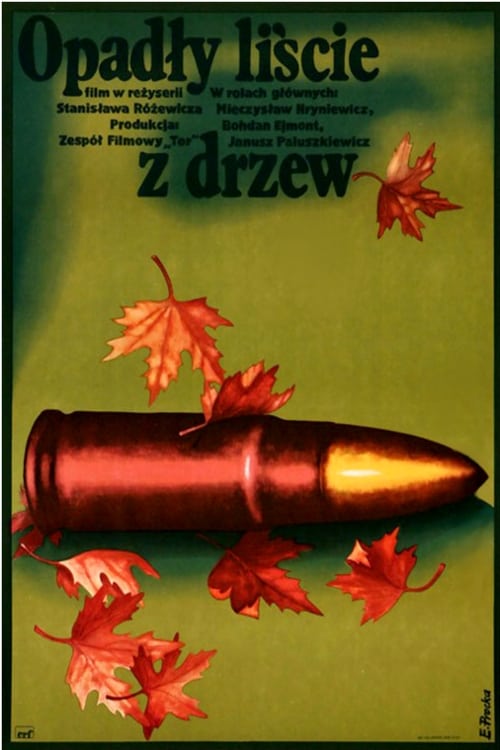
Two years after the war, during a train trip, Henryk (20) recollects the occupation period. He passes different train stations and recollects various situations from the past: his family life, working in a garage, guerrilla warfare, the fear that accompanied him every day. He’s looking at the travellers’ faces, including the ones who have survived the war.
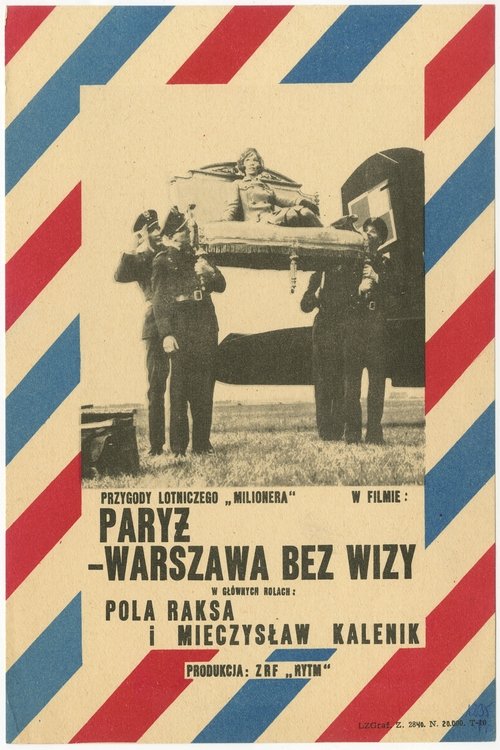
Pilot Stefan Janotta recalls the war and the years following, when he helped rebuilding Polish Airlines.
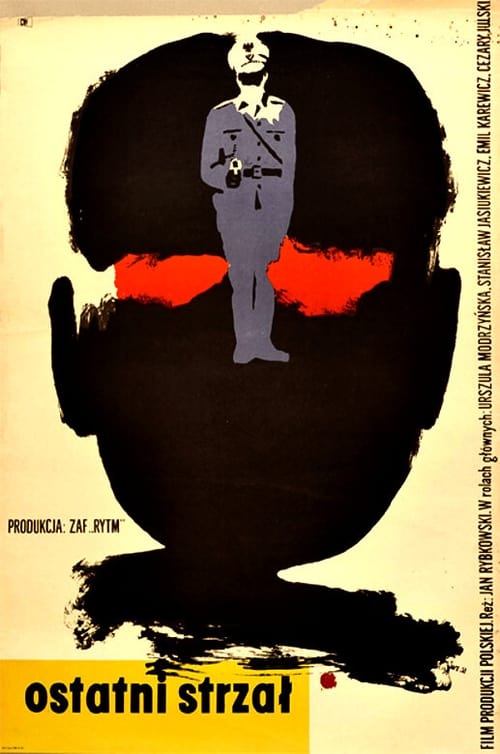
A former resistance fighter returns to his hometown after being imprisoned, bent on enacting revenge on the man that sent him behind bars.
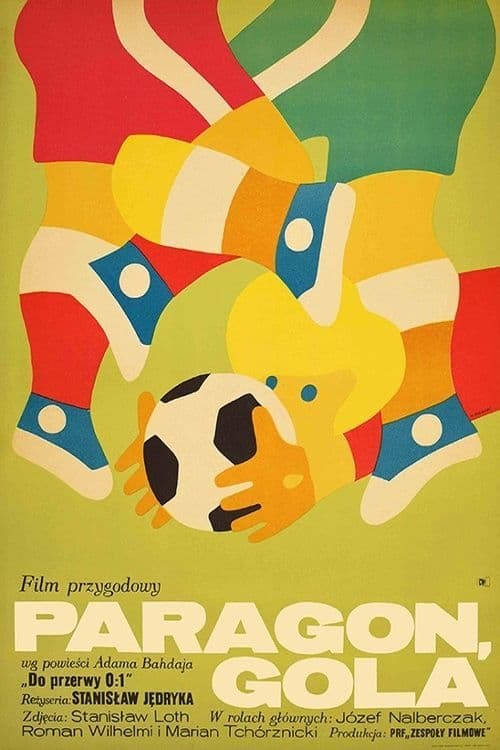
A funny story about a young soccer player nicknamed Paragon.
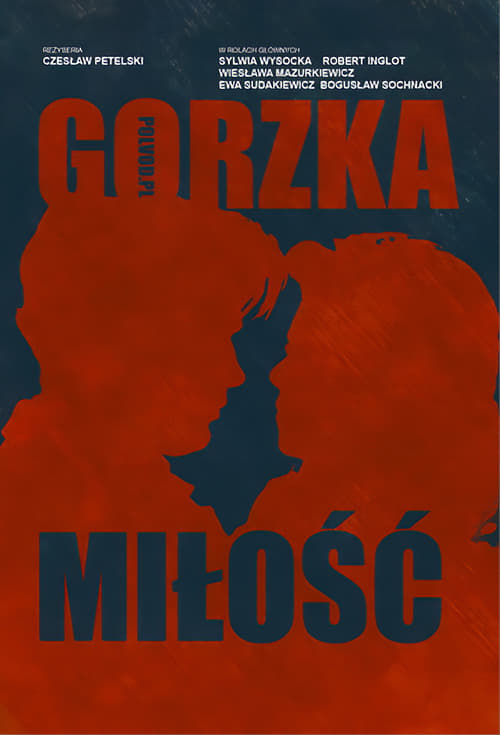
Poland, 1945. Crowds of repatriates are traveling from east to west in search of new homes and loved ones lost during the war. At one of the train stations, a young woman, Hanna Powiłańska, sits among the crowd of displaced persons. The girl recalls a story of turbulent love. Before the war, at a carnival ball, she met the handsome Lech Oleszkiewicz. In September, war broke out. Hanna meets the engineer again and spends the night with him. In the morning, the man tells her that he is married. Hanna breaks off the relationship.
Jerzy Szajnowicz-Ivanov, the son of a Polish mother and a Russian father, raised in Greece, reports to the Carpathian Brigade in the spring of 1941. While the Poles are wary of him at first, he proves his worth by taking part in several sabotage actions against the Nazis.
Kazmierz Dziewanowicz's hobby is very strange. He collects people who were born on the 29th of February. One day he sees that in his collection there are two men with the same name, the same birth place, the same date of birth and the same parents. In the middle of the night somebody kills him. The Intelligence Agency begins investigation.