
Szymon Szurmiej
Acting
Known For
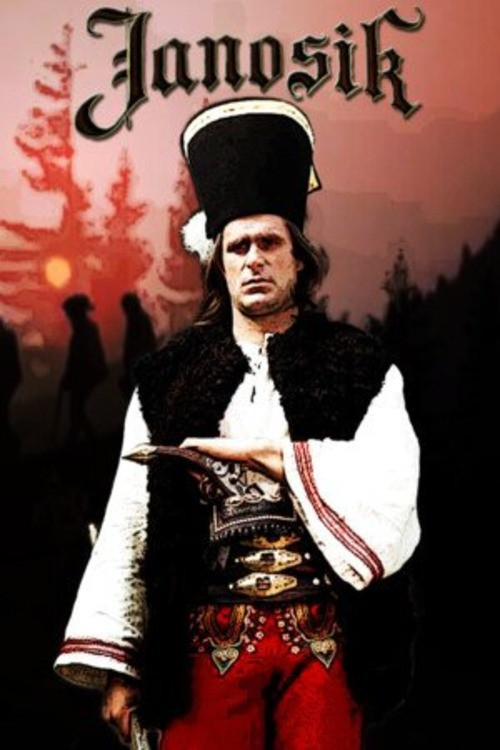
Janosik was a television series that aired in Poland in 1974. It is about a famous Polish highlander outlaw who in folk legends steals money and goods from the rich and helps out the poor. The series was directed by Jerzy Passendorfer. There are 13 1-hour episodes.
Janosik
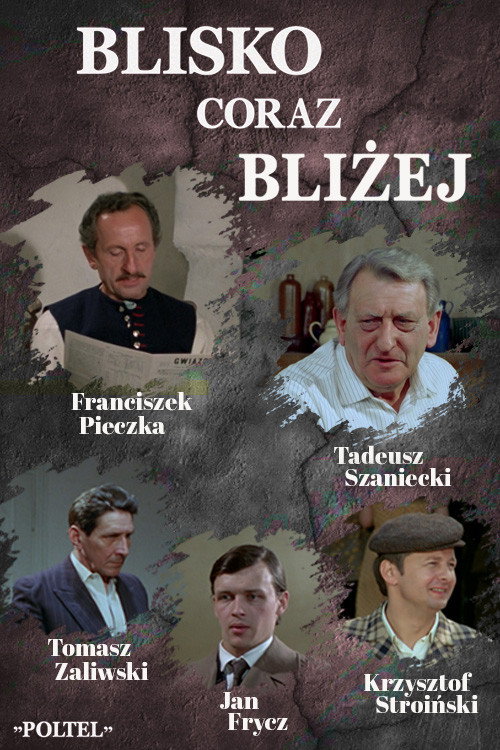
The story stretches from 1863 to 1945. Its main characters are representatives of the Pasternik family, who live in the fictional village of Wielowice near Pszczyna. The protagonist of the first three episodes is Franciszek Pasternik, the following parts tell about the fate of his many children and even more grandchildren. The viewer follows their history against the backdrop of great changes and historical events that influenced the lives of Silesian Poles. So there is the Kulturkampf, Prussian rugi, the revolution of 1905, World War I and the Silesian Uprisings.
Blisko, coraz bliżej
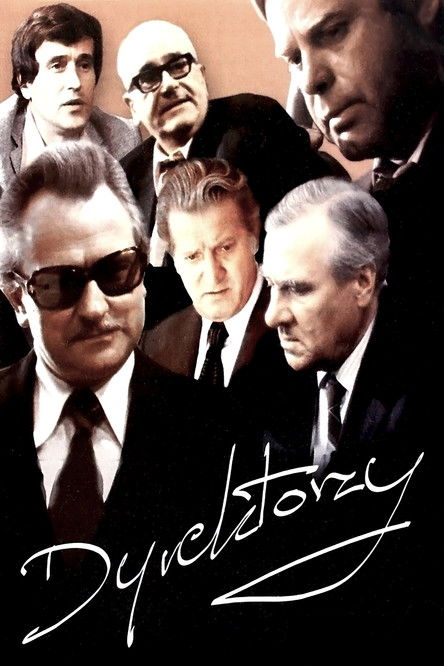
1957. Excessively high production standards imposed by the authorities result in the plan not being fulfilled, and the workers cannot imagine living normally without rewards and bonuses. A rebellion breaks out. Worker democracy wins – the working class elects a director from among its own ranks. He is an old locksmith with no managerial experience. Although he believes in the socialist spirit and has a communist past, he does not hold the position for long, as he makes promises too easily that he is unable to keep.
Dyrektorzy

During a pogrom in Poland on the eve of World War I, a group of Jews seek refuge from the Cossacks. The fugitives hide out in a rural inn, terrified that they may be given away at any moment.
Austeria
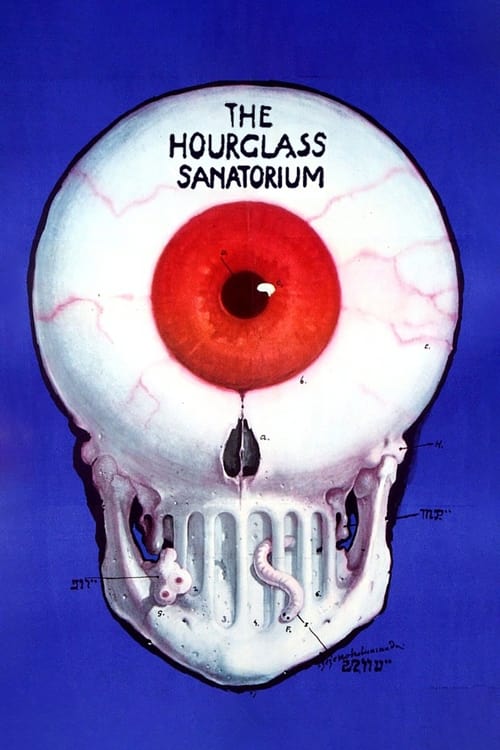
Jozef visits a dilapidated Sanatorium to see his father. Jozef undertakes a strange journey through the many rooms of the sanatorium, each which conjures worlds composed of his memories, dreams and nightmares.
The Hourglass Sanatorium

No description available.
Szaleństwa panny Ewy
A young doctor from the lower classes is helped in his career by a rich woman. When he comes back from study in Paris he takes a job at a watering spa. He comes up against the owners when he tries to help the poor.
Doctor Judym
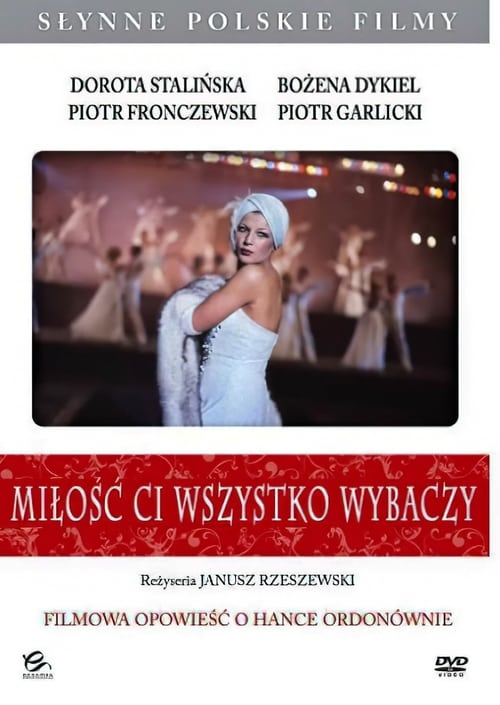
Hanka Ordonówna is a star of pre-war Polish cabarets. The film begins in 1942 in the Middle East, in a British military camp located near the front line. Hanka runs a shelter for homeless Polish children. In her moments of respite, the singer, who is suffering from tuberculosis, recalls the various stages of her career.
Miłość ci wszystko wybaczy
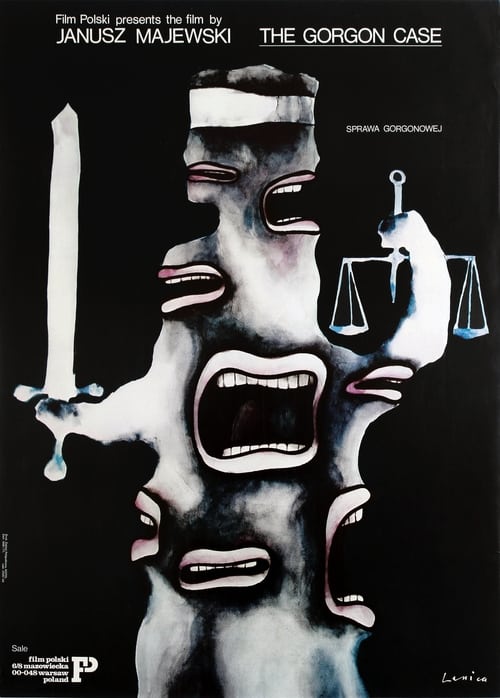
In 1931, just before the New Year, in a house of architect Henryk Zaremba scream rips the night. The daughter of Zaremba is found killed in her bedroom, obviously killed with a pickaxe. The police arrives and starts the investigation. Rita Gorgonova, the governess of the girl and also lover of Zaremba becomes the main suspect.
The Gorgon Case
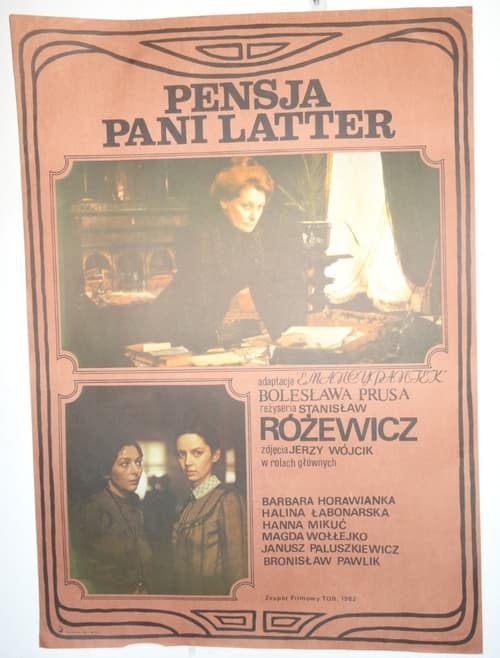
The action takes place in Warsaw in the second half of the 19th century. The main character is the head of the girls' school - Mrs. Emma Latter. Ms Latter is struggling with the financial problems of her institution, because the parents of the students are still in arrears with payments. In addition to professional problems, she is tormented by problems with adolescent children. All this causes Mrs. Latter to experience a mental breakdown.
Pensja pani Latter
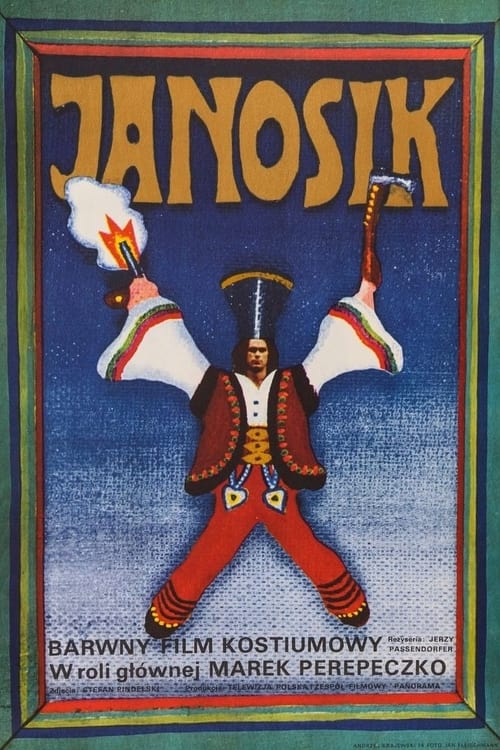
In the early 19th century, the legendary Tatra brigand Janosik defies the oppressive local nobility and Austrian troops by robbing the rich to give to the poor, becoming a folk hero among the peasants.
Janosik
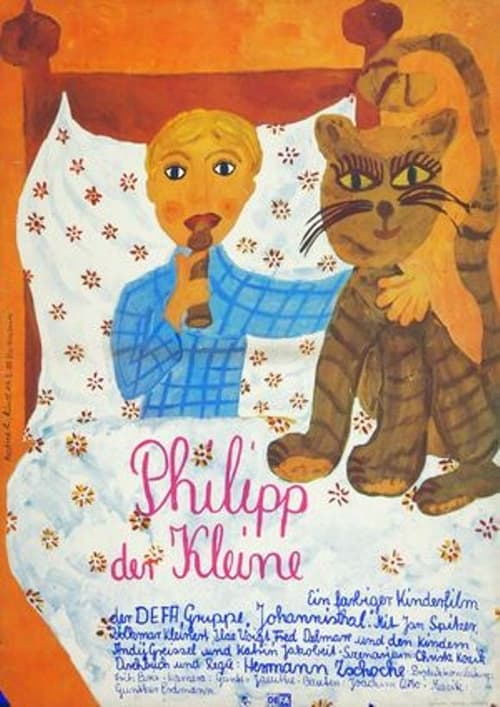
Philipp is a small boy, who other guys pick on, because he's not as large as them. But when a musician gives him a magical flute, he can make objects bigger or smaller.
Phillip the Small
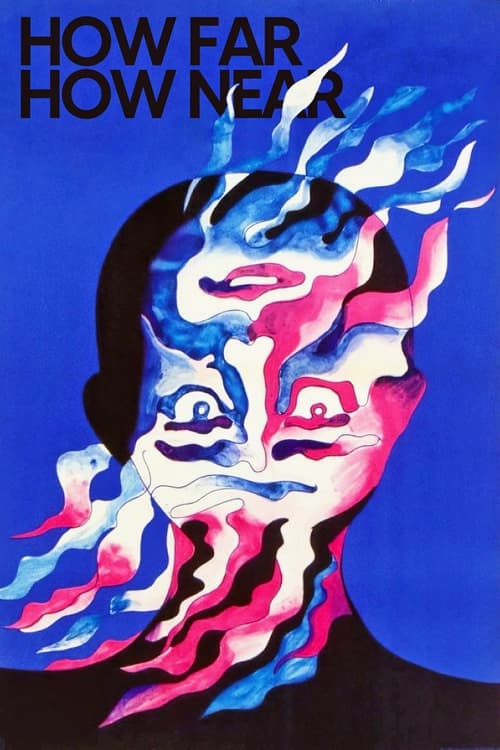
A middle-aged man sets out on a symbolic journey through past, present, and future to learn why an old friend committed suicide, and learns much about his own life along the way.
How Far, How Near
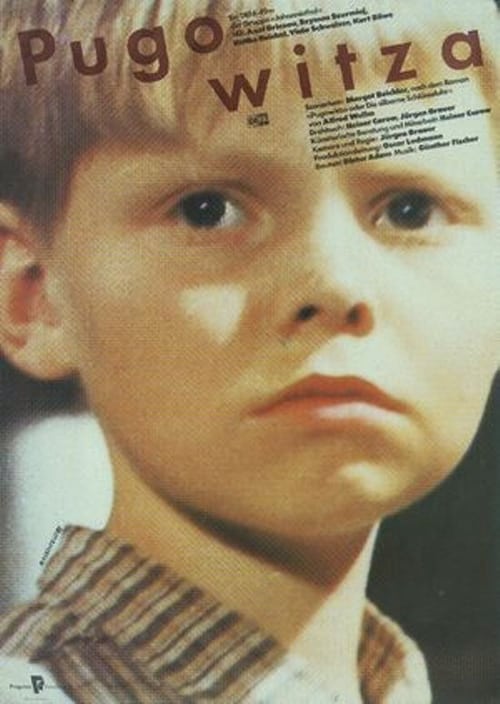
World War II is over and Heinrich, a young German boy, influenced by the Russians, starts to act according to Communist principles in a small German village.
Pugowitza
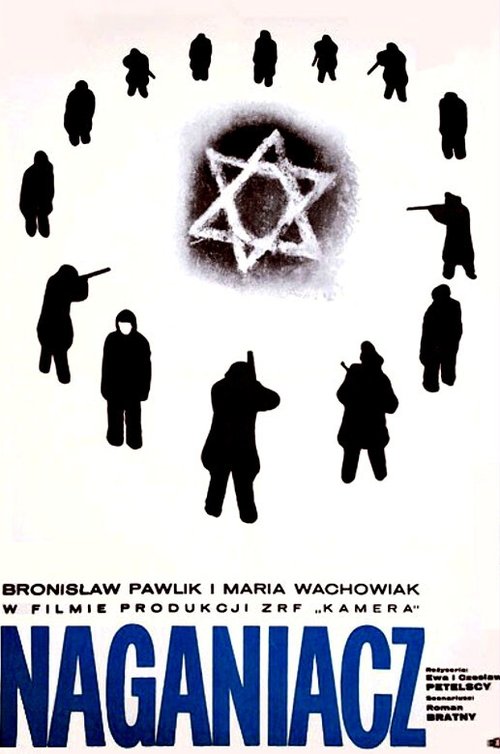
1945. Home Army soldier who hides in the village must decide if he wants to engage into dangerous situation to help group of Jewish runaways.
Manhunter
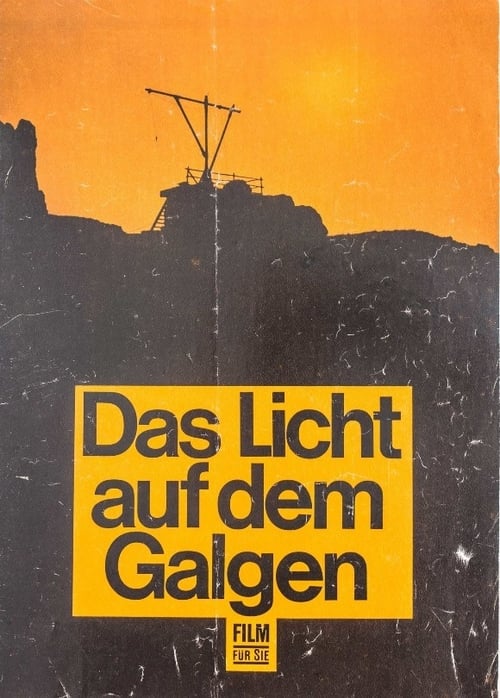
Europe in 1793. For years, England and France have been at war with each other. Now, France sends three men to the British colony of Jamaica to organize a slave revolt. The envoys are Debuisson, the grandson of a Jamaican rum manufacturer, who knows the island very well, his old friend Sasportas, and the sailor Galloudec. After having established contact with the fragmented rebel groups, they receive the surprising news of Napoleon′s takeover in France. Whereas Debuisson, who by now has gotten used to his role as a rich heir, wants to wait for new instructions from home, his companions are determined to press ahead with the revolt. When a slave kills a British guard, the situation escalates.
The Light on the Gallows
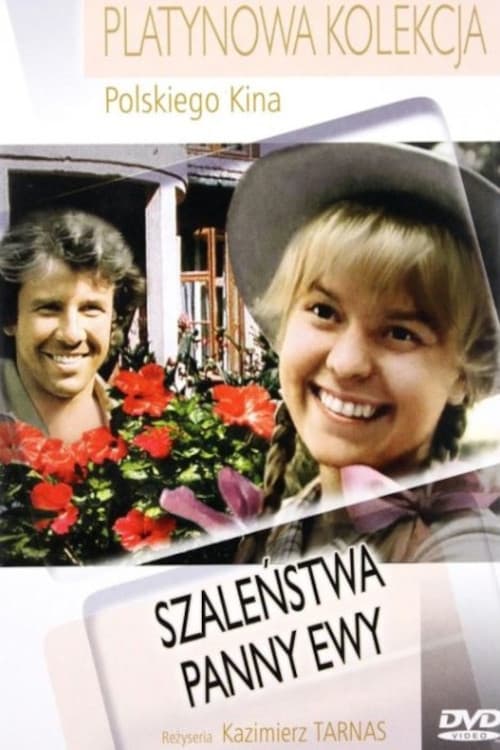
From the popular series of Polish books by Kornel Makuszynski comes this charming comedy following the misadventures of Ewa, who tries to right the wrongs of this less-than-perfect world.
Follies of Miss Eva
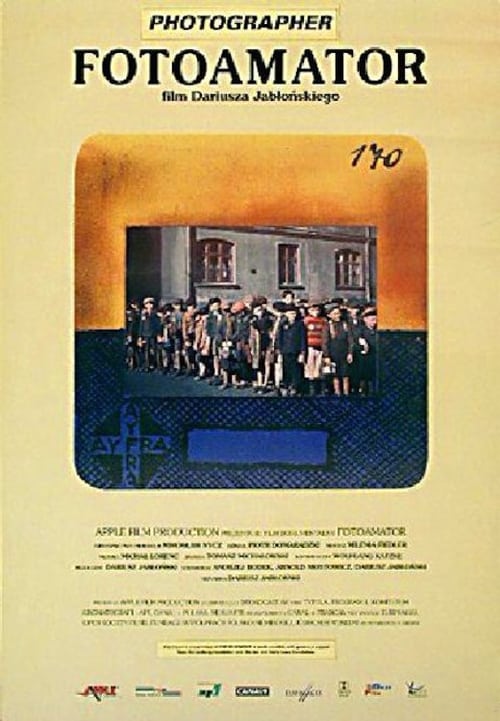
In 1987, colour slides were found in a second hand book store in Vienna which turned out to be a collections of photographs taken in the Lodz ghetto by the Nazis' chief accountant. Walter Genewein boosted productivity in the ghetto while keeping costs down, a policy which led to the Lodz ghetto surviving much longer than any other in Poland. He recorded what he considered to be the subhuman aspect of the Jewish workers and he was concerned only with the technical quality of his photos. Director Dariusz Jabłoński's prize-winning film uses the photographs in a different way. He recreates for us the suffering of inmates, giving a compassionate picture of that it was like to be trapped in the ghetto. (Storyville)
Photographer
After 50 years, Marek remembers his dangerous adventure as a five-year-old, when he and his friend Itzek left a Polish transit camp one night in 1942 – a few days before their evacuation to Auschwitz – to go get the toys they forgot at the ghetto. Based on Becker's personal memories and his 1980 short story "The Wall."
While All Germans Sleep
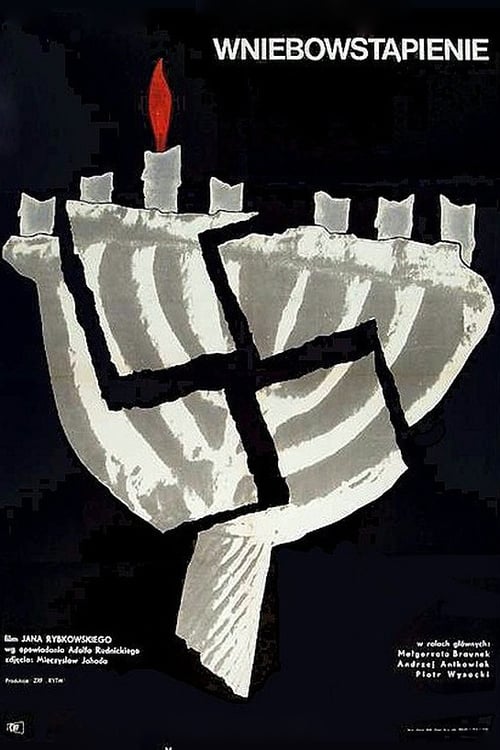
The strain of German persecution causes a mental breakdown in a young Jew, which prompts his wife to take desperate measures.