Acting
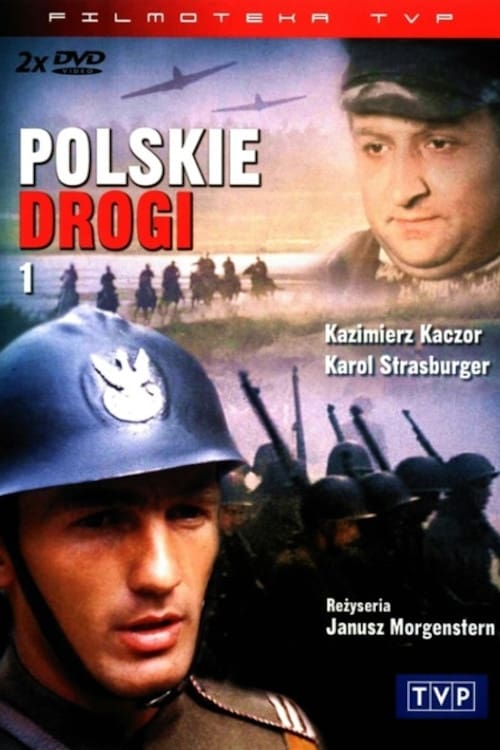
An epic, multi-threaded story about the fate of Poles during World War II. "Czas pogardy" was shown primarily from the perspective of two main characters - Lieutenant Władysław Niwiński and Leon Kuraś - a petty crook, but not without heroic traits. The authors of the series sought to show, in particular, everyday life under Nazi occupation in Poland.
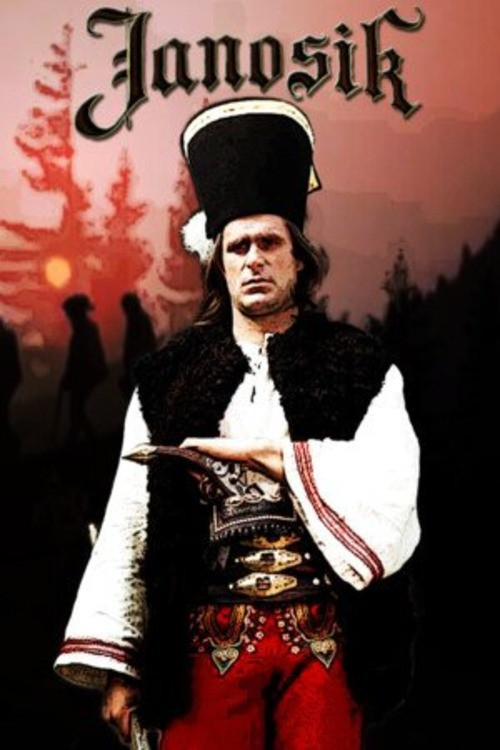
Janosik was a television series that aired in Poland in 1974. It is about a famous Polish highlander outlaw who in folk legends steals money and goods from the rich and helps out the poor. The series was directed by Jerzy Passendorfer. There are 13 1-hour episodes.
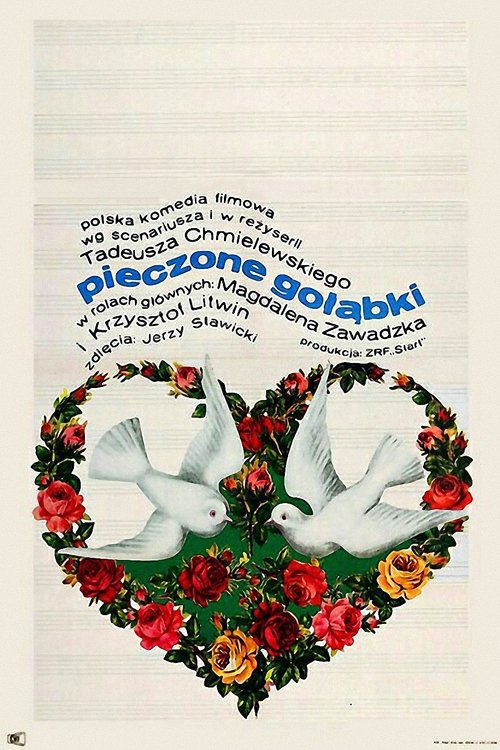
A young poet is hired to boost the morale of water pump workers.
No description available.
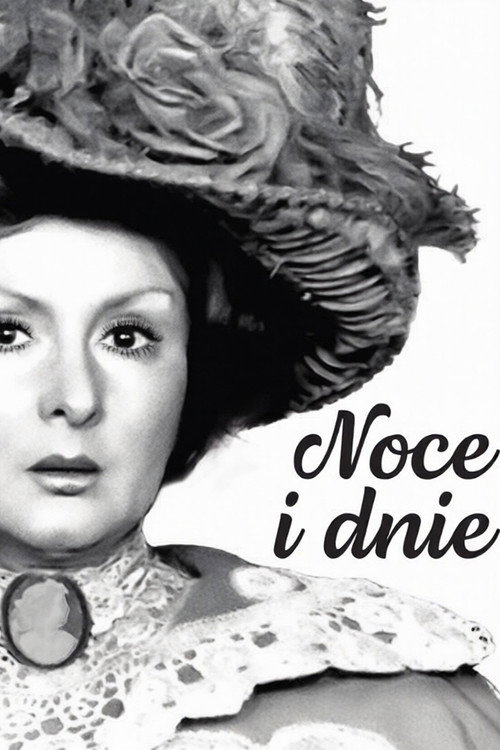
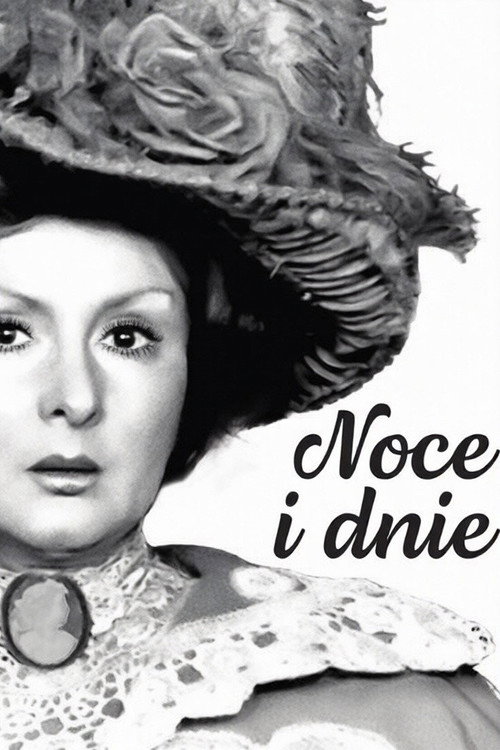
Set in the Kalisz Region in the second half of the 19th century after the failure of the January Uprising in 1863, the miniseries presents a unique portrait of an oppressed society as told through the life of the Niechcic family.
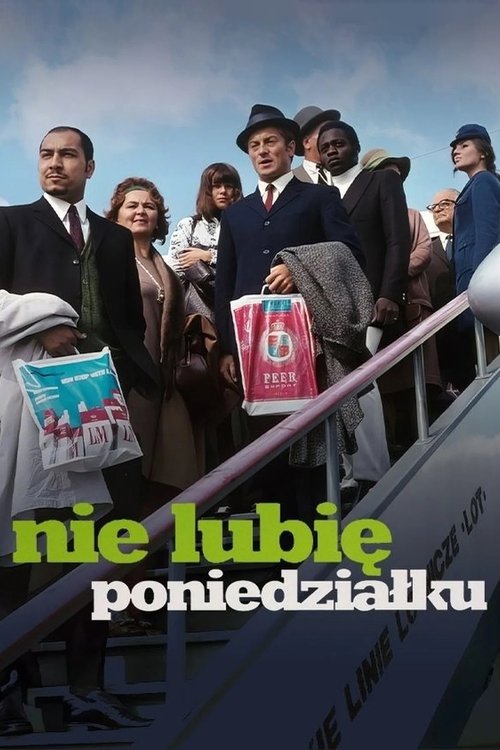
An acute case of Mondayitis in Warsaw. Interwoven stories of a few inhabitants of Warsaw, including one very unlucky Italian on a governmental mission and a charitable Polish American.
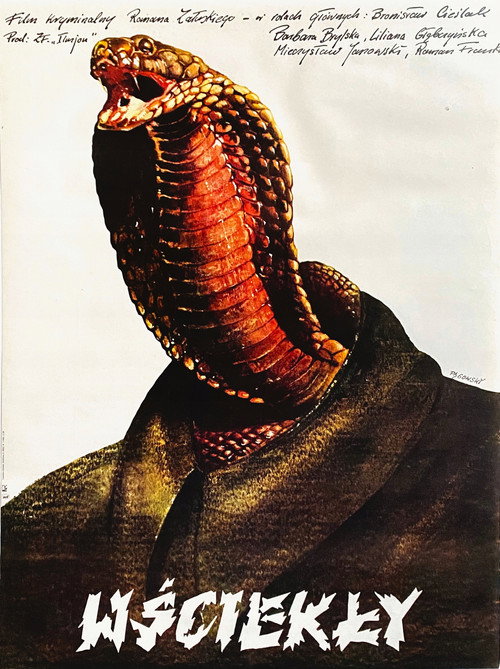
Detective thriller about a killer loose in the crowds. The film follows a sniper on his rounds looking for victims, while a police inspector, with few clues in hand, has to figure out the motive for the killings as well as who the psychopath is and where he might strike next. He uncovers that the mentally deranged sniper can't stand seeing people happy together in public places.
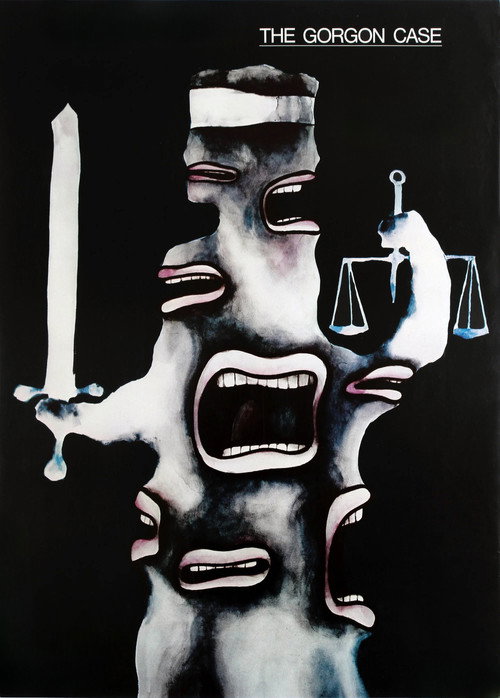
In 1931, just before the New Year, in a house of architect Henryk Zaremba scream rips the night. The daughter of Zaremba is found killed in her bedroom, obviously killed with a pickaxe. The police arrives and starts the investigation. Rita Gorgonova, the governess of the girl and also lover of Zaremba becomes the main suspect.
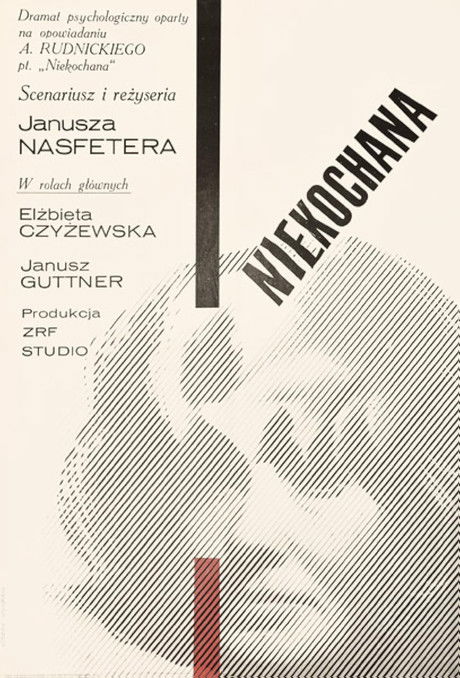
A young nurse only has one ampule of medicine. She is faced with the dilemma of which of the two patients to save.
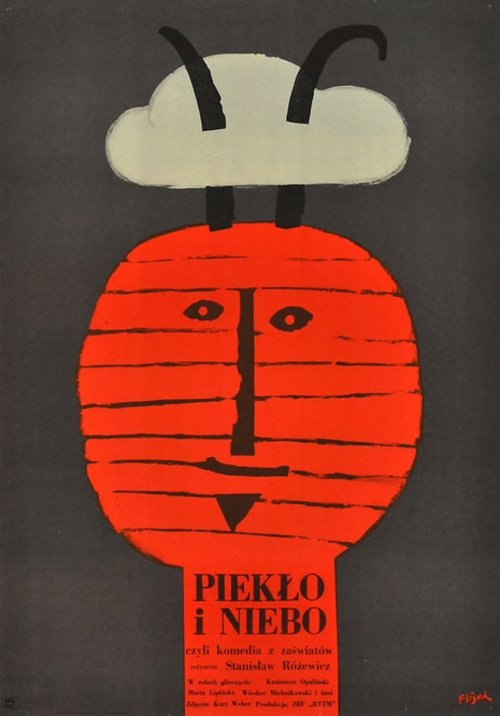
A bus crashes and its passengers find themeselves in the afterlife, which they find has the not only the same set of rules as Earth, but also the same bureaucratic chaos.
The story of the tumultuous relationship between a Jewish girl called Noemi and a Polish art student named Kamil is set at the outbreak of World War II.
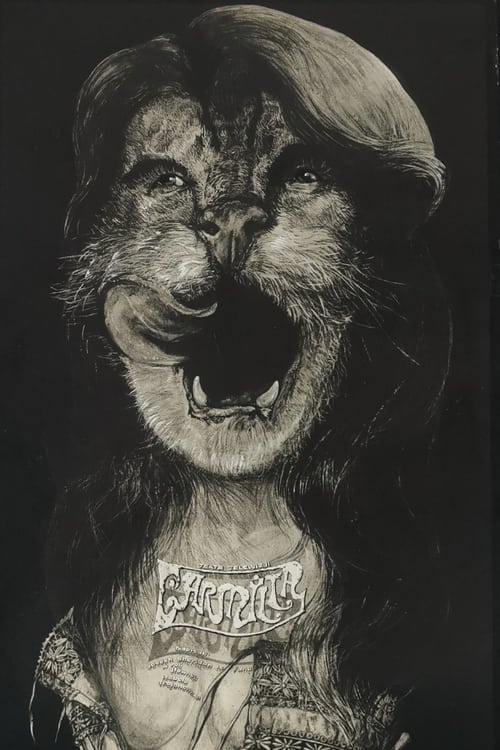
In 19th-century Styria, isolated Laura's quiet life is upended by the arrival of mysterious, beautiful Carmilla, a female vampire with whom she develops an intense, homoerotic bond. As Laura's life slowly drains, themes of forbidden desire, identity, and the supernatural are explored, culminating in Laura's discovery of Carmilla's vampiric nature and a confrontation with her ancient lineage.
Two years after the war, during a train trip, Henryk (20) recollects the occupation period. He passes different train stations and recollects various situations from the past: his family life, working in a garage, guerrilla warfare, the fear that accompanied him every day. He’s looking at the travellers’ faces, including the ones who have survived the war.
The 1937 trial of communist journalists, working for the same student magazine in Vilnius, is shown through the tragic life of the paper's young collaborator Julek Szulc.
A Silent broad comedy about upper class life
The miners of one of the mines in Zagłębie Dąbrowskie receive news about the planned layoffs. The miners decide to organize a strike. One of the local MPs is trying to prevent this from happening. The French mine owner makes a dangerous decision - he orders the miners to work in an area at risk of fire. An explosion occurs unexpectedly. The miners lynch Coeur, and their demonstration, in which they carry the bodies of the victims of the crash, is brutally suppressed by the police.
A family saga of Barbara Ostrzeńska-Niechcic and Bogumił Niechcic against the backdrop of the January Uprising of 1863 and World War I. The film is a rather straightforward and faithful adaptation of a novel by Maria Dabrowska with the same title. The plot is woven around the changing fortunes of a noble (upper-class) Niechcic family in the pre-WWI Poland. There are two main crossing threads: a social history one and an existential one.
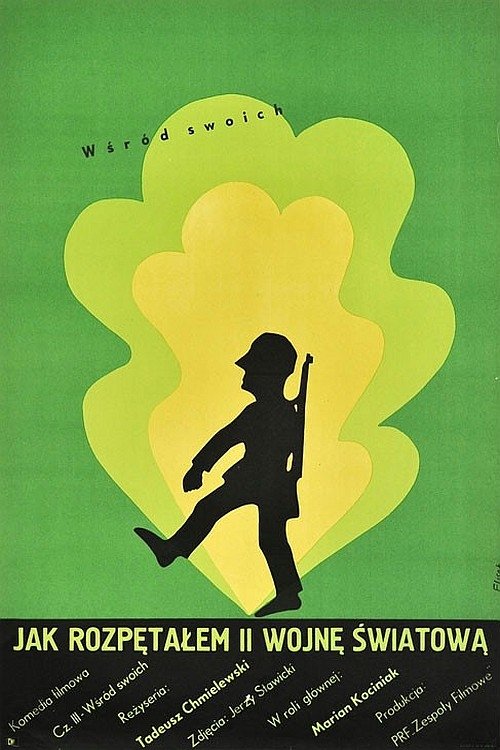
Disguised as an Italian medic, Dolas finds himself on a ship evacuating wounded Axis soldiers to Italy. He leaves the ship disguised as a Nazi soldier, but is found out, declared a deserter and sent to the Eastern Front. However, on the flight to Russia, he is able to escape with a parachute, and finds himself back in Poland, now occupied by Nazis.
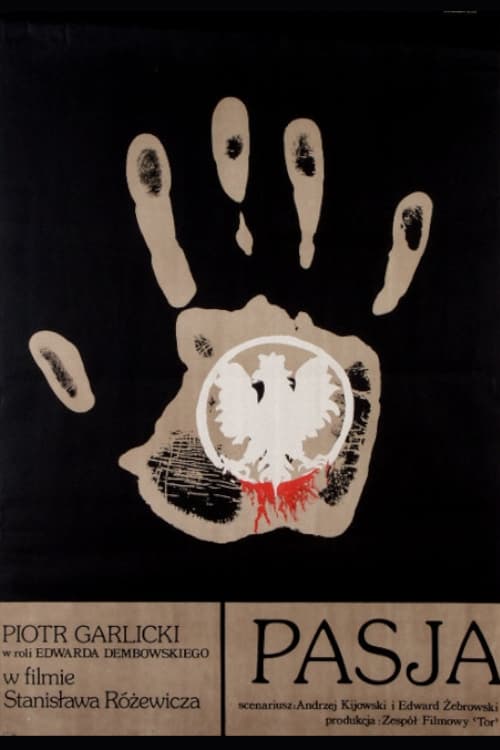
The last days in the life of Edward Dembowski (1822-1846), the organizer of the Kraków Uprising in 1846. The informal leader of the uprising, determined to fight for the unification of Polish lands and the liberation of the peasants, negotiates with other politicians.