Acting
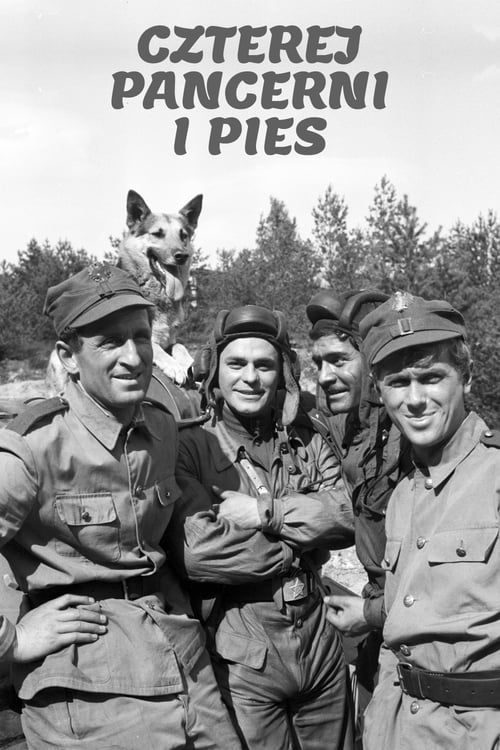
Czterej pancerni i pies was a Polish black and white TV series based on the book by Janusz Przymanowski. Made between 1966 and 1970, the series is composed of 21 episodes of 55 minutes each, divided into three seasons. It is set in 1944 and 1945, during World War II, and follows the adventures of a tank crew and their T-34 tank in the 1st Polish Army. Although both the book and the TV series contain elements of pro-Soviet propaganda, they have achieved and retain a cult series status in Poland, Soviet Union and other Eastern Bloc countries. The T-34 tank Rudy with the identifying number "102", a German Shepherd dog from Siberia Szarik and to a lesser extent the crew Jan Kos, Gustaw Jeleń, Grigorij Saakaszwili, Tomasz Czereśniak, and their commander and mentor Olgierd Jarosz, as well as other heroes of the series, have become icons in Polish popular culture.
Children of the Leśniewski family decide to help their mother in daily chores so she can have more time for herself.
No description available.
A young museum worker sets out to find a treasure hidden in a small town.
A young poet is hired to boost the morale of water pump workers.
Two friends from army meet in a harbour and start to reminisce about their adventures.
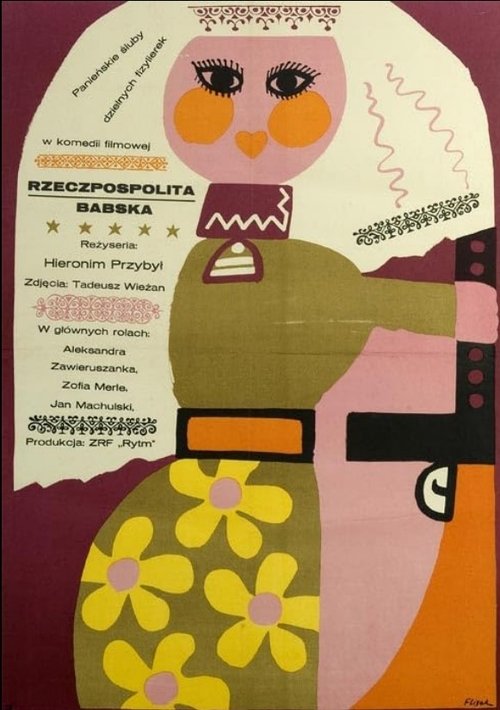
After the end of World War 2 a division of female soldiers settles down at Recovered Territories and make an oath to never enter into relationships with men, which may prove difficult, because male soldiers have also made their home nearby.
A dream-like meditation on post-industrial life in Communist Poland.
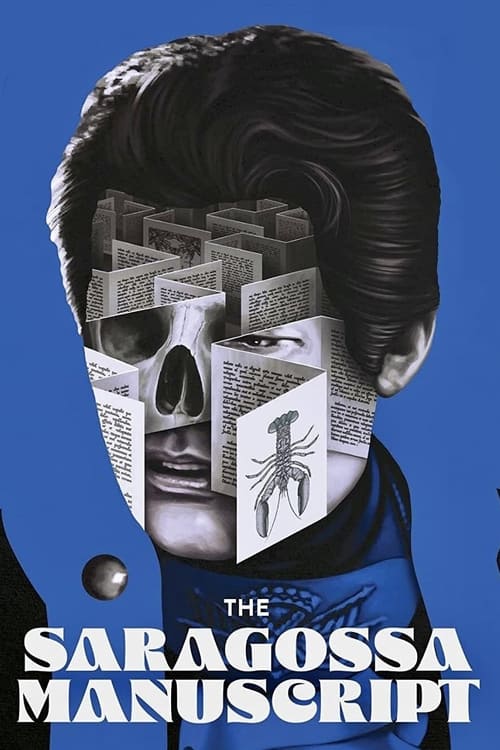
During the Napoleonic wars, a Spanish officer and an opposing officer find a book written by the former's grandfather.
A staging of William Shakespeare's tragedy, directed in 1969 by Andrzej Wajda. The roles of Macbeth and Lady Macbeth are played by Tadeusz Łomnicki and Magda Zawadzka - actors who at that time gained popularity in the series "Pan Wołodyjowski". This perverse use of the artists' images by the director was intended to serve an interpretation of the tragedy that emphasizes Shakespeare's question: where does evil in man come from?
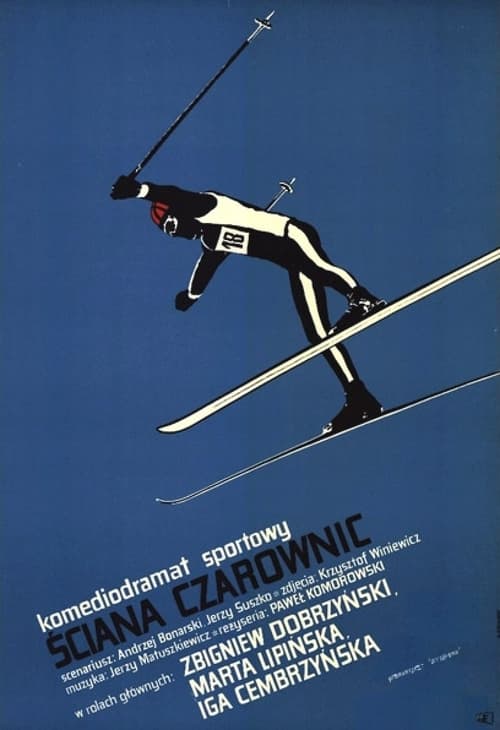
A brilliant but undisclipined ski jumper prepares for an event while also trying to win a beautiful singer's heart.
An actress travels from Warsaw to Paris and during the trip reflects on the last few years of her life. It goes back to the German occupation and her hiding of a fellow actor who has supposedly killed a collaborator.
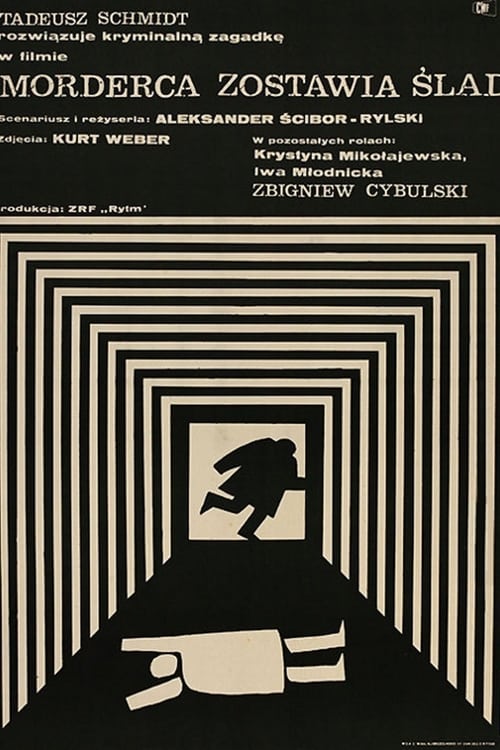
In the last days of WW2, Polish military looks for the murderer of prosecutor responsible for storing Gestapo files.
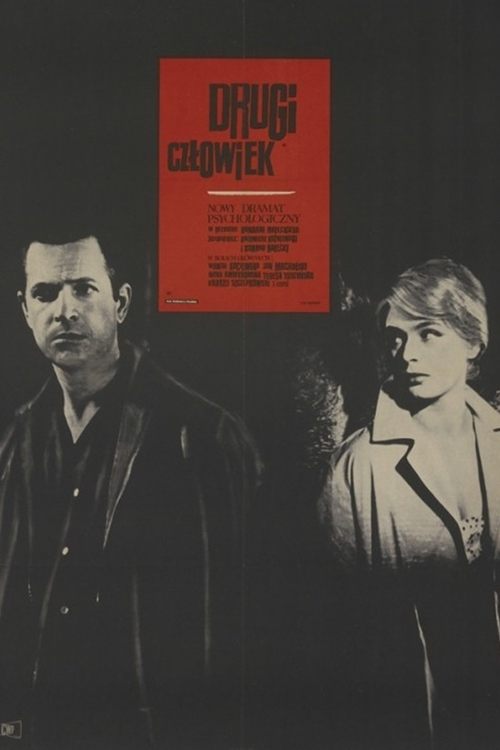
A man just released from prison protects a woman from a group of thugs while on his way home.
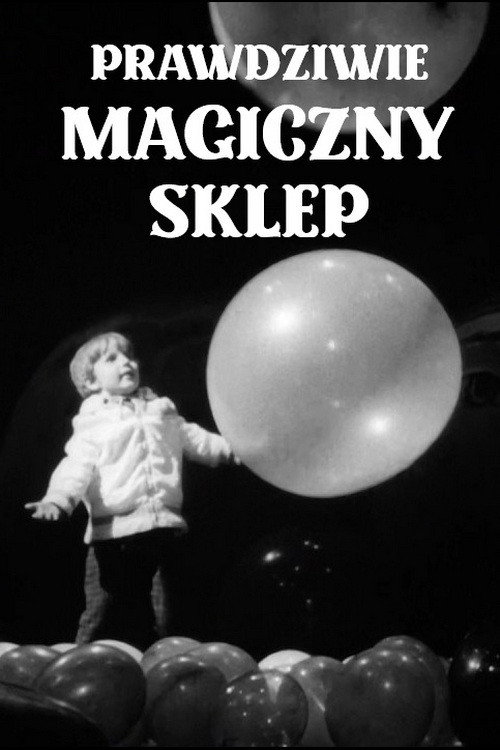
A father takes his son to a truly magical toy store.
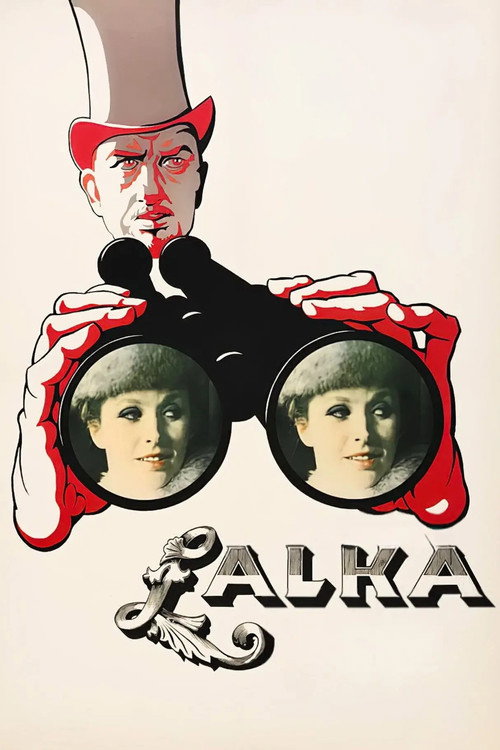
Set in the 19th century Warsaw. The indolence of aristocrats who, secure with their pensions, are too lazy to undertake new business risks, frustrates Wokulski. His ability to make money is respected but his lack of family and social rank is condescended to. Because of his "help" (in secret) to "the doll's" impecunious but influential father, the girl becomes aware of his affection.
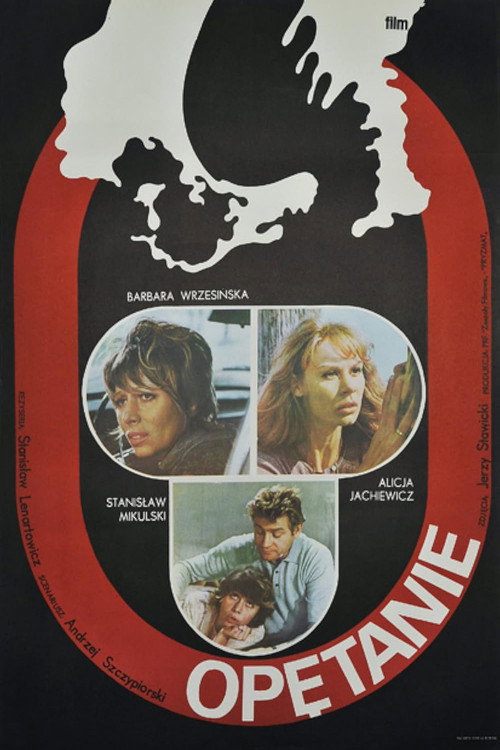
A married couple is unsuccessfully trying to have a child. The woman decides to bring her husband closer to another woman.
Three stories describing the life of the inhabitants of Warsaw, each set in a different time period.