
Mirosława Marcheluk
Acting
Known For

Two scientists are chosen as guinea pigs for a time experiment: they are placed in hibernation and should be brought back to life after three years. In the meantime, however, World War III breaks out and life has been wiped off the surface of Earth. When they wake up, it turns out that not only 50 years have passed but also that they are the only living specimens of the male sex in a new, underground society composed exclusively of women.
Sexmission
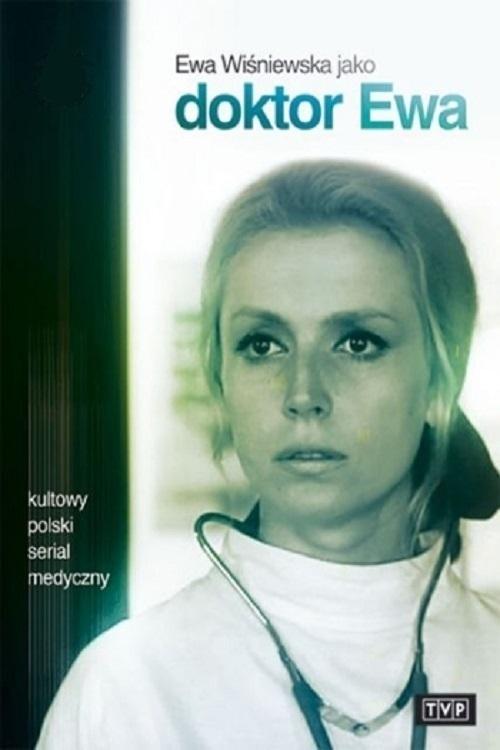
Doctor Ewa Lipska, an attractive young woman just after graduation, with interesting professional prospects for the future, chooses the job of a village doctor. Brought up in a big city, she settles in the small town of Międzybórz in the Łódź Province. She is forced not only to overcome the daily difficulties resulting from medical practice in a rural health center, but also to learn to talk to people of a different mentality and gain the trust of her patients.
Doktor Ewa
The series evokes the events of 1900-35 - from the reign of Emperor Wilhelm II, through World War I, the birth of the Independent Poland, the Silesian Uprisings, to the increasingly turbulent period of the rising tide of fascism. The action takes place mainly in the palace of the Dukes of Pszczyna, where the last great descendant of the von Teuss family resides. Prince Hans Fredrich marries the beautiful Englishwoman, Princess Daisy, and has three sons with her. Their fate, the choice of completely different life paths and even different nationalities reflect the enormously complicated mutual relations between the Polish and German elements in the border areas.
Biała wizytówka

The Tiger - a forty-year-old film director - uses life by sprinkling it generously with alcohol and cocaine. The problem is that when hangover is left as the only companion in life.
How to Deal with a Hangover
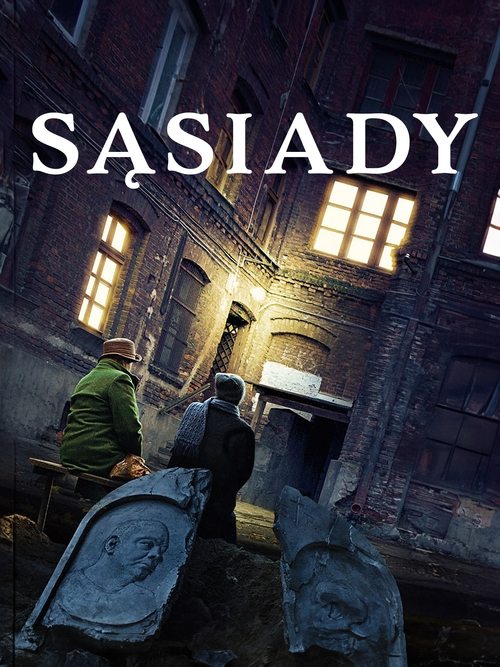
Ogrodowa Street in Lódz - just opposite a crowded shopping center, a state-of-the-art museum and a posh hotel - is where some of the city's poorest live, completely forgotten by the world. A heart-warming and funny portrait of people excluded from the mainstream of social life; people who might be more capable of sacrifice and love than those who pushed them to the sidelines of society.
Neighborhooders
Marta is coming to Warsaw to study. Due to lack of money, she begins to work in a cafe.
Dziewczyna z Mazur
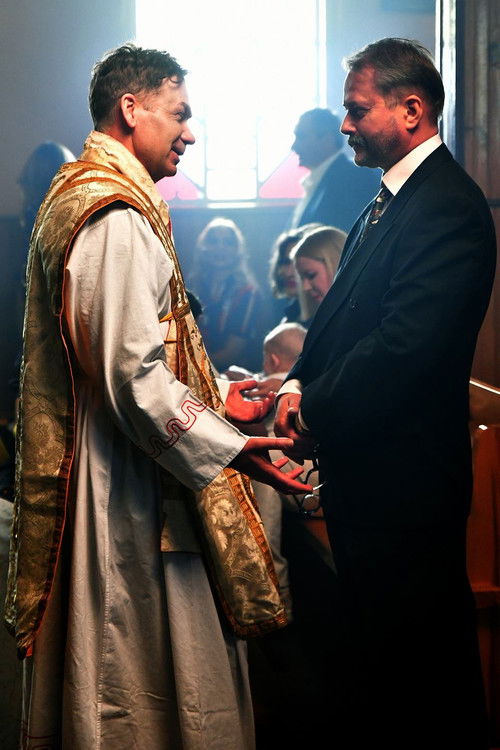
In 2011, a psychiatric patient is visited by a postulate. The patient is a retired head of the "D" Group – a secret department of the Security Service to fight against the Polish Catholic church. Murders, beatings, blackmails, provocations, robberies, those are standard methods of operation for its officers. The postulate wants to unravel the mystery of the death of priest Roman Kotlarz, a parish priest from Pelagow.
Clergyman
A brave little girl along side her sidekick chicken, a robot and a soldier go on a adventure in a stop-motion fantasy land to overthrow the evil Troll king and bring peace to the land.
Mamo, czy kury potrafią mówić?
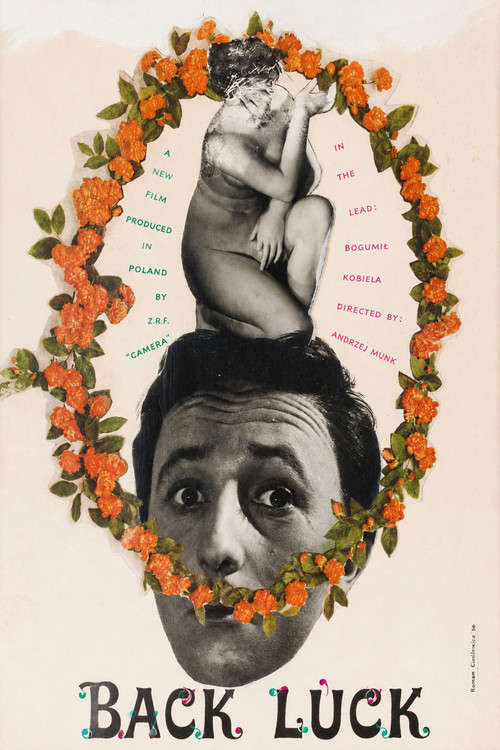
To convince the prison warden against releasing him, a middle-aged Polish man recounts his life, one he considers to have been characterized by exceptionally bad luck.
Bad Luck
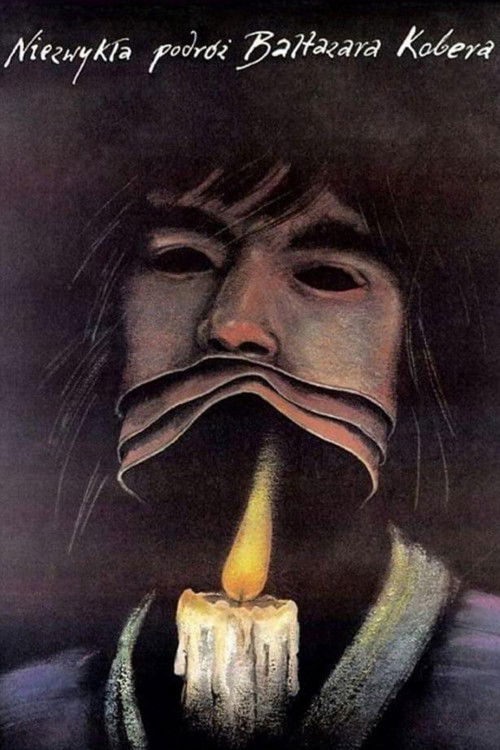
Story about the young Balthazar thrown from one remarkable event to the other. On his way through a plague hit the landscape, he meets the Kabbalists, priests - and himself.
The Tribulations of Balthazar Kober
Poland under Stalinist rule, 1953. A young nun Anna is brought to a prison where an influential priest is kept in. She discovers the priest is the man she loved a few years before. Communist authorities try to make her spy on him now.
Temptation

Polish-born Russian subject Cezary Baryka comes of age during a tumultous period of ten years from 1914 to 1924, during which he witnesses revolution, rebirth of Poland, war with the Soviets and communist plots.
Przedwiośnie
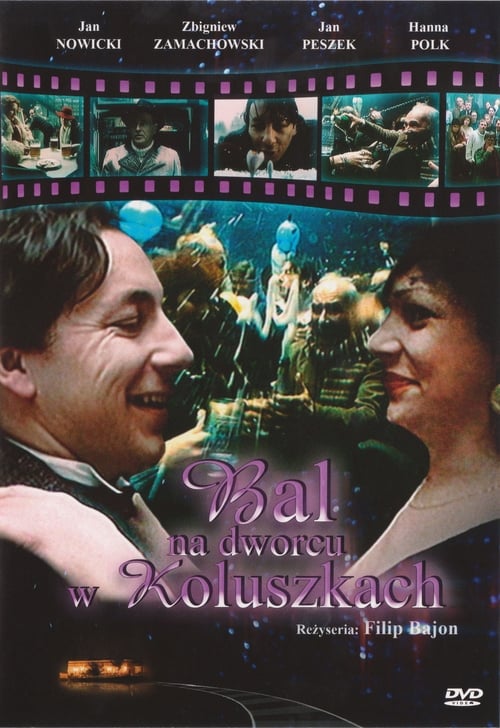
During the "winter of the century," impatient passengers wait for the train to arrive at the station in Koluszki. Railway communications are disrupted. At the same time, a train is stuck in snowdrifts near Koluszki. The atmosphere in its carriages is cheerful. Some passengers, who are in a hurry to connect to other stations, get off and walk to the station in Koluszki. Among them is Andrzej Roszak, a young man rushing to Warsaw, and probably his peer Basia. Shortly after them, Mr. Walerek, a political activist who was on his way to a ball at the Central Committee, Mr. Rozbicki and his wife, who had just returned from a contract in Iraq, Matyjak, a television star, journalist Przoniak, and others arrive at the station in Koluszki. At the deserted station, the passengers efficiently organize a New Year's Eve party. During the revelry, the participants gradually reveal their hidden complexes, frustrations, and hopes.
Bal na dworcu w Koluszkach
The film is a continuation of the 1984 film I died to live. Leopold Wójcik, faking his own death, returns to the underground. Unlike the previous part, the fate of the heroes is a fiction - a variant of events that could have taken place. The film had a sequel: Born for the Third Time (1989).
Po własnym pogrzebie

Set during the insurgency of 1863, the story focuses on a tragic romance between a poor gentlewoman and a rebel noble. After a bloody battle a unit of insurgents have been wiped out and only one survived, but badly wounded. He eventually finds shelter and care from a landsteward's daughter, hiding in a burned-out manor with an old servant.
The Faithful River
A lonely Piotr Płaksin, who makes a living from part-time jobs, lives his dreams of a trip to the Easter Islands on a self-built yacht. One day a man learns that he has become a father.
Córka albo syn
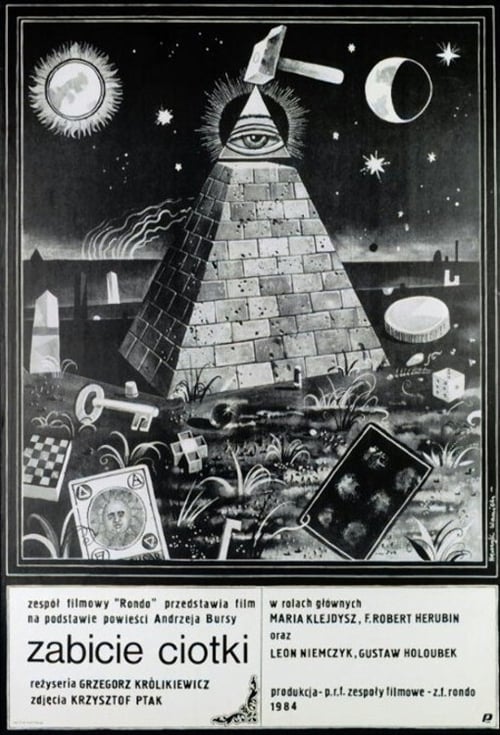
A grotesque fairy tale of fantasies in a 21-year old's mind. First he confesses to a priest about killing his aunt. Then he is sending parcels from the post office. Just when it appears that he is going to be arrested, the aunt appears alive and well from her trip. This time though, he decides to go for it...
Killing Auntie

Michal Szmańda suffers from epilepsy, depression and other conditions. He is cared for by his sister Aniela. The only bright ray in her life is the "garden" arranged in the kitchen. They do not live with their mother. When they were children, and this was in Stalinist times, the mother was a labor leader. Possessed by the new ideology, she neglected the house and children. When little Michael was sent to a sanatorium, his mother did not visit him at Christmas. This caused trauma for the rest of his life.
Wahadełko
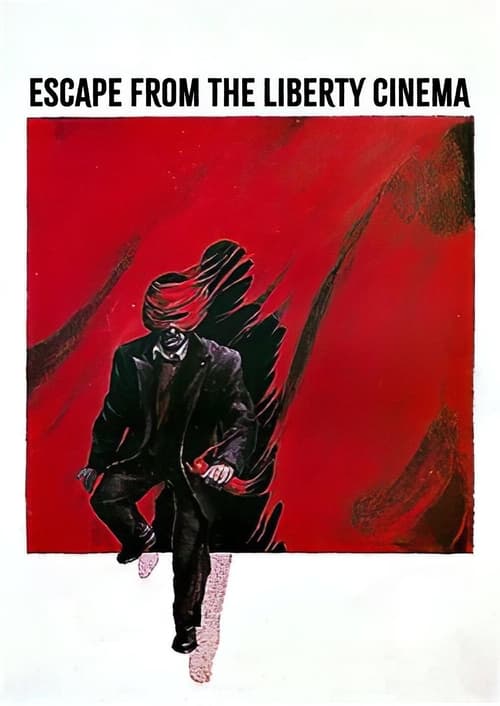
The screening of a movie "Daybreak" at the "Liberty" Cinema is interrupted by an unusual event - actors come to life on the screen, start conversations among themselves, draw the audience into them. Crowds gather around the cinema, the relevant authorities and services wonder what to do in this complicated situation. Also arriving is the censor, a man reaching his fifties, a one-time literary critic and journalist. The line between fiction and reality begins to blur.
Escape from the Liberty Cinema
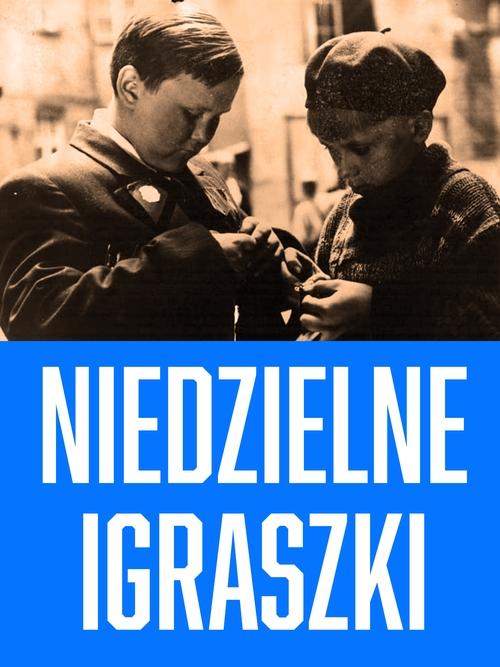
A chilling tale about kids playing in a bombed-out Warsaw courtyard on the day of Stalin's death, while their parents are away at the church or a memorial procession.