Directing
Story of a tragic love triangle that develops between a mother daugther and a farmhand. A good-looking widow lives alone on a farm with her teenage daughter. Their neighbor occasionally helps them in the farmwork. He would have eventually married the mother, but the daughter tries to seduce him at all costs. He becomes the lover of both women, but eventually runs away leaving the mother shattered and the daughter pregnant.
A lonely writer meets the woman of his dreams, but she marries another.
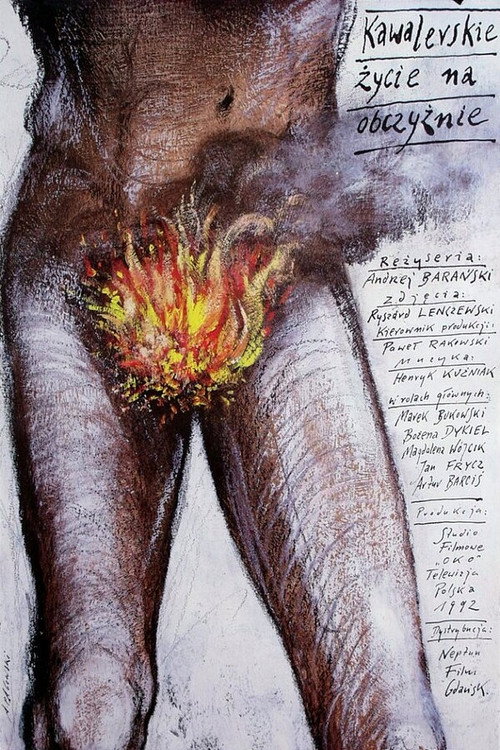
The action is set in the early 20th century. The film is made up of six sequences. In the first, Michal, young man who came from Poland to Germany, enrolls in a course on how to behave in social situations and on etiquette. However when he tries to approach girls using the rules which he's been taught... he only makes a fool of himself. Then, he goes to work for a man who owns a carousel and who loves to chase other women. In the next sequence, Michal meets the divorced landlady, Mrs. Luther, and goes through a whole lot of erotic experiences. When he escapes exhausted from his landlady, he starts working in a mine and visits brothels on a regular basis. He looks on women in a totally cynical manner. However, his persistent wandering must finally result in a true love.
An elderly couple living in a quiet town receives news that their only son has arrived.
Andrzej Strumiłło's reflections about his life and work.
A grotesque about avid smokers, unable to quit their addiction.
Poland in the mid-1970s. In a small town, the student theater is preparing its premiere.
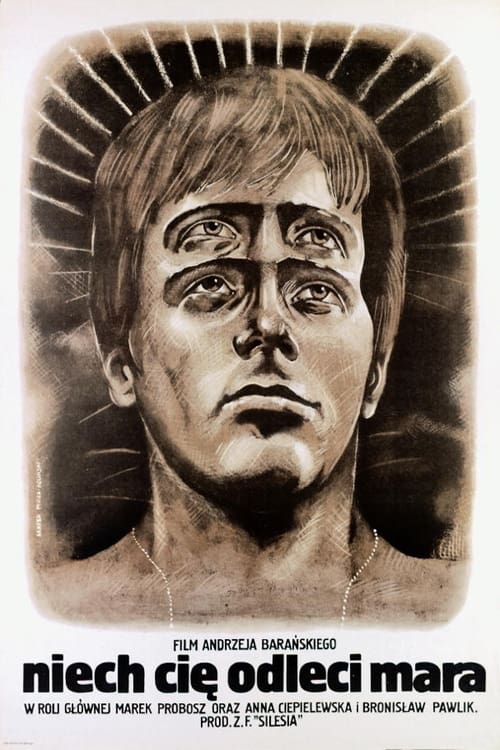
A teenage boy attempts to define himself and answer the most important questions troubling him.
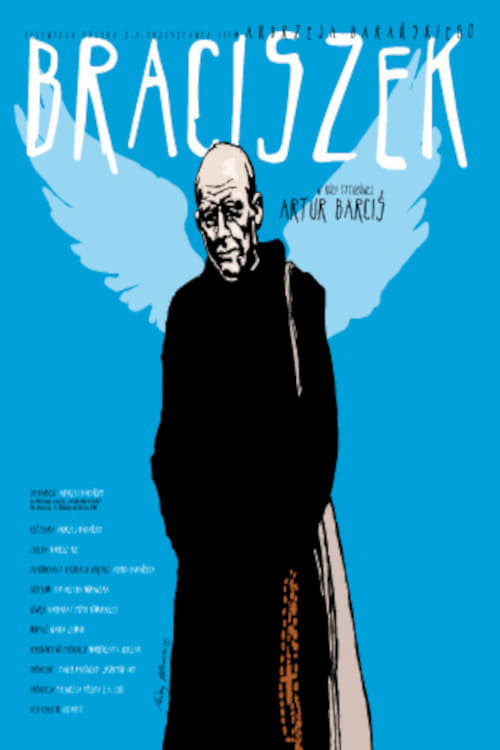
A film based on real events about the art of passing, goodness and mercy... The titular Little Brother is based on Alojzy Kosiba, "Alojzeczek" - a fundraiser and almoner who lived in the years 1855-1939. A monk approaching the end of his days wants to save a young boy's life before his earthly farewell.
The content of the film is a set of reflections of the author reflected in unusual combinations of trick shots based on the principles of geometric division of the frame. People and the city walls around them, their everyday life presented in an unusual way, create conditions for personal perception of the film by each viewer individually.
Panoramic view of a resort town in the summer of 1930. In seventeen episodes we get a glimpse at the microcosm of its colourful inhabitants and visitors, Poles and Jews, the high society and the desperately poor.
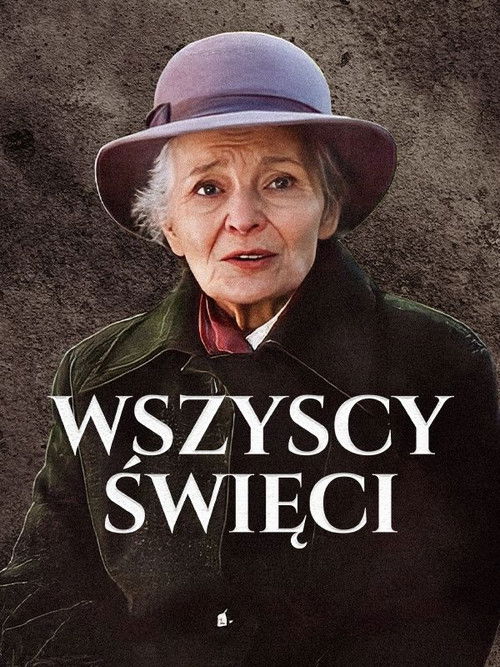
As every year, the celebration of All Saints Day brings Polish families together at the graves of their loved ones. On this special day Maria, 80-year-old widow, visits the graveyard with her son, his wife and their children.
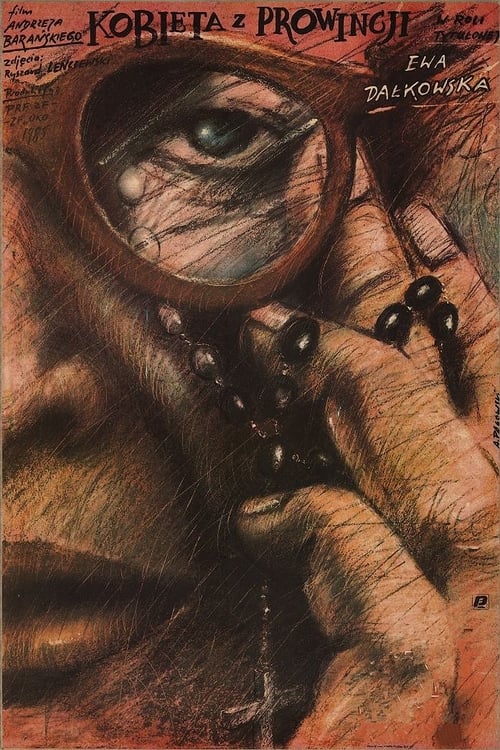
Sixty-year-old Andzia has lived in a small town since birth. She is married to the owner of an apartment building. She marries him at the age of 50. Before that, she raised two children alone. Andzia is a simple woman and does not see the banality of her daily existence. In her fifties she is a dishwasher in a restaurant. She desires to marry her daughter and strives for her growing son to get a profession. Small savings give her the greatest satisfaction. During the occupation, she works for the Germans in a soldier's kitchen.
A group of soldiers attempt to hit a specific target using a cannon.
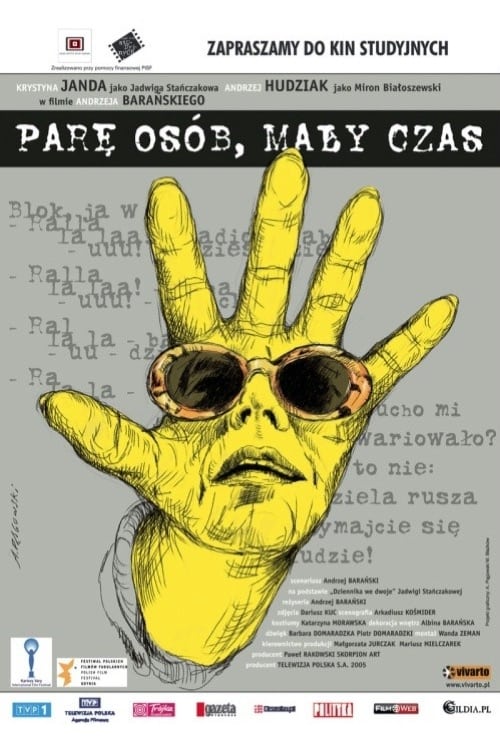
The unusual bond between a blind female writer and an acclaimed poet changes their lives and forms an exceptional creative cooperation, free of politics and the complexities of mundane life.
No description available.
Różewicz's play from 1968 is rather a dramatized picture, closer to the open formula of poetry than to the traditional dramatic structure. This is an important voice of a poet concerned about the future of the world. The drama shows a civilization threatened with extinction, dominated by consumerist ideals, mental emptiness, disappearance of authorities and moral decay. The title character symbolizes life, energy and the immutability of the basic laws of nature. In Barański's staging, he moves in a wheelchair. The piece consists of two parts. The first takes place in a botanical garden, the second in the scenery of a huge junkyard, which symbolizes modern civilization.
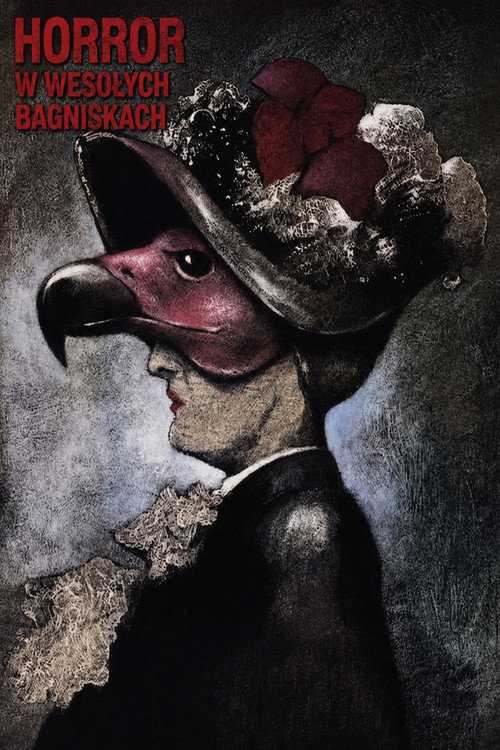
A grotesque story about a polluted area where gas leaking from a swamp causes noses to drop off.
1950, a small town in Poland. Not the best times for shop owners like Jozef Piasecki - obstacles from authorities, restricted wholesale supplies. Moreover, he constantly argues with his son, the 17 year old Witek. Witek experiences love for the first time. This should be a time of great excitement for him, but Witek, being rather anxious about the future, becomes an example of a youth generation growing up under the long shadow of Stalin.