Acting
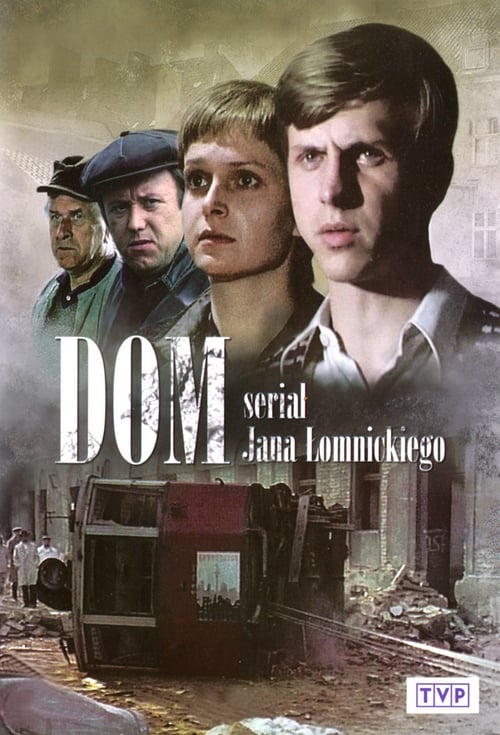
The story of the residents of a tenement house on Złota Street in Warsaw from 1945 to 1980.
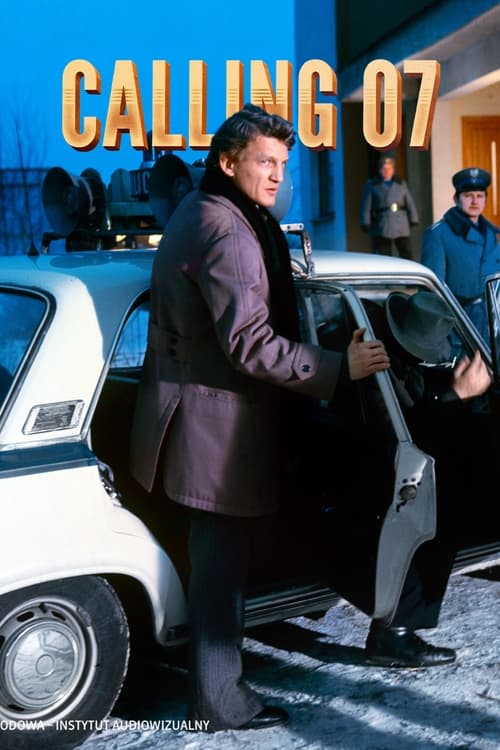
The series centres around the investigations of Police Lieutenant Sławomir Borewicz. Each episode features a different case being solved by Borewicz.
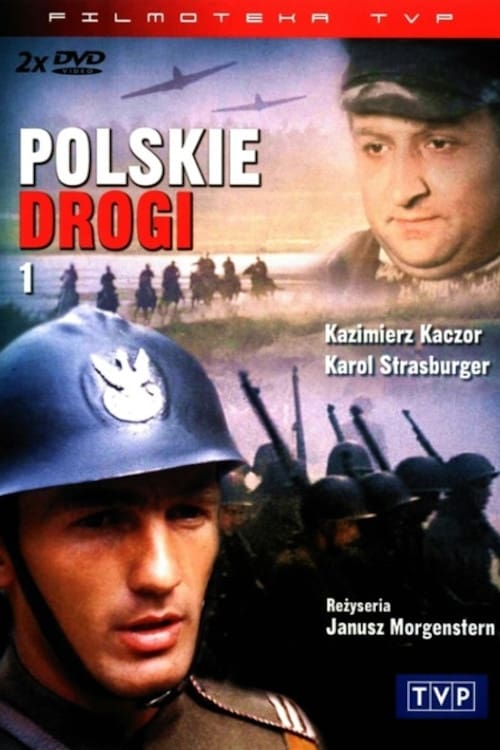
An epic, multi-threaded story about the fate of Poles during World War II. "Czas pogardy" was shown primarily from the perspective of two main characters - Lieutenant Władysław Niwiński and Leon Kuraś - a petty crook, but not without heroic traits. The authors of the series sought to show, in particular, everyday life under Nazi occupation in Poland.
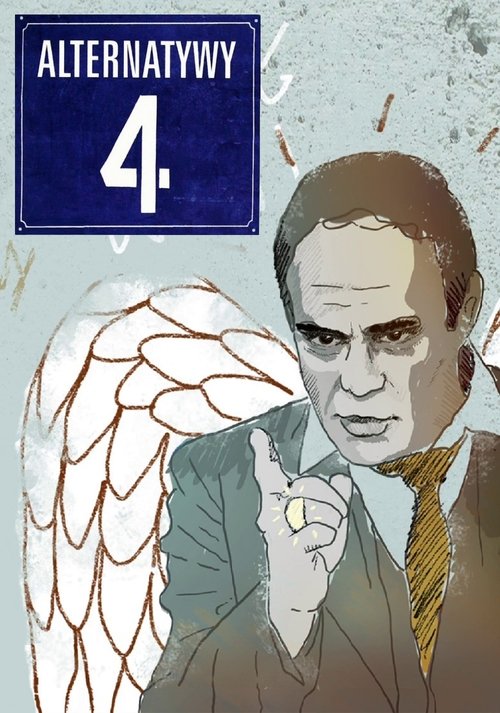
4 Alternative Street was a Polish comedy TV show that was finished in 1983 and aired in 1986 due to censorship. Many famous Polish actors appeared in the series. The filming location used in the mini series was a residential complex which is still in existence at 3 Grzegorzewska Street in Warsaw, Poland. The series was a satire to the communist rule in Poland, spoken in a way that it passed through communist censorship office.
No description available.
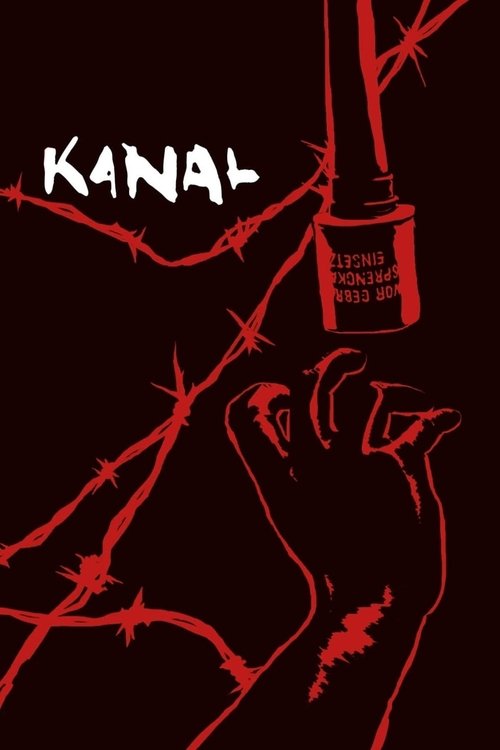
In the last few days of the Warsaw Uprising during World War II, a modest group of Resistance members remains. The band must take refuge in the sewers under the orders of leader Zadra, but it's only a matter of time before they will have to emerge. However, when they try, they are met only with intense hostility from the Nazis. Despite their attempts stay resolute through immense mental strain, it becomes increasingly apparent that they may be doomed.
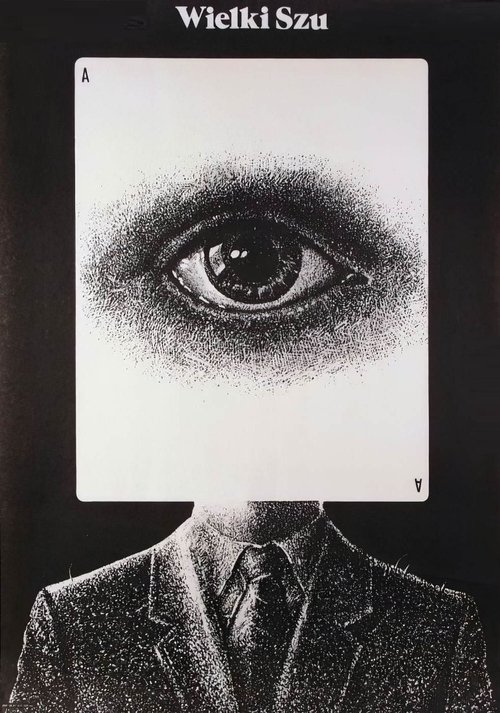
Fresh out of prison, a seasoned poker hustler finds himself teaching the trade to a young cab driver chasing his first big win.
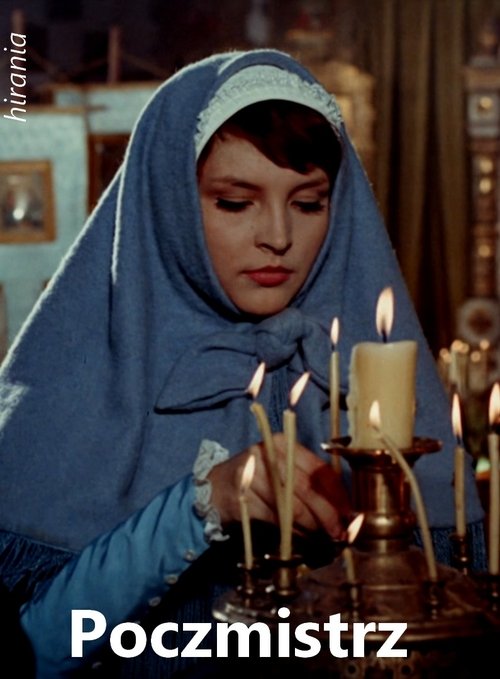
Post clerk's young daughter runs away from home with a tsarist officer.
The writer Jan Kellert - the author of the widely known book "The Legend of the Vistula", which is part of the canon of pre-war middle school reading, comes from Lublin to Żmurki, where he spent the occupation. The division of the Żmurki estate is to take place the next day. The welcome dinner becomes an opportunity to exchange political views and a critical view of the manor's inhabitants on the current situation.
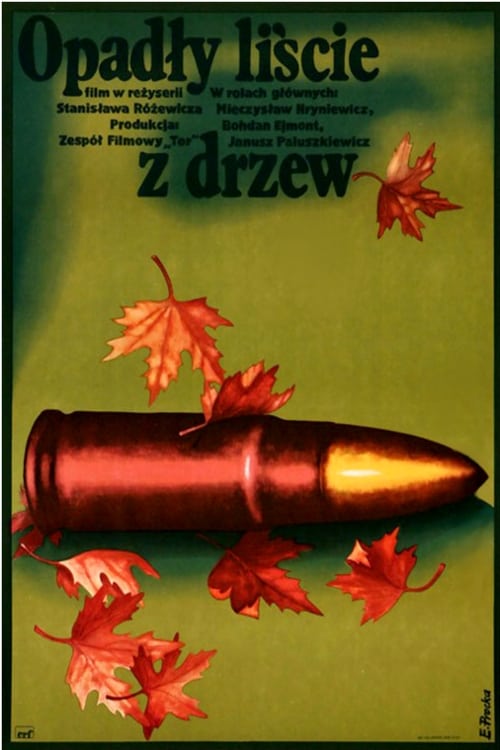
Two years after the war, during a train trip, Henryk (20) recollects the occupation period. He passes different train stations and recollects various situations from the past: his family life, working in a garage, guerrilla warfare, the fear that accompanied him every day. He’s looking at the travellers’ faces, including the ones who have survived the war.
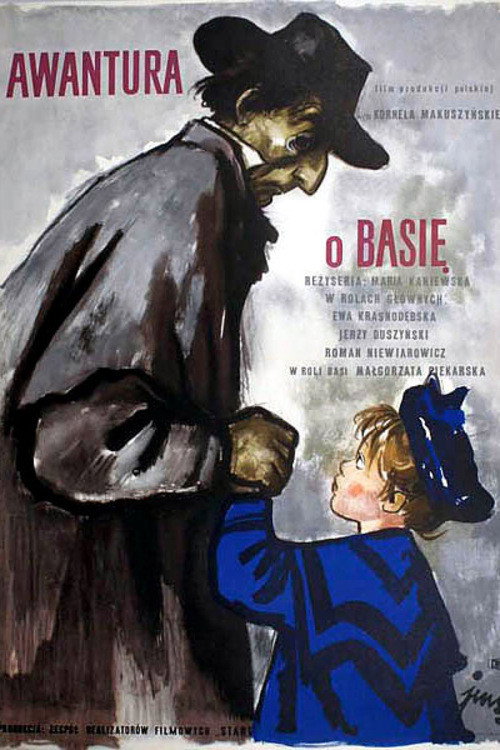
Through various misunderstandings young Basia gets into the custody of several people after her mother's death.
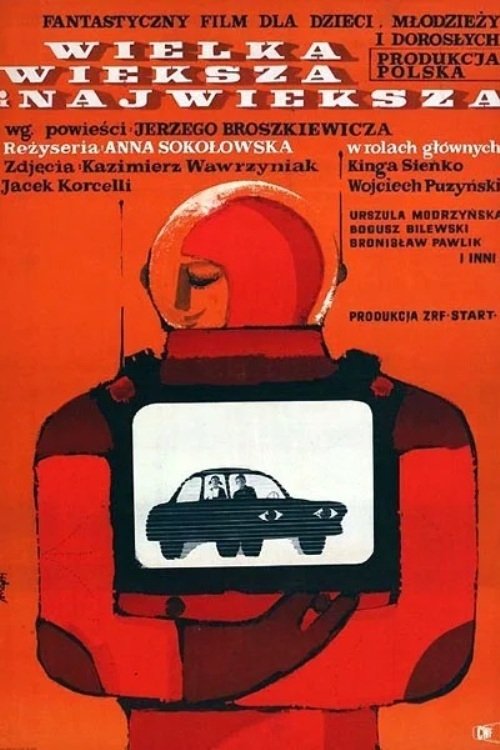
A young boy and girl travel in a strange car and encounter various objects which come alive to help them. Eventually they leave the Earth altogether and visit a strange, new planet.
Kazimierz Zaliwski was born into an intellectual family, he graduated from high school, and knows two foreign languages. The foreman, in love with his daughter, decides not to continue his studies. He wants to take a job as a locksmith in a factory.
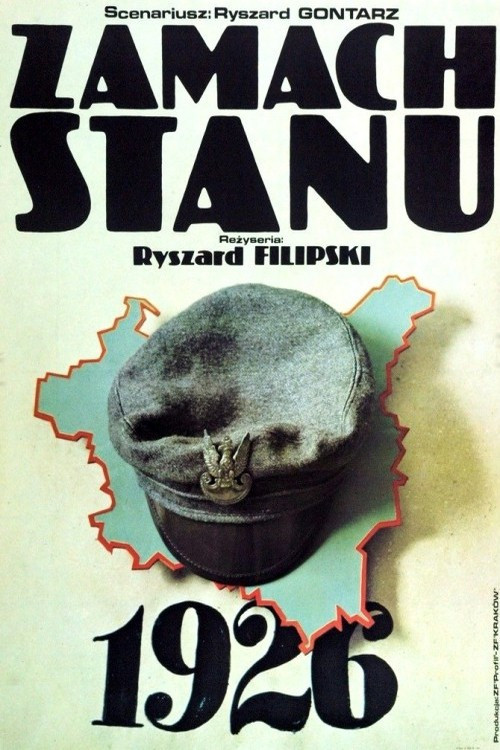
Fall 1925. Six hundred officers demonstrate in front of Józef Piłsudski’s country house in Sulejówek, demanding the Marshal’s return to active political life. May 1926—a government crisis; Wincenty Witos forms a new government. Piłsudski’s move sparks clashes between supporters and opponents of the ousted government. Piłsudski appoints Kazimierz Bartel as prime minister. The beginning of the “moral reform.” Ignacy Mościcki becomes president. Summer 1930. A joint platform of opponents to the Sanacja government is formed. “Centrolew” is established.
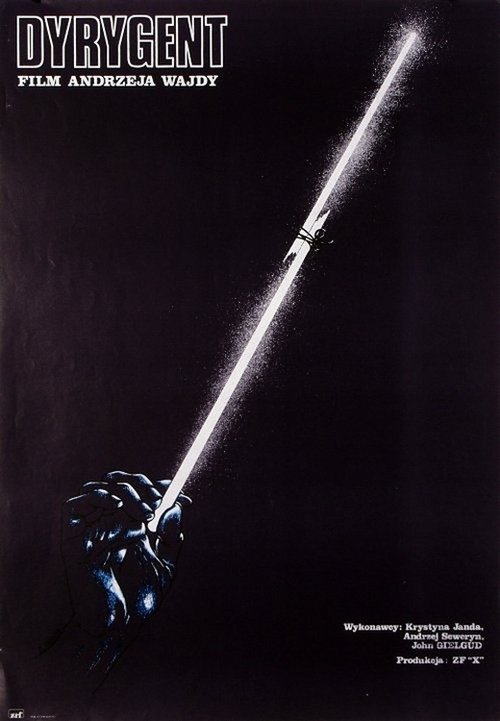
A violinist in a provincial Polish orchestra, whose husband is the director of the ensemble, on a visit to the US ties up with the world- renowned symphony conductor. As it turns out he was once in love with violinist's mother. The conductor, a slightly unstable hypochondriac, returns to Poland to lead the provincial orchestra. He also tries to revive old love affair using the violinist as a surrogate of her mother. Her husband is resentful of the conductor for both personal and professional reasons.
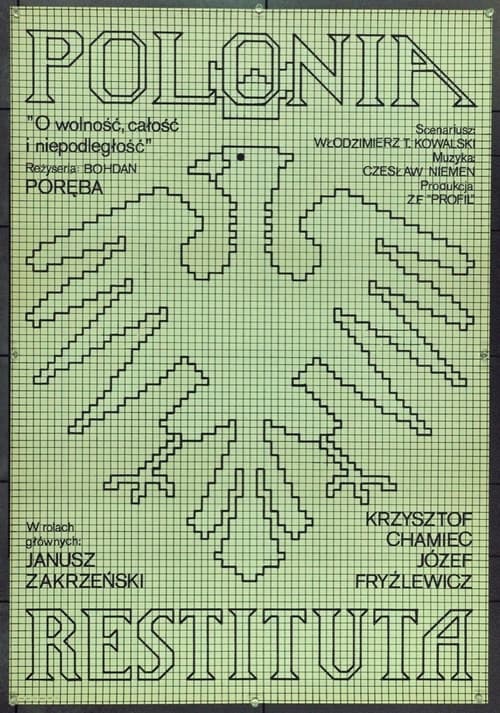
A two-part historical film covering the years of the First World War and the post-war period up to 1919 - until the signing of the peace treaty in Versailles near Paris. An attempt to show the great and complicated process of regaining an independent existence by a nation within its own state. The screen shows characters from history textbooks: Józef Piłsudski, Ignacy Paderewski, Roman Dmowski, Wojciech Korfanty as well as representatives of the world political scene, incl. David Lloyd George, Woodrow Wilson, Georges Clemenceau, Vladimir Lenin and others.
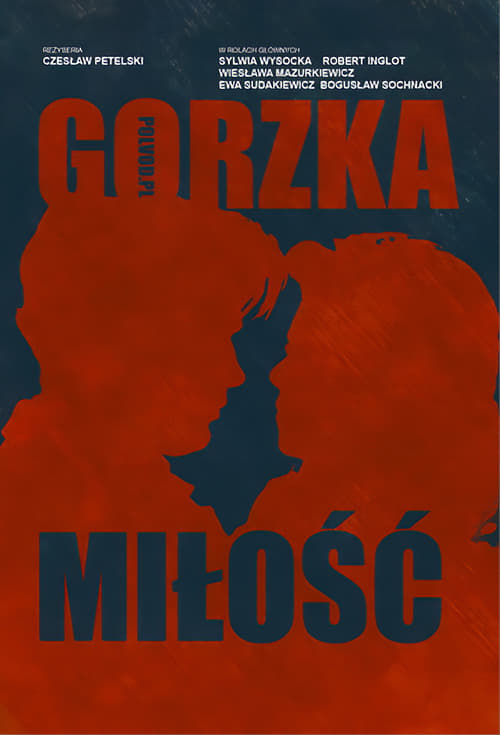
Poland, 1945. Crowds of repatriates are traveling from east to west in search of new homes and loved ones lost during the war. At one of the train stations, a young woman, Hanna Powiłańska, sits among the crowd of displaced persons. The girl recalls a story of turbulent love. Before the war, at a carnival ball, she met the handsome Lech Oleszkiewicz. In September, war broke out. Hanna meets the engineer again and spends the night with him. In the morning, the man tells her that he is married. Hanna breaks off the relationship.