Acting
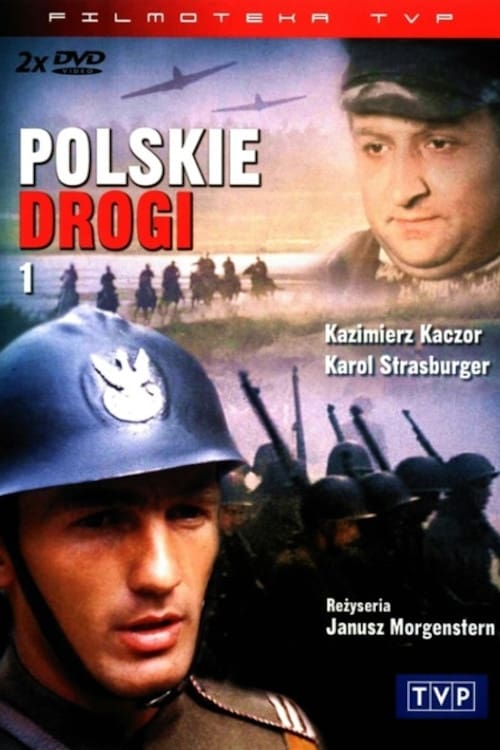
An epic, multi-threaded story about the fate of Poles during World War II. "Czas pogardy" was shown primarily from the perspective of two main characters - Lieutenant Władysław Niwiński and Leon Kuraś - a petty crook, but not without heroic traits. The authors of the series sought to show, in particular, everyday life under Nazi occupation in Poland.
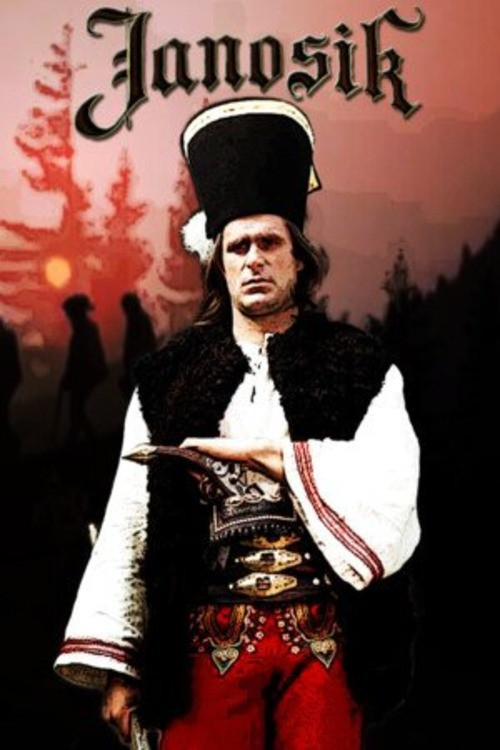
Janosik was a television series that aired in Poland in 1974. It is about a famous Polish highlander outlaw who in folk legends steals money and goods from the rich and helps out the poor. The series was directed by Jerzy Passendorfer. There are 13 1-hour episodes.
A young poet is hired to boost the morale of water pump workers.
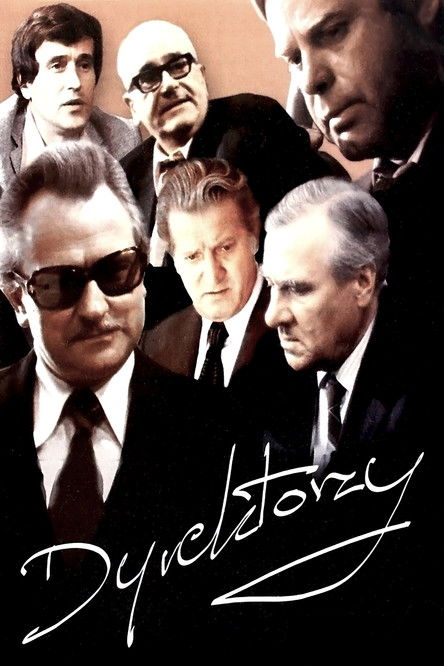
1957. Excessively high production standards imposed by the authorities result in the plan not being fulfilled, and the workers cannot imagine living normally without rewards and bonuses. A rebellion breaks out. Worker democracy wins – the working class elects a director from among its own ranks. He is an old locksmith with no managerial experience. Although he believes in the socialist spirit and has a communist past, he does not hold the position for long, as he makes promises too easily that he is unable to keep.
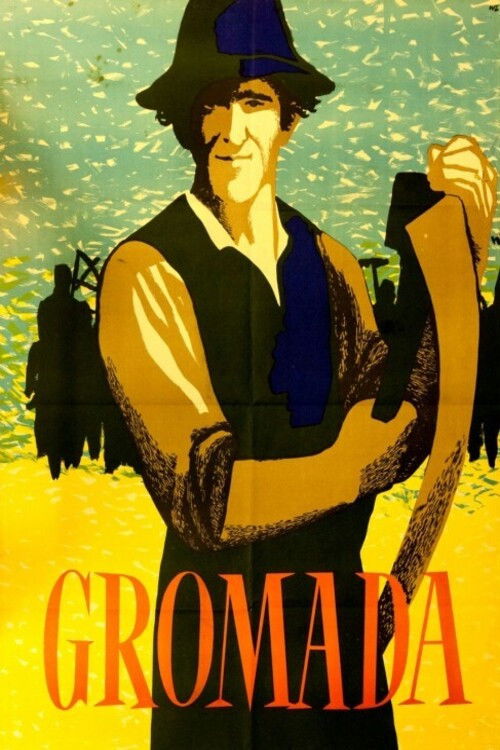
The struggle between poor villagers, who are eager to build a co-operative mill and a cultural centre, and the village wealthy men - the miller and the kulaks - who are desperate to stop the farmers.
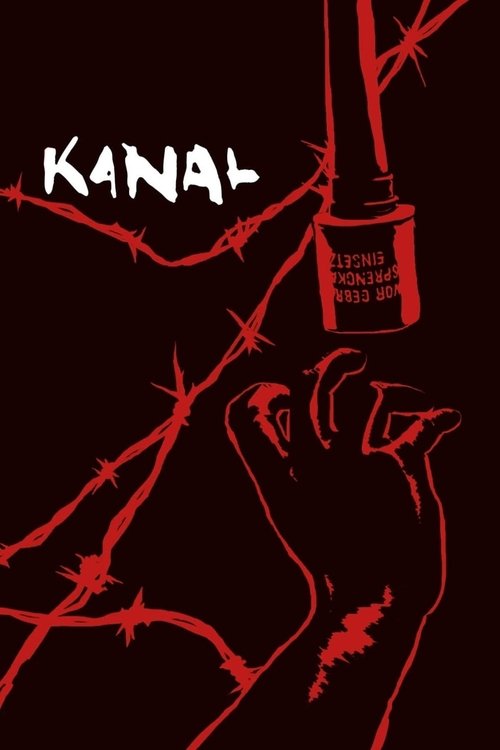
In the last few days of the Warsaw Uprising during World War II, a modest group of Resistance members remains. The band must take refuge in the sewers under the orders of leader Zadra, but it's only a matter of time before they will have to emerge. However, when they try, they are met only with intense hostility from the Nazis. Despite their attempts stay resolute through immense mental strain, it becomes increasingly apparent that they may be doomed.
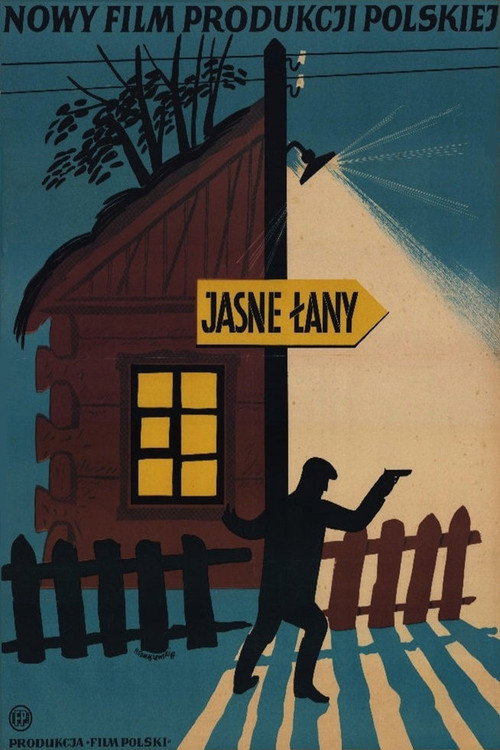
A young teacher educates the peasants and electrifies the village, which the local miller does not like.
A biology professor, Adam enters a hospital for observation. He is a loner and a serious-minded man, who dislikes any display of emotions. He spends three months in the hospital while being tested. After observing patients and hospital routines around him from a distance, he learns that he will need a kidney transplant. Meanwhile his personal and professional life is falling apart: he refuses his wife's offer to donate the kidney for him; the scientific problem he was working on has been solved elsewhere. In the end Adam cracks under the prolonged pressure, waiting for the sound of an ambulance bringing a moribund patient whose kidney may be used for the transplant.
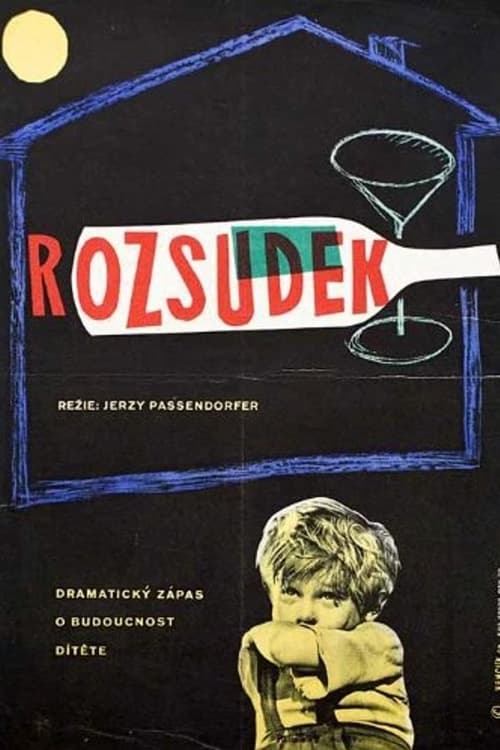
An alcoholic mother of a born out of wedlock child has a difficult decision to make when a journalist proposes to adopt her son and pay her for it.
Two quarreling peasant families, who were forced to leave their lands after the war, are settled by accident on two neighboring farms.
The son of a poor shoemaker dreams of the titular accordion. He is ready to give up his shoes, jacket, and savings in order to get the instrument displayed in an antique shop.
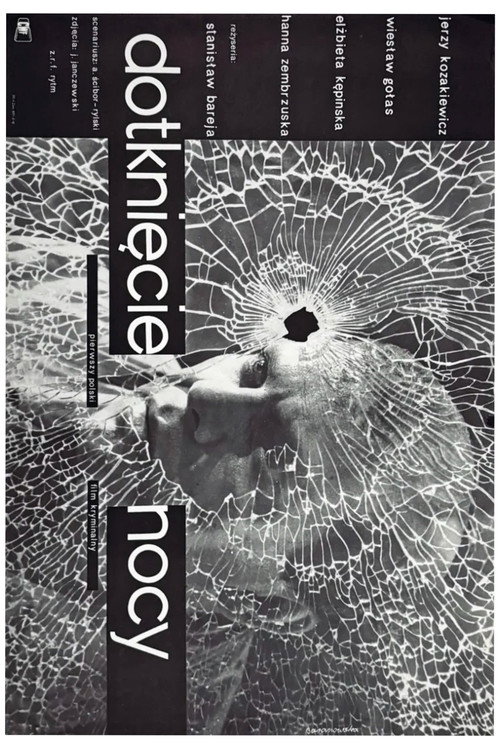
A journalist investigates a mysterious murder in the countryside.
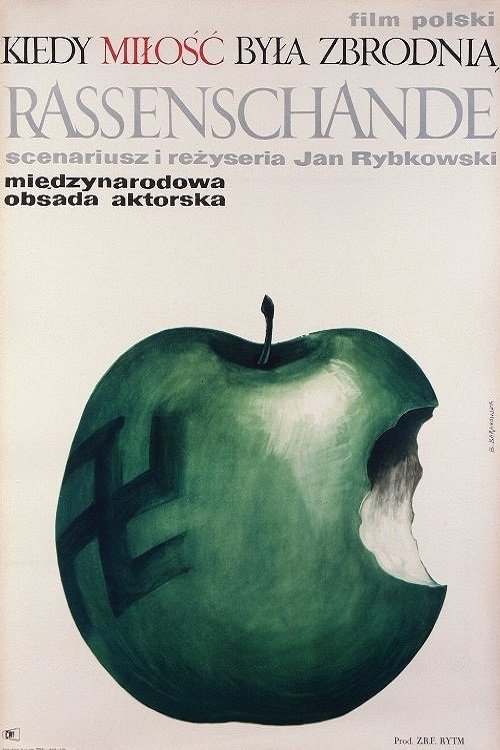
A war drama showing the functioning of Hitler’s “racial purity” law, forbidding foreign workers from any contact with Germany. Foreigners on forced labor in Nazi Germany.
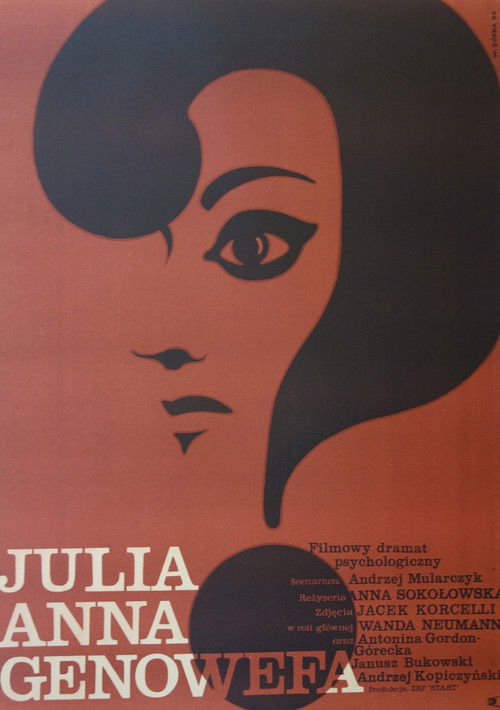
25-year-old Anna works in the laboratory of the Lodz textile factory. She lives with her mother and recently married husband. Her life collapses when a stranger appears, looking for a daughter who has disappeared during the war.
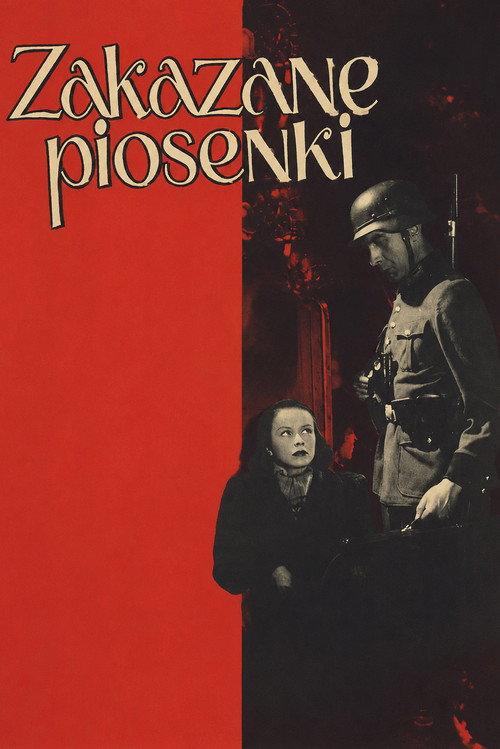
Set during the German occupation of Warsaw during WWII, this musical tells the story of several inhabitants of the same tenement house.
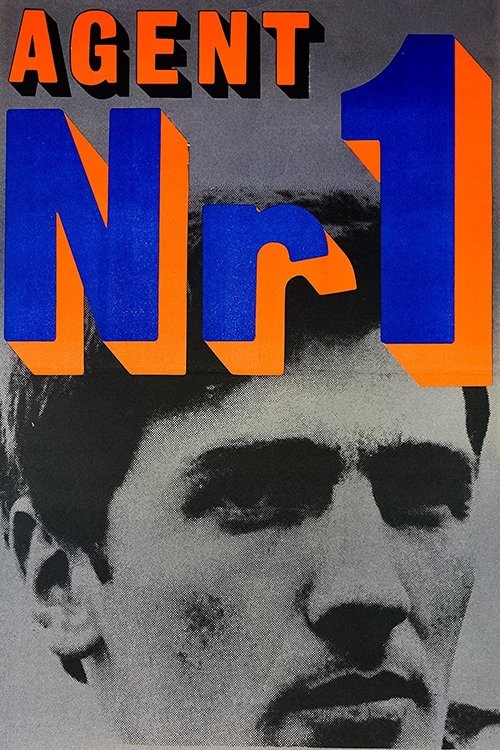
Jerzy Szajnowicz-Ivanov, the son of a Polish mother and a Russian father, raised in Greece, reports to the Carpathian Brigade in the spring of 1941. While the Poles are wary of him at first, he proves his worth by taking part in several sabotage actions against the Nazis.
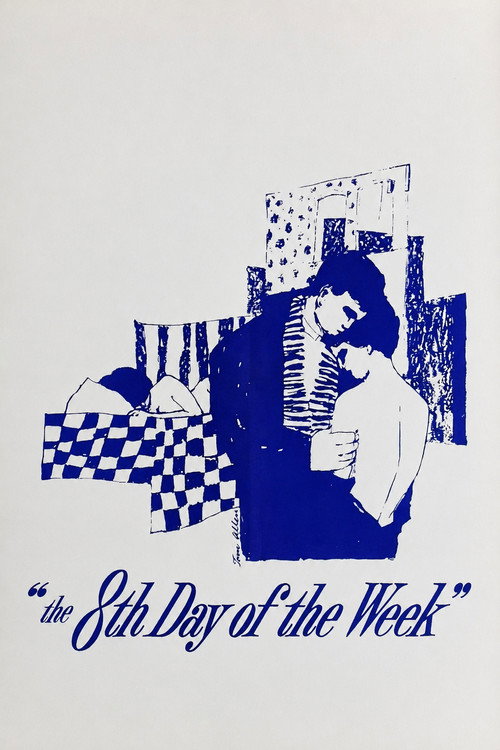
Zbigniew Cybulski and Sonja Ziemann play lovers struggling to find happiness and privacy in overcrowded Warsaw. The movie shows an honest picture of life in a war-damaged city, contrasting the characters' difficulties with their dreams of a better life. It was banned in Poland in 1958 and would not be seen anywhere until its European release one year later.
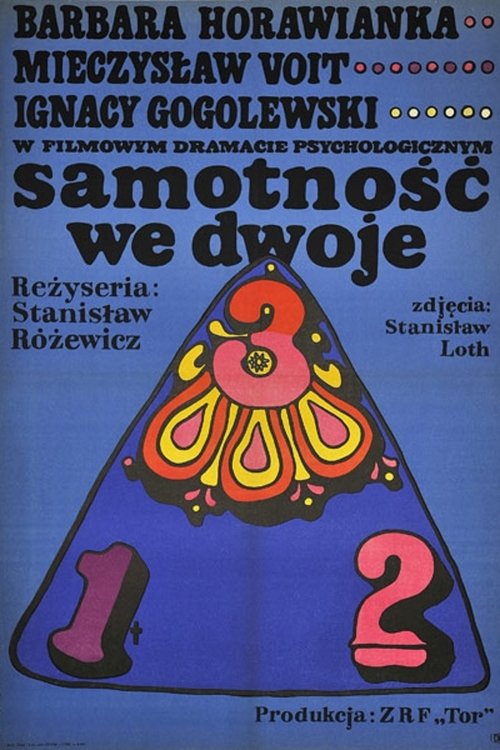
The film is a psychological study addressing the problem of lack of inner resilience in the face of misfortune. The death of a son, trampled by frightened horses, disrupts the peace and happiness of the family of Pastor Hubina. Mentally broken wife Edyta (Barbara Horawianka) leaves to join her sister in Prague and there meets music teacher von Kschitzky, with whom she returns after some time, entrusting him with teaching music to her daughter Olesia. The teacher is a follower of Nazi ideology and practice. Edith begins to show more and more interest in him, and he ostentatiously seeks her favor.
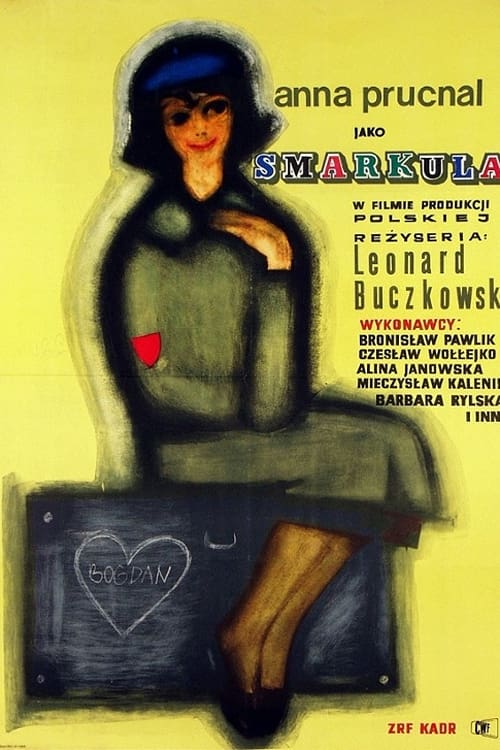
A young teenager from the provinces comes to Warsaw to find her relatives and gets herself in various trouble.
Roman Jacenko, a local photographer tries to turn his fortunes around and rob a bank transport.