Acting
The story of the tumultuous relationship between a Jewish girl called Noemi and a Polish art student named Kamil is set at the outbreak of World War II.
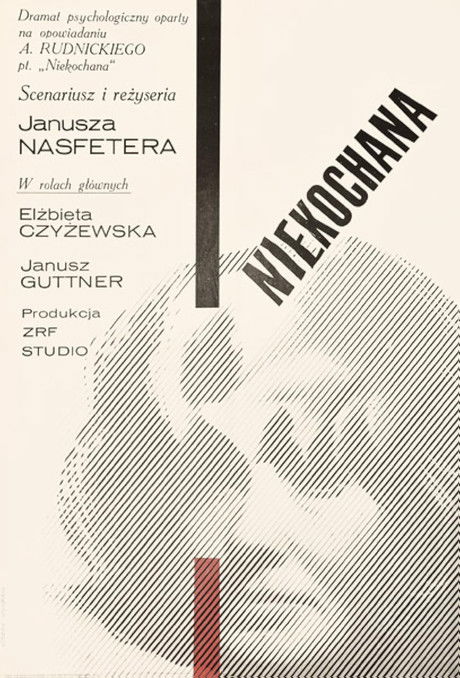
An intimate psychological drama consisting of two separate stories, the heroes of which represent the attitudes of young people, which were rarely manifested in the early 1960s.
A pleasant, open-faced young man comes to live in a boarding house with three peculiar women.
A potter putting up a fireplace tells a story of a man, who decided to build a house at an infamous fire site.
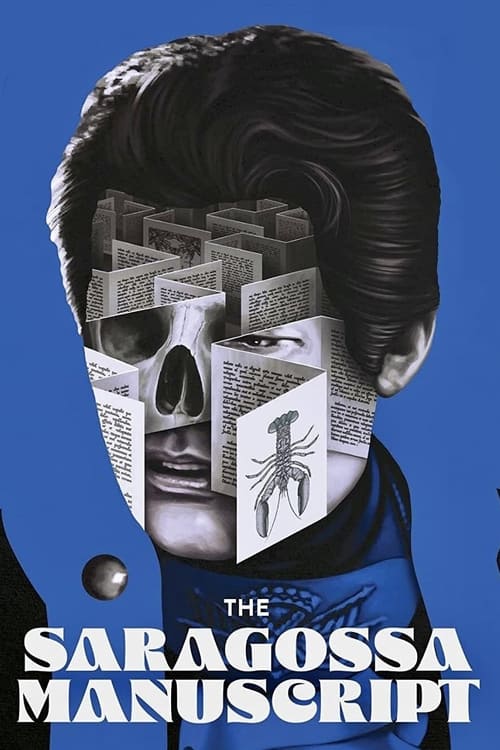
During the Napoleonic wars, a Spanish officer and an opposing officer find a book written by the former's grandfather.
The story takes place before World War II and centers on Pawel, a member of a conservative, middle-class family, and his love for Lidka, a taxi dancer. Social conventions and the lovers' inability to defy those forces Pawel and Lidka benefit. Times change, war breaks out, leading to Pawel sent to Auschwitz while Lidka marry his cousin. Their love has survived and conventions are no longer the issue.
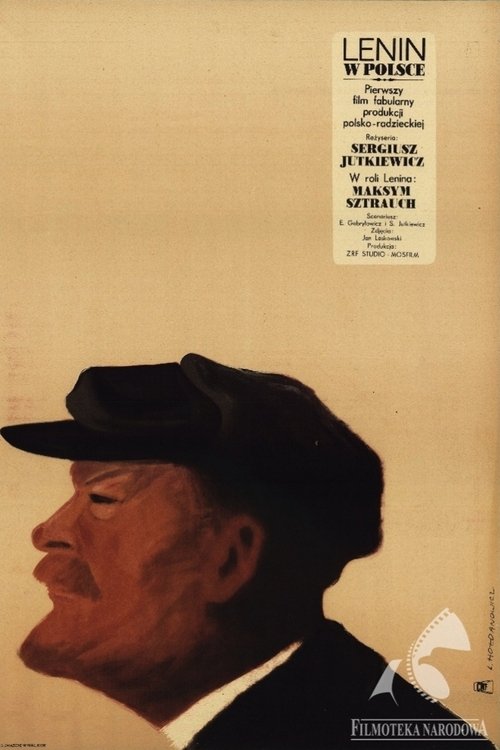
The life of the great Bolshevik leader before the Russian revolution is chronicled in this bio-pic. Much of the tale centers on his exile in Poland where Lenin becomes friends with two peasants. The little girl has a strong belief in the nationalist cause. Later Lenin hears she was killed for withholding information about him.
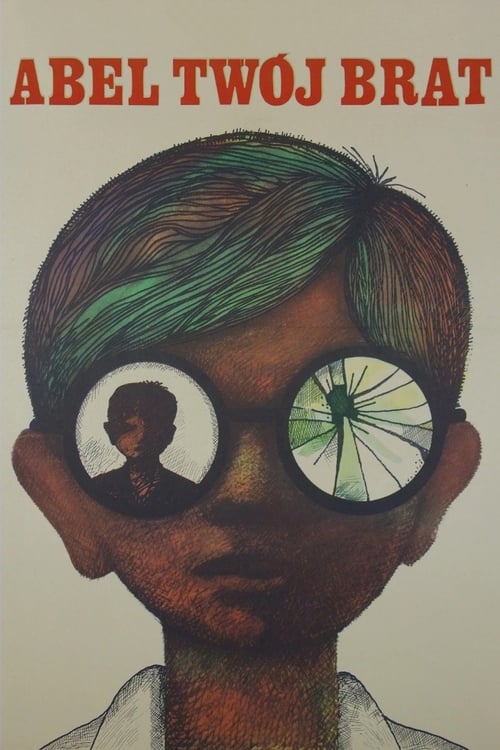
A young boy tries to earn the friendship of his new classmates, notorious bullies, which leads to tragic consequences.
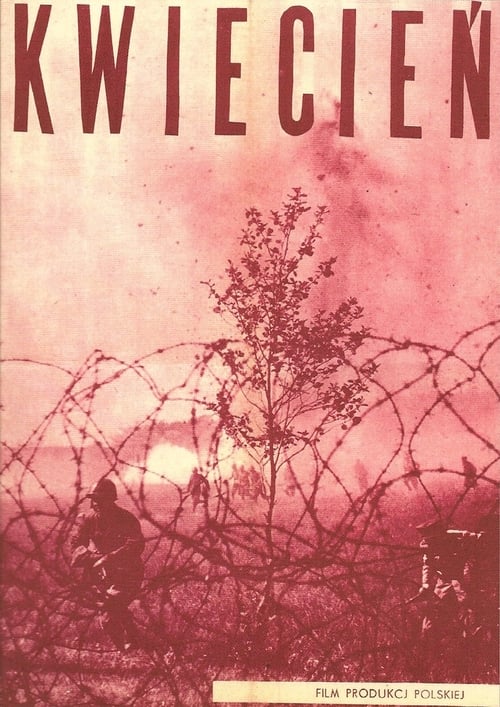
Set at the end of the war. A hot-headed colonel tries to force his men on to heroics although the war is almost over. A war-weary lieutenant tries to muffle his efforts but he keeps on with his men and is killed fighting in the front lines, all his men decide to get his body.
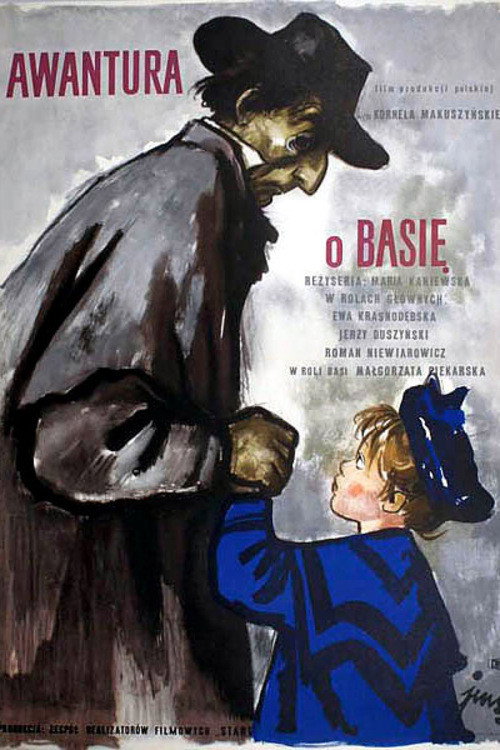
Through various misunderstandings young Basia gets into the custody of several people after her mother's death.
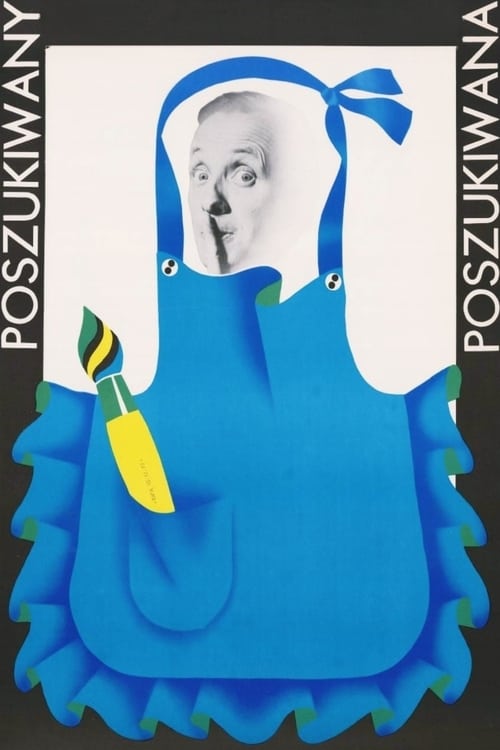
Stanisław Maria Rochowicz, a bumbling art historian, is falsely accused of stealing a painting. The alleged thief faces five years in prison. Desperate, he decides to hide in disguise as a woman until he can paint a copy of the stolen canvas. Lacking means to live, he takes jobs as a maid for a variety of colorful characters.
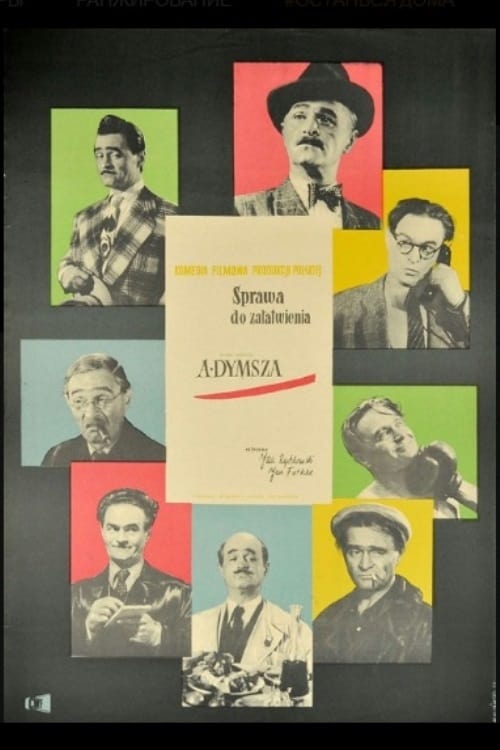
A new employee has to deal with the horrors of bureaucracy in this satirical short poking fun at the insititutions of the Polish People's Republic.
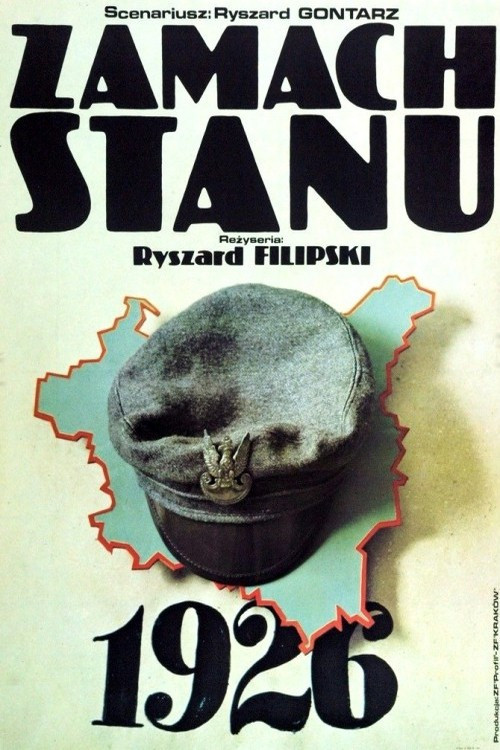
Fall 1925. Six hundred officers demonstrate in front of Józef Piłsudski’s country house in Sulejówek, demanding the Marshal’s return to active political life. May 1926—a government crisis; Wincenty Witos forms a new government. Piłsudski’s move sparks clashes between supporters and opponents of the ousted government. Piłsudski appoints Kazimierz Bartel as prime minister. The beginning of the “moral reform.” Ignacy Mościcki becomes president. Summer 1930. A joint platform of opponents to the Sanacja government is formed. “Centrolew” is established.
Ewa Bonecka, a young student about to start school in a new place finds herself without a place to sleep after she is declined a room in a women-only hotel. Helped by a pleasant policeman, Piotr, she tries to find a lodging in the strange town full of thieves and petty troublemakers.
A series of misfortunes plagues a journalist and his new friend.
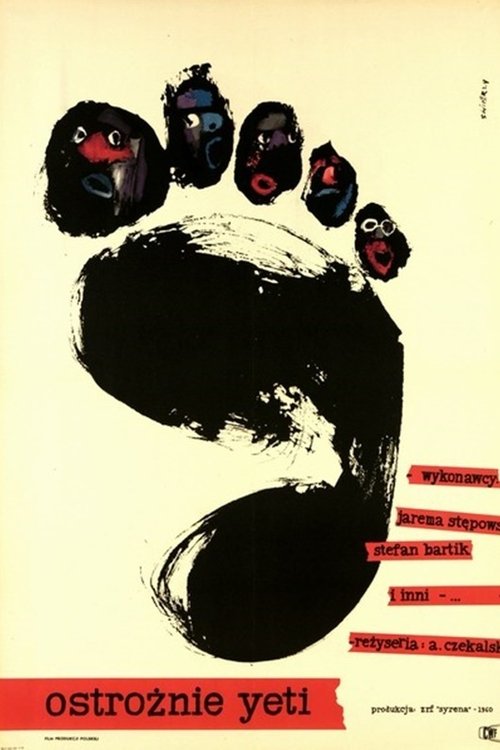
Absurd gag comedy about a grotesque pursuit of a "snow man" allegedly imported to Poland. A box with a shipment from India, which was supposed to contain a yeti, turned out to be empty. The desperate professor tries to find it. He even gets into prison, from which, however, he escapes handcuffed with the thief. Meanwhile, the "snow man" begins to be considered the perpetrator of more and more crimes. Eventually, everything becomes clear. In the telegram notifying of the shipment, a word was twisted and hence the whole misunderstanding.
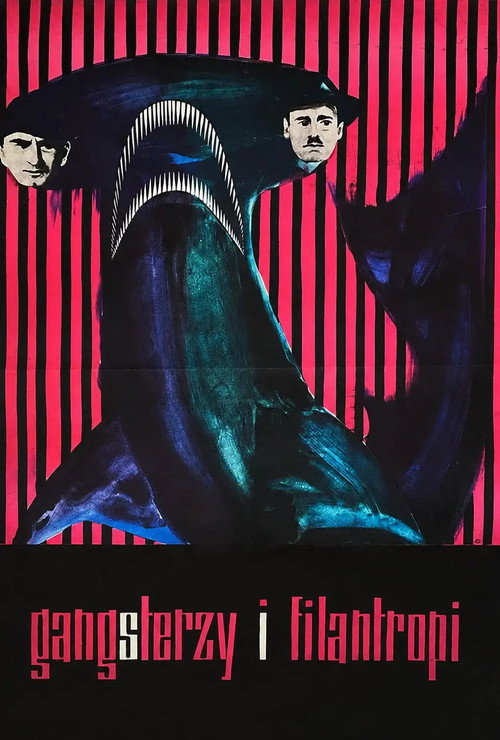
The movie consists of two satirical novels based on the same idea: both the "gangsters" and "philanthropists" end up in the courtroom.
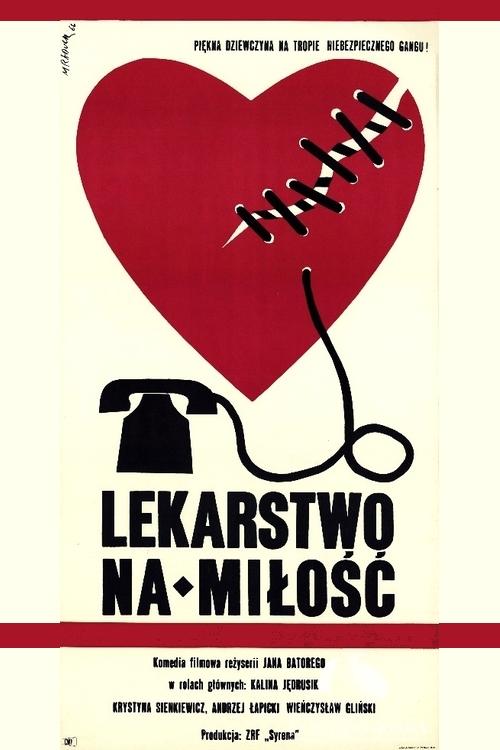
An architect Joanna tells her friend Halina on the telephone about her love troubles and suddenly hears a nice man's voice: "The best cure for love is another love." Then she becomes a forgers dispatcher mistaken for Honorata by telephone and decides to work out a forgers secret and the secret of her new love Andrzej.
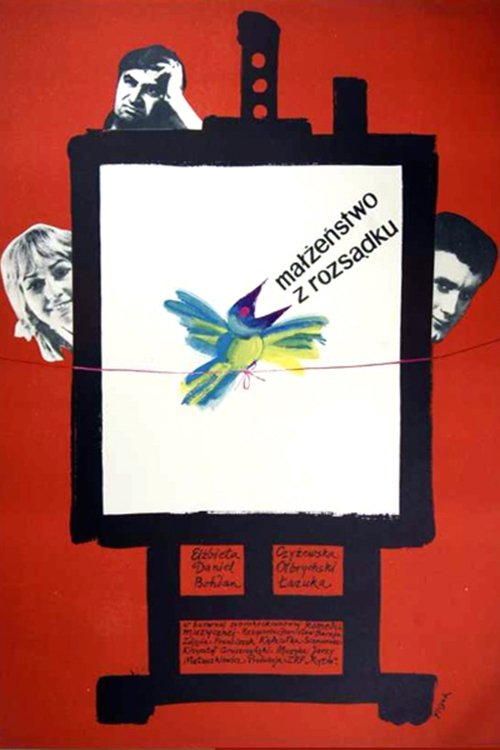
Joanna, the daughter of quite wealthy traders from the Różycki bazaar, is in love with Andrzej, a young, talented, but poor painter. However, the girl's father, Kazimierz Burczyk, decides to find a suitable husband for her himself. A shrewd tradesman, unwilling to disclose his income, searches for a candidate whose professional position would justify his possession of a villa, a car and many other material possessions. In the end, his choice falls on Andrew, who is unsuccessfully trying to sell paintings under the walls of Warsaw's Barbican.
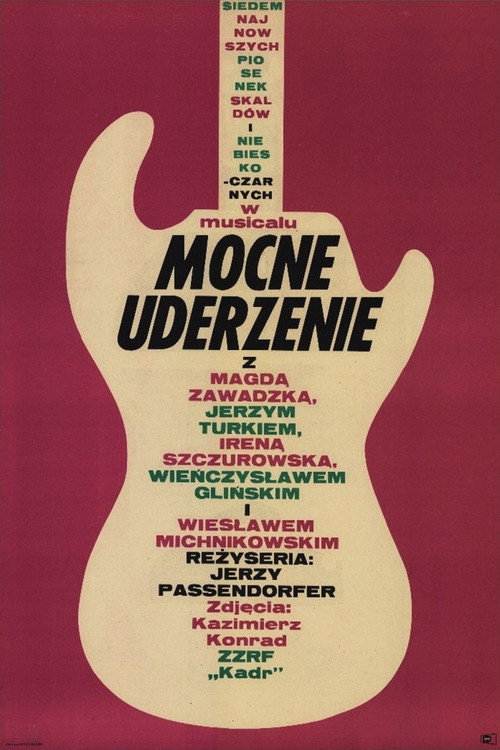
At Kuba's wedding an unknown woman comes up to him and accuses him of cheating on her. This causes Kuba's soon-to-be wife, Majka, to leave him. It turns out that the woman, Lola, confused Kuba with his boyfriend, famous guitarist Johnny, so Kuba embarks on a journey to find him and prove his innocence.