Acting
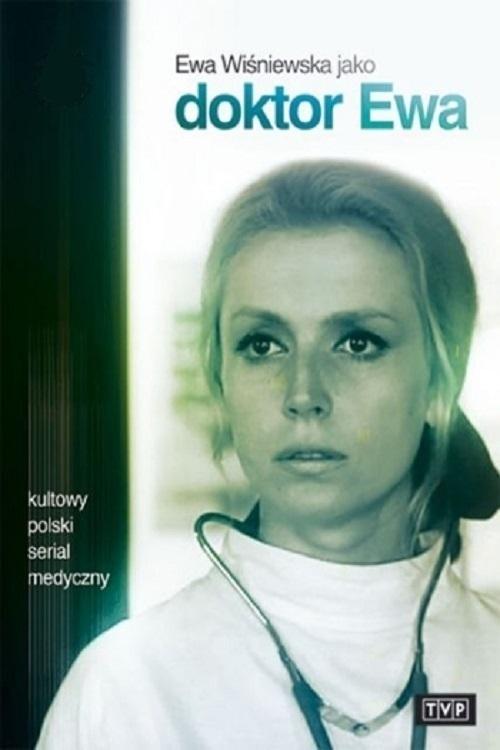
Doctor Ewa Lipska, an attractive young woman just after graduation, with interesting professional prospects for the future, chooses the job of a village doctor. Brought up in a big city, she settles in the small town of Międzybórz in the Łódź Province. She is forced not only to overcome the daily difficulties resulting from medical practice in a rural health center, but also to learn to talk to people of a different mentality and gain the trust of her patients.
No description available.
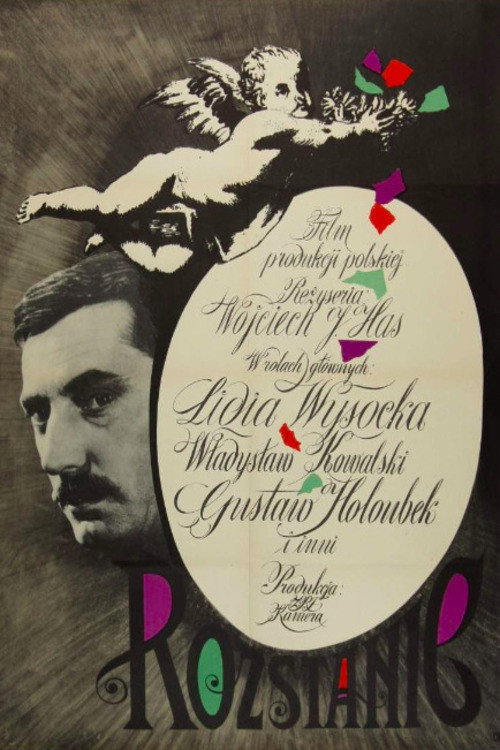
An actress visits her hometown to attend the funeral of her grandfather. She realizes that the places and people from her past differ from her cherished memories.
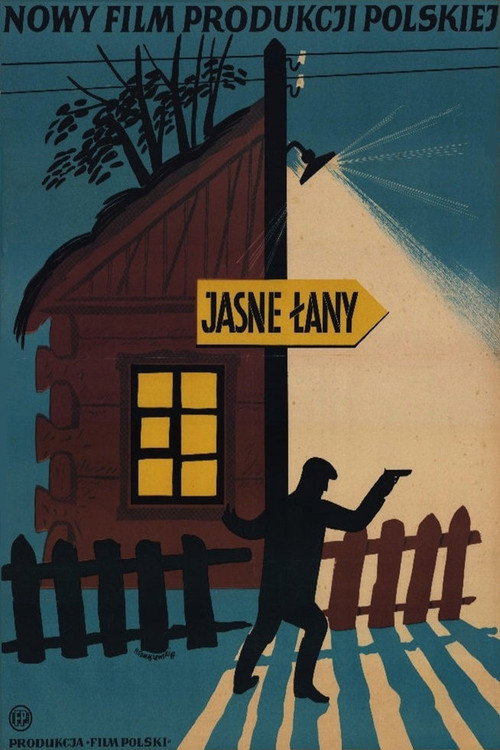
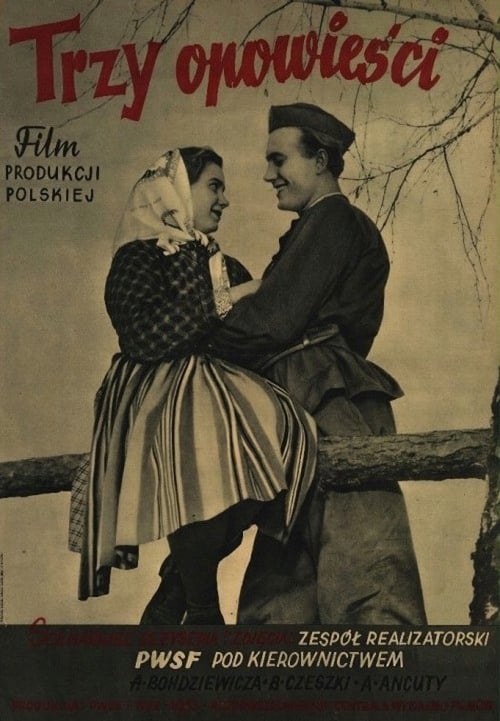
A young teacher educates the peasants and electrifies the village, which the local miller does not like.
The school incident of the disappearance of a watch became a pretext for the filmmakers to faithfully show an interesting social layer, to present the life of the school community, Agnieszka's conflicts with her parents and the emerging sympathy for a boy.
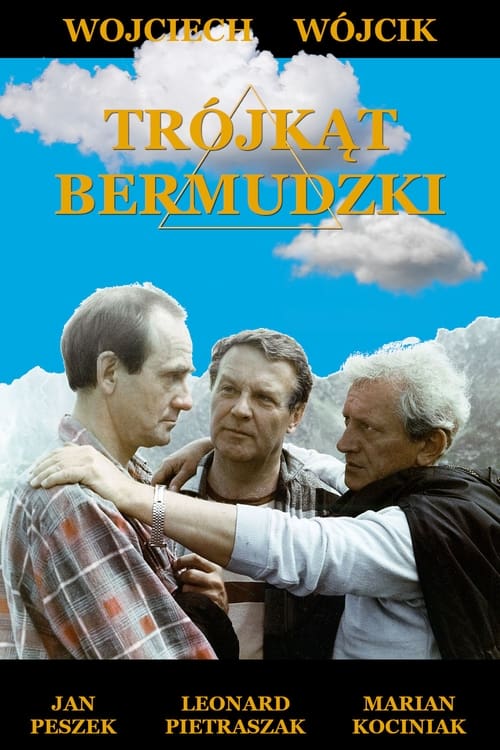
Three old friends living in distant cities decide to help each other get rid of people who stand in their way to achieve happiness.
Two-part biopic about General Karol Świerczewski, living embodiment of the party line, and the group of party members from his hometown fighting the fascist forces towards the socialist state of affairs.
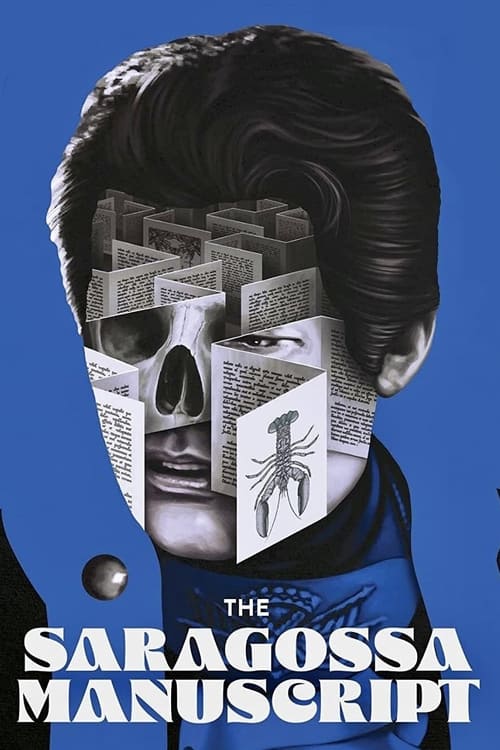
During the Napoleonic wars, a Spanish officer and an opposing officer find a book written by the former's grandfather.
The image of Greater Poland in the breakthrough years 1913-1918. It tells about the fate of Polish junior high school students and their attitude towards the Prussian partitioning authorities, activity in the independence underground, and participation in the preparations for the Greater Poland Uprising.
When a delivery of coffins foreshadows a harsh winter, residents of a retirement home escape their confines and rediscover the world outside.
In the rugged mountain gorges and ravines of southeastern Poland, a new boss and his wife become a catalyst for violence.
The story takes place before World War II and centers on Pawel, a member of a conservative, middle-class family, and his love for Lidka, a taxi dancer. Social conventions and the lovers' inability to defy those forces Pawel and Lidka benefit. Times change, war breaks out, leading to Pawel sent to Auschwitz while Lidka marry his cousin. Their love has survived and conventions are no longer the issue.
A journalist investigates a mysterious murder in the countryside.
Three separate stories depicting the tense everyday life during occupation, as seen through the eyes of children. In “On the Road,” the two main protagonists are lost in the September’s strife: a young boy, and a soldier transporting the valueless documents of his broken unit. In “Letter from the Concentration Camp” the story’s protagonists are young boys who help their mother during the hardships of the occupation. Their treasure is an officer uniform belonging their father who is being held in a prisoner of war camp. In “Blood Drop,” the Germans find a set of typical Aryan characteristics in this story’s protagonist – a Jewish girl, hiding in an orphanage.
Ewa Bonecka, a young student about to start school in a new place finds herself without a place to sleep after she is declined a room in a women-only hotel. Helped by a pleasant policeman, Piotr, she tries to find a lodging in the strange town full of thieves and petty troublemakers.
Dr Raduski returns from abroad to his hometown. He starts a profitable business there and revives the town's cultural life. However, the tsarist government and local nobles don't take kindly to his presence and try to sabotage him.
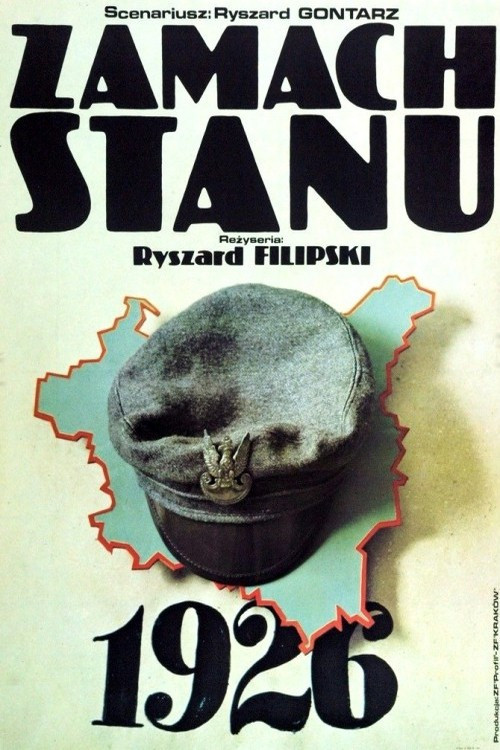
Fall 1925. Six hundred officers demonstrate in front of Józef Piłsudski’s country house in Sulejówek, demanding the Marshal’s return to active political life. May 1926—a government crisis; Wincenty Witos forms a new government. Piłsudski’s move sparks clashes between supporters and opponents of the ousted government. Piłsudski appoints Kazimierz Bartel as prime minister. The beginning of the “moral reform.” Ignacy Mościcki becomes president. Summer 1930. A joint platform of opponents to the Sanacja government is formed. “Centrolew” is established.
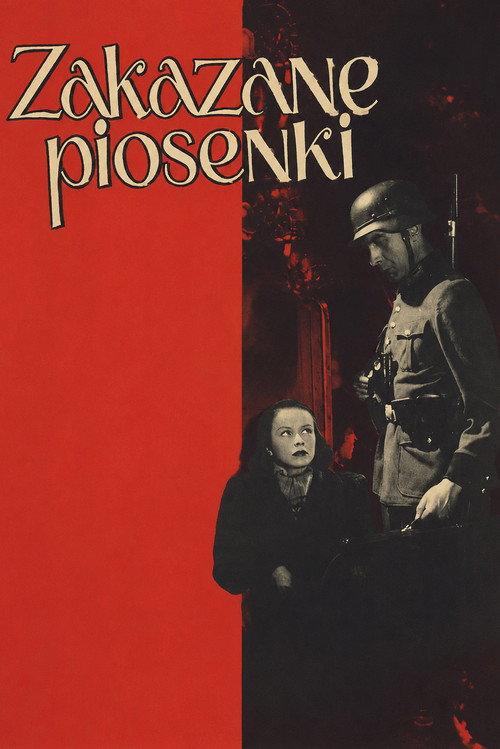
Set during the German occupation of Warsaw during WWII, this musical tells the story of several inhabitants of the same tenement house.
The short stories showing the troubles of youth serving in the "Służba Polsce" organisation.