Acting
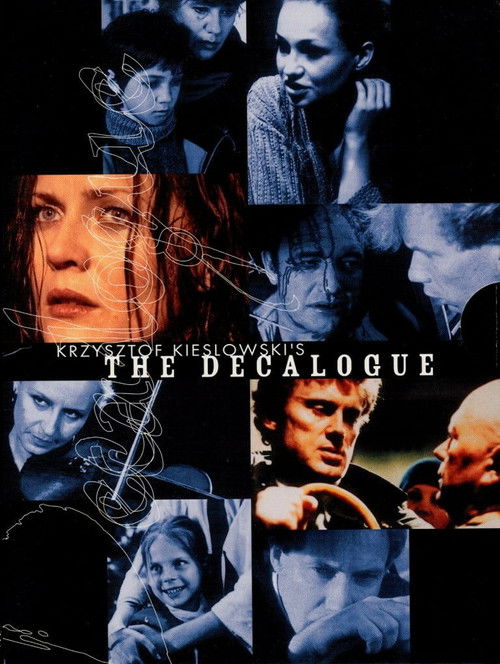
The Ten Commandments, exact and uncompromising, literally cast in stone, continues to provide a source of moral conflict in contemporary society. In the ten part collection of films, The Decalogue, Krzysztof Kieślowski examines the dilemma of fundamental sin in the lives of ordinary Warsaw citizens.
No description available.
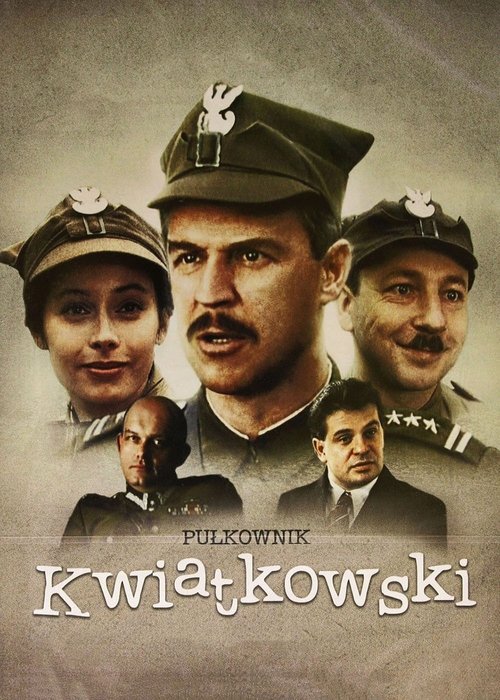
Military doctor Kwiatkowski, serving in a barracks hospital on the Western Territories, is rewarded with a week’s leave after successfully operating on Colonel Kiziora of the UB. He and his friend steal a truck bound for Warsaw, where among the ruins of his former home he meets his prewar neighbor Krysia, instantly falls in love, and, after a brawl with a Russian officer at a dance in the surviving “Polonia” hotel, pretends to be a high-ranking UB colonel to save face.
A young doctor has been assigned to a hospital in the provinces, in the lakes district of northern Poland. The area is a playground with hunting lodges for the priviledged, the local politicians cover up any leaks to the public. The doctor discovers a case of drunken driving but is silenced by blackmail in the court. He tries to fight back but has a love affair with the unfaithful wife of the town's Mayor.
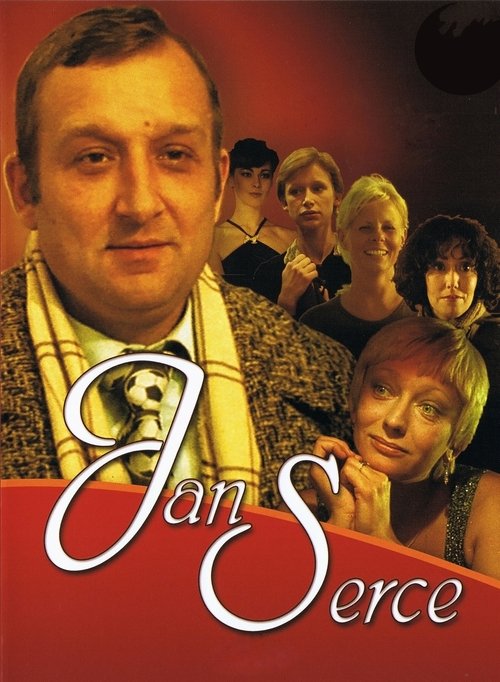
A sensitive idealist, a noble and righteous man, he dreams of a true, great love. Despite turning 40, he is still looking for 'the one'. Before fate unexpectedly turns out to be favorable, he experiences various emotional adversities. Reflective story of the unchanging human longing for goodness and honesty.
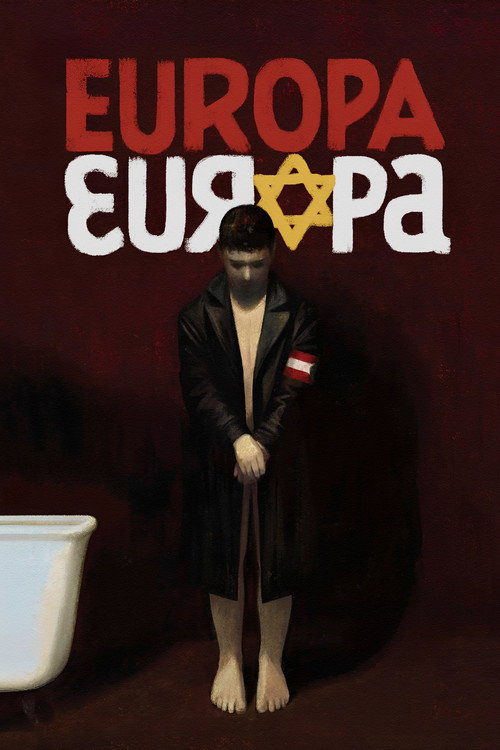
A Jewish boy separated from his family in the early days of WWII poses as a German orphan and is taken into the heart of the Nazi world as a 'war hero' and eventually becomes a Hitler Youth.
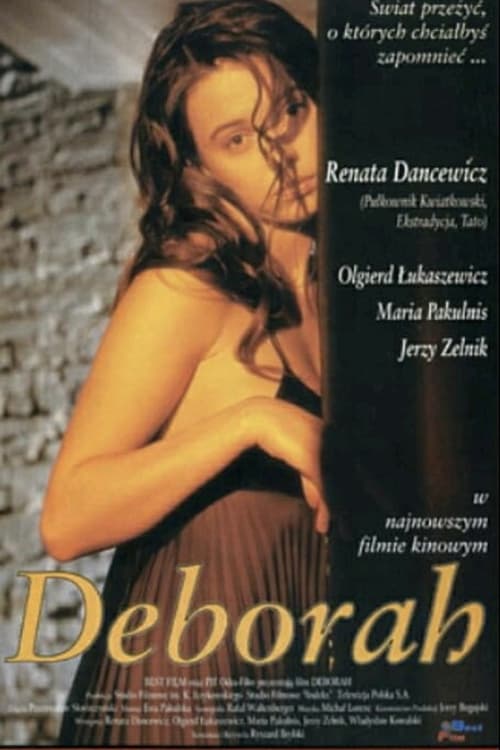
In a small Polish town in the summer of 1939, a married painter and a young Jewish woman begin an affair. Based on the novel by Marek Sołtysik.
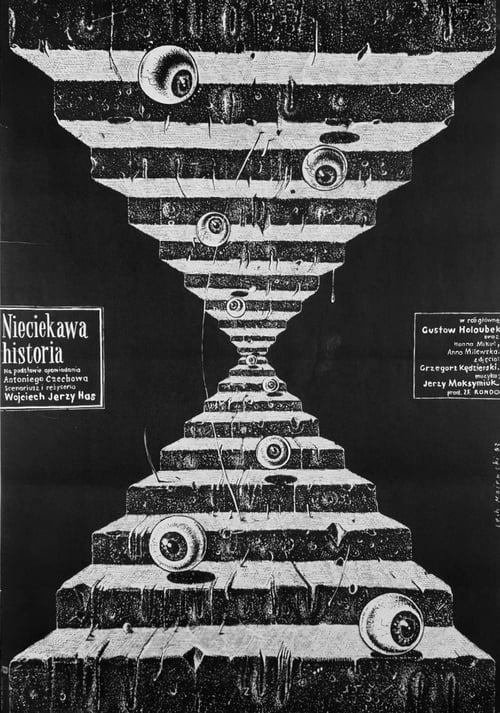
A well-known professor of medicine finding himself at the threshold of autumn of his life, takes stock of his achievements and experiences. "In the end it ends with what has been known for a long time: that conscious life without a fixed worldview is not life, but torment, horror. - wrote Anton Chekhov in one of his letters summarizing "An Uninteresting Story". The protagonist, Professor Nikolai Stepanovich, is a character characteristic of Chekhov's entire oeuvre - a Russian intellectual from the late nineteenth century, depressed by boredom and a sense of his own uselessness and the meaninglessness of his existence.
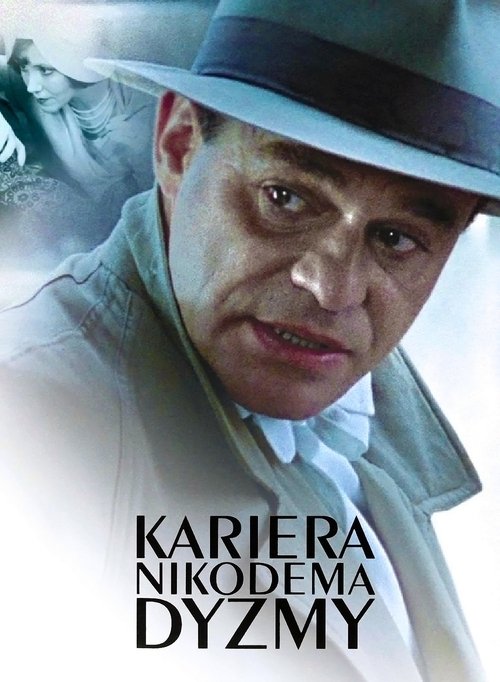
Nikodem Dyzma immigrates from the eastern part of Poland to the capital in the hope for possibilities to make a living. He is in need, very poor and forced to look for basic food and shelter. Yet, on a day when an unexpected invitation appears, his life changes dramatically.
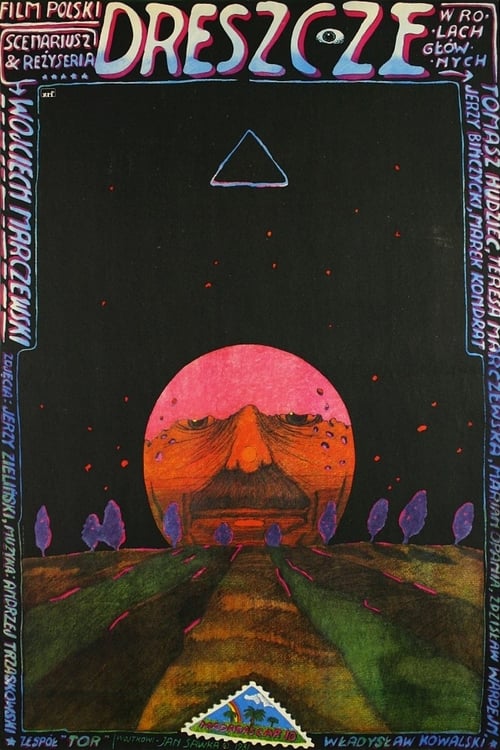
A boy comes of age under an oppressive, cruel socialist government and watches as it slowly but surely distorts his family, his school and even his own thoughts.
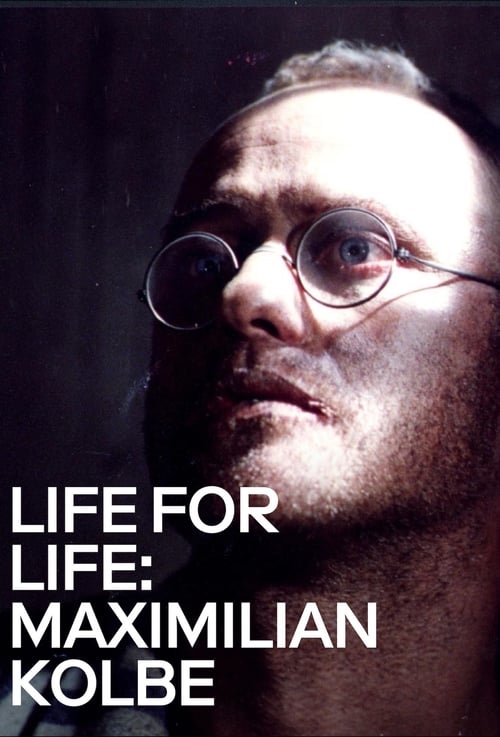
The story of catholic saint Maximilian Kolbe (1894-1941), who volunteered to die in place of a stranger in the Nazi concentration camp of Auschwitz.
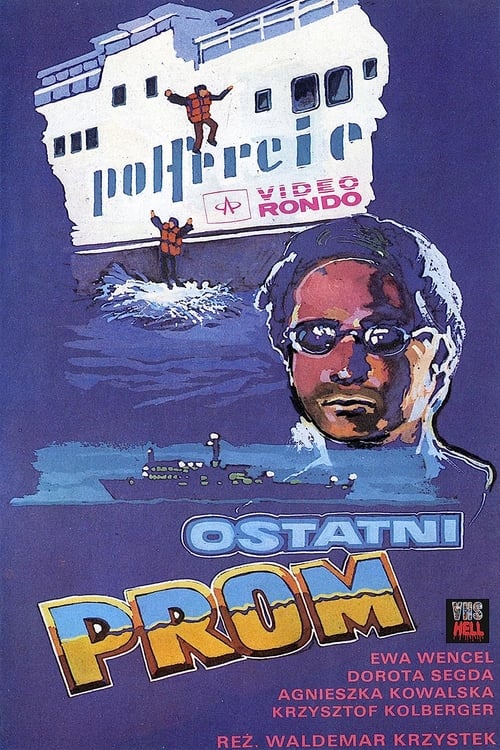
One of the passengers on a ship carrying Poles on a cruise in December 1981 is a dissident high school teacher sent abroad by Solidarity. He is under surveillance of the secret police, anxious to get their hands on the info that he is carrying. When the ship is in the middle of the Baltic sea, martial law is declared and the ship is militarized. The captain announces he will turn and return the home port. Many anguished passengers put the life vests on and jump into the sea, where they are picked up by two German ships. The teacher, however, decides to return to Poland and continue the struggle for freedom.
The marital argument is interrupted by a phone call with a desperate cry for help.
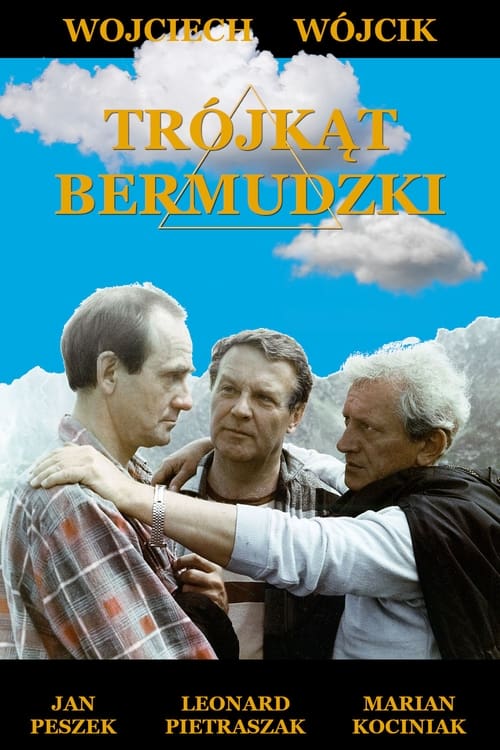
Three old friends living in distant cities decide to help each other get rid of people who stand in their way to achieve happiness.
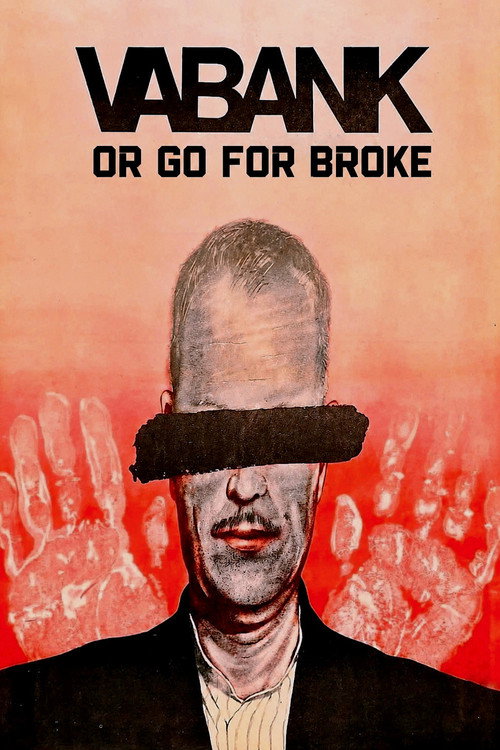
October 1934. Poland. Famous bank robber Kwinto decided to quit his dangerous criminal job, but after his friend's death, he changed his mind and organized a burglary of famous and well protected bank which belonged to his former partner in crime, backstabbing and double-crossing Kramer. Kwinto designs a clever plan not to only rob the Kramer's bank but to make it look like Kramer himself did it.
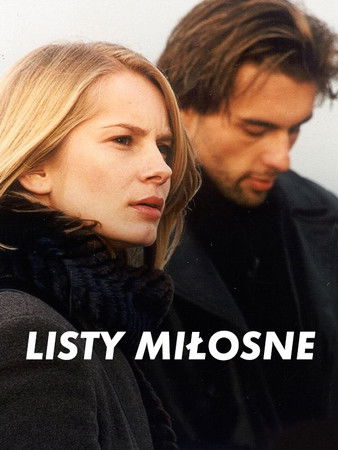
Thirty-year-old nurse Teresa spends her days caring for elderly, dying people. Janusz, a young man she met at an amusement park, enters the life of this bitter and disillusioned woman. Teresa doesn't have the courage to tell him how she feels, and he also has trouble expressing his emotions. They are helped by Julka, a girl from the neighborhood who likes Teresa. She finds a pile of love letters from the beginning of the century in the trash. By forging Teresa and Janusz's handwriting, she starts a love correspondence between them, rewriting fragments of other people's confessions.
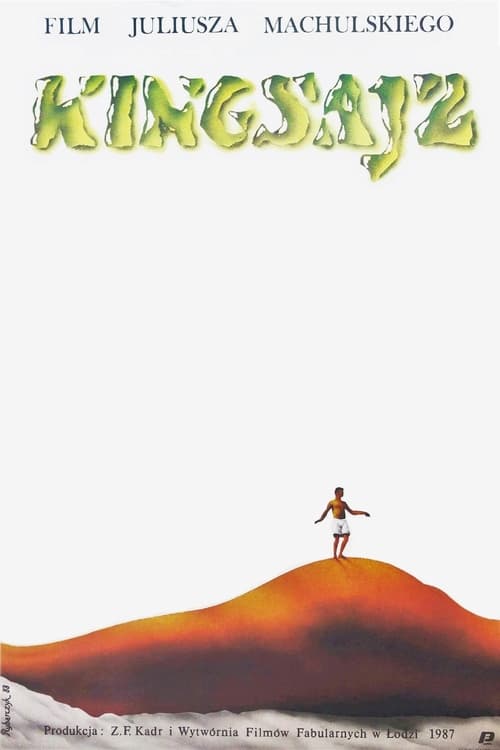
The story follows a young scientist in the contemporary world, who actually came from the world of dwarves, thanks to a magic potion, held by the Big Eater, ruler of the dwarves. The dwarf kingdom, Shuflandia, exists in a cellar of a library, and only the most obedient get the chance to grow to king size and inhabit the larger world. Once there, nobody wants to return to Shuflandia. Also, there are no women in Shuflandia.
It’s Christmas Eve, and Ewa has plotted to pass the hours until morning with her former lover Janusz, a family man, by making him believe her husband has gone missing. During this night of recklessness and lies, the pair grapple with choices made when their affair was discovered three years ago, and with the value of their present lives.