Acting
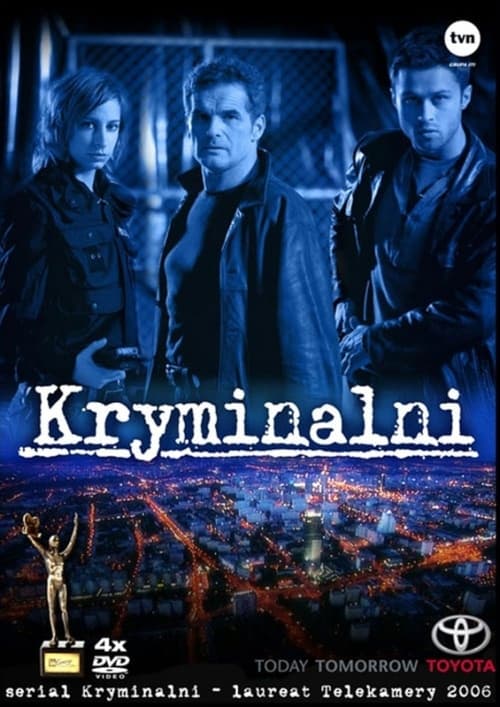
Kryminalni was a Polish crime drama television series that aired on TVN network from September 18, 2004 until May 24, 2008. It ran for 8 seasons and 101 episodes were broadcast in total. It was created by Polish director and screenwriter Piotr Wereśniak and produced by MTL Maxfilm studio. The series followed life and work of police officers from the elite Criminal Terror and Murders Division of the Warsaw Metropolitan Police; the title refers to police officers in the crime section. The three main characters were Adam Zawada, an experienced, tough cup, his younger colleague Marek Brodecki and Barbara Storosz, an ambitious female officer who in the first season joins the team just after graduating. Although none of the main actors had had star status before the series debuted, all three of them rose to prominence and popularity during the 5-year-long run. Many of Poland's best known actors guest starred, usually playing roles of people involved in just one particular investigation. The serial was one of the most popular in Poland: each week it had an audience of 4 million.
No description available.
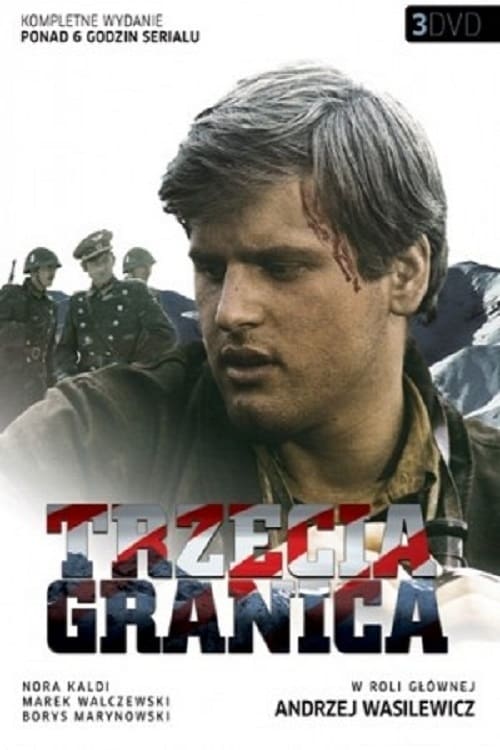
On September 1st, 1939, Nazi Germany invades Poland, unleashing World War II. On September 17th, the Soviet Red Army crosses the border. The Polish army, unable to fight on two fronts, is defeated. Thousands of Polish men, both military and government officials, are captured by the invaders. Their fate will only be known several years later.
In 1945, as Stalin sets his hands over Poland, famous painter Wladislaw Strzeminski refuses to compromise on his art with the doctrines of social realism. Persecuted, expelled from his chair at the University, he's eventually erased from the museums' walls. With the help of some of his students, he starts fighting against the Party and becomes the symbol of an artistic resistance against intellectual tyranny.
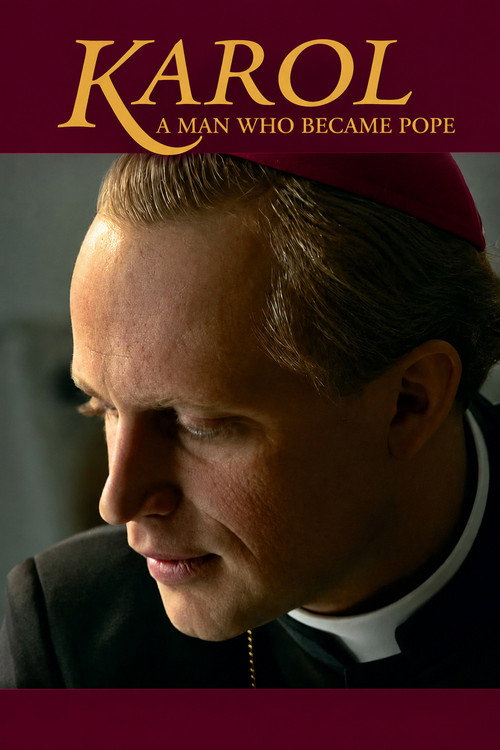
The life of the pope John-Paul II, from his youth as a writer, actor, and athlete in war-torn occupied Poland to his election as Pope at the age of 58.
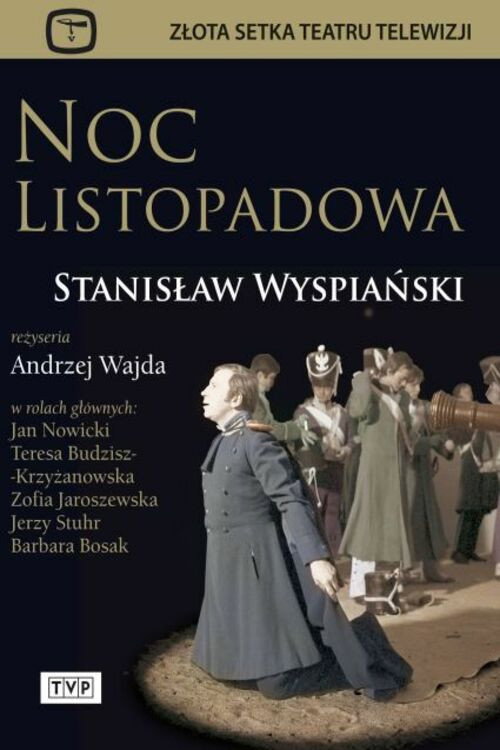
Television play adaptation of Wajda's stage play of Stanisław Wyspiański's November Night. The drama takes place on two levels - historical and metaphorical. The first one is almost a chronicle of several hours of the uprising - it shows the drama of the attitudes of Poles at the beginning of the armed struggle, in confrontation with the attitude of Grand Duke Constantine, the Tsar's deputy in Poland. The second one presents the world of gods playing out their arguments. Man becomes a plaything in their hands, but it is he who experiences his fear, heroism and hope.
In post-communist Poland, former secret police agent Franz Maurer works as a regular cop pursuing a major drug ring. As he and his old comrades lose their privileges and face public scorn in the new reality, Franz realizes that some of his former colleagues are now on the opposite side of the law.
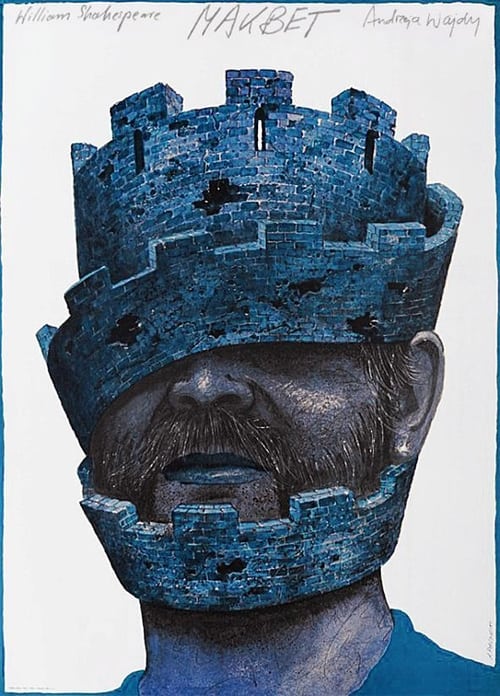
A theatrical performance of the Helena Modrzejewska National Stary Theatre in Krakow recorded for TVP Kultura.
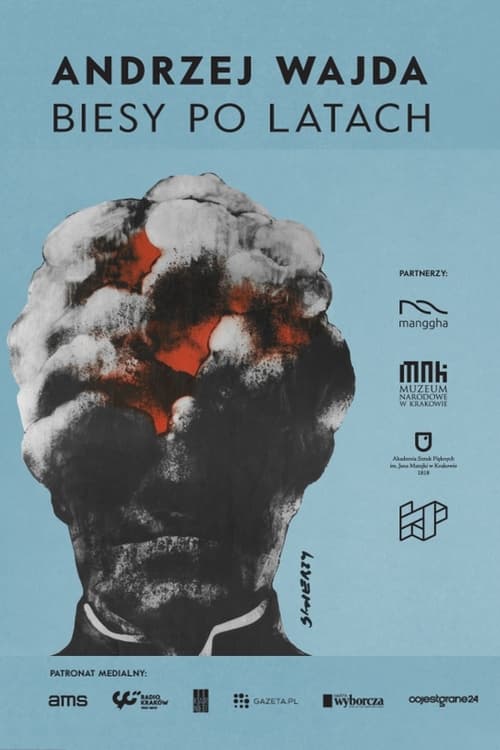
At the Old Theater in Krakow Wajda staged a play in 1971, based on Dostoevsky's novel "Demons". In this documentary Wajda tells the story of the unique play that went on uninterrupted for 10 years despite opposition from the authorities.
Set before the first World War in part of Poland under Austrian occupation, the story of a young boy in primary school who later grows up to become a rebellious, poetic-minded teen in the same school when the national movement toward liberation is under way. The story of a country where church and state work together to suppress the human spirit.
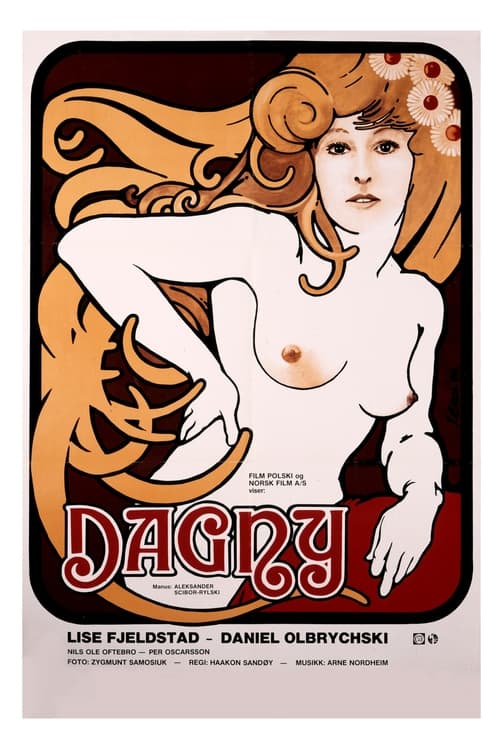
Dagny Juell was the doctors daughter who left Kongsvinger for Berlin to study music, and became famous painter Edvard Munchs mistress and model. Than she ran into August Strindberg. They had a brief affair but after a couple of weeks Dagny left him for Stanisław Przybyszewski.
The protagonists of the film are two employees of a private television station. Janek is a journalist and Witek is a cameraman. Their specialty is hot, sensational topics. They are just working out the case of a gang, dealing in explosives. One day someone tosses them a tape from which they learn that a well-known politician named Makowski was a UB agent with the alias Ketman in the 1970s.
Film about the famous Battle of Vienna and the events surrounding it.
Katowice, the night of December 12-13, 1981. Military units occupy strategic points in the city. A group of Zomovniks, smashing union security, drags the chairman of the Company Commission of the NSZZ Solidarity in the Wujek mine out of his apartment. The news quickly spreads to the miners. Initially surprised, they soon react with spontaneous protest. On December 14, a strike breaks out at the plant. The miners demand the lifting of martial law and the release of the chairman. When negotiations fail, the army, ZOMO and militia storm the mine.
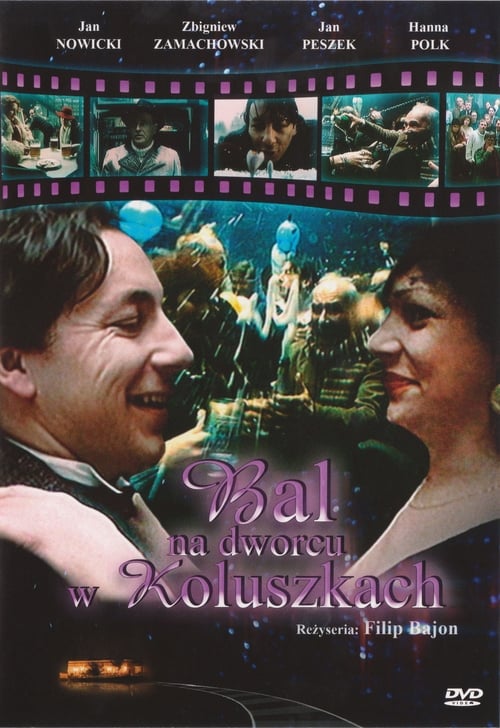
During the "winter of the century," impatient passengers wait for the train to arrive at the station in Koluszki. Railway communications are disrupted. At the same time, a train is stuck in snowdrifts near Koluszki. The atmosphere in its carriages is cheerful. Some passengers, who are in a hurry to connect to other stations, get off and walk to the station in Koluszki. Among them is Andrzej Roszak, a young man rushing to Warsaw, and probably his peer Basia. Shortly after them, Mr. Walerek, a political activist who was on his way to a ball at the Central Committee, Mr. Rozbicki and his wife, who had just returned from a contract in Iraq, Matyjak, a television star, journalist Przoniak, and others arrive at the station in Koluszki. At the deserted station, the passengers efficiently organize a New Year's Eve party. During the revelry, the participants gradually reveal their hidden complexes, frustrations, and hopes.
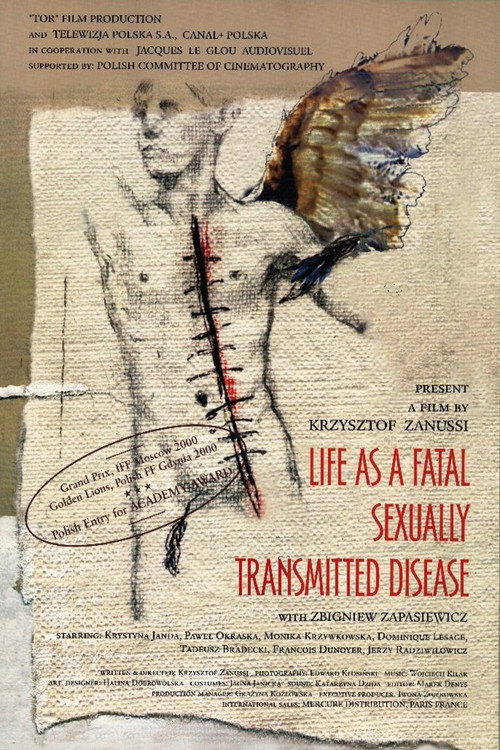
An examination of the relationship between an indecisive medical student and his fiancee.
Tomasz, a doctor, and atheist, is diagnosed with cancer. His ex-wife offers him the money for treatment in Paris, but his lung cancer is past the operating stage. Facing imminent death, he questions the beliefs he has held all his life and starts experimenting with both his own life and those of others.
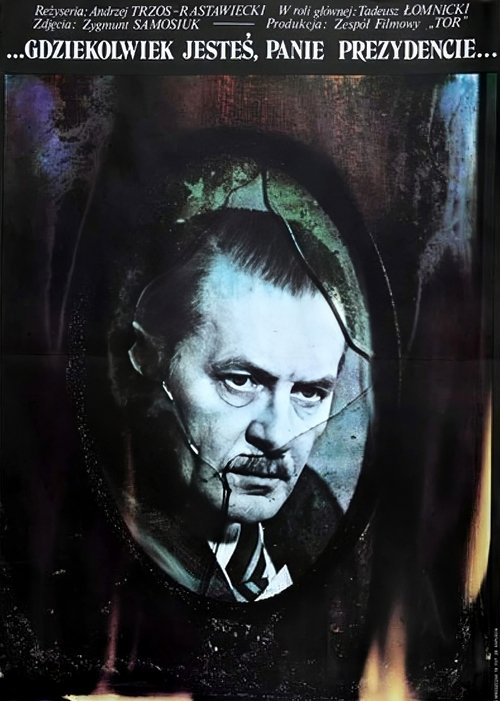
Stefan Starzyński, the mayor of Warsaw, organizes life in the capital in September 1939 and lift the inhabitants' spirits via radio announcements. After the surrender, he does not use his last chance to escape.
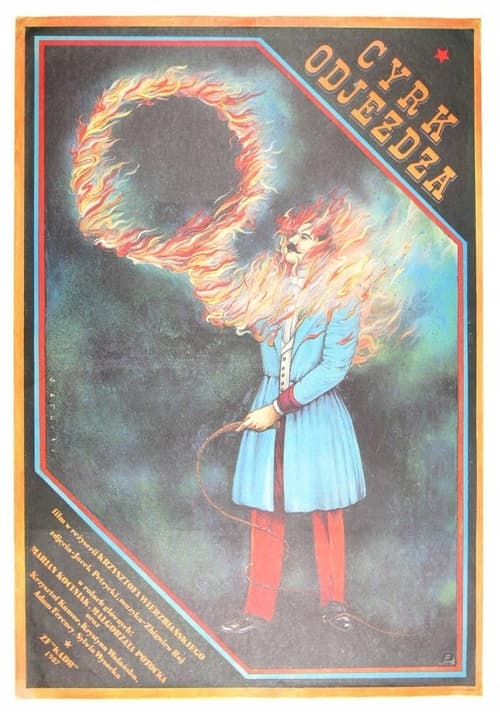
The circus leaves 1948. In one of the towns there is a circus organized right after the liberation. A conflict arises between Kossakowski, a lion trainer, and Chamron, a horse trainer, which creates a tense atmosphere in the entire team.