Acting
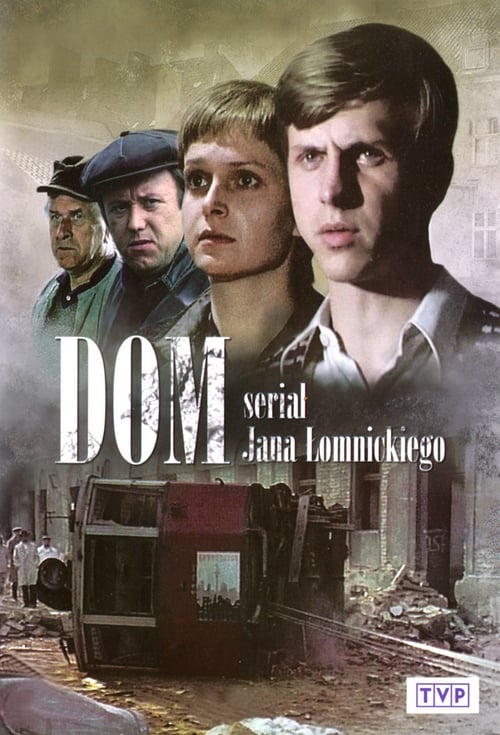
The story of the residents of a tenement house on Złota Street in Warsaw from 1945 to 1980.
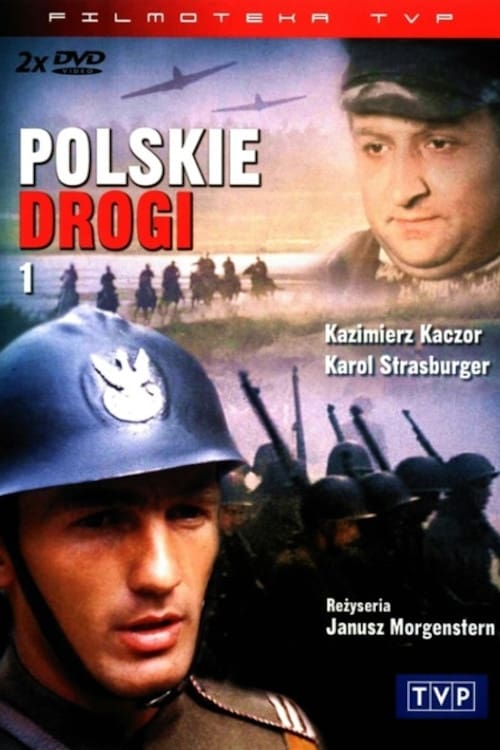
An epic, multi-threaded story about the fate of Poles during World War II. "Czas pogardy" was shown primarily from the perspective of two main characters - Lieutenant Władysław Niwiński and Leon Kuraś - a petty crook, but not without heroic traits. The authors of the series sought to show, in particular, everyday life under Nazi occupation in Poland.
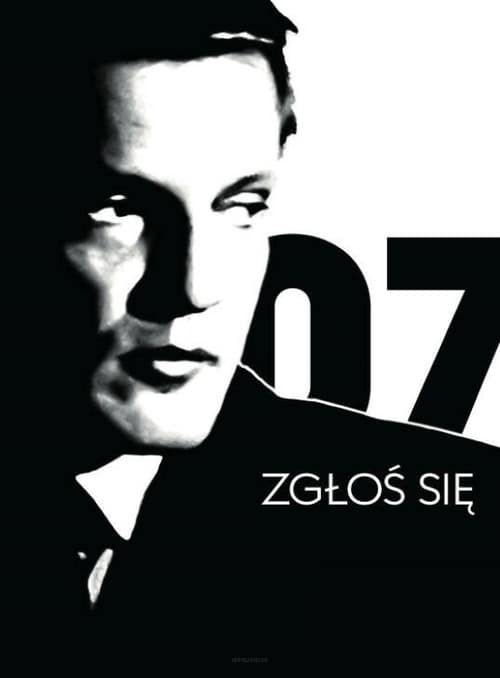
The series centres around the investigations of Police Lieutenant Sławomir Borewicz. Each episode features a different case being solved by Borewicz.
No description available.
A well-regarded engineer in a big enterprise is hounded by trumped up attacks on his integrity when he delves too deeply into how bonuses are handled by the management. He gets into an argument with the guard, is arrested and subsequently fired. An old friend, a journalist, tries to sort things out but the victim's stubbornness and past problems with his wife lead to lossess by both.
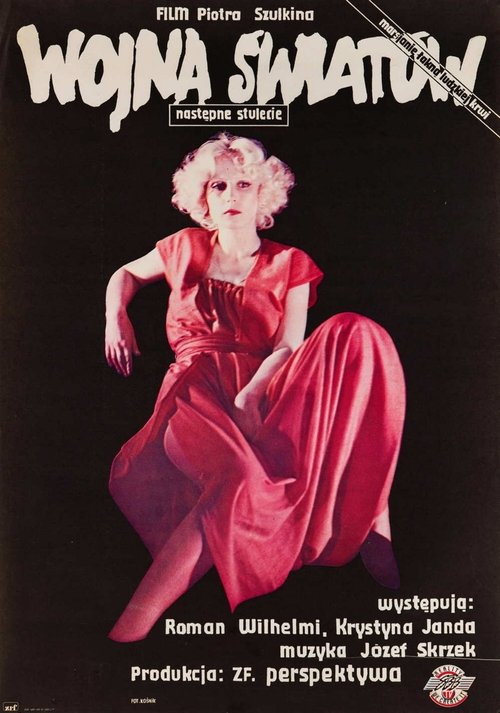
Poland, Christmastime. A band of hyperintelligent, bloodthirsty Martians take over the country and enlist hapless television newscaster Iron Idem as the voice of their propaganda machine. But when Iron dares to go off message, he makes an enemy even greater than the aliens—the state itself.
Journalist Anna is trying to make a documentary about an opposition activist she met years ago.
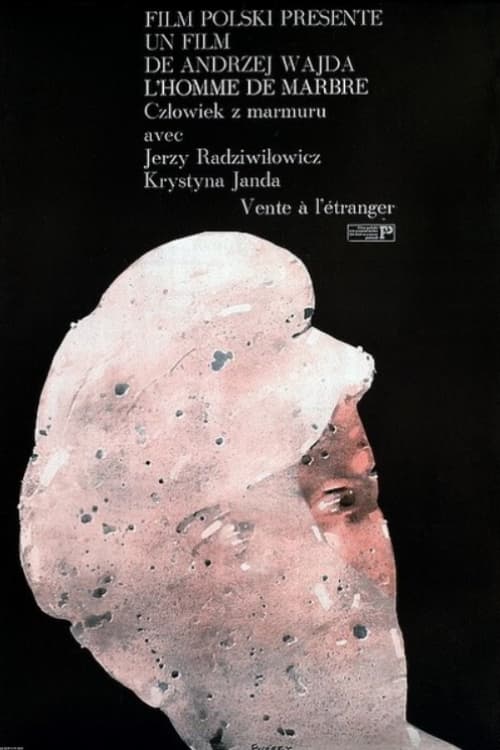
A young Polish filmmaker sets out to find out what happened to Mateusz Birkut, a bricklayer who became a propaganda hero in the 1950s but later fell out of favor and disappeared.
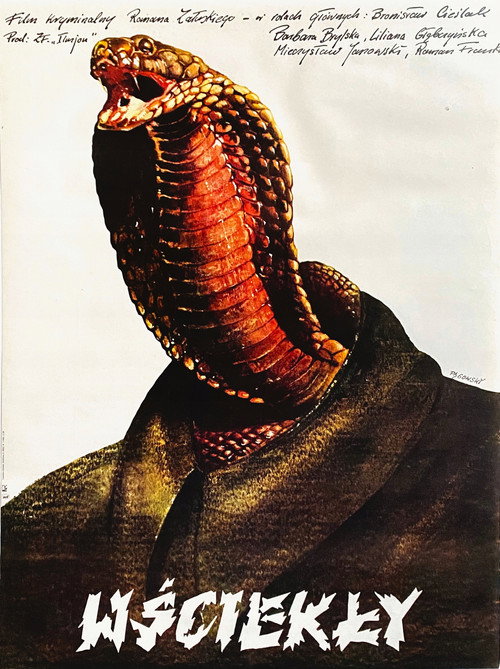
Detective thriller about a killer loose in the crowds. The film follows a sniper on his rounds looking for victims, while a police inspector, with few clues in hand, has to figure out the motive for the killings as well as who the psychopath is and where he might strike next. He uncovers that the mentally deranged sniper can't stand seeing people happy together in public places.
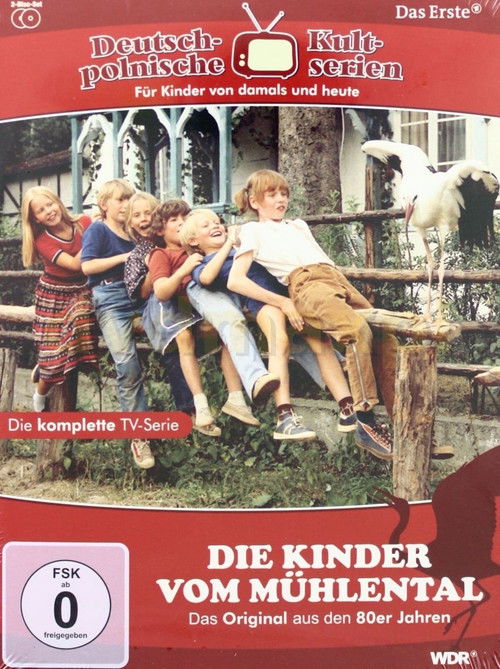
A cheerful series about the adventures of a group of children living in the countryside, produced in a Polish-West German co-production (the pictures were taken in picturesque locations in Dąbrowa nad Czarna, as well as in sand caves near Sulejów). The biggest attraction of the area is the historic water mill, which becomes a great place for fun for an amused crowd. As is usually the case in the countryside, its equal inhabitants are - next to people - animals. No wonder the little heroes become friends with them. And so days go by together. Almost each of them brings a new, amazing and unexpected adventure. The child’s imagination makes even ordinary events take on the flavor of fairy tales and mystery.
The film is a continuation of the 1984 film I died to live. Leopold Wójcik, faking his own death, returns to the underground. Unlike the previous part, the fate of the heroes is a fiction - a variant of events that could have taken place. The film had a sequel: Born for the Third Time (1989).
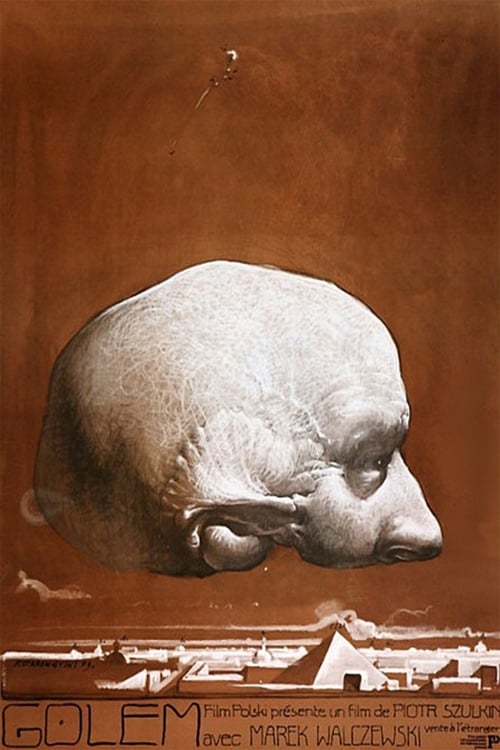
Pernat finds himself in a police interrogation, accused of a murder, and unable to recall any details of the crime, or even his own life. He's released back into a world of raving lunatics and deranged dentists, murderous doctors and scientists who believe the secret of human creation is inside the walls of a cast-iron oven.
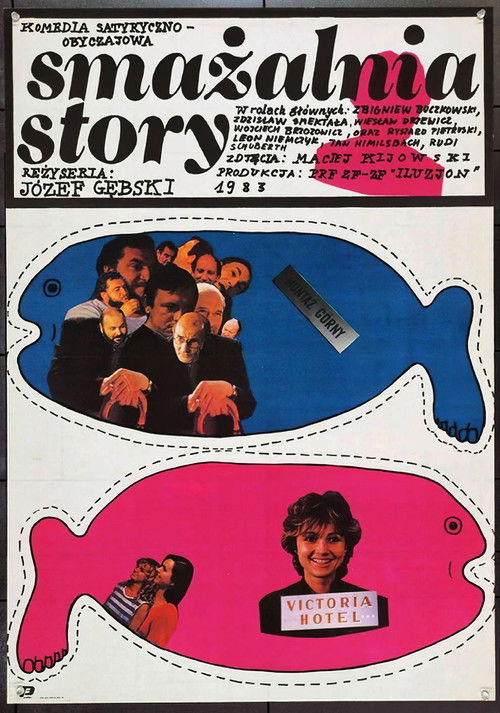
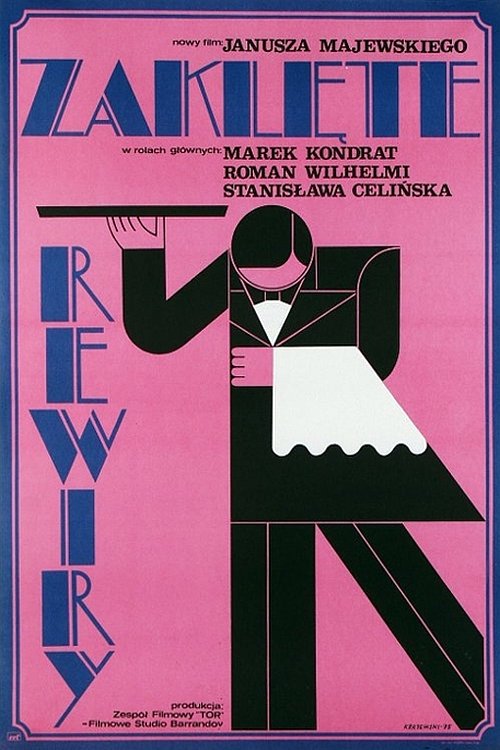
Set in the early 1930s, a young man finds a job as a dishwasher in a hotel and quickly works his way up the ladder. Loosely based on the novel by Henryk Worcell.
Teenager pretends to be mentally ill to get away from a reformatory.
Set in 1918, this World War I drama follows a group of Austro-Hungarian soldiers—Czechs, Jews, Italians, and others—confined in a provincial barracks under German officers. Subjected to the cruelty of a sadistic lieutenant, they rebel, humiliate him, and later attempt escape. Disguised as guards for veterinary surgeons in Budapest, the deserters are eventually recaptured and returned for court-martial, forced once more to face their tormentor.
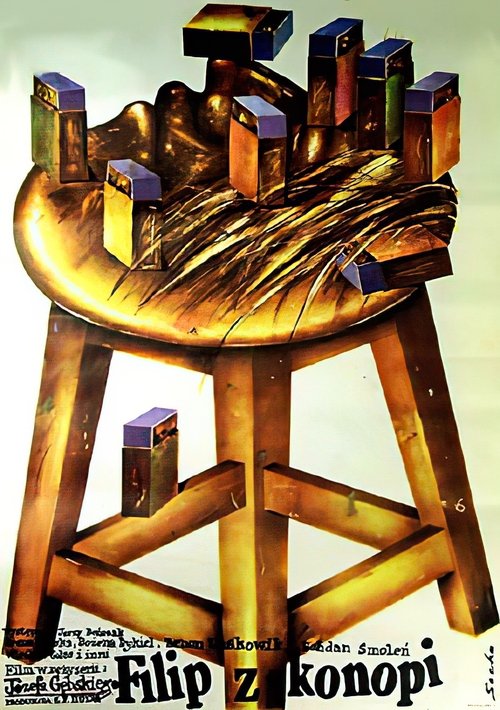
Wacław Kaczmarski has been breeding pigeons for many years, which is a family tradition (his grandfather and father bred pigeons before him). The birds are an important part of his life; he spends every free moment with them, and they are his escape from everyday worries. Kaczmarski and his family live in Targówek in old apartments that are scheduled for demolition. He gets a new apartment in Ursynów, where he immediately installs pigeon boxes on the balcony. The neighbors are outraged.
Stasiek, who lives in post-war Warsaw, discovers the true face of his parents whom he had so far idealized.