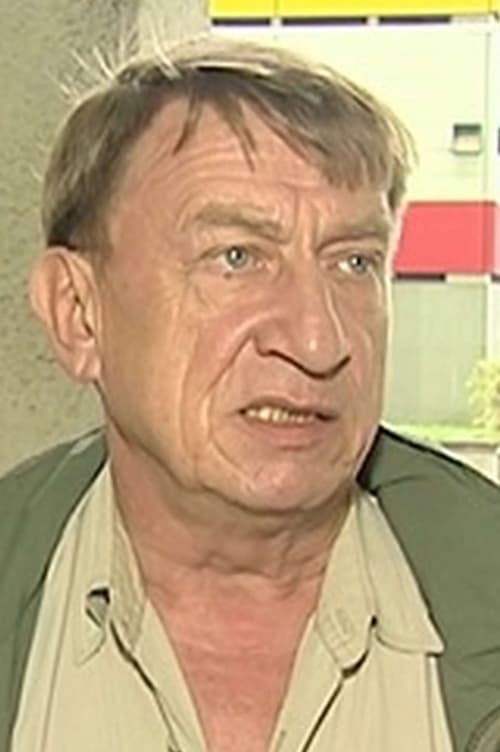
Ryszard Mróz
Acting
Known For
Ignacy Jan Paderewski returns to Poland. A journalist who is supposed to describe his arrival is called to the editorial office.
Powrót do Polski

The rise and fall of the most distinguished Polish-Roma poetess Bronislawa Wajs, widely known as Papusza, and her relationship with her discoverer, writer Jerzy Ficowski.
Papusza
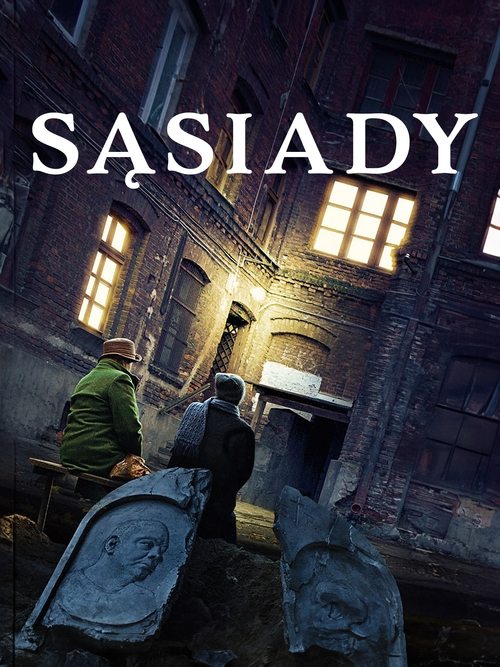
Ogrodowa Street in Lódz - just opposite a crowded shopping center, a state-of-the-art museum and a posh hotel - is where some of the city's poorest live, completely forgotten by the world. A heart-warming and funny portrait of people excluded from the mainstream of social life; people who might be more capable of sacrifice and love than those who pushed them to the sidelines of society.
Neighborhooders
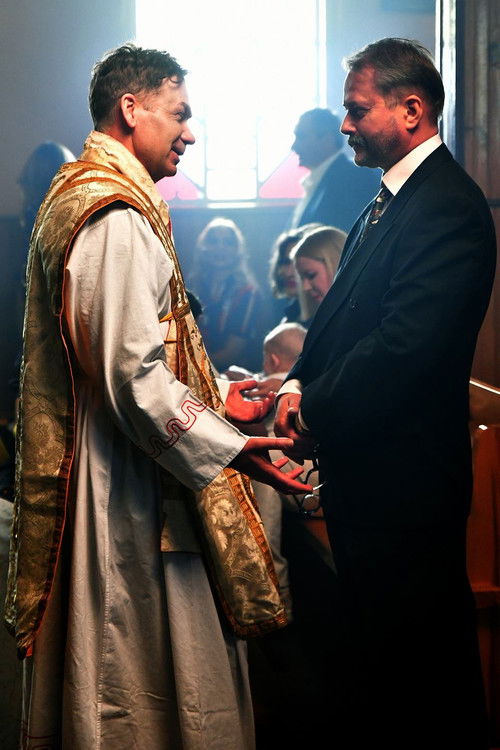
In 2011, a psychiatric patient is visited by a postulate. The patient is a retired head of the "D" Group – a secret department of the Security Service to fight against the Polish Catholic church. Murders, beatings, blackmails, provocations, robberies, those are standard methods of operation for its officers. The postulate wants to unravel the mystery of the death of priest Roman Kotlarz, a parish priest from Pelagow.
Clergyman
Jakub, who is dominated by his mother, invites a healer to his home.
Pokój dziecinny
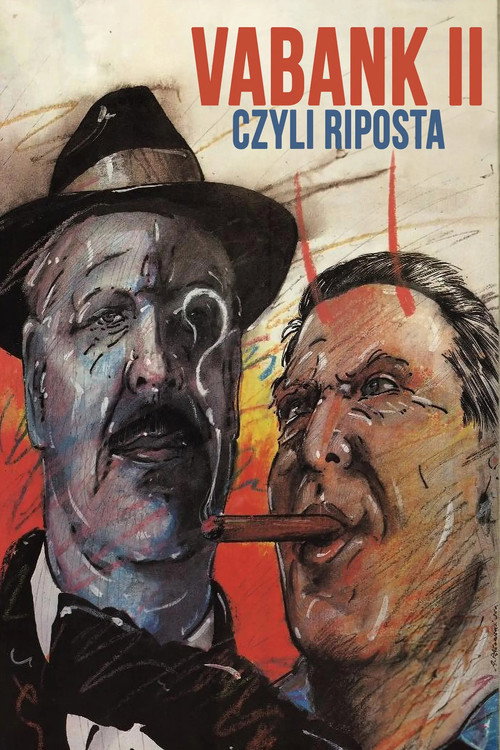
A sequel to "Vabank" (1981), introduces the same characters entangled in a duel between a former safecracker and a crooked bank manager.
Vabank II
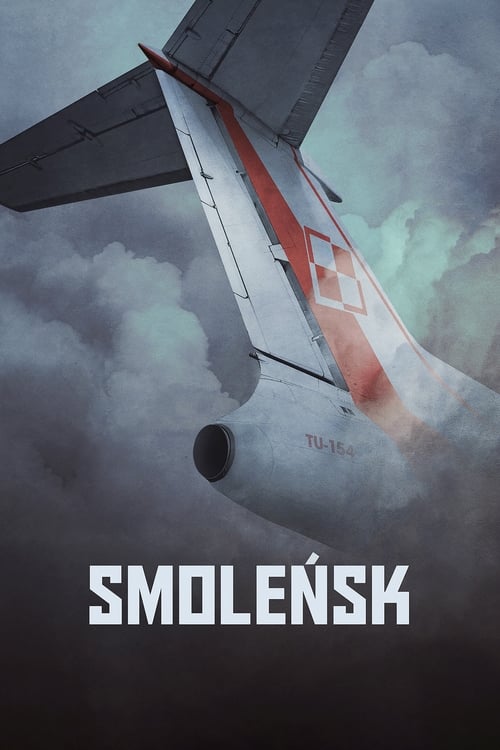
Inspired by true events of 2010 Polish Air Force Tu-154 crash in Smolensk, the film tells the partially fictional story of crash and various people affected by the tragedy. The protagonist is a journalist Nina, who refuses to accept the official version of the story and pursues her own independent investigation.
Smolensk
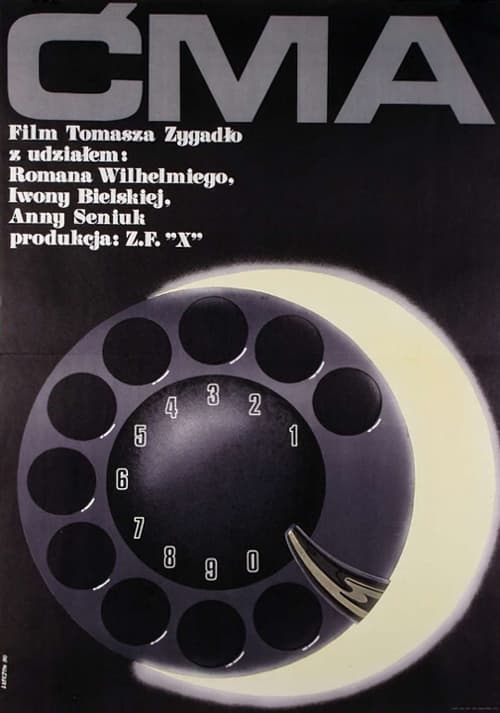
This is psychological drama by Tomasz Zygadlo begins as a straightforward story. Jan is the host of a nightly talk show in which he counsels people who call in with their problems. He is dedicated to helping these lonely souls but becomes increasingly disturbed when his co-workers and supervisors at the radio station do not appreciate his program; they seem unable to grasp the importance of what he is doing. Aside from that, Jan's private life is frayed around the edges. His wife is a heavy drinker and his mistress has no comprehension about who he is or what he is doing. Jan's frustration over this lack of recognition builds to an explosive level, threatening to upset the balance of his daily life.
The Moth
The final stage of the great artist's life, a stage in which Witkacy decides to destroy himself. A growing sense of danger, the futility of all actions, and fear of what is to come accompany him constantly during his escape from Warsaw to the East at the outbreak of World War II. Everyday facts and events are intertwined in the film with reminiscences and images from his life, supported by the artist's inner monologue. The style of narration and the way of filming make the film a poignant study of the writer's inner disintegration. By emphasizing the painterly quality of the image and introducing dreamlike themes, Kluba captures on screen the characteristics of both Witkacy's playwriting and painting.
Gwiazda Piołun
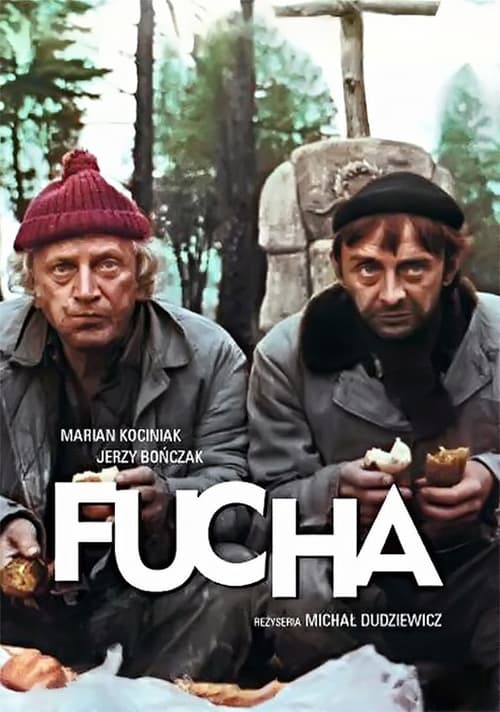
Stonemasons take part in the restoration of a historic tomb.
Fucha
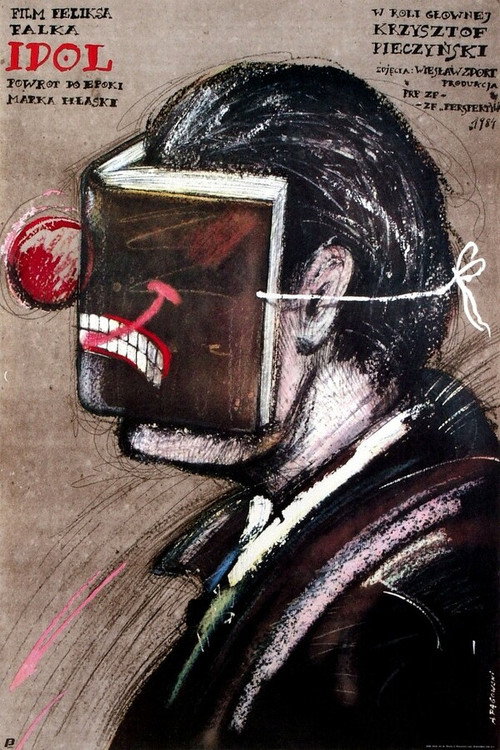
In 1969 a young writer decides to write an essay on a well known Polish writer, who had to leave the country in the 50's, later living, working and dying in exile. He slowly assembles the character and even the exterior appearances of his idol until his own identity tragically disappears.
Idol
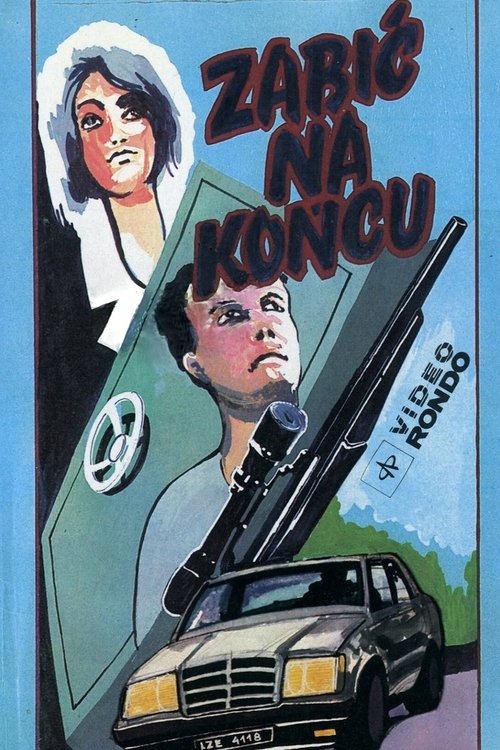
Two workers, bored with their current situation, decide to rob a famous movie director.
Zabić na końcu
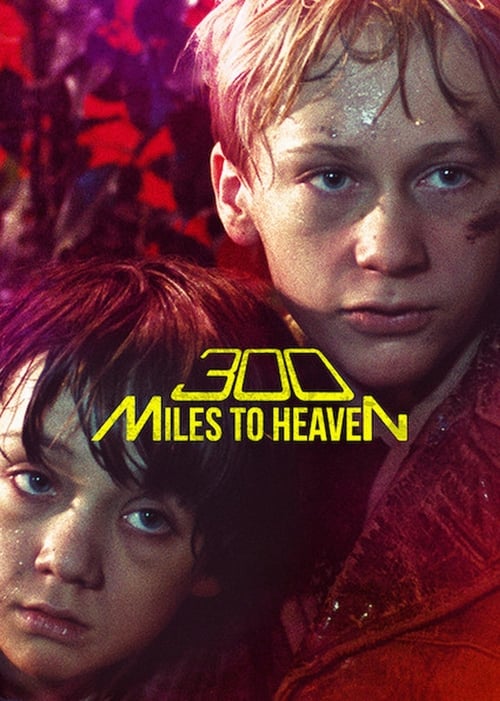
Based on a true story dating back to 1985 when two Polish boys, a teenager and his little brother, escaped from communist Poland all the way to Sweden, hidden under a truck. In the movie, their destination has been changed to Denmark.
300 Miles to Heaven

A peasant’s son rises through the ranks of post-war Polish society like none of his ancestors ever could. Moving to the city, he becomes part of a new socialist order. But in leaving his rural roots behind, does he also abandon his soul?
The Dancing Hawk
The image of the village at the turn of the 1980s on the example of the Małolepsza family from the village of Gudzewo. They manage a few hectares, the older children left for the city, they settled in, one of the sons even became a lawyer. Twenty-year-old Bolek stayed with his parents, a boy willing to "fight and drink", wandering with his peers as crude as he was, lonely, because most of the girls fled to the city.
W słońcu i w deszczu
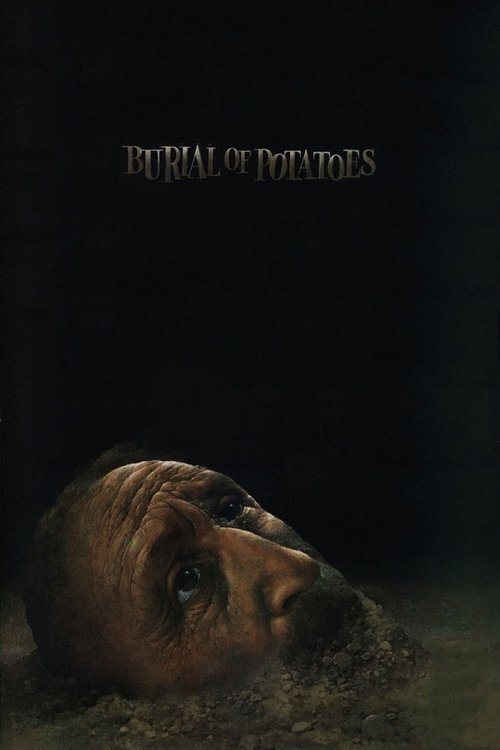
Set in 1946, the film tells a story of a Polish villager returning home after years in a concentration camp. Mateusz is an old-timer, a saddler, who finds nothing but hostility when he makes it home after years away. He is not a Jew, though the villagers brand him one and give him a hard time. They feel guilty about the death of his son at the end of the war, and don't want the father around. In the background: beginnings of the Communist regime in Poland.
Burial of a Potato
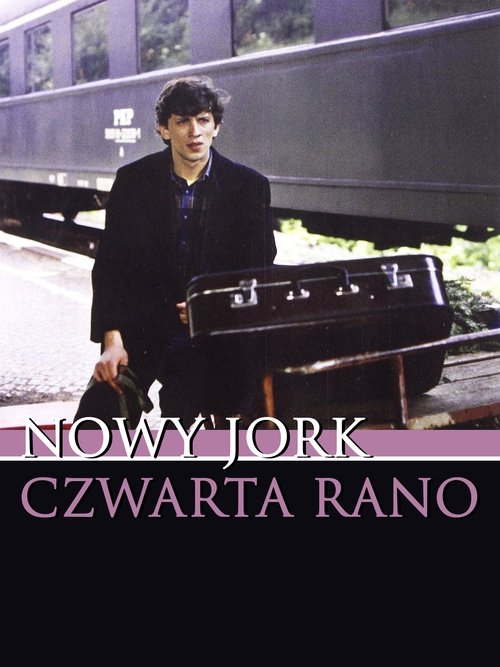
A sleepy provincial town with only one "Błysk" bar. If it weren't for the nearby prison, it would be forgotten to the world. This is how guests come. Agnieszka works in the bar and dreams of New York . Krzysiek and Józek love the girl. Józek tells her about a militia van carrying money.
New York, 4 A.M.
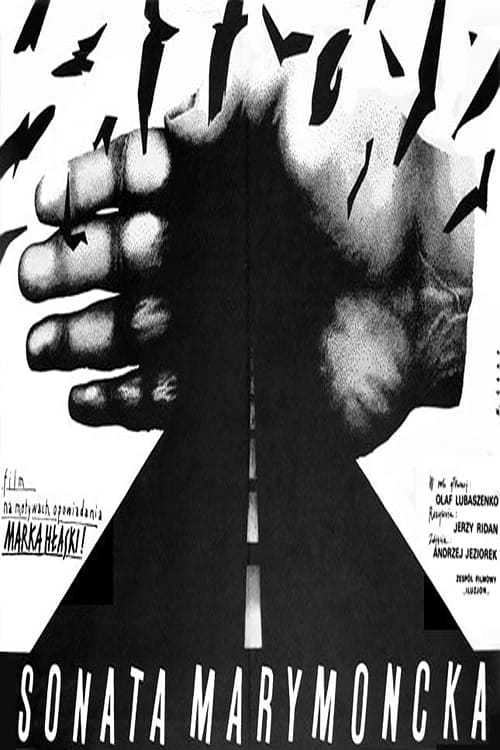
Main character, Rysiek, tries to live through dangerous times of war-torn and later stalinist Poland.
Sonata marymoncka
A music conductor, and family man, gets involved in a tragic accident. Luckily the operating surgeon has developed a pioneering medical solution. Loosely based on Roald Dahl's short story “William And Mary”.