Sound
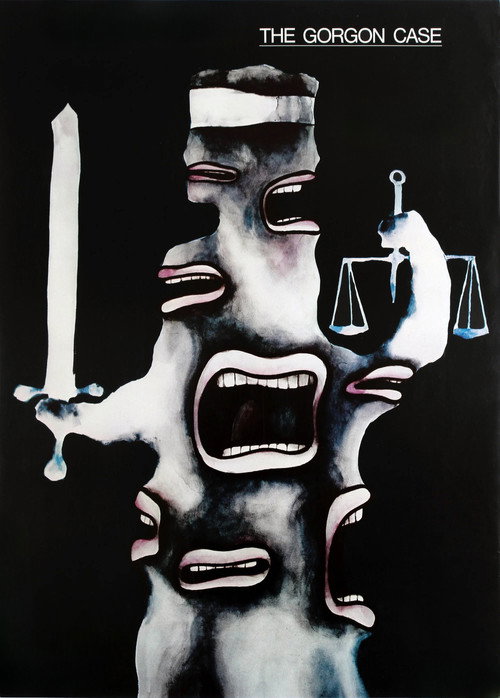
In 1931, just before the New Year, in a house of architect Henryk Zaremba scream rips the night. The daughter of Zaremba is found killed in her bedroom, obviously killed with a pickaxe. The police arrives and starts the investigation. Rita Gorgonova, the governess of the girl and also lover of Zaremba becomes the main suspect.
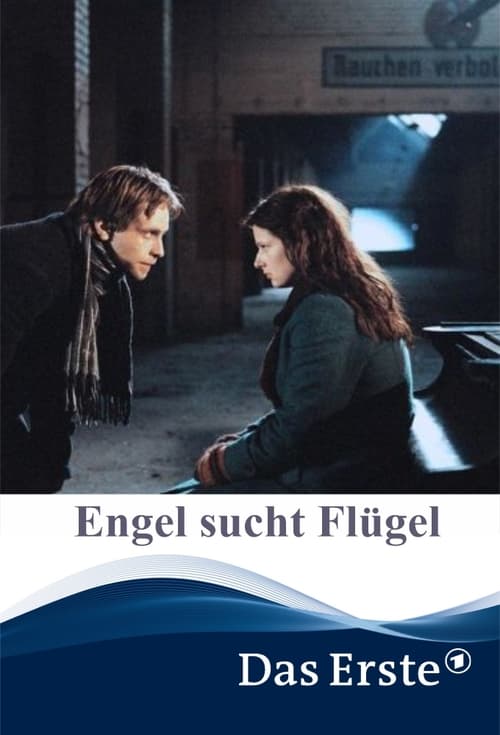
A bittersweet tale about three people - a young pianist, a moody antique dealer and a notorious thief - who are transformed by love.
Set at the turn of the century, the story concerns a Polish poet living in Cracow who has decided to marry a peasant girl. The wedding is attended by a heterogenous group of people from all strata of Polish society, who dance, get drunk and lament Poland's 100-year-long division under Russia, Prussia, and Austria. The bridegroom, a painter friend, and a journalist each in turn is confronted with spectres of Polish past.
When a political decision is made as to the location of a new large chemical factory, Stefan Bednarz is put in charge of it. This honest communist party man has to confront the local community opposing the construction.
The film presents a juxtaposition of the author's photographs of Memling's triptych "The Last Judgment." It poses the problem of choosing good and evil. Images of atomic explosions, the rubble of a burned-out city and the mocking laughter of the devil.
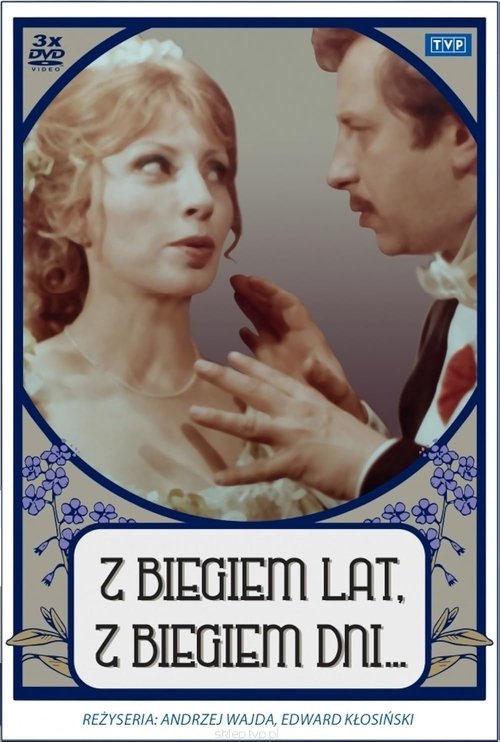
Created to mark the 60th anniversary of Poland's regained independence, Andrzej Wajda's acclaimed seven-hour stage production As the Years Go By, As the Days go By... follows two Kraków families between 1874 and 1914.
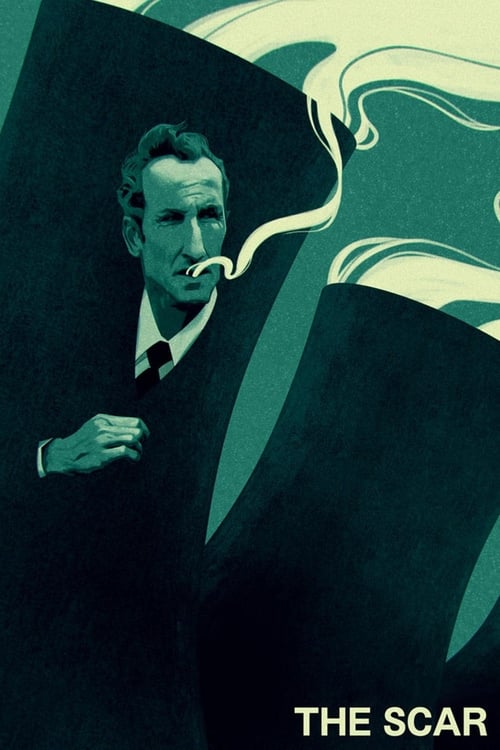
An elderly man returns to Poland to find his long-lost son, missing since World War II. In his quest the man is forced to contemplate the elusive and coded nature of truth itself.
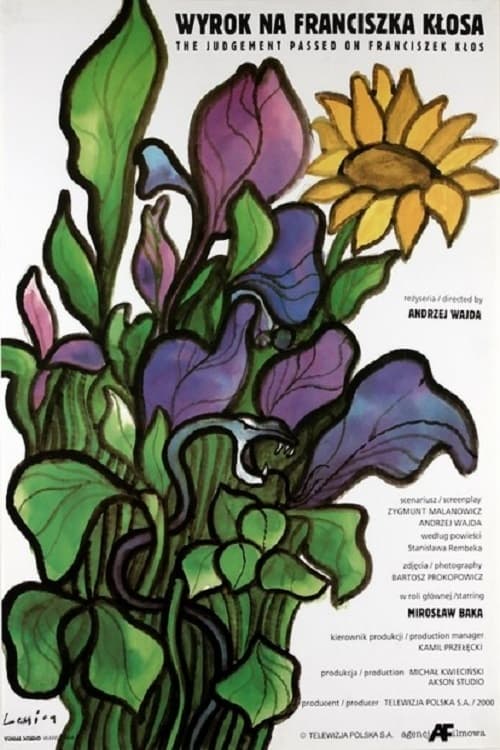
During the German occupation of a small Polish town, Franciszek Kłos, a lowly local policeman, will stop at nothing to become a Volksdeutsche. Eager to prove his loyalty, he zealously carries out the occupiers' orders. What begins as administrative compliance soon escalates when he commits his first murder of a fellow Pole. Condemned to death by the Polish underground, Kłos outwardly shrugs off the sentence while quietly drowning his growing fear in alcohol. As his inhibitions crumble, he descends deeper into violence—participating in the roundup and execution of hidden Jews, and earning a reputation for brutality even among the SS.
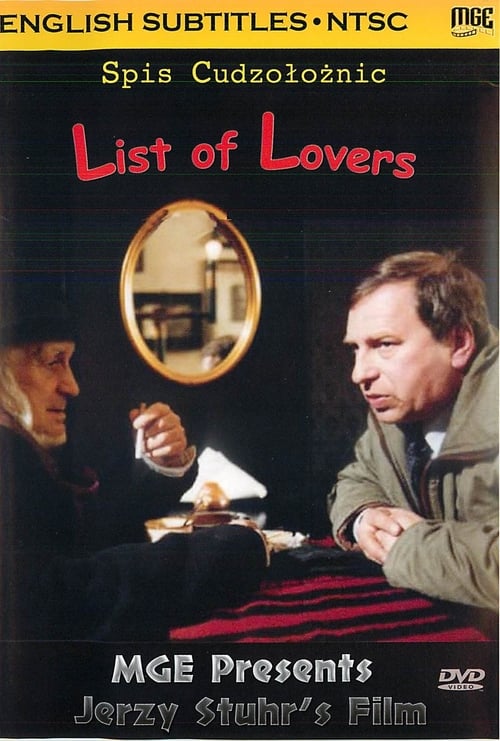
Jerzy Stuhr Poland s most beloved actor wrote and directed this charming comedy that caters to his image as an innocent caught in a cynical world. Stuhr stars as Gustav, a Krakow professor who is roped into showing a visiting Swedish professor around town. The randy Swede soon tires of Gustav s dull dissertations on Polish heroes and suggests looking for female companionship, but the task proves beyond the skills of the shy academic. Eventually, Gustav calls Isa, an old girlfriend from his distant past who was writing a dissertation on the mating habits of geese the last time they spoke. While Isa is not what the Swede had in mind, Gustav sees his old flame through the rose-colored glasses of time.
At the Old Theater in Krakow Wajda staged a play in 1971, based on Dostoevsky's novel "Demons". In this documentary Wajda tells the story of the unique play that went on uninterrupted for 10 years despite opposition from the authorities.
Former soldier take up a fight with a bunch who attacks his home village
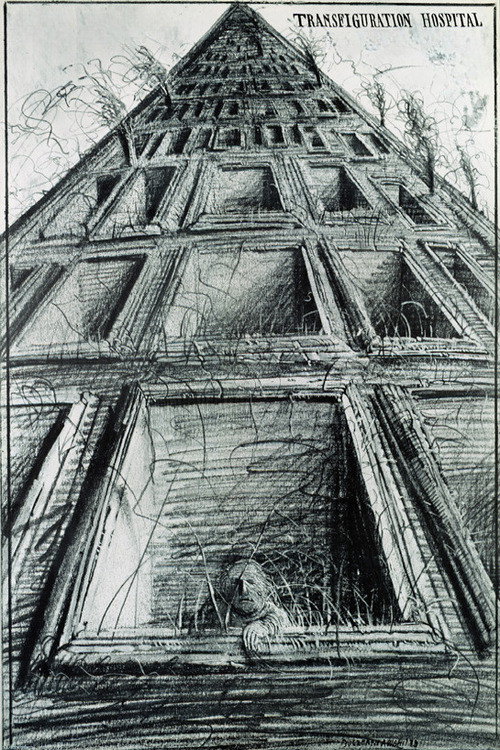
The beginning of the occupation. A closed mental world for the sick. Dr. Kauters values only methods of resolution, Dr. Rygier is a believer in strong authority, Dr. Marglewski considers psychic property a form of haunting, Dr. Nosilewska left Austria after the Nazi occupation. The writer Sekułowski seeks shelter. The young, newly arrived doctor, Stefan, refuses to remain passive in the face of the situation and events...
Rehearsals for Chekhov's Three Sisters are underway in the theater. The team creating the performance is entangled in complicated relationships, they feel pressure. Success or failure no longer depends only on them, but they still try to realize their own ambitions and dreams.
Edek, a teenager on the cusp of adulthood finds his first crush in Basia. His father, guilt stricken after the war took his wife and two daughters believes that his son falling in love will take his son away from him and desperately tries to put an end to his budding relationship.
Set in 1905. The story focuses on a young and inexperienced man in a revolutionary execution squad. He does his killing job out of idealism, and for the love of a woman. The young student murders a Russian spy and is afterwards arrested by the police. Much to his surprise he is released after a session with the traitor-judge, hinting at some leaks in the organisation. Student reports his suspicions back to the organisation, but in response is given a new hit mission.
A teenage boy from a respectable family, Stanisław Czajkowski, dies in mysterious circumstances in a Krakow guesthouse. His brother-in-law, Count Maksymilian Rotter, married to Stanisław's older sister, Ksawera, is accused of the murder.
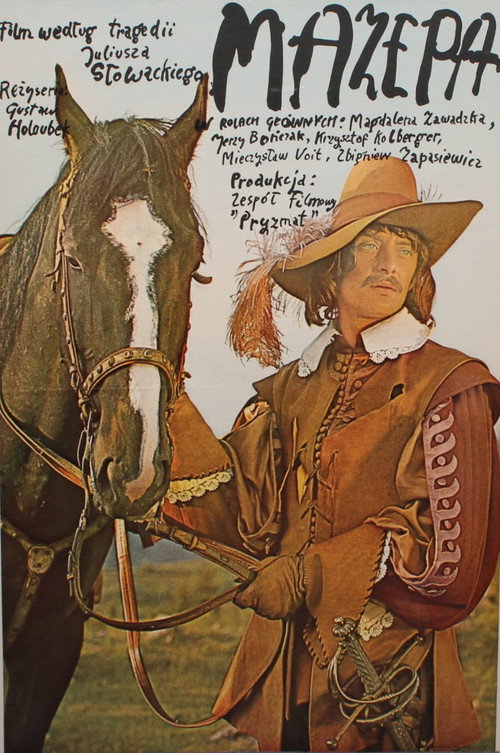
King Jan Kazimierz, Mazepa, a young Cossack from the king's entourage, and Zbigniew, the voivode's son from his first marriage, are all in love with Amelia, the voivode's wife. Dramatic coincidences and misunderstandings lead to a tragic ending. Zbigniew commits suicide, Amelia dies, the voivode orders Mazepa to be captured, stripped naked, and tied to a horse, after which he releases him, while he himself kills himself with a dagger in front of the king.
A police chief conducts a an investigation into murder, of which a local recluse is suspected.
Two teenagers try to live together as adults, but new responsibilities overwhelm them.
An unemployed English teacher has private lessons with the fiancee of a mysterious American. When the foreigner suddenly disappears, the woman asks the teacher to help her find him.