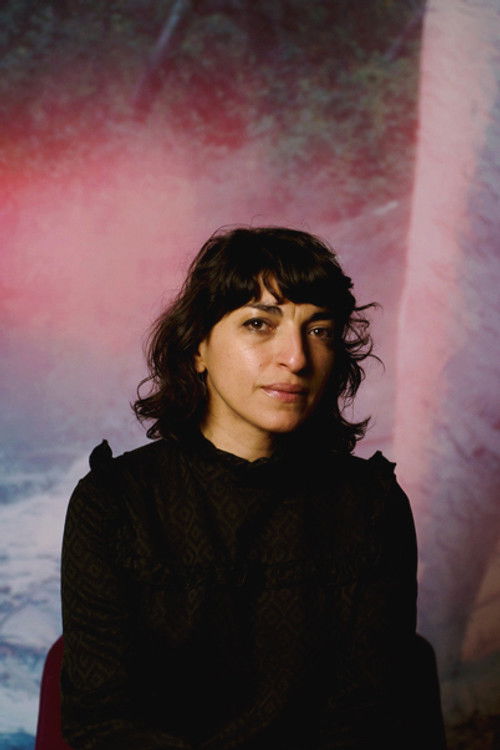
Bani Khoshnoudi
Directing
Biography
Bani Khoshnoudi (Tehran, 1977) is a filmmaker, visual artist, and writer. Her work explores themes related to revolution, modernity, and their impact on memory, exile, and migration. In 2022, she received the Herb Alpert Award in the Arts. She is the founder of the audiovisual production company Pensée Sauvage Films.
Known For
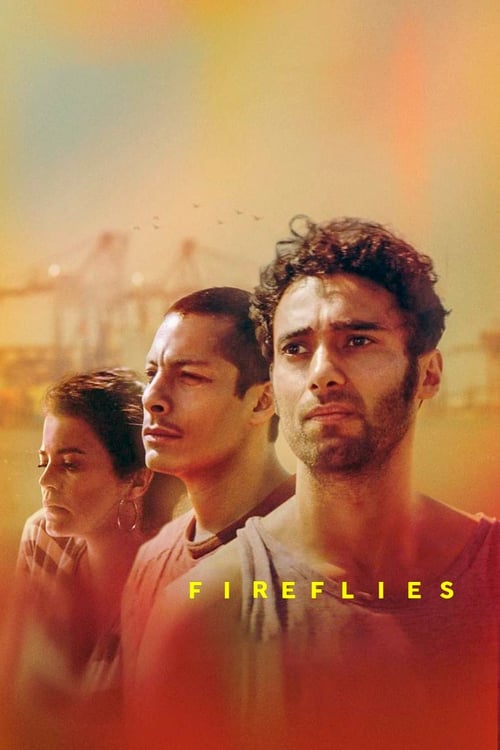
Ramin flees from persecution in Iran and ends up living in the limbo of exile, far from everything he knows, in the tropical port town of Veracruz, Mexico. There his nostalgia and melancholy are confronted with new friendships, while he starts to rediscover his own desires.
Fireflies
No description available.
Sap

Exiled from Iran after the ban on her 2009 film about the Green Movement, a filmmaker breaks her family’s decades-long silence about a disappeared cousin, executed during the 1988 purges in political prisons.
The Vanishing Point

Ziba is an upper-class housewife in today's modern Tehran. Unable to relate to her environment or to her alienating life, she lives within her repetition unable to express to those around her what is wrong. But one long summer day, Ziba finds herself in an unexpected situaiton in the company of people unknown to her, confronted with her own choices and indecisions. Not a character portrait per se, this film works as a visceral metaphor of the general state of oppression and silence in Iran today.
Ziba
This video in two screens (for a projection or an installation) proposes a reflection on the place of immigrant workers in modern society, as well as an observation of the foundations of our cities and our cemeteries.
Scaffold
“Exiles, refugees, undocumented migrants – whatever word we use to talk about it, the movement of human beings across the planet is a millennia-old and repetitive story, following the formations of our civilizations, their catastrophes and sometimes their downfalls.” By exploring the idea of the traces left by the movement of peoples since millennia, and immersing herself in the current context, Bani Khoshnoudi proposes a new film questioning the ethics of society in the face of the movement of human beings. In parallel with this film, she invited Italian dancer Valentina Campora to probe on stage the gestures and movements of the body (despised, misunderstood, politicized) in transit.
Transit(s): Our Traces, Our Ruins

The Silent Majority Speaks collects images from several different cameras secretly recording the protests in the wake of the fraudulent June 2009 Iranian presidential elections. Clandestinely made and signed by the “Silent Collective,” the film mixes of-the-moment footage of the rise of Iran’s Green Movement with glimpses of revolutions long since suppressed and snippets of narration that recall a century of turbulence.
The Silent Majority Speaks
A Zapotec man from the future tells the story of how in the 21st century a new invasion of “foreigners” was afflicting his village. While people in Europe were suffering a crisis that made them lose memory and a sense of their culture, a group of youth in his village in Oaxaca was trying to document their own culture by making a film during Carnival rituals. While the youth are pushed to invite a director from the city to come help them, ultimately changing their project to be a remake of Ingmar Bergman’s THE SILENCE, a Swedish woman comes exploring in search of magical lizards that could be the next remedy for memory crisis back home. Characters mix and stories blend into each other in this absurdist and melancholic lo-fi/sci-fi story narrated as oral history with multiple voices.
The Outlander
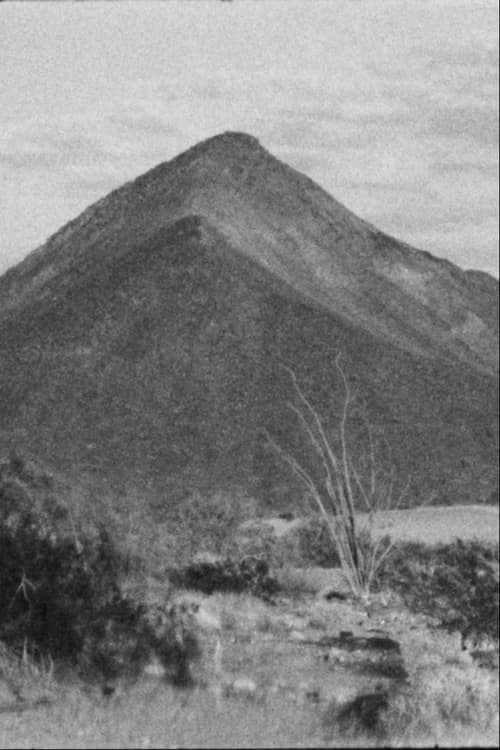
El Chinero is a rugged hill in the desert, 140 km south of Mexicali in the Baja California region of Mexico. Nobody knows since when it bears its name, but everyone has heard of a tragic episode that took place here in 1916… Or were there many such episodes ? A few years after the Mexican Revolution of 1910, a massive exodus took place within the country, as deportations and violence targeted Chinese and Asian migrants who had settled in Mexico for many decades. Despite a lack of documentation about the site, it is thought that many people died here while crossing the desert from mainland Mexico. Myth and identity, reality and fiction, ghosts and memory. El Chinero can in some way be seen as a monument to the memory of these forgotten, anonymous people while not officially being one. A site of tragedy with no traces nor remnants to be seen. How can one fill this memory void with images and artifacts in an attempt to construct an archive where none exists ?
El Chinero, a Phantom Hill
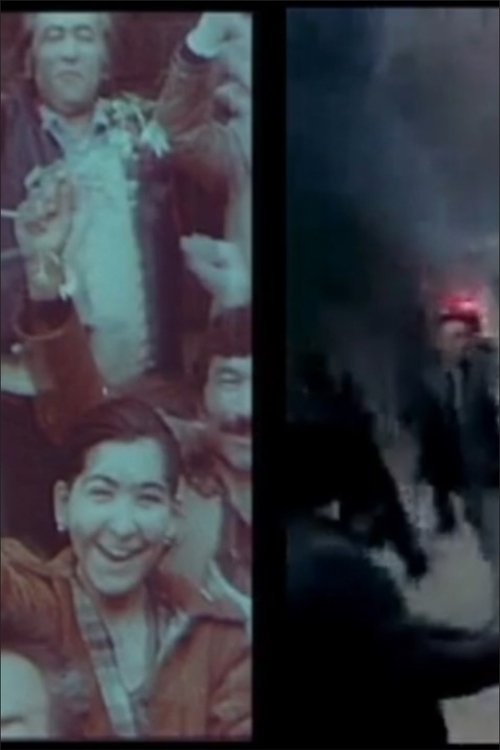
Working with archival images from a key historic moment—the Iranian Revolution—the image-based study explores notions of duration (cinematic and historical), memory (virtual and image-based), and their sensory and emotional (affective) impact as historical and potentially ‘revolutionary’ themes. Repetition is explored as a principle of memory, as an aesthetic device, a space to inscribe meaning. Repetition is also explored as historical mimesis, as an eternal return, and as a possibility for reinvention. Finally, repetition is a means to question the role of agency in human nature. This image-based study is a work in progress and is carried out incrementally, whenever the need arises to examine, excavate and repeat the memory.
Paradox of Time : Studies in Memory
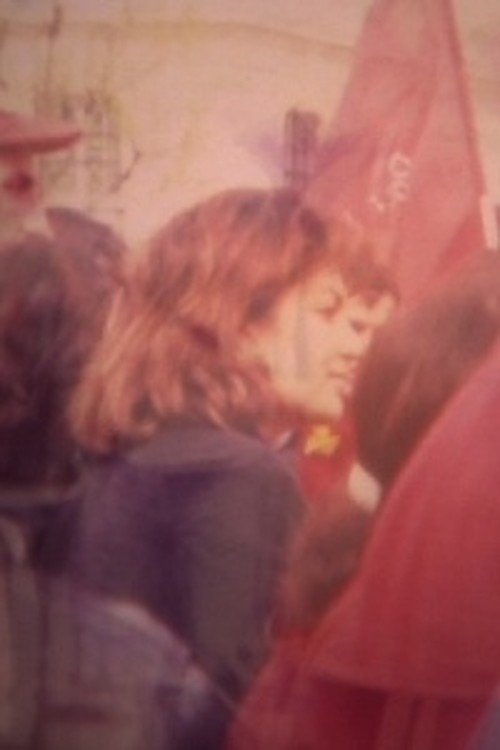
Filmed on Super-8 during a demonstration of Kurds in Paris, Cem joins the idea of a collective body. The "cem" or "jam" in Persian and Kurdish means being together, united; the term also refers to Sufi gatherings, always manifested through dance.
Cem
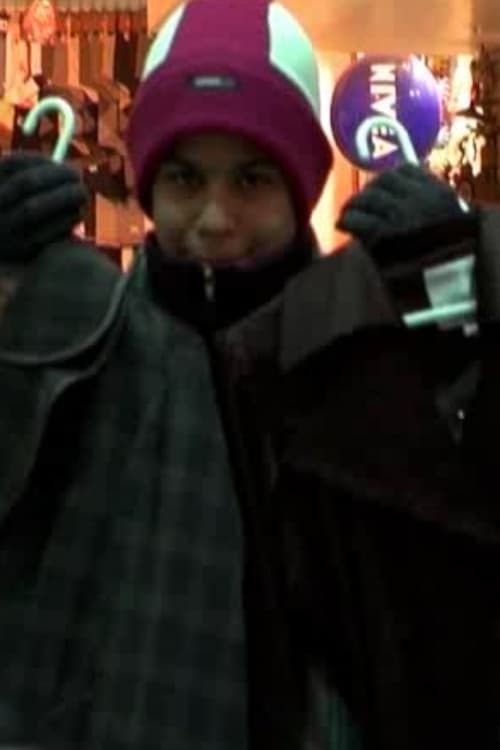
Almost thirty years after the revolution, and twenty since the end of the long Iran-Iraq war, A People in the Shadows takes us on a voyage into the heart of Tehran, a megalopolis of 14 million people. The city is still recovering from its past, as talk of sanctions and a possible American attack resonate. Using direct cinema methods, the film takes an intimate look at the way people live in this immense city today, caught up in the paradoxes and contradictions of their society, surrounded by images of past and future death, yet finding ways to juggle state propaganda and foreign threat on a daily basis.
A People in the Shadows

On the road to England, Arya, a young Afghan boy, crosses Europe's borders with other exiles. Near Italy he is separated from the group and sent by smugglers towards Paris. In Paris, in a small "transit" room, Arya meets Khorshid, a young girl who has lost her family on the road and who now lives victim to the desires of the smugglers.