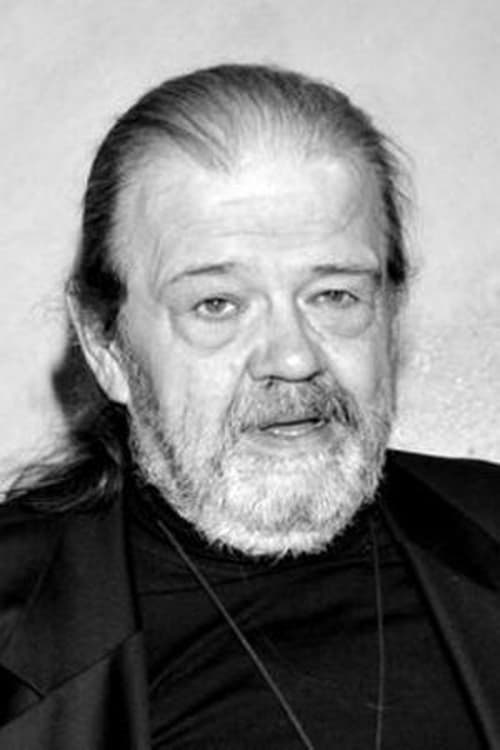
Jan Prochyra
Acting
Known For
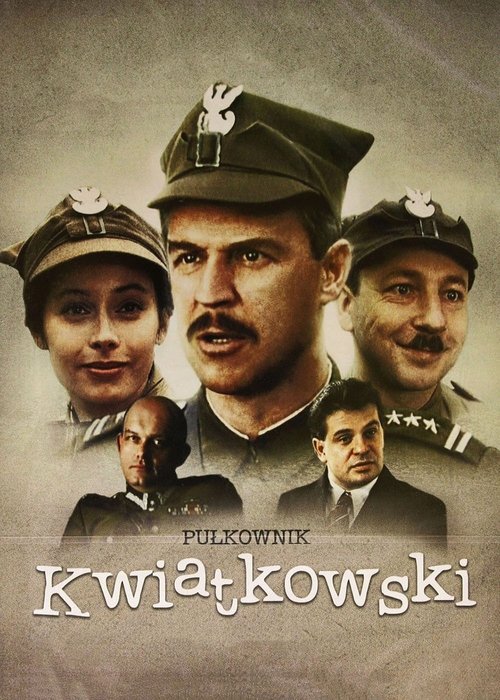
Military doctor Kwiatkowski, serving in a barracks hospital on the Western Territories, is rewarded with a week’s leave after successfully operating on Colonel Kiziora of the UB. He and his friend steal a truck bound for Warsaw, where among the ruins of his former home he meets his prewar neighbor Krysia, instantly falls in love, and, after a brawl with a Russian officer at a dance in the surviving “Polonia” hotel, pretends to be a high-ranking UB colonel to save face.
Colonel Kwiatkowski
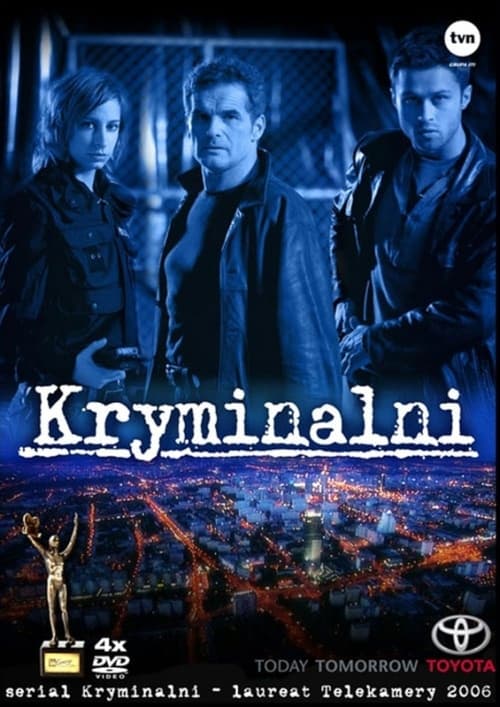
Kryminalni was a Polish crime drama television series that aired on TVN network from September 18, 2004 until May 24, 2008. It ran for 8 seasons and 101 episodes were broadcast in total. It was created by Polish director and screenwriter Piotr Wereśniak and produced by MTL Maxfilm studio. The series followed life and work of police officers from the elite Criminal Terror and Murders Division of the Warsaw Metropolitan Police; the title refers to police officers in the crime section. The three main characters were Adam Zawada, an experienced, tough cup, his younger colleague Marek Brodecki and Barbara Storosz, an ambitious female officer who in the first season joins the team just after graduating. Although none of the main actors had had star status before the series debuted, all three of them rose to prominence and popularity during the 5-year-long run. Many of Poland's best known actors guest starred, usually playing roles of people involved in just one particular investigation. The serial was one of the most popular in Poland: each week it had an audience of 4 million.
Kryminalni
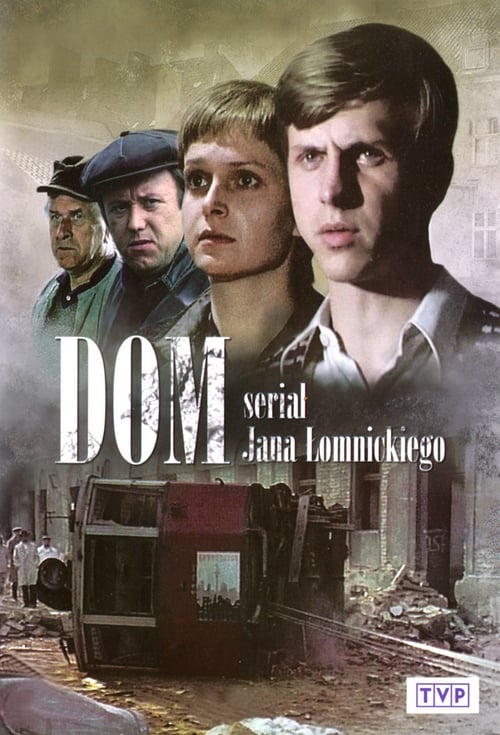
The story of the residents of a tenement house on Złota Street in Warsaw from 1945 to 1980.
Dom
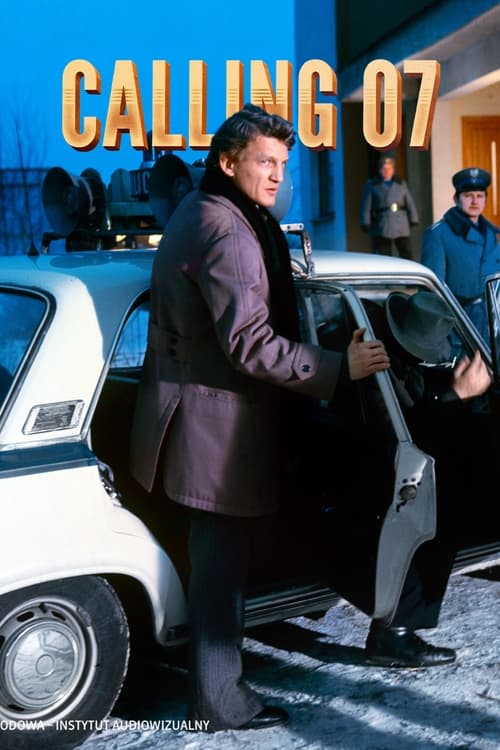
The series centres around the investigations of Police Lieutenant Sławomir Borewicz. Each episode features a different case being solved by Borewicz.
Calling 07
No description available.
Zezem
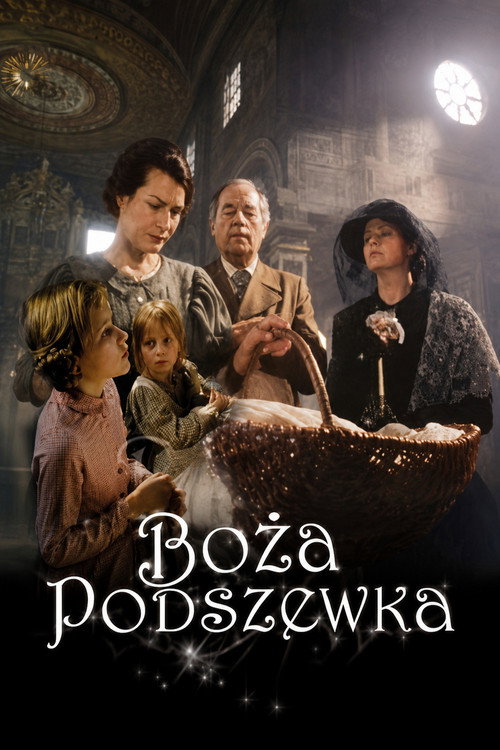
God's Lining presents the dramatic fate of Marianna Jurewiczówna, her family, and the inhabitants of the Vilnius region from 1900 to 1945. The series begins in 1900, when Marianna, the youngest child of Maria and Andrzej Jurewicz, is born. Through Maryśka's eyes, we meet a succession of characters passing through the manor: the order-takers (Bartłomiej), the slackers (e.g., Mickiewicz), the peasant farmhands (e.g., Antośka), the servants (e.g., Walunia), and various misfits, rejected and ridiculed (e.g., the foolish Maryla), just like the main character. Marianna Jurewiczówna is called "niedonosek" by her family because of her premature birth; she feels unloved and rejected, misunderstood, and different. The series concludes in 1945, during the so-called first repatriation.
Boża podszewka
Adaptation of several autobiographical novels by Zbigniew Uniłowski, a well-known writer of the interwar period: "Common Room", "Recruit Day", "Twenty Years of Life". The first three episodes are a story about the maturation of a teenage boy in a poor urban environment. The next ones show an adult hero who tries to become a writer.
Życie Kamila Kuranta
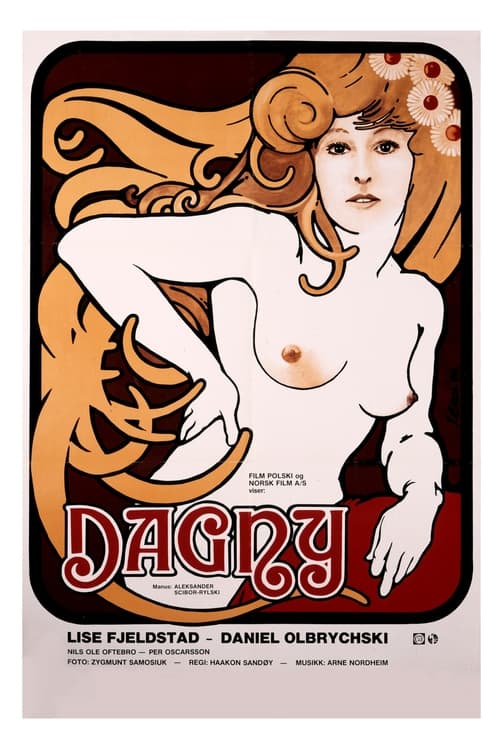
Dagny Juell was the doctors daughter who left Kongsvinger for Berlin to study music, and became famous painter Edvard Munchs mistress and model. Than she ran into August Strindberg. They had a brief affair but after a couple of weeks Dagny left him for Stanisław Przybyszewski.
Dagny
Series based on the stories of Jarosław Iwaszkiewicz “Młyn nad Utrata” (1936), “Młyn nad Lutyniu” (1946) and “Młyn nad Kamienna” (1950). The action of the miniseries takes place from 1928 to the 1950s.
Trzy młyny

In IX century Europe, on the brink of Poland's birth, a cruel prince, Popiel, murders his cousins to ensure his son's succession. His crimes lead to an uprising of his subjects lead by the former commander of Popiel's army, Piastun, and a young hunter and warrior, Ziemowit. Meanwhile Ziemowit falls in love with Dziwa, lovely girl who is to become a priestess in the local temple ...
The Old Fairy Tale: When the Sun Was God

A Chicago cop goes to Poland to get the hoods who killed his brother. When he finds out they belong to the local outfit of the Russian mob, he takes on the outfit's boss, as well as Dr. Lem, who handles illegal organ trade for the mob.
Blood of the Innocent
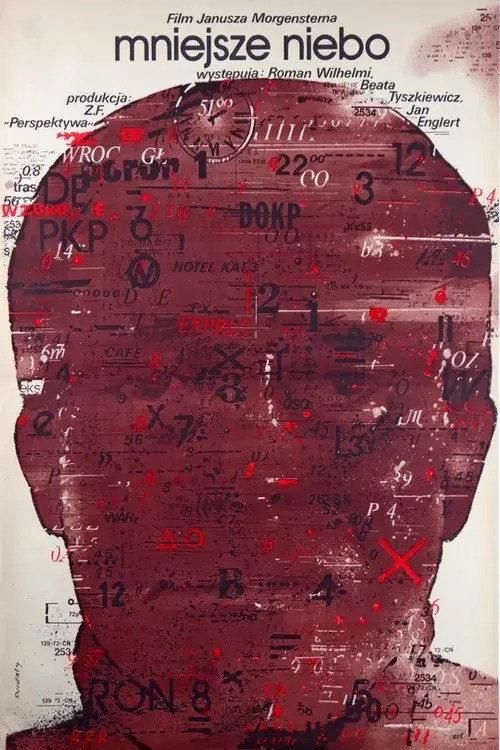
A story of a dropout out of a succesful career and a loving family. He goes to a local railroad station, then checks into a hotel and refuses to leave despite visits by a psychiatrist and his own son. He watches people daily at the station. A tv reporter is trying to come up with a story which would help him to save his job. He likes to chase women and the dropout's wife is one of his targets. He gets interested in the story of her husband and tries to make a program about mysterious individual. Once the tv crew arrives to the scene, the subject tries to hide and ends up on the roof of the station, where he catches a glimpse of sunshine - the "smaller sky" - before stepping onto a glass roof and falling to his death.
The Smaller Sky
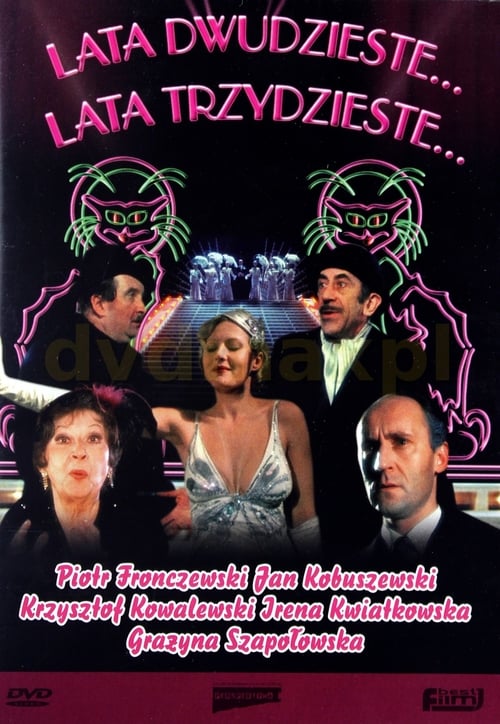
On the way to Warsaw after a crude oil fraud in southern Poland, conman Adam Deren meets singer Liza. He decides to invest his money in a venture deemed to be a failure - a small cabaret where Liza could perform.
The Twenties, the Thirties
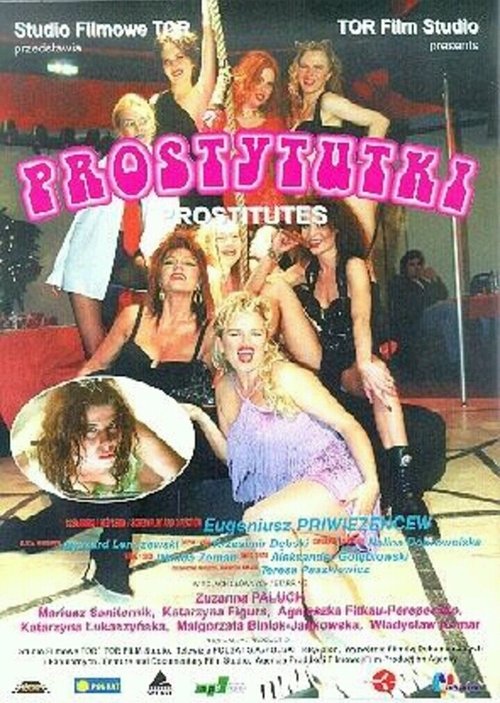
In the life of Ula, a twenty-year-old very pretty girl, nothing good has happened so far. Poverty, her father an alcoholic abuser to his family, finally an illegitimate child, raised alone ...
Prostitutes
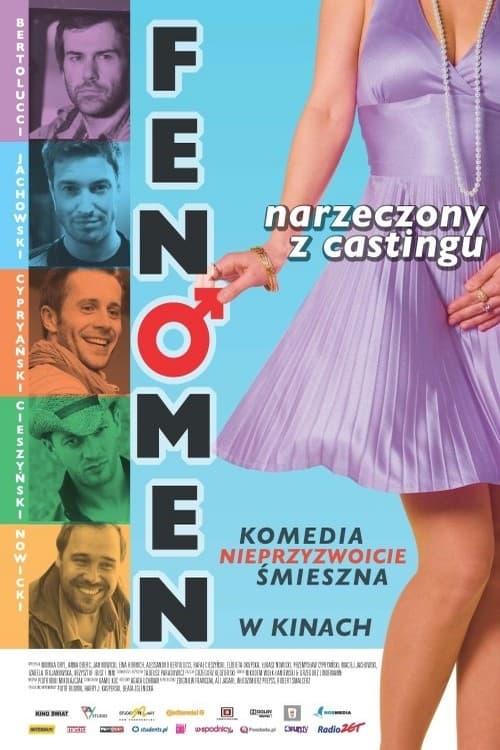
Olive is the daughter of a millionaire, spoiled by her loving dad, who fulfills her every whim. Deep down she dreams of true romantic love. Her best friend Jadźka tries to match her at every turn. Just like her friend she ends up with the wrong men. Their search for love is woven into the story of an unusual film production. Despite having no experience, the girls become producers. What will come out of this? Agnieszka is a star of soap operas, a top actress who has already achieved "everything" at a young age. She has fame, money, a boyfriend. She runs away from the set, swaps her limousine for a toddler, abandons her man. Is this just a star's fad? Meanwhile, a huge casting is organized in Plock, thousands of people come together. Everyone wants to present themselves as well as possible.
Fenomen
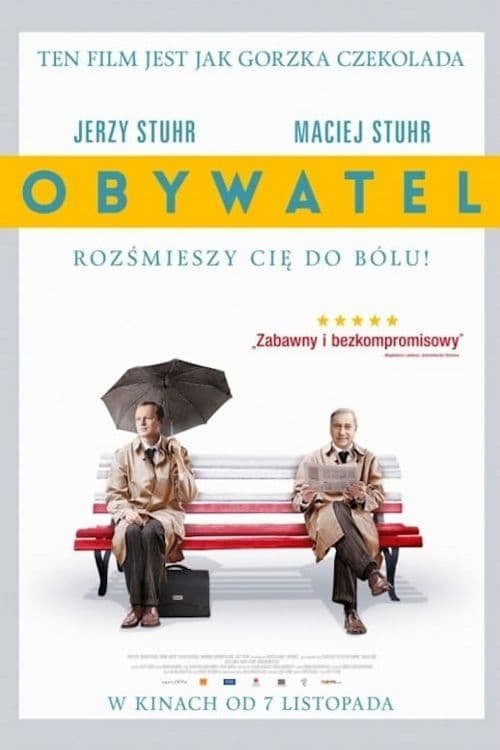
An attempt at depicting the life of a generation born and raised in communist Poland; a generation that lived through all the stages of that system and made it to democracy. Throughout his life, the film's protagonist has always tried to be active, but something always got in his way, either through an absurd coincidence, as a result of his own lack of ability, or due to the unpredictable nature of certain events in our recent history.
Citizen
Bronek Pekosinski lives in Zamosc, Poland. He is probably 83 years old. He has no family and does not really know who he is. Everything about his life is fictitious: symbolic is the date of birth - the day World War II broke out, as well as his surname - after PKOS, an abbreviation of a charitable institution, and the place of birth - the Nazi concentration camp, from where his mother threw him over a barbed wire fence. Even his friends and guardians turned out to be false. Only his loneliness and his hump seem to be authentic. Two great powers have vied for young Bronek's soul: Roman-Catholic church and a totalitarian state. He fell into alcoholism. Partially paralyzed as the effect of cerebral hemorrhage, he is fired with an ambition of acquiring a mastery in a game of chess.
The Case of Bronek Pekosinski
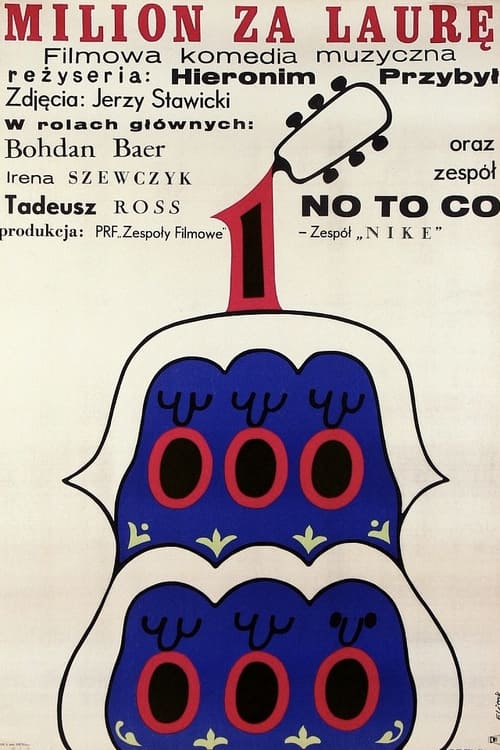
An antique guitar brings upon a series of increasingly fantastical encounters.
Milion za Laurę
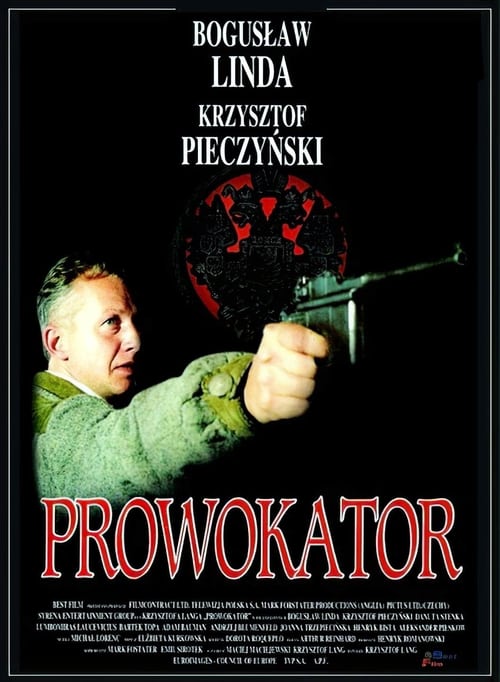
Warsaw, 1909. Arthur Herling makes an assassination attempt on a Russian police official and his family. During the action, the officer's daughter is killed and his wife is maimed. The wounded militant is arrested. Tormented by remorse, Herling agrees to cooperate with the tsarist authorities as a provocateur. Into his cell comes Adam Tanski, suspected of having contacts with the wanted conspirator Andrzej Woyda. One day, while being transported in a prison ambulance, Herling kills the guards. Accompanying him, Adam urges him to escape to the mountains.
Provocateur
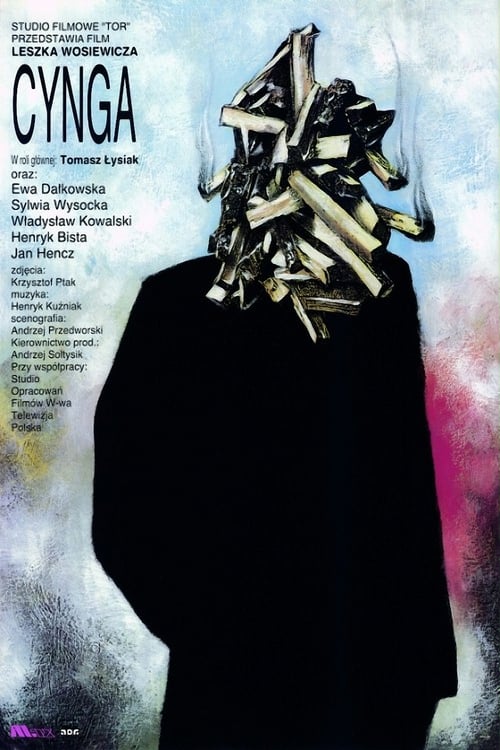
A young Varsovian runs away from the Nazi’s attack on the East. He falls into the hands of the NKVD. Suspected of espionage, he ends up in a camp in Siberia. He will spend the war in a psychiatric hospital.