Acting
Series of single made-for-television dramas.
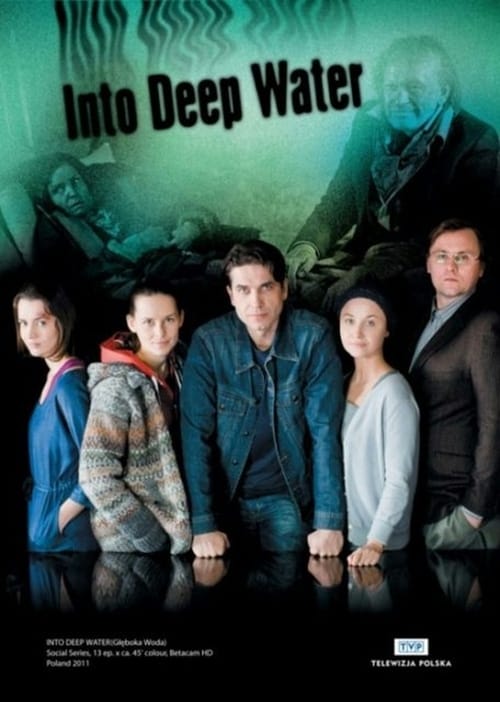
A group of social welfare workers led by their new director tries to provide necessary aid to people struggling with various problems.
Polish immigrant Karol Karol finds himself out of a marriage, a job and a country when his French wife, Dominique, divorces him after six months due to his impotence. Forced to leave France after losing the business they jointly owned, Karol enlists fellow Polish expatriate Mikołaj to smuggle him back to their homeland.
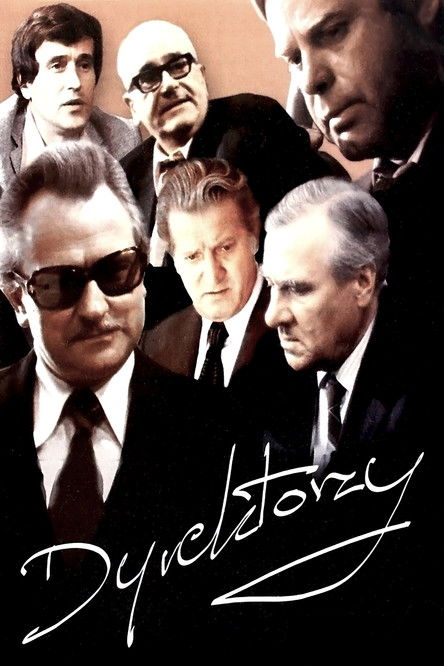
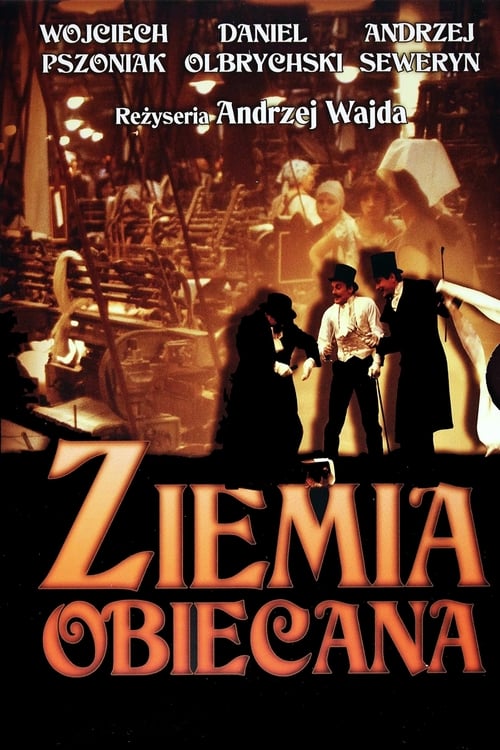
1957. Excessively high production standards imposed by the authorities result in the plan not being fulfilled, and the workers cannot imagine living normally without rewards and bonuses. A rebellion breaks out. Worker democracy wins – the working class elects a director from among its own ranks. He is an old locksmith with no managerial experience. Although he believes in the socialist spirit and has a communist past, he does not hold the position for long, as he makes promises too easily that he is unable to keep.
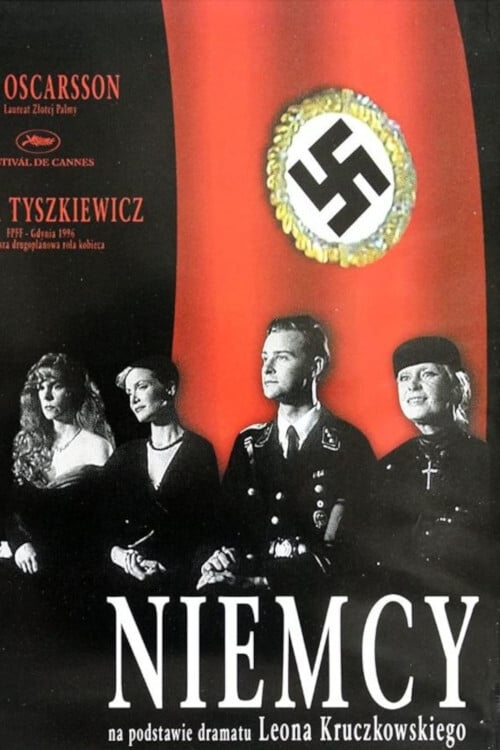
A story about a German family during World War II with every family member having a different approach to Jews, raging from hatred to compassion.
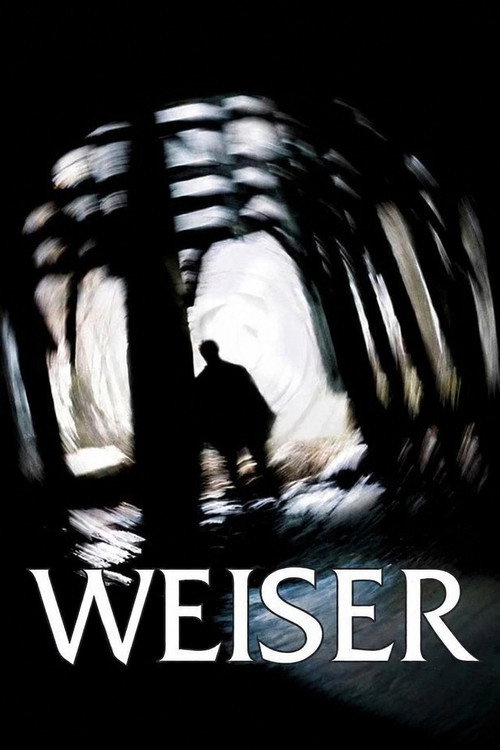
The film is based on the well-known, translated into many languages novel of writer Pawel Huelle. It is imbued with nostalgia and the atmosphere of mystery story of a group of children, fascinated by the figure of a man named David Weiser.
Told as a film within the film, the story concerns an aging actress. Ewa is a flamboyant, pushy actress whose career and love life have come to a dead end. She lives in a faceless housing development. She is totally engrossed in herself and dreams of making a comeback as a singer. But her overbearing personality time after time sets her into conflict with those she tries to work with in the theater and her bedroom.
In the documentary Magdalena Łazarkiewicz used a lot of archive material with her husband, who talks about his professional path and his true fascination with cinema.
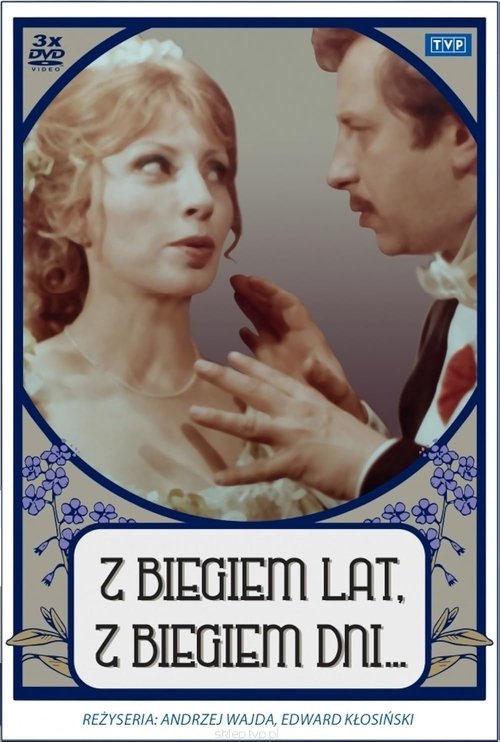
Created to mark the 60th anniversary of Poland's regained independence, Andrzej Wajda's acclaimed seven-hour stage production As the Years Go By, As the Days go By... follows two Kraków families between 1874 and 1914.
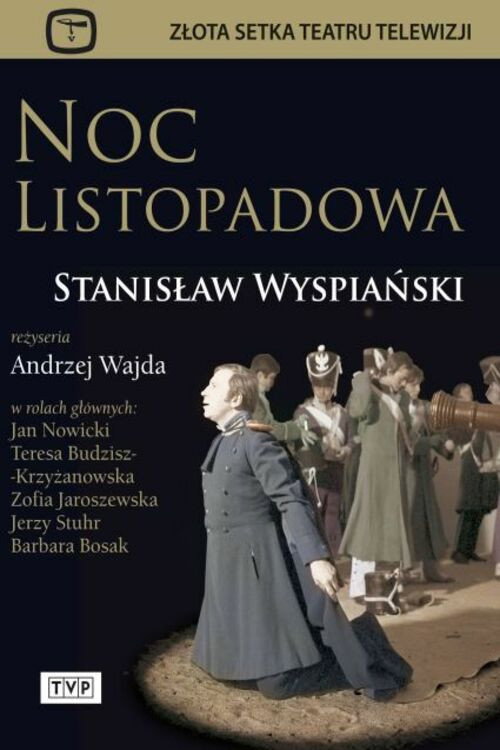
Television play adaptation of Wajda's stage play of Stanisław Wyspiański's November Night. The drama takes place on two levels - historical and metaphorical. The first one is almost a chronicle of several hours of the uprising - it shows the drama of the attitudes of Poles at the beginning of the armed struggle, in confrontation with the attitude of Grand Duke Constantine, the Tsar's deputy in Poland. The second one presents the world of gods playing out their arguments. Man becomes a plaything in their hands, but it is he who experiences his fear, heroism and hope.
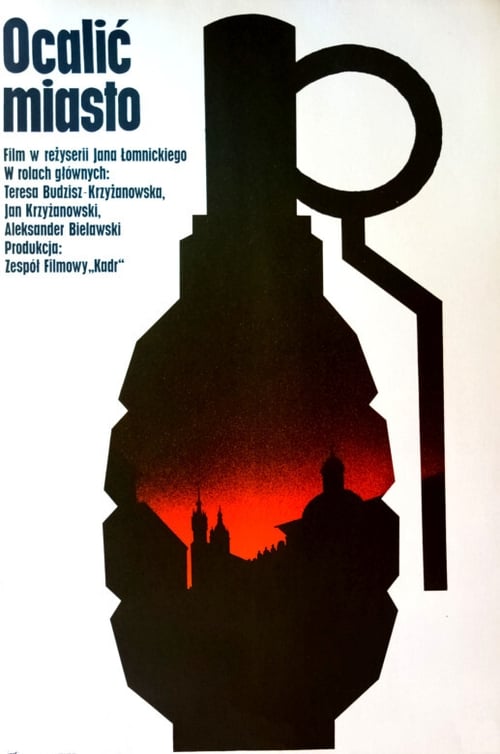
1945. Soviet offensive is approaching Cracow. Local resistance cooperate despite political differences to save the city from destruction planned by Germans.
A school teacher from a small town in Poland comes to Warsaw to see his estranged wife, a window dresser, in the hope that she will return to him rather than give him a divorce.
No description available.
Set before the first World War in part of Poland under Austrian occupation, the story of a young boy in primary school who later grows up to become a rebellious, poetic-minded teen in the same school when the national movement toward liberation is under way. The story of a country where church and state work together to suppress the human spirit.
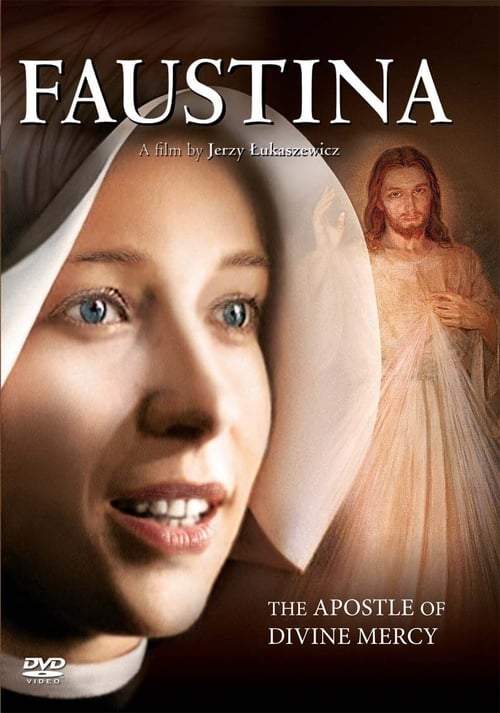
Faustina is a 1995 Polish film directed by Jerzy Łukaszewicz about Blessed Sister Faustina Kowalska, a saint of the Roman Catholic Church who was canonized by Pope John Paul II in 2000. It is the first feature film of its kind in Poland, and far from the path of modern cinema.
Prior to her wedding a nineteen years old Anna can't stop wondering whether she made the right choice? So she decides to seek the advice of a well-known sexologist...
A Polish lieutenant from the Royal Air Force comes home with his British wife and faces political persecution.
A wealthy grandfather throws a party to celebrate his grandson's First Communion. Soon the family gathering takes unexpected turns.
Katowice, the night of December 12-13, 1981. Military units occupy strategic points in the city. A group of Zomovniks, smashing union security, drags the chairman of the Company Commission of the NSZZ Solidarity in the Wujek mine out of his apartment. The news quickly spreads to the miners. Initially surprised, they soon react with spontaneous protest. On December 14, a strike breaks out at the plant. The miners demand the lifting of martial law and the release of the chairman. When negotiations fail, the army, ZOMO and militia storm the mine.