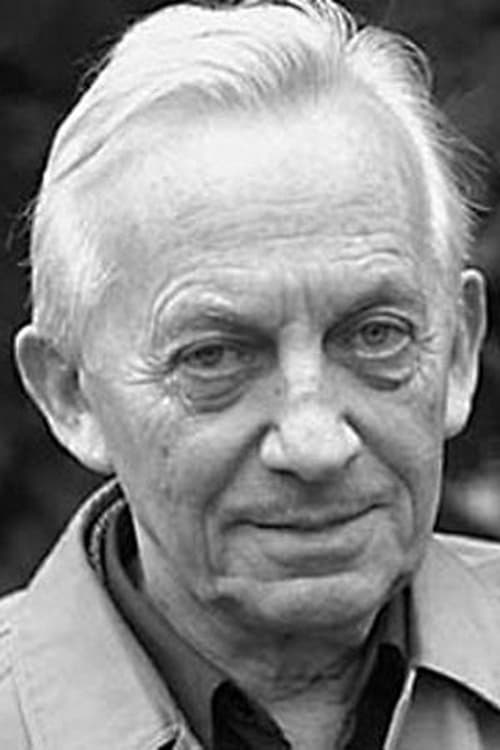
Stanisław Różewicz
Directing
Biography
Stanisław Różewicz was a Polish film director and screenwriter. He directed 26 films between 1947 and 1989. His 1967 film Westerplatte was entered into the 5th Moscow International Film Festival where it won a Silver Prize. His 1985 film Woman in a Hat was entered into the 14th Moscow International Film Festival where it won the Silver Prize. He was a younger brother of Polish poet, dramatist and writer Tadeusz Różewicz.
Known For

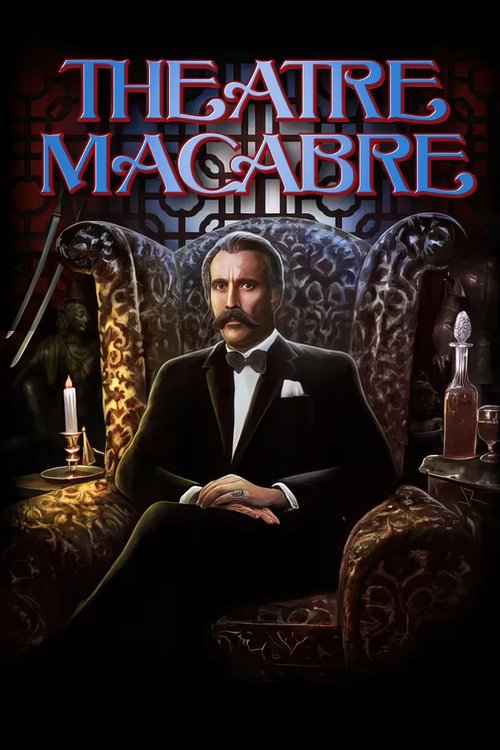
Christopher Lee hosts this horror anthology series from Poland with stories from various classic authors.
Theatre Macabre

The hard-working son of a dying country woman hires a stranger to take care of his mother.
Diabeł

Westerplatte is a small peninsula at the entry to the Gdańsk Harbour. Before World War II, it functioned as a Polish ammunition depot in the Free City of Danzig. Its crew consisted of one infantry company and a group of civilians, 182 people in total. It was the only Polish guard-post at the mouth of the Vistula River, with as little as five sentries, one field cannon, two anti-armour guns and four mortars. The first shots of World War II were fired there. This film tells the story of Westerplatte's courageous defenders.
Westerplatte Resists

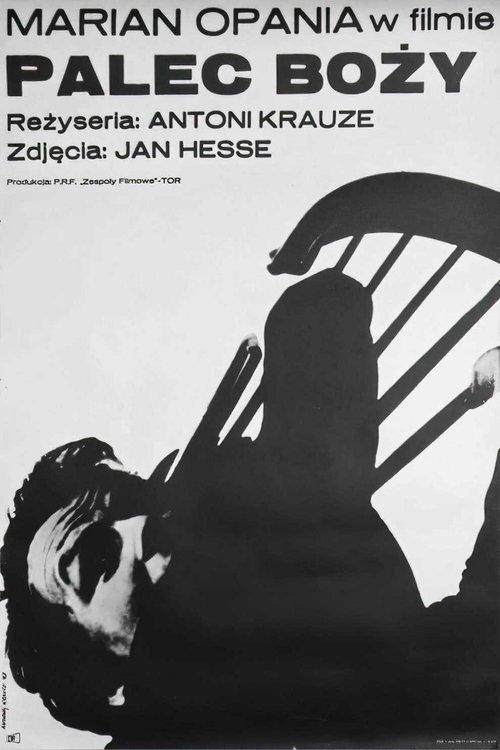
A young man from the countryside fights against all odds to fulfill his dream of becoming an actor.
God's Finger

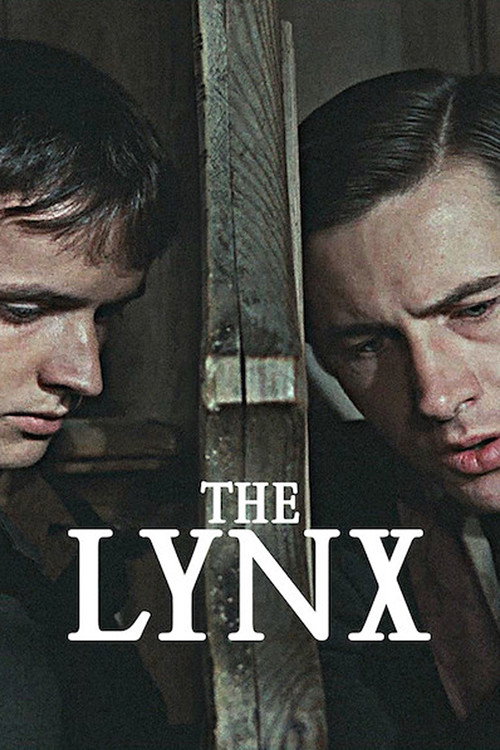
Set during the German occupation of Poland during WWII. A priest in a small village meets a revolutionary who is on an assignment to kill a supposed Nazi collaborator.
The Lynx

Maria Zmarz-Koczanowicz directed this insightful TV documentary (2005) tracing the Polish filmmaker's career. Former classmates reminisce about Kieslowski's happy beginnings at the Lodz film school and how his dissatisfaction with some of his early documentaries prompted the dramatic work and stylistic experimentation that led to his monumental series of films The Decalogue (1989). Wim Wenders, Agnieszka Holland, and Juliette Binoche are among the many admirers weighing in on his hard-driving work methods and preoccupation with the ephemeral. In Polish, French, and German with subtitles.
Still Alive: A Film About Krzysztof Kieslowski

In the last days of World War 2, people of various ethnic background meet in a Polish military hospital in a small German town, whereas a Nazi SS division hides in the local forests and tries to move westwards.
The Hours of Hope

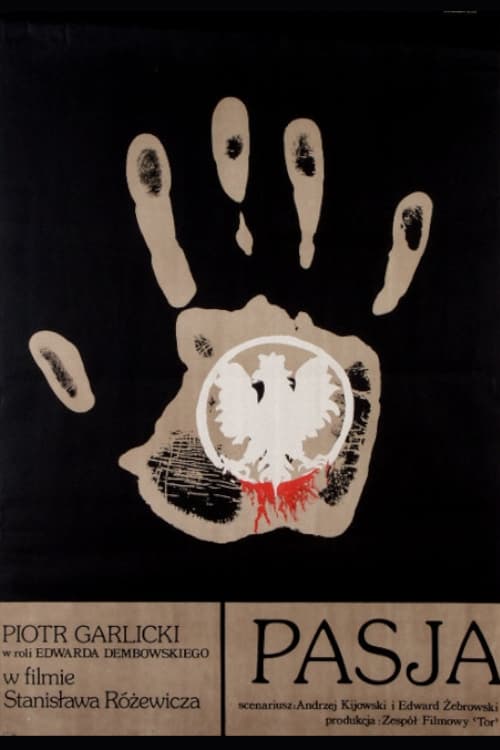
The last days in the life of Edward Dembowski (1822-1846), the organizer of the Kraków Uprising in 1846. The informal leader of the uprising, determined to fight for the unification of Polish lands and the liberation of the peasants, negotiates with other politicians.
Passion

A collection of intimate television short stories based on well-known literary works.
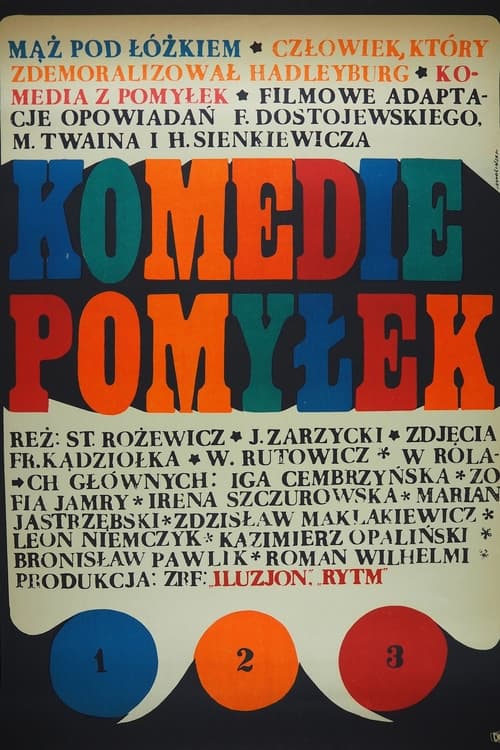
Komedie pomyłek

In 1456, Francis Villon and his companions attack a merchant in the forest. On the cart they find a girl dead of the plague. They give up the robbery. Villon spends the evening in an inn. He drinks, dances - the fun is interrupted by the arrival of a leper. Only Villon is not afraid to touch him, he treats him as a neighbor. In bed, his lover Gretel complains to the poet that no one wants to marry her....
Nocny gość

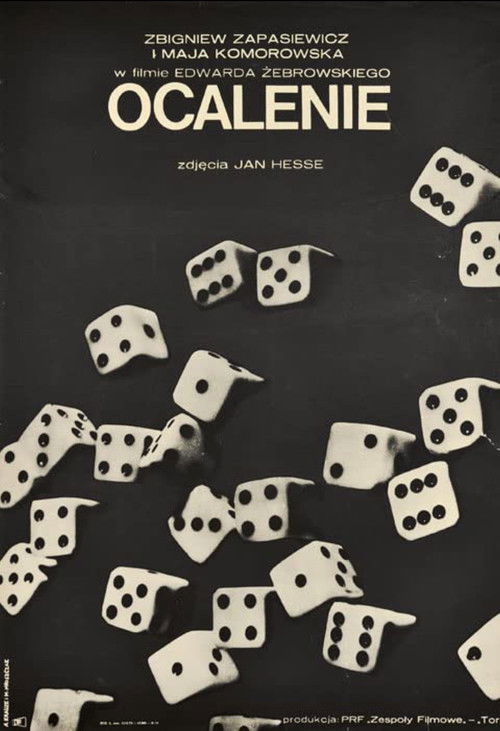
A biology professor, Adam enters a hospital for observation. He is a loner and a serious-minded man, who dislikes any display of emotions. He spends three months in the hospital while being tested. After observing patients and hospital routines around him from a distance, he learns that he will need a kidney transplant. Meanwhile his personal and professional life is falling apart: he refuses his wife's offer to donate the kidney for him; the scientific problem he was working on has been solved elsewhere. In the end Adam cracks under the prolonged pressure, waiting for the sound of an ambulance bringing a moribund patient whose kidney may be used for the transplant.
Salvation

Polish composer Stanisław Moniuszko fights for the right to stage his opera "Halka".
The Warsaw Debut

Two friends who used to study physics together are forced to make tough decisions as their lives take different paths.
The Structure of Crystal

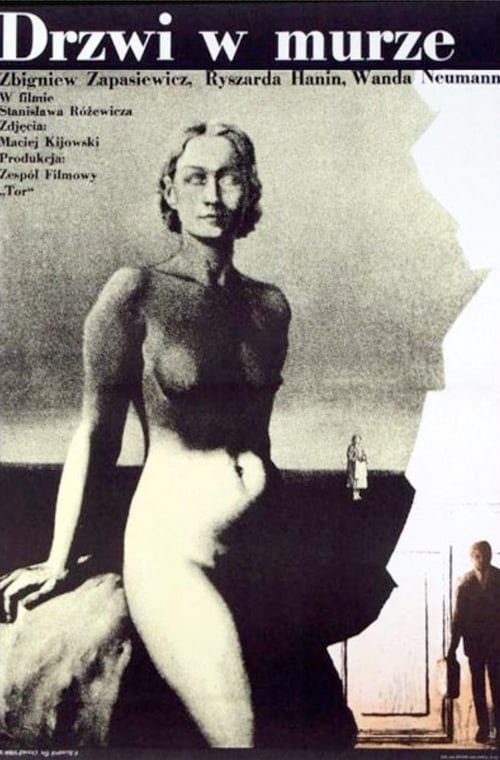
Accomplished playwright supervises the stage rehearsals for his new play away from home. He rents a room at a private house, which is owned by mother and daughter. Wiktor gets entangled in the two women's bizarre relationship.
The Wicket Gate

The action takes place in Warsaw in the second half of the 19th century. The main character is the head of the girls' school - Mrs. Emma Latter. Ms Latter is struggling with the financial problems of her institution, because the parents of the students are still in arrears with payments. In addition to professional problems, she is tormented by problems with adolescent children. All this causes Mrs. Latter to experience a mental breakdown.
Pensja pani Latter

Warsaw after the fall of the Warsaw Uprising. The Germans expel the civilian population and then proceed to systematically destroy the city. The capital is transformed into a sea of rubble, among which a few survivors hide – modern-day Robinsons. One of them is Piotr Rafalski, who rescues Krystyna, a wounded Jewish woman. Three soldiers of the People's Army, cooperating with a Soviet telegraph operator, are also in the city.
Unvanquished City

Two years after the war, during a train trip, Henryk (20) recollects the occupation period. He passes different train stations and recollects various situations from the past: his family life, working in a garage, guerrilla warfare, the fear that accompanied him every day. He’s looking at the travellers’ faces, including the ones who have survived the war.
The Leaves Have Fallen
Three women, ex-prisoners of a Nazi death camp, decide to live together after the war.
Trzy kobiety

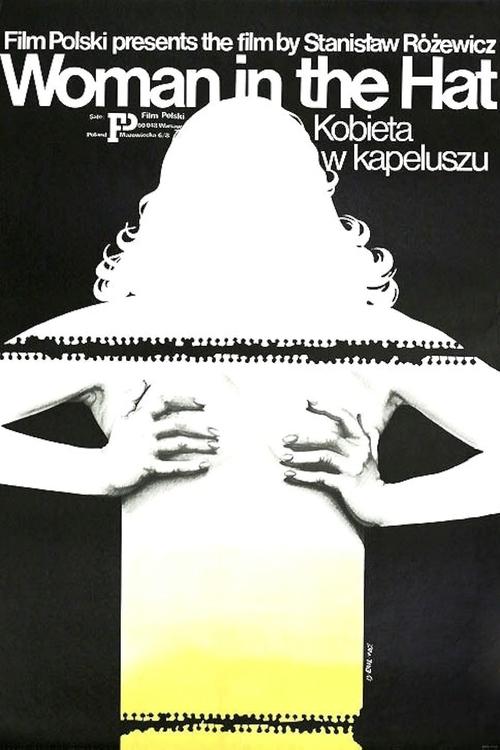
A psychological portrait of Ewa, a young Polish theatre actress searching for her own way in life. She plays a minor role in Jasieński's 'The Ball of Mannequins', a complete opposite of her real personality, while aspires to star as Cordelia in Shakespeare's 'King Lear'. Ewa lives on her own, occasionally visiting a famous old actress to talk about theatre, taking care of a poor neighbor, and fights her sophisticated mother rejecting the truth about her beloved father, who died an alcoholic.
Woman in a Hat

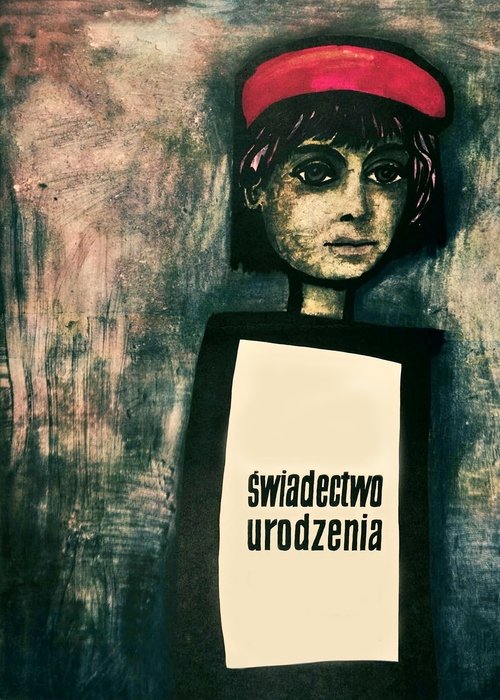
Three separate stories depicting the tense everyday life during occupation, as seen through the eyes of children. In “On the Road,” the two main protagonists are lost in the September’s strife: a young boy, and a soldier transporting the valueless documents of his broken unit. In “Letter from the Concentration Camp” the story’s protagonists are young boys who help their mother during the hardships of the occupation. Their treasure is an officer uniform belonging their father who is being held in a prisoner of war camp. In “Blood Drop,” the Germans find a set of typical Aryan characteristics in this story’s protagonist – a Jewish girl, hiding in an orphanage.