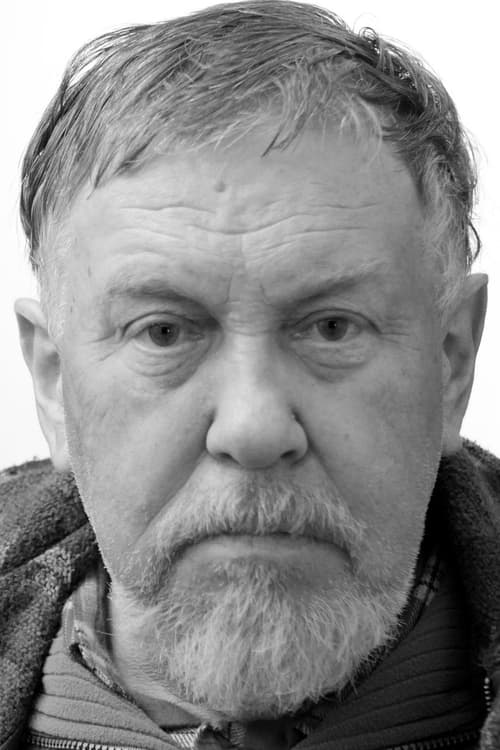
Jerzy Zygmunt Nowak
Acting
Known For
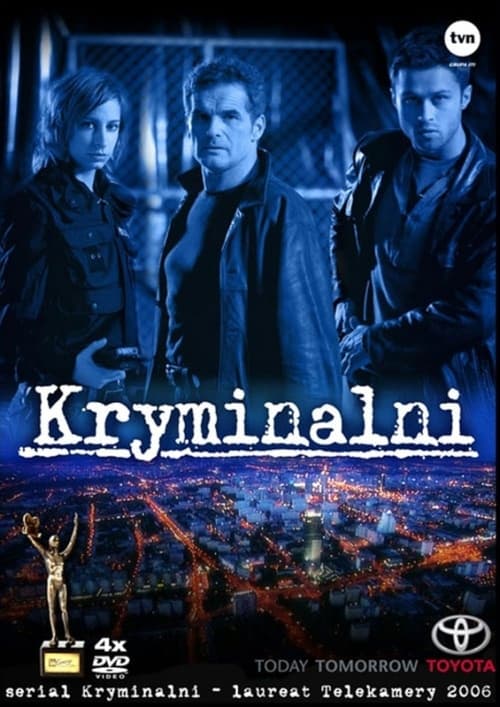
Kryminalni was a Polish crime drama television series that aired on TVN network from September 18, 2004 until May 24, 2008. It ran for 8 seasons and 101 episodes were broadcast in total. It was created by Polish director and screenwriter Piotr Wereśniak and produced by MTL Maxfilm studio. The series followed life and work of police officers from the elite Criminal Terror and Murders Division of the Warsaw Metropolitan Police; the title refers to police officers in the crime section. The three main characters were Adam Zawada, an experienced, tough cup, his younger colleague Marek Brodecki and Barbara Storosz, an ambitious female officer who in the first season joins the team just after graduating. Although none of the main actors had had star status before the series debuted, all three of them rose to prominence and popularity during the 5-year-long run. Many of Poland's best known actors guest starred, usually playing roles of people involved in just one particular investigation. The serial was one of the most popular in Poland: each week it had an audience of 4 million.
Kryminalni
The Ten Commandments, exact and uncompromising, literally cast in stone, continues to provide a source of moral conflict in contemporary society. In the ten part epic masterpiece, The Decalogue, Krzysztof Kieslowski examines the dilemma of fundamental sin in the lives of ordinary Warsaw citizens.
Dekalog
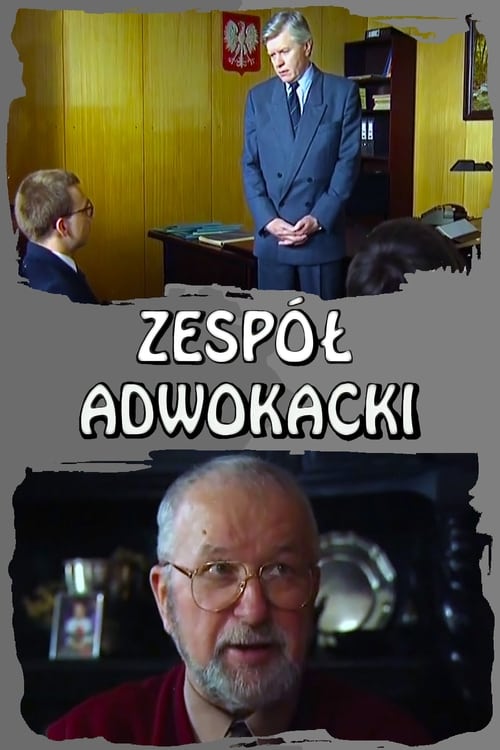
A story about the professional and personal struggles of the lawyers at a law firm in a town near Warsaw. In their work, they encounter a wide range of human problems, while often dealing with complicated family lives of their own.
Zespół adwokacki
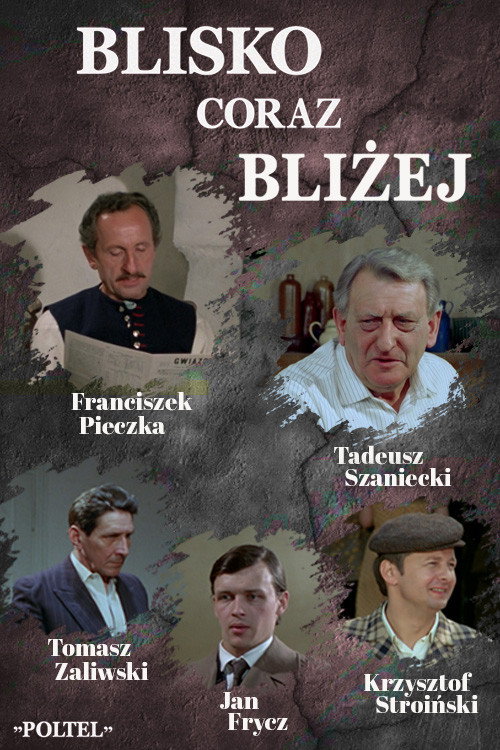
The story stretches from 1863 to 1945. Its main characters are representatives of the Pasternik family, who live in the fictional village of Wielowice near Pszczyna. The protagonist of the first three episodes is Franciszek Pasternik, the following parts tell about the fate of his many children and even more grandchildren. The viewer follows their history against the backdrop of great changes and historical events that influenced the lives of Silesian Poles. So there is the Kulturkampf, Prussian rugi, the revolution of 1905, World War I and the Silesian Uprisings.
Blisko, coraz bliżej
No description available.
Boża podszewka. Część druga

No description available.
Przyłbice i kaptury
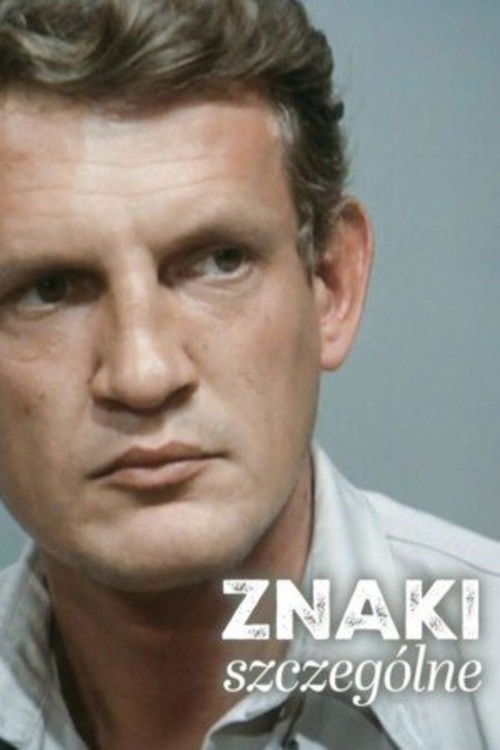
Engineer Bogdan Zawada moves to the construction of a port on the Baltic Sea. The man tries to arrange his personal and professional life in a new environment.
Znaki szczególne
No description available.
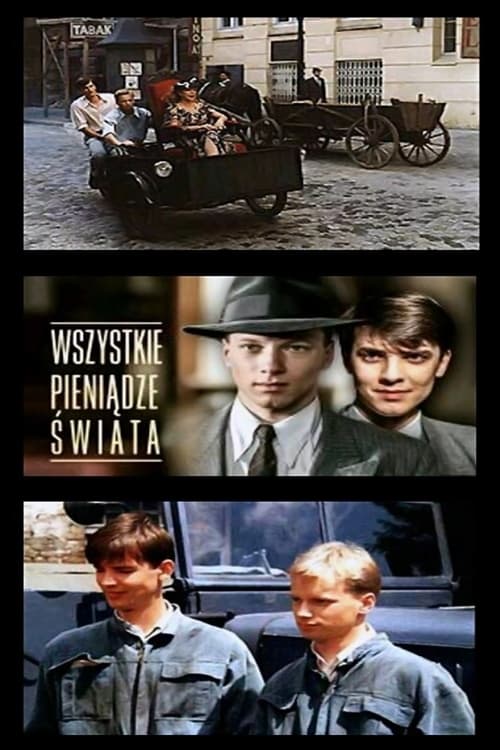
Wszystkie pieniądze świata

Seventh-grade students are just starting their studies in a newly opened school in a small town in the Recovered Territories, right after the end of the war. The difficult process of assimilation of the settlers who came to Lower Silesia in 1946, the echoes of the war: the subversive actions of Werwolf, the actions of the looters - constitute the background for the adventures taking place in the foreground.
Gruby
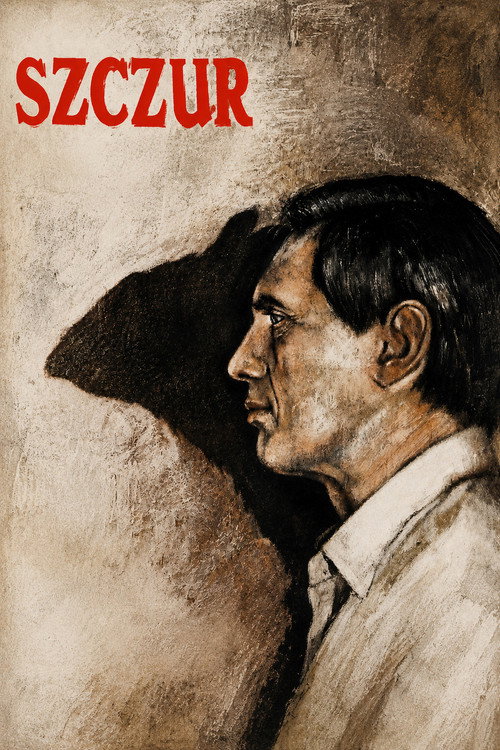
Polish businessman Jarek Branicki organizes a beauty pageant. As the man in charge, he expects his girlfriend to win it and suggests this outcome to the judges. At the same time, however, he is on the verge of bankruptcy and tries to escape the country after being cornered by his creditors. Recognized by a passenger on the train, he flees and finds refuge in the underground passages of Warsaw’s central railway station.
Rat
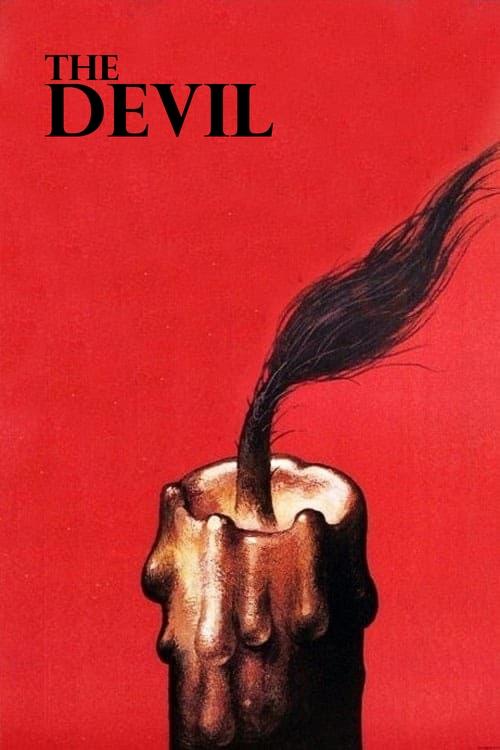
Young Polish nobleman Jakub is saved from imprisonment by a stranger. In return, the stranger wants to obtain a list of Jakub’s fellow conspirators. As he follows his mysterious savior across the country, Jakub is affected by the overall chaos and moral corruption; he goes insane and becomes a mass murderer.
The Devil
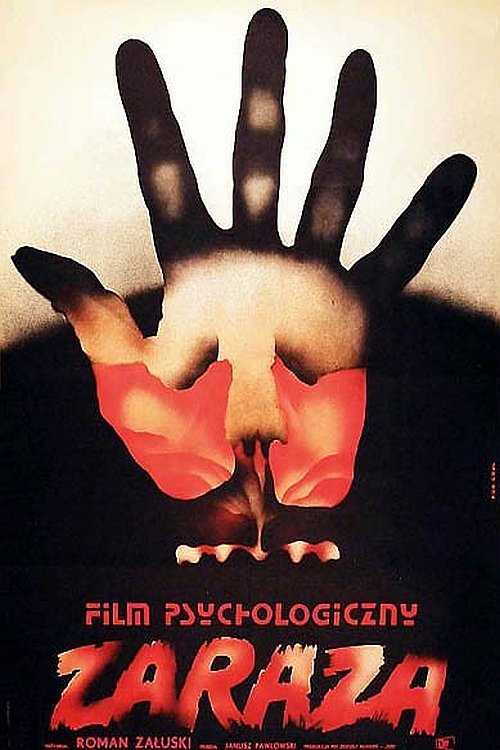
Based on a true outbreak of smallpox in Wroclaw. A young doctor picks up a girl and they go to bed, but the night is ruined by the doctor being called to the epidemic. The doctor has to leave, and when it is all over, runs into her with another man.
The Epidemic
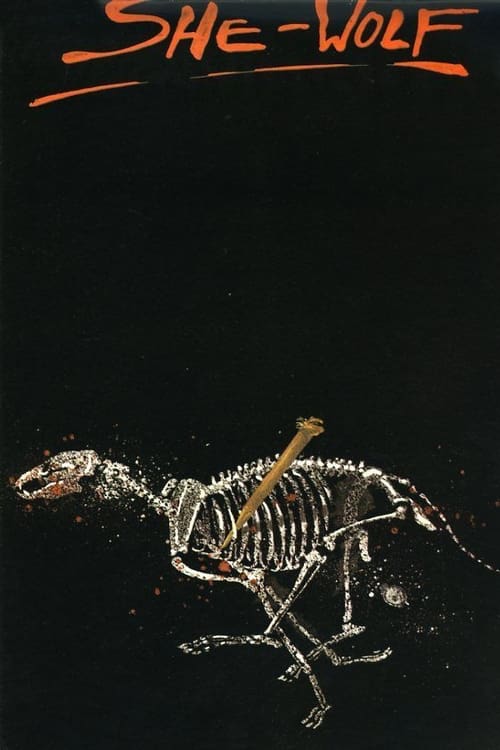
In 1848 Poland, Kacper Wosinski is cursed by his wife Maryna on her deathbed. Her evil spirit then haunts him in the form of a she-wolf.
She-Wolf
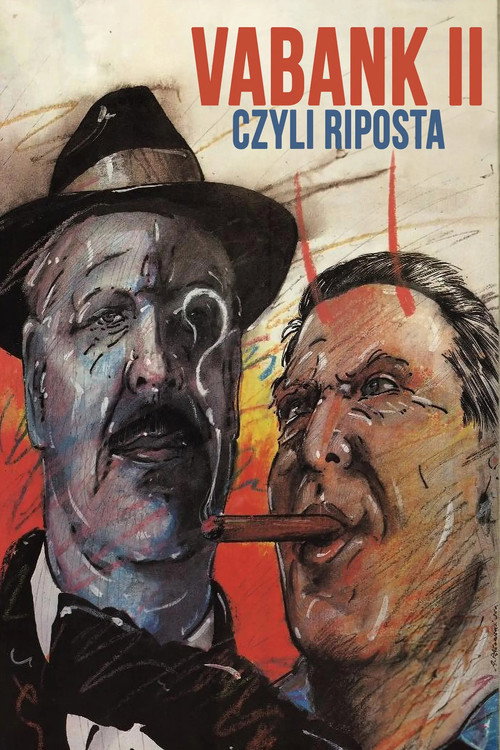
A sequel to "Vabank" (1981), introduces the same characters entangled in a duel between a former safecracker and a crooked bank manager.
Vabank II
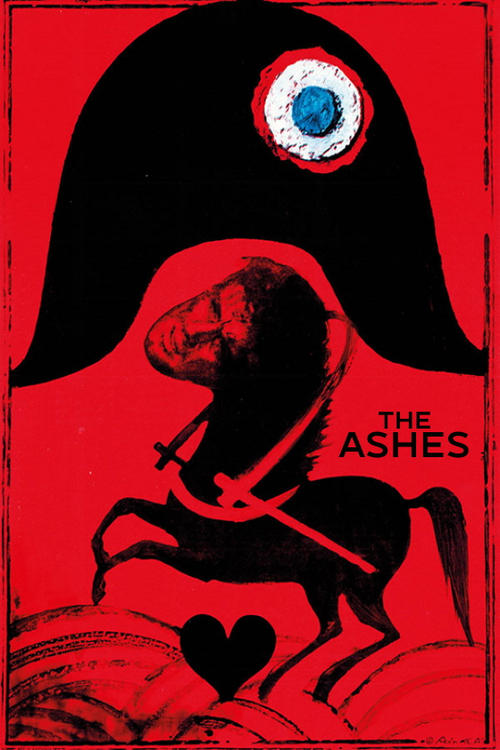
Set in the time of Napoleon wars, shows how the wars swept over the unfortunate Polish country at the beginning of the XIX-th century. Story revolves around the Polish legion under command of General Dabrowski, who then fought on Napoleon's side with the hopes of Poland's revival.
The Ashes
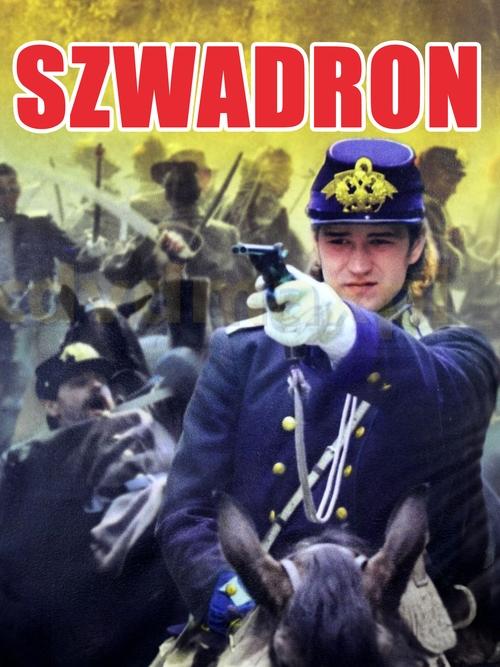
A young Russian aristocrat, Baron Fyodor Jeremin, volunteers to serve with a Dragon squadron to impress the girl who rejected his love. Just at this time the 1863 insurrection explodes in Poland. He enlists to serve in the army being sent to suppress the revolt. He believes that now it's enough to defeat the Poles, become an officer and hero, get a bunch of medals, and then return and lay all of this at the feet of her beloved. However, the "little Polish war" looks completely different to the way that young Jeremin imagined it to be. In course of time, he learns to be on the wrong side. But there is no escape - he must kill or he will be killed. What's more, he falls in love with a beautiful Polish girl...
Squadron

Two broken, police, destruction of property by arson with an explosive charge, stealing a car. Not bad for one night! Such is the balance of Alex's eighteenth birthday - the main hero of the film.
Fluke
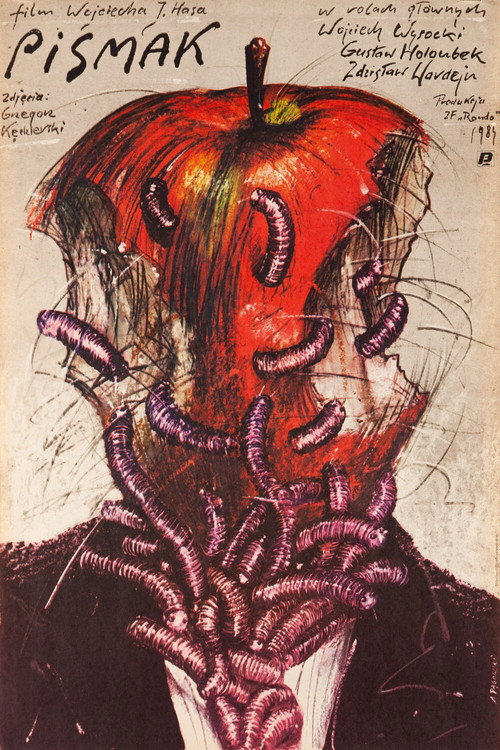
A young journalist is arrested for freethinking ideas and placed in a cell with a famous safe-breaker and a former cleric, who murdered his mistress' husband.
Write and Fight
No description available.
Mama -nic
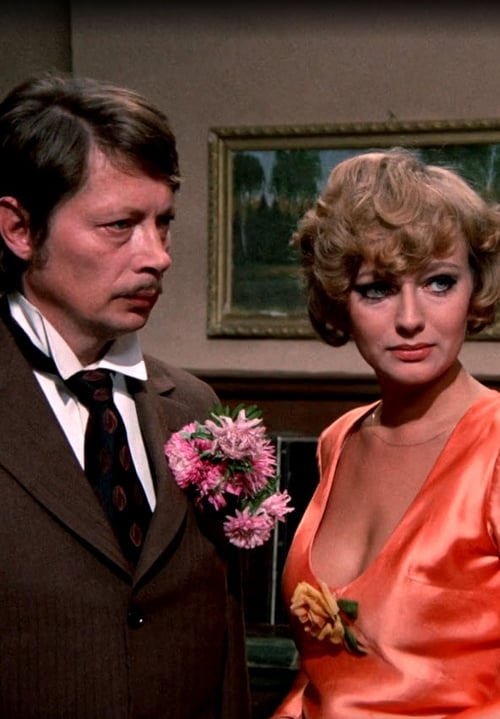
A timid bank clerk is pressured by gangsters, his girlfriend and his fellow employees to help steal the bank's supply of dollars.