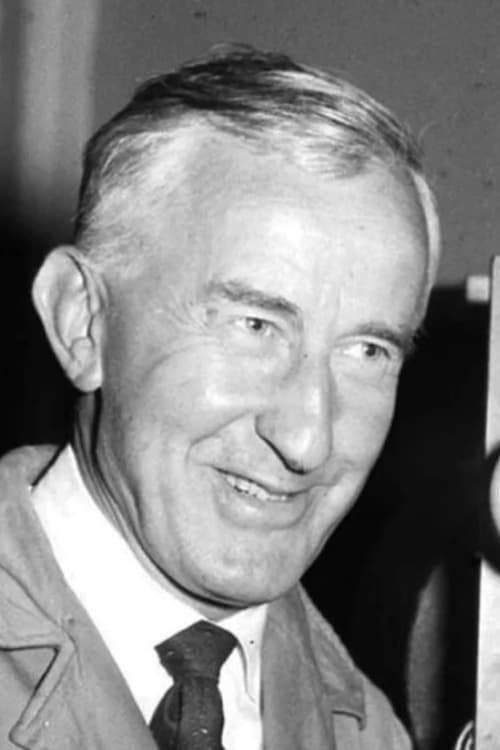
Antoni Bohdziewicz
Directing
Known For
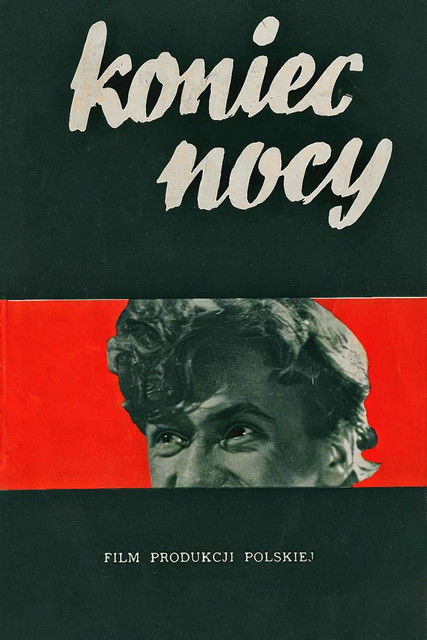
A group of young Łódź hoodlums spends their time shoplifting, partying and drinking heavily, until they are faced with serious consequences of their reckless behaviour.
Koniec nocy
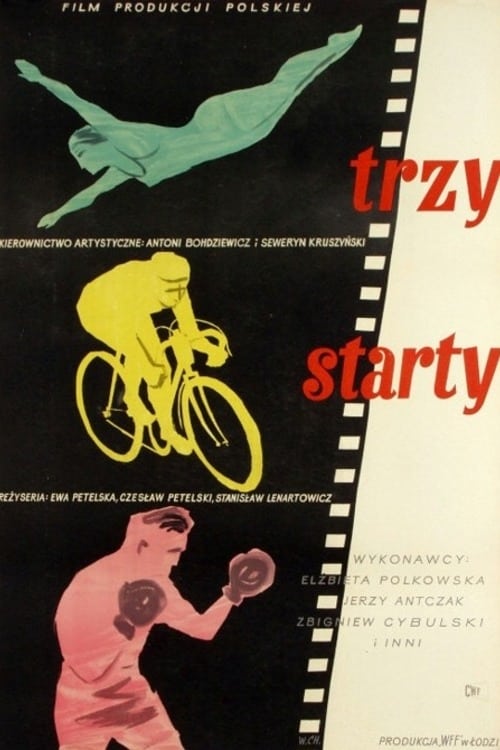
Three separate short stories about young athletes who lose their chances of success. Young swimmer - because of unhappy love. Boxer because of a fight with hooligans, for which the judges will disqualify him. But the cyclist must decide for himself what is more important for him: victory or friendship.
Trzy starty
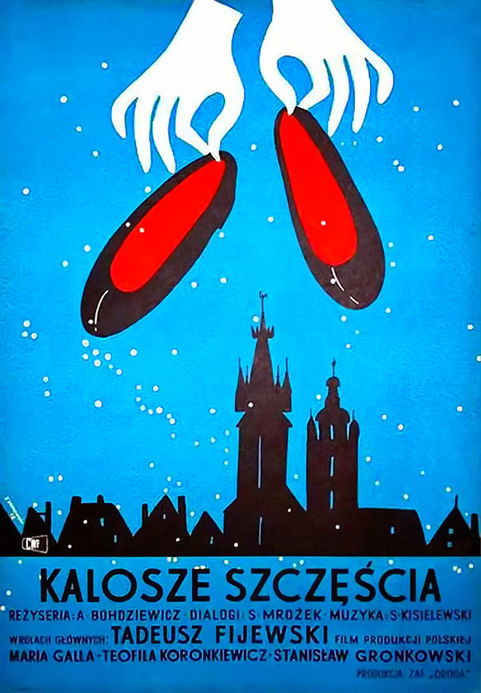
Two fairies, Terencja and Felicja are in posession of the Lucky Rain Boots, which they intend to give to the most deserving person in the city of Kraków. However, they consistently fall into the wrong hands, creating a multitude of absurd and comedic situations.
Kalosze szczęścia
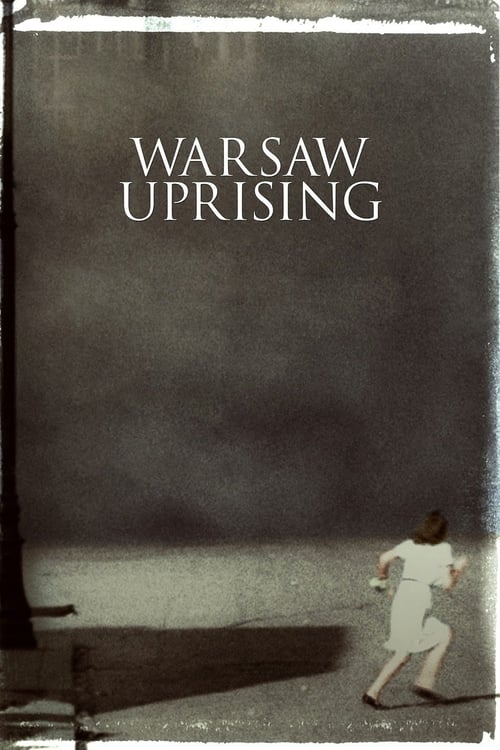
It tells the story of the Warsaw Uprising of 1944 through the eyes of a US airman, escaper from the Nazi Stalag camp and two young reporters, cameramen for the Bureau of Information and Propaganda of the Polish Home Army. Their mission: documenting the Uprising by shooting newsreels for the “Palladium” cinema. Looking for the right shots, they go deeper and deeper – literally and figuratively – into the heart of the Uprising. Traumatic truth becomes obvious. Aware of being witnesses of indescribable events, they realize their duties: to document them and preserve the rolls of film at any cost…
Warsaw Uprising
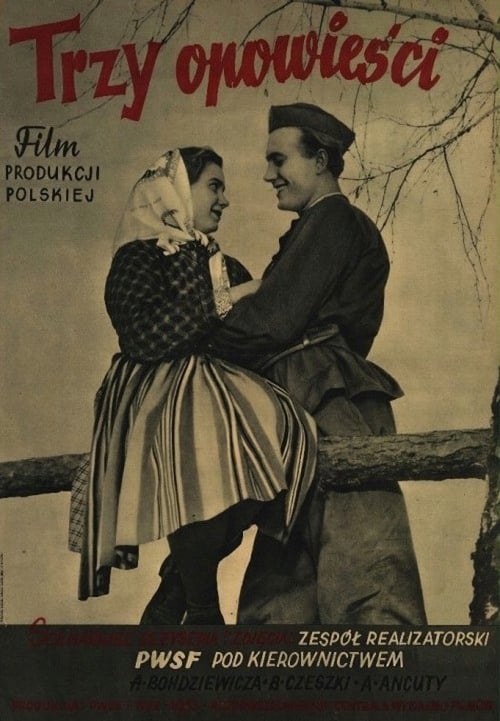
The short stories showing the troubles of youth serving in the "Służba Polsce" organisation.
Three Stories
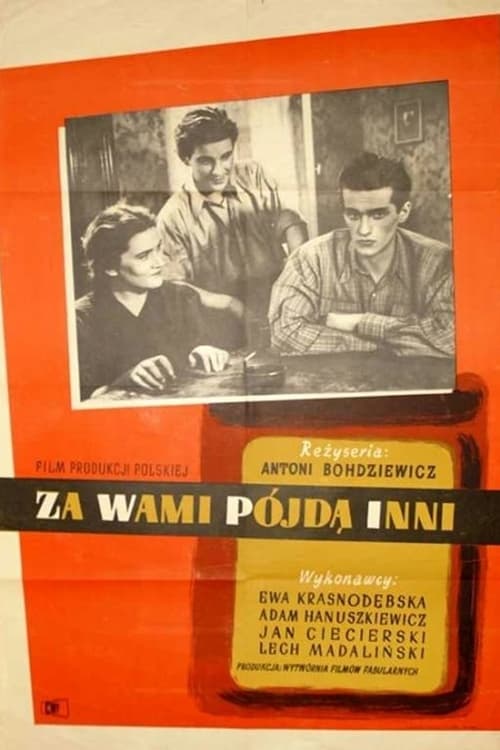
A war drama that tells the story of the discovery of the illegal AL printing works by the Nazis, showing the activities of the left-wing underground in the occupied capital.
The Others Will Follow
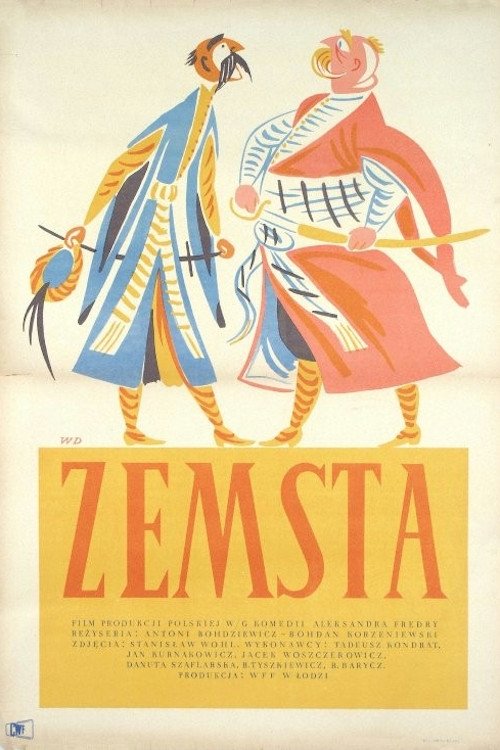
Two noblemen live in one castle, which they both own half of. After a wall dividing both halves of the castle gets damaged they start an intense rivalry.
Zemsta
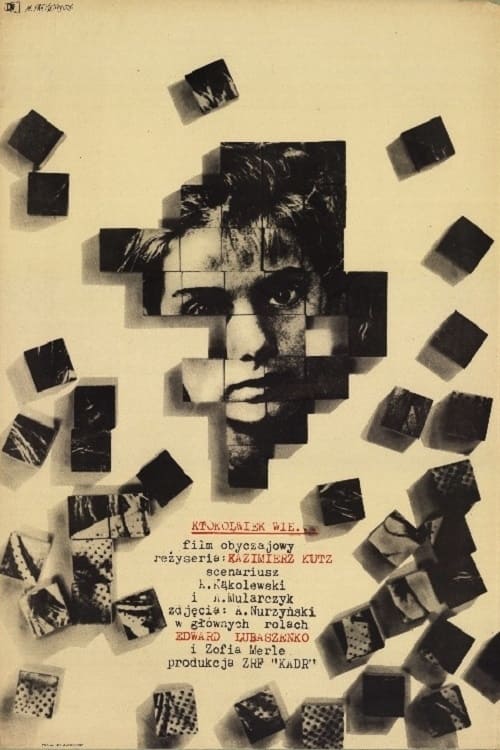
A psychological portrait of a missing girl is drawn by the people who knew her, being interviewed by a journalist helping in the search.
Ktokolwiek wie...
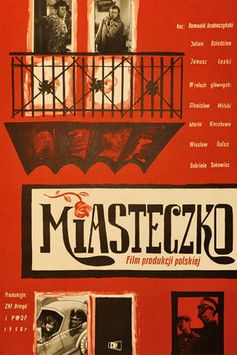
A young couple wants to break free of the antagonistic nature of their home village.
Little Town
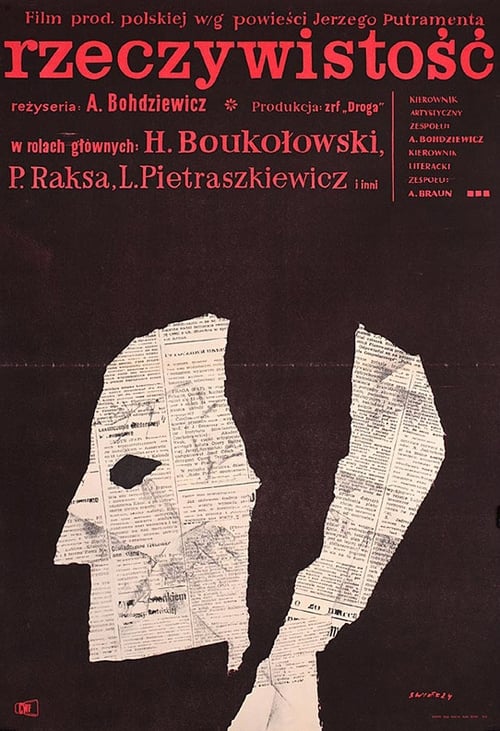
The 1937 trial of communist journalists, working for the same student magazine in Vilnius, is shown through the tragic life of the paper's young collaborator Julek Szulc.
Rzeczywistość
The dark drama of a peasant family from the second half of the 19th century: Seduced by a municipal clerk (in exchange for a promise to release her husband from military service), the woman dies at the hands of her jealous husband.
Szkice węglem
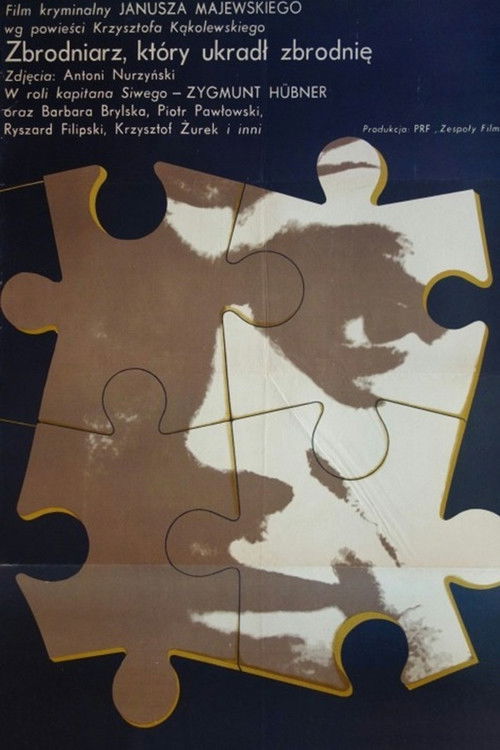
Retired police captain Siwy recounts to a reporter how he undertook a final, private investigation into the suspicious death of Ewa Salm, known as “Princess.” Though her testimony had secured a conviction, Siwy doubted the man’s guilt and set out to uncover the real killer—risking his own life to see justice done.
The Criminal Who Stole a Crime
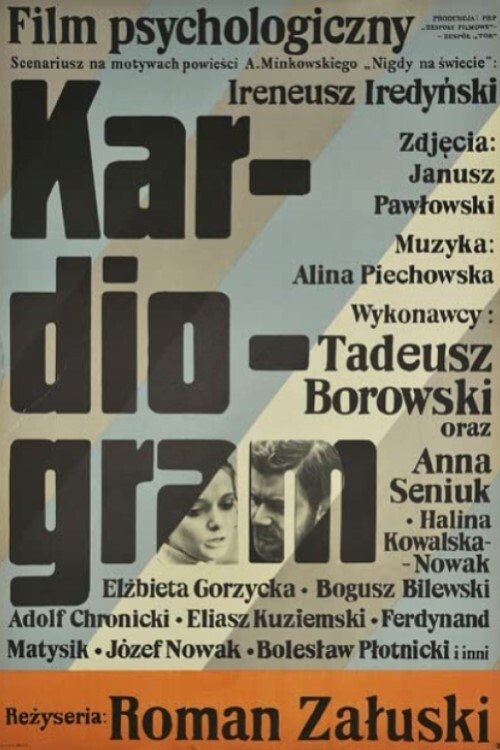
A young doctor arrives in a sleepy village and becomes involved with secret tragedies plaguing the inhabitants.
Kardiogram
Guests from America came to Poland, and there were three of them. One, a businessman, intends to buy the land from the battlefields in order to cash it for a profit abroad. The second is looking for a wife in his home village, highlander, and the third wants to visit his uncle's family. Will their trip be successful?
Guests Are Coming
A group of friends, bored at the seaside, provoke random people.
Draka

A piece of reportage realized by the Polish Army Film Studios at the end of the war. It tells a story of Warsaw children who started a camp in the summer of 1944 in Stoczek Lyczkowski. The authors show the children’s life, it’s full of small amounts of happiness and many problems. Near the camp the war is still on, the children’s relatives are still in danger.
Where Is Our Home?

This documentary promotes the new post-war social and political order in Poland and condemns people opposed to the people's rule.
2 x 2 = 4
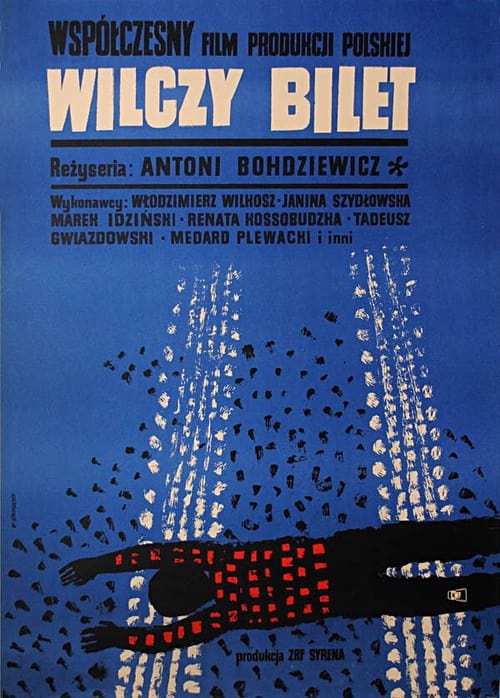
The story of a worker who was dismissed for inconvenience to management for making justified and necessary criticisms of the factory's operations.
Wolf Ticket
The documentary talks about the origins, development and achievements of the Polish film school. People from the environment of the "Filmówka" in Łódź, among others. Wanda Jakubowska, Jerzy Kawalerowicz, Antoni Bohdziewicz, Janusz Morgenstern or Kazimierz Kutz. The film is richly illustrated with archival materials and the first films of the school. The beginnings of the Łódź Film Festival begin in Krakow with the Young Film Workshop; On May 6, 1945, at Józefitów 16 production facility of the Polish Film Production Company, an inaugural meeting is held. After numerous transformations, in July 1946 the Young Film Workshop and the Film Training Course began activities, which can be considered as the beginning of state film education in post-war Poland. The later fate of the school is already connected with Łódź; July 16, 1948, the act of establishing the Film School was signed.
Polish School
Juliusz Starzewski goes to Rome to seek justice on behalf of his father.