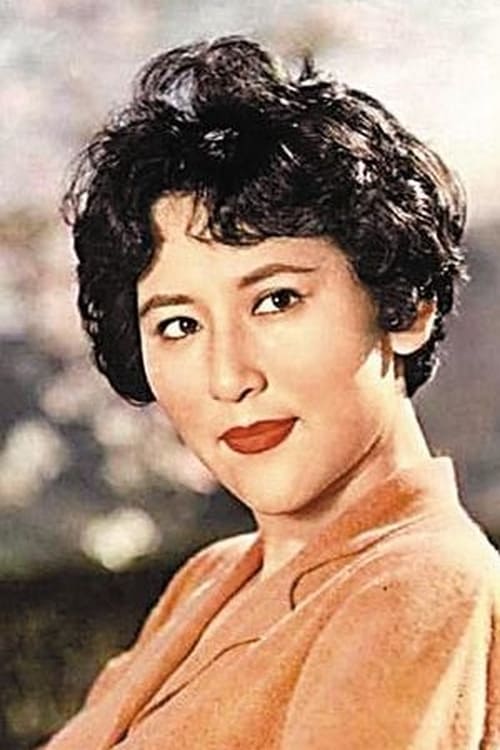
Wang Lai
Acting
Biography
Wang Lai (Chinese: 王萊, 12 February 1927 -28 September 2016) was a Hong Kong actress.
Known For
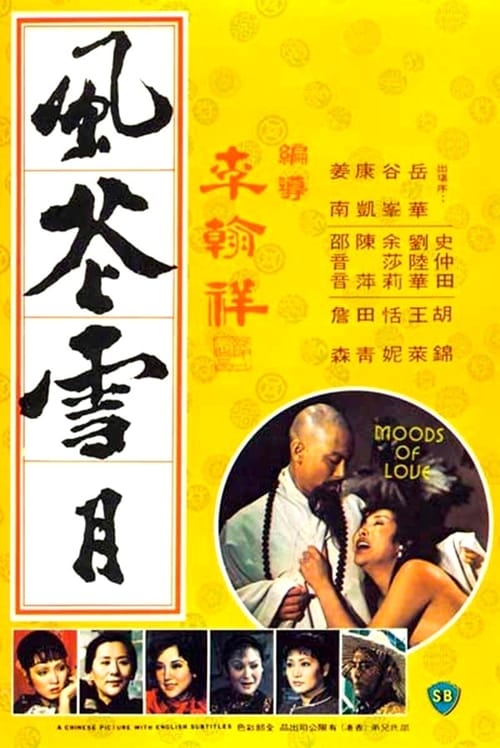
Two stories are included in this erotic/romantic anthology. In the first, a Sung-Dynasty (10th-13th century) Buddhist monk is tricked into sexual relations with an unscrupulous female adventurer. He dies soon after with his misdeed on his conscience. In the second, the daughter of a woman who died in a brothel discovers that her mother died an unnatural death and seeks revenge.
Moods of Love
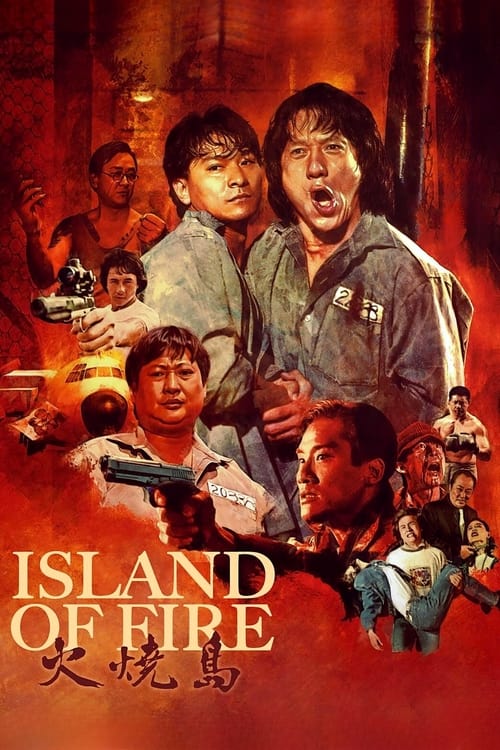
Someone in a prison run by a corrupt warden fakes the deaths of convicts to later use them as expendable assassins. A police officer is sent into the prison to gather evidence of the corruption.
Island of Fire

Golden Lotus is based, in part, on Jin Ping Mei, a famous erotic novel of ancient China. Li Han-Hsiang adapted part of the story into this film, which starts with Hsi Men Ching, a successful merchant, wooing Pan Chin Lien, the beautiful wife of one of the townspeople.
The Golden Lotus

TIGER KILLER (1982) is a straightforward adaptation of one story from the sprawling Chinese literary epic, "The Water Margin." It tells the tale of Wu Song, who slays a man-eating tiger preying on farmers and villagers and becomes the hero of the province, getting appointed as a constable by the local magistrate. He is reunited with his older brother, the short, disfigured Wu the Elder, a peddler of buns, who invites Wu Song to move in with him and his new wife. The wife, Golden Lotus, is an attractive young former maid who had been forced to marry Wu the Elder as punishment for getting caught in bed with her master by the master's wife. She takes a liking to the handsome, strong Wu Song, who rebuffs her attempts to seduce him. When Wu Song is sent on a long journey, the wife begins an affair with a rich local merchant. When Wu Song returns from his mission, he is met with shocking news which sets off a series of violent acts of retribution.
Tiger Killer
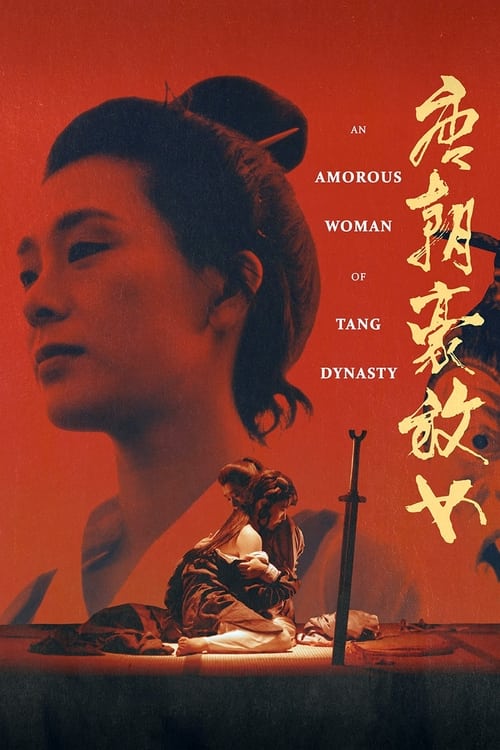
Rebellious Yu Yuan-gi becomes a Taoist priestess in order to avoid traditional roles designated to her as a woman by the society and focus on her studies and poetry. However, her trysts with both her maid and a ronin lead to trouble.
An Amorous Woman of Tang Dynasty
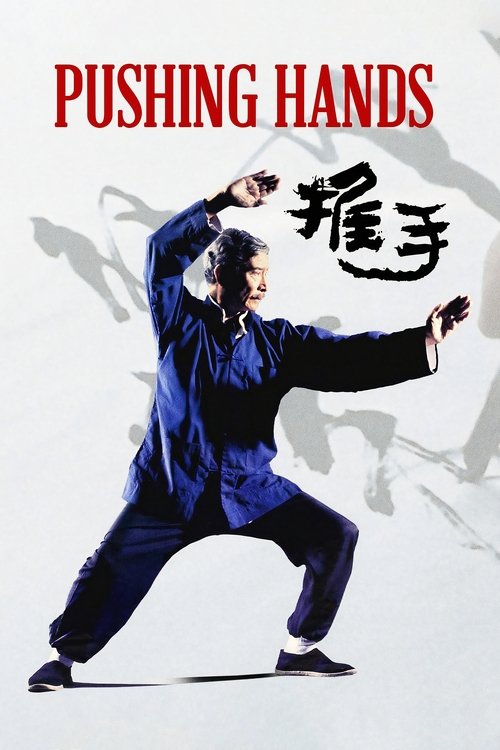
Mr. Chu is an elderly widower who teaches tai chi chuan in Beijing. He moves to America to live with his son's family, but finds the cultural adjustment difficult. Since his daughter-in-law is a white woman who does not speak Chinese, Mr. Chu's son, Alex, must mediate.
Pushing Hands
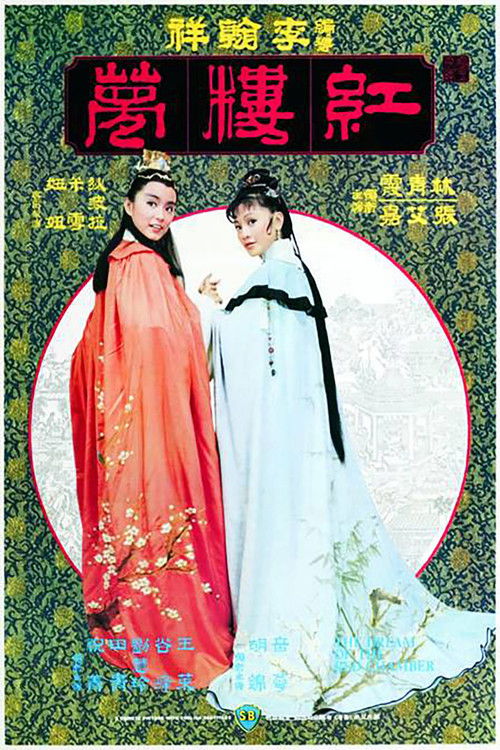
Pao-yu is in love with his cousin, Lin Tai-yu, but his family has other marital plans for him that will leave both broken-hearted.
The Dream of the Red Chamber

A family gathers to be with its dying father. The reunion brings to the surface old rivalries.
All in the Family
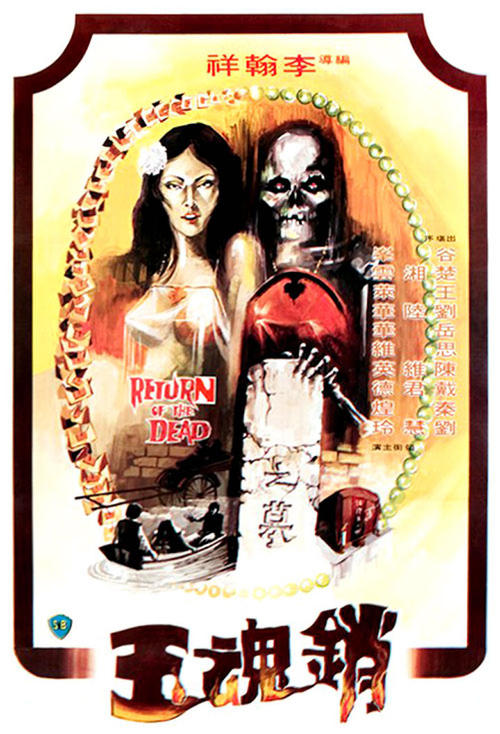
Three inmates in an asylum tell their stories. Story 1, a husband and wife discover they should be careful what they wish for. Story 2, a naked female ghost gets revenge from her watery grave. Story 3, a dead prostitute returns as a ghost.
Return of the Dead

Director Chu Yuan's titanic teaming with respected, inspired author Chin Yung created this unforgettable saga. Set during the Yuan Dynasty, it tells the fascinating story of the "Sacred Fire" sect, the Wu Tang swordsmanship clan, the disciples of the O Mei group, The Book of Chu Yang, and the destruction of Shaolin - complete with a killer cliffhanger. And that's just the start of the fascinating intrigues and ingratiating characters found here.
Heaven Sword and Dragon Sabre
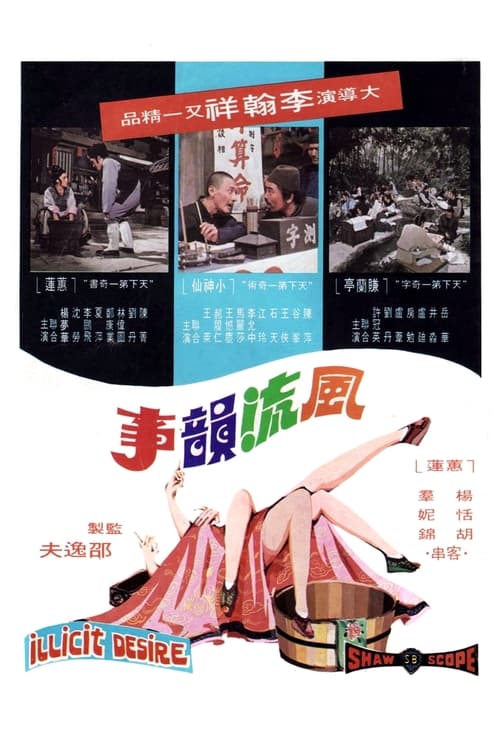
Tang Dynasty emperors, Ming Dynasty scholars, assorted fortunetellers, and several Buddhist monks figure in a trio of erotic and mystical Chinese legends.
Illicit Desire
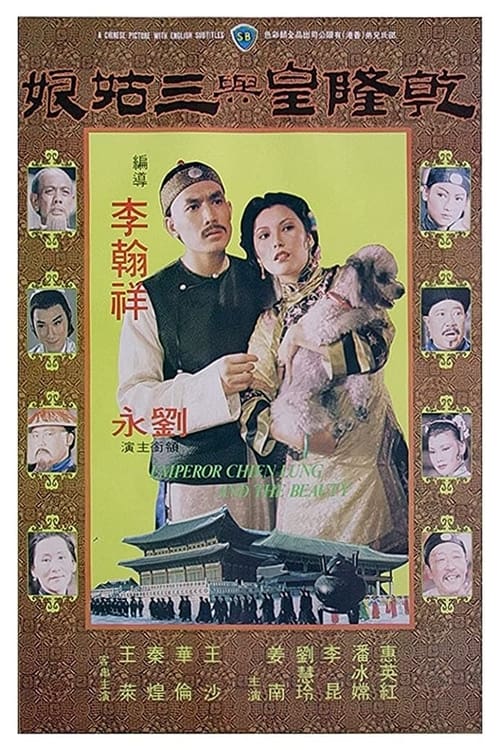
The year is 1756 and the Emperor journeys to Soochow, where he encounters a famous courtesan and gets involved with in all sorts of un-emperor-like activities.
Emperor Chien Lung and the Beauty
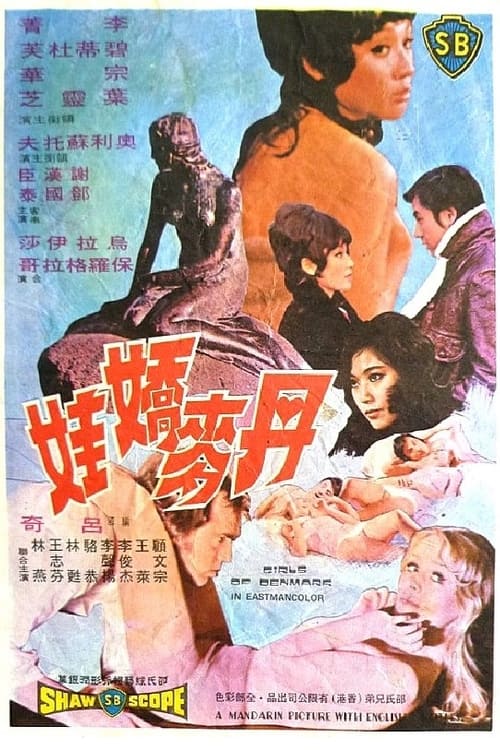
This is a film about the movie industry, about favors, hooking up etc. It is mostly set in Copenhagen and the story begins with the son of a big producer going to Copenhagen from Hong Kong trying to seal a deal. He gets involved with the Denmark girls.
Sexy Girls of Denmark

A tangled murder mystery unfolds amid a complex love triangle. As conflicting witness accounts emerge, the truth about the victim and key suspects is revealed, leading investigators down a dark and twisty path where nothing is as it seems.
The Secret
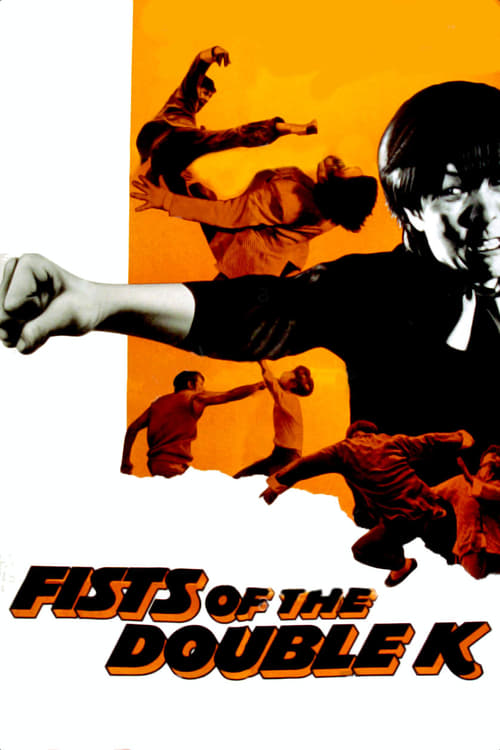
A young police cadet graduates from the academy, and is sent to a small town run by gangsters - one of whom betrayed the hero's father and left him to die.
Fist to Fist
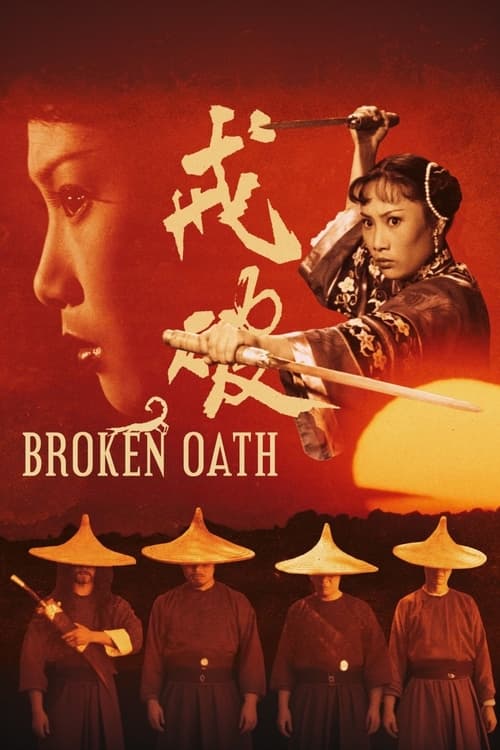
Lotus never had a chance. Her mother seethed with anger at being unjustly imprisoned for turning her attemped rapist into a cyclops. Mother repeatedly asked her good friend and fellow prisoner, Pickpocket, to urge Lotus to take revenge for her as an adult. Lotus is given to a monastery and grows up there, but twenty years of peace and love make no impression on Lotus, who skips classes to practice pole and sword skills. Joining forces with Pickpocket and Big Rat, Lotus gets her chance at revenge.
Broken Oath
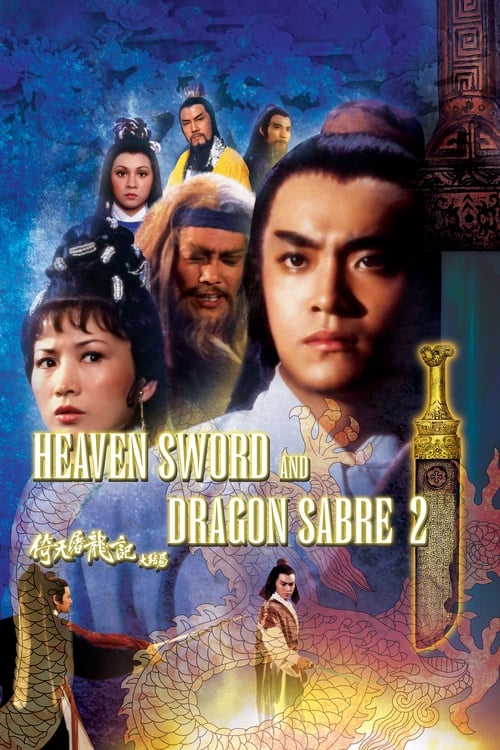
The thrills continue in this second part of this cherished adventure, created by the renowned director Chu Yuan and ingenious novelist Chin Yung. Only the union of the title weapons can save the six remaining martial arts sects who are vying for mastery. So just sit back and enjoy the movie event which spawned a legacy that continues even today with a long-running, internationally loved television series, a role-playing game, and even collectible replicas of the Heaven Sword and Dragon Sabre themselves!
Heaven Sword and Dragon Sabre II

Abortion, birth control and unwed cohabitation are social issues rarely associated with 1970's Hong Kong cinema. Cohabitation not only faces them head on but does so with insight, compassion and sex!
Cohabitation
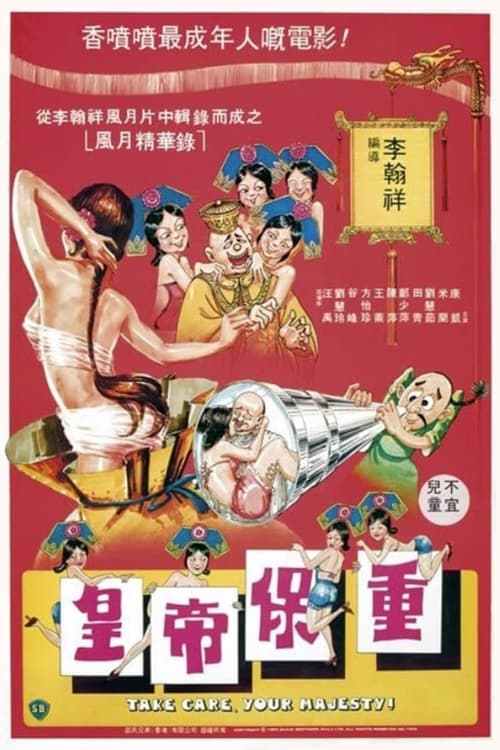
shaw production
Take Care, Your Majesty

Immortal Warriors is a Taiwanese Martial Arts movie.