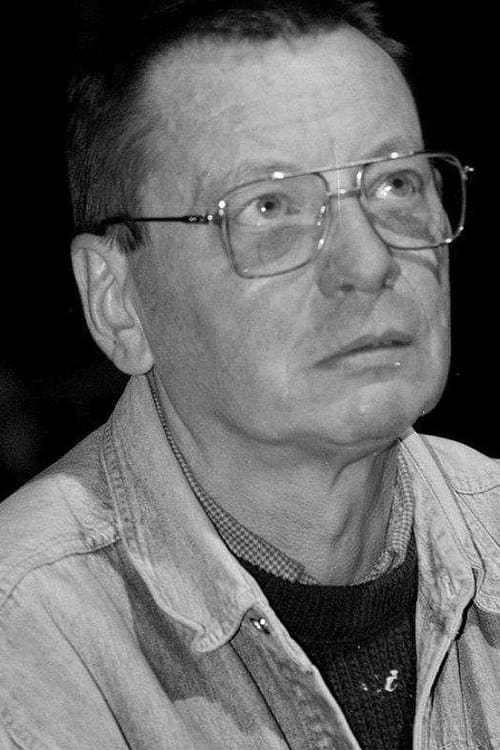
Tomasz Zygadło
Directing
Known For
When a political decision is made as to the location of a new large chemical factory, Stefan Bednarz is put in charge of it. This honest communist party man has to confront the local community opposing the construction.
The Scar
Set in Poland in the 1970s, the main character half-heartedly goes about his job as a censor at the state run television station, whilst conducting affairs with nurses, airline pilots, etc. Interesting scene where main character must illegally emigrate to his own country.
Yes, Yes
A famous Polish journalist presents a problem for the powers-that-be when he displays his full political skill and knowledge on a television show featuring questions and answers on a world conference by a panel of journalists. His enemies take away his privileges when he is away. The shock of being "unwanted" parallels a deeper disappointment in his private life: his wife has an affair with a jealous young rival, and after 15 years of marriage and two daughters wants a divorce. She offers no explanations as he tries to untie these problems himself. All the moves he makes are the wrong ones. He takes on drinking heavily with students eager to attend his seminar after discovering the class has been canceled. The journalist, once suave and commanding, is reduced to silence.
Without Anesthesia
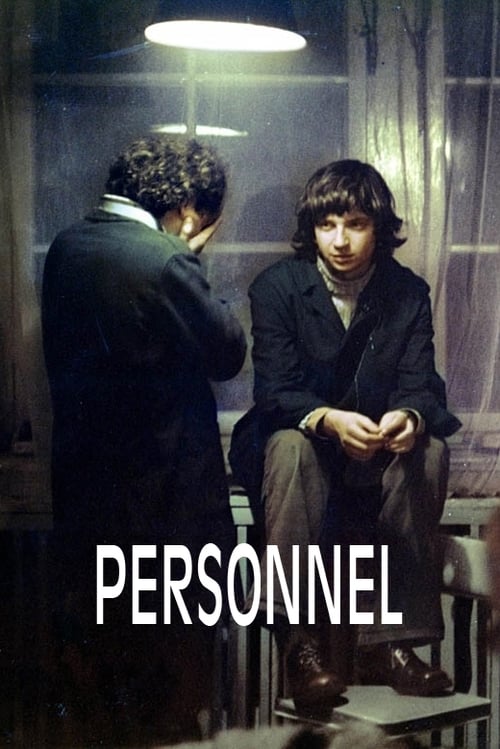
Romek, an idealistc 19-year-old boy, takes a job as a tailor in the costume department of a Warsaw theater company where his new colleague, Sowa, is pressured to make a costume for an overbearing soloist.
Personnel
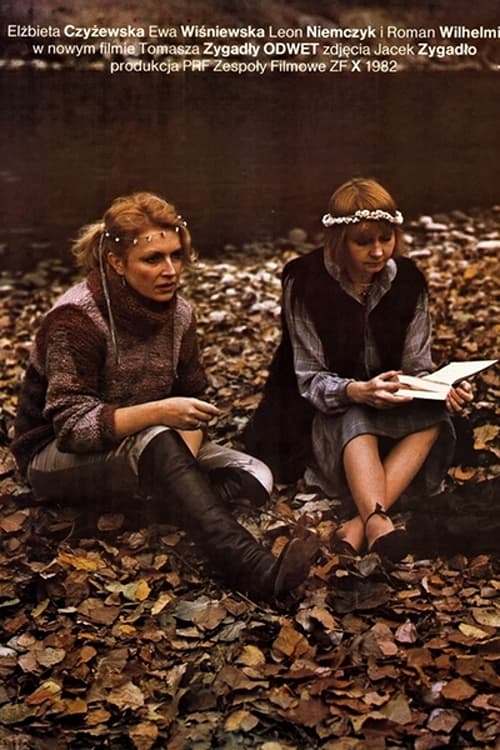
Two old friends meet at a mountain shelter and recall their university years. Midroń and Świdrycki are mature, intelligent men, experiencing a crisis of faith in the meaning of life, in their abilities, as well as fear of death. The next day, their wives join them. Although they have not had the opportunity to get to know each other so far, they become friends very quickly.
Revenge
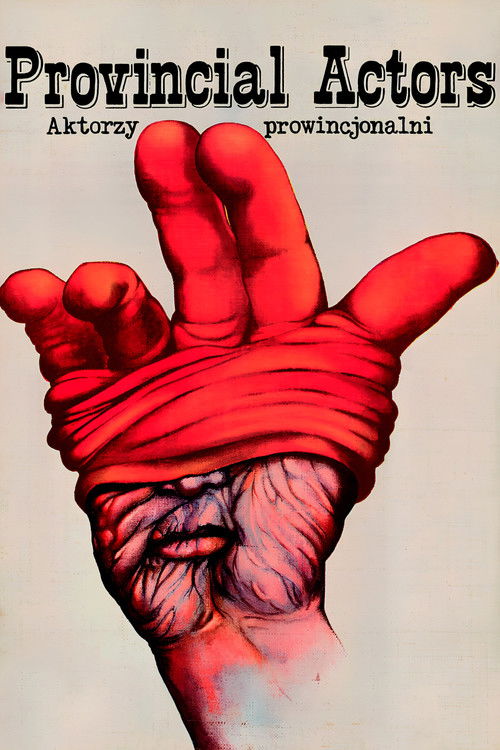
The film is set in a small town near Warsaw, to which a young and coming director comes to produce a classic play (Wyspianski "Wyzwolenie") with a modern vein. Everyone in the production gets his usual stereotypical role, but the aging idol of the ensemble senses opportunity to give the performance of his life. For young director everything is already set. The leading man, however, is not giving up and is trying to restore the role according to his view. His wife listens to his fears, complaints and frustrations, while resigning herself to a fading career in a puppet theatre.
Provincial Actors
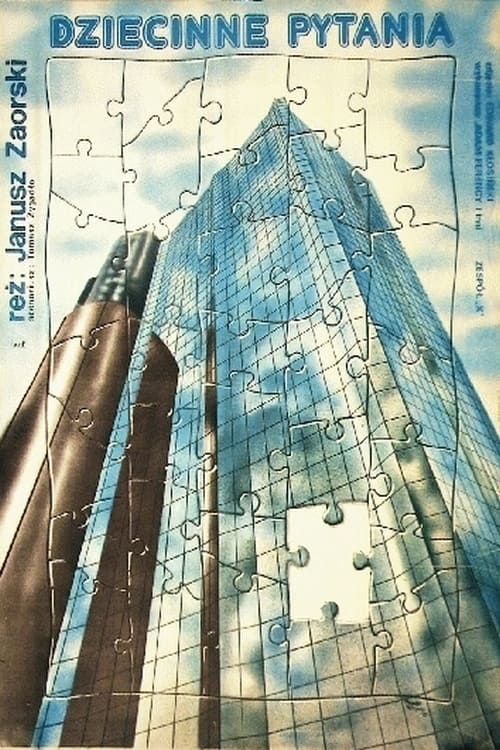
A young architect is locked up in prison. He recalls his uncompromising youth and gradual sliding into the moral swamp of compromises. He was not alone. A group of his friends, dreamers and glass house builders, accompanied him.
Childish Questions
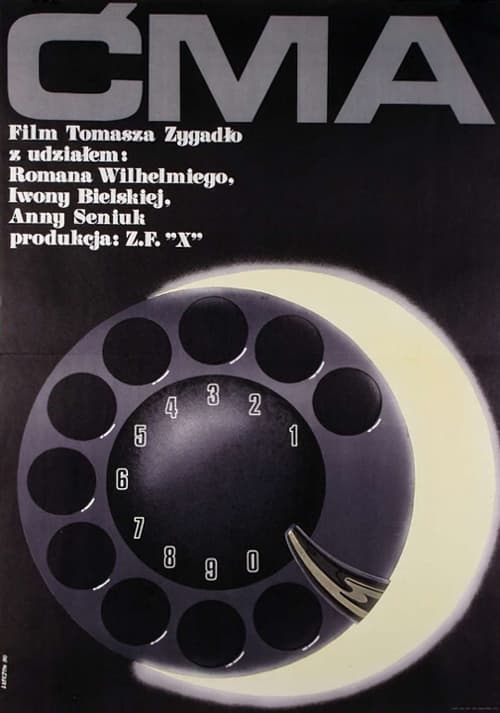
This is psychological drama by Tomasz Zygadlo begins as a straightforward story. Jan is the host of a nightly talk show in which he counsels people who call in with their problems. He is dedicated to helping these lonely souls but becomes increasingly disturbed when his co-workers and supervisors at the radio station do not appreciate his program; they seem unable to grasp the importance of what he is doing. Aside from that, Jan's private life is frayed around the edges. His wife is a heavy drinker and his mistress has no comprehension about who he is or what he is doing. Jan's frustration over this lack of recognition builds to an explosive level, threatening to upset the balance of his daily life.
The Moth
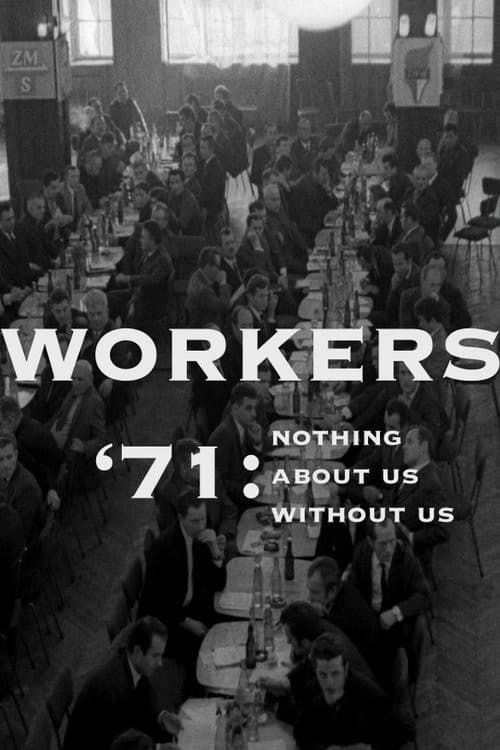
A story about Gdańsk Shipyard and its workers after so called Grudzień 1970 (1970 protests). After those events Edward Gierek replaced Władysław Gomułka as party first secretary and promised redical change in style and methods of ruling. Kieślowski shows the skepticism of workers and their attitude to party members. He also pictures conflicts inside the party (PZPR) and usual work in shipyard. The political criticism of this movie made it a target of censorship – it was suspended and cut against the will of director.
Workers '71: Nothing About Us Without Us
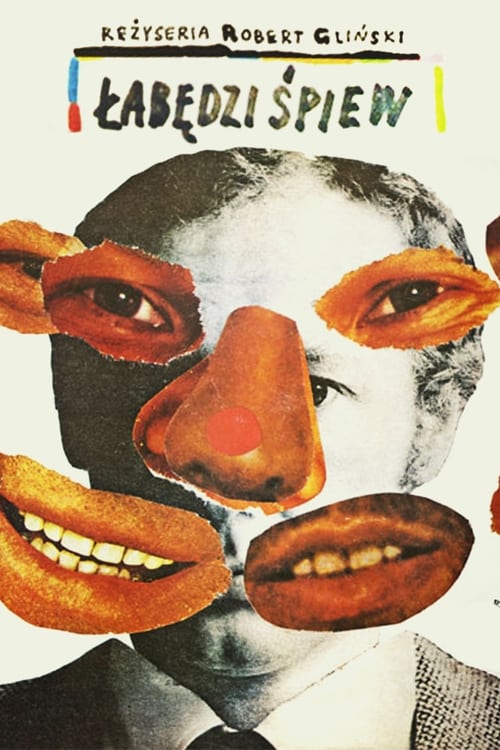
After discussions with Schwartz, a producer from the West, screenwriter Stefan comes back to Poland. Everybody reminds him of his previous success: “The Flame”. The tired protagonist goes back to his wife, actress Ewa, who is eagerly awaiting him. Ewa goes to an audition which doesn’t turn out too well. On the next day, Stefan and his collaborators are wondering what to write a scenario about. Meanwhile, Stefan has a tooth ache. He decides to visit a dentist but is scared away by the price he has to pay for the treatment. Stefan still can’t find an idea for a scenario, and Ewa is not being cast. They decide to sell the car, but a man who takes their car out for a test drive doesn’t return. Stefan is changing ideas for the scenario constantly, he can’t make up his mind… at home, a pipe goes off… the wine he keeps in gallons blows up… the milicia (People’s Republic of Poland’s police) comes and general chaos ensues, as they are drowning in water and wine… which gives Stefan an idea…
Swan Song

The heroes of this film are hands and a violin. We won’t see the hero's face, but we’ll notice a special relationship that exists between the musician and the instrument. It resembles real love. The man is able to make the inanimate instrument a living instrument.
Love
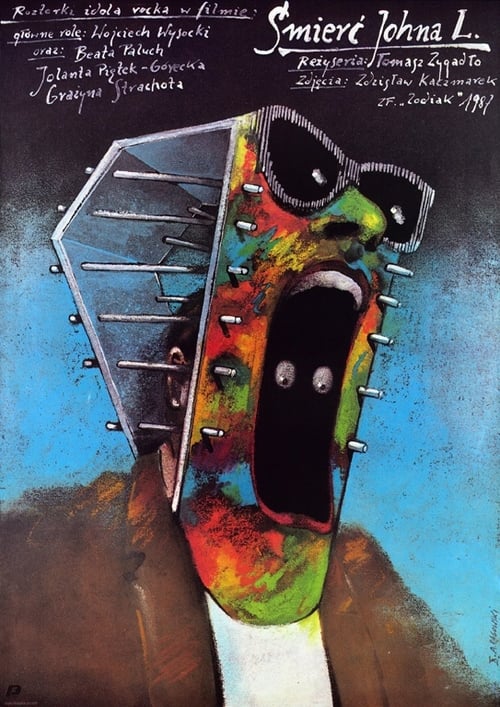
Zbigniew Gąsior, a thirty year old singer, is a youth idol. Despite fame, money and success with women he can't neglect the emptiness in his life.
The Death of John L.
Based on a short story by Andrzej Mencwel. Somewhere in Poland, spring 1980. Julian S. is an intelligent young man with a lot of interests. After another argument with his father, he leaves the house. Comrade R., the mayor of the city, engages Julian as his son's tutor. Krzysztof R. doesn't want to study, to annoy his parents, but Julian wins his friendship and encourages independent thinking. Meanwhile, the Mayor is so preoccupied with his career that he doesn't notice the growing intimacy between his wife and Julian.
Child's Scenes of Provincial Life
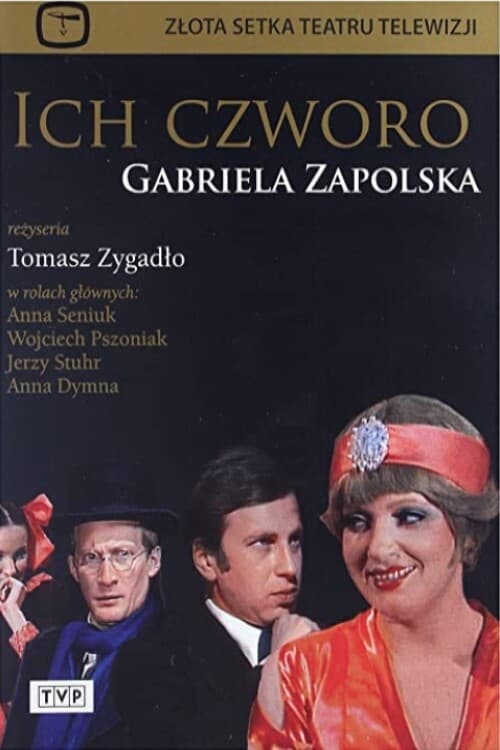
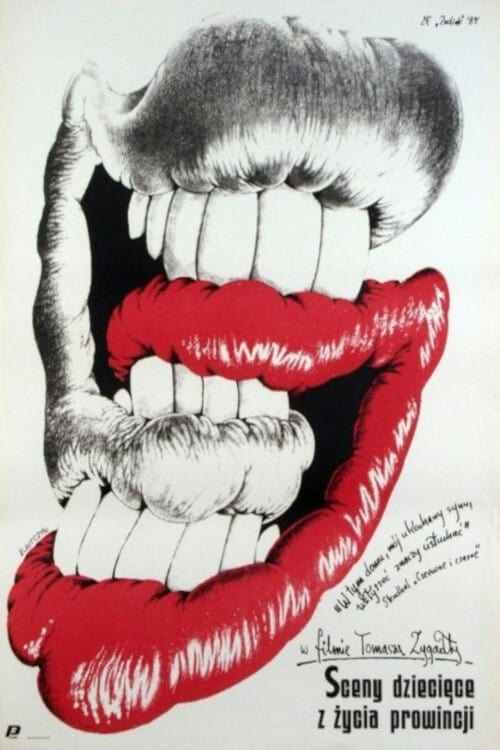
One of Gabriela Zapolska's most famous comedies, it was written in 1907. A realistic story of a marital triangle, precisely constructed in terms of the psychology of the characters. In this classic production, director Tomasz Zygadło emphasizes above all the truth and universality of human characters and behaviors.
Ich czworo
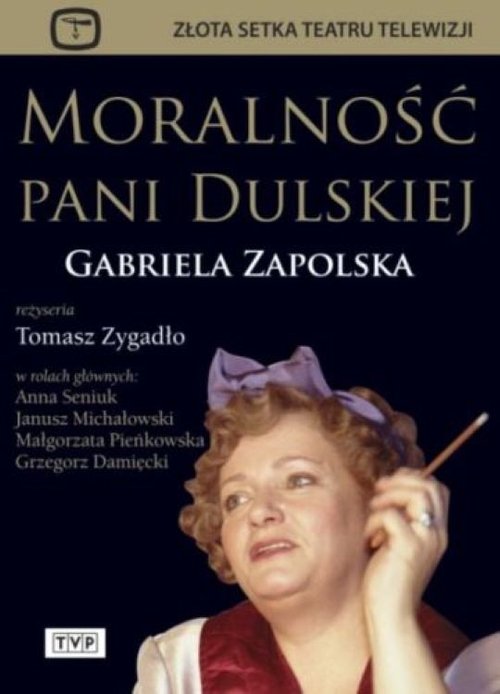
A seemingly exemplary housewife and mother, she cares about the family's good image. In reality, she is hypocritical and ruthless, tolerating wickedness and covering up scandals in the name of "higher values." Zapolska exposes bourgeois hypocrisy and ridicules so-called decent people.
Moralność Pani Dulskiej
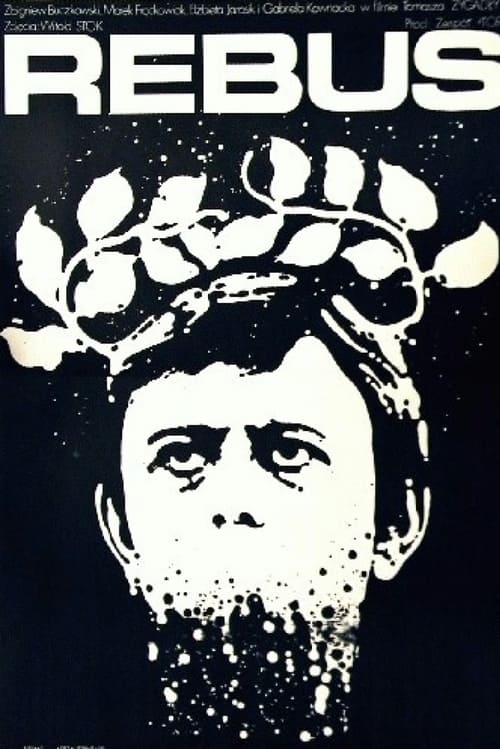
Social drama which addresses the problems faced by delinquent young people and how difficult it can be to change their way of life. Czesiek is a young hooligan who who comes into contact with Marek, a sociology student and tries to change his lifestyle but receives no support from the local youth organisation. His comrades look on him as a deserter whilst Marek is only interested in him as a subject to be studied.
Rebus
A reimagination of the classic fairy tale into the reality of 1970's Poland.
Brzydkie kaczątko

A group of artists prepares an Open Gallery on the town square in Krapkowice in Silesia. After a year, the first parts of it are already in a deplorable condition. Whose fault is it?
The Scratchpad
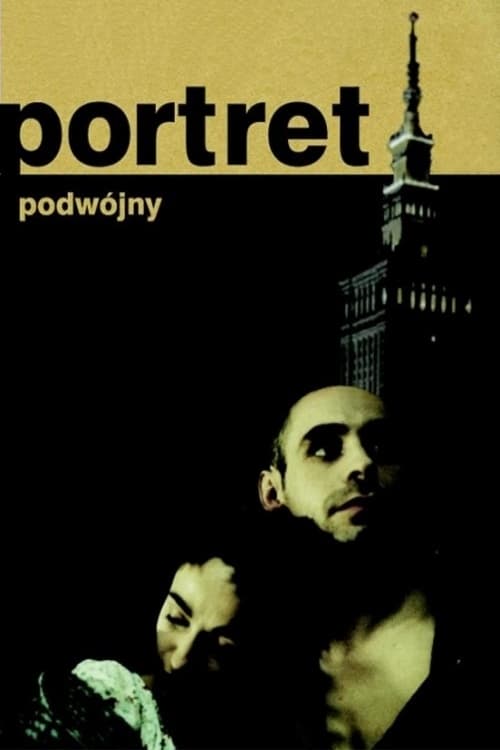
A picture of the broken world at the end of the century. A couple of contemporary young Polish intellectuals, artistic souls. They are sensitive beyond mediocrity, hence the daily hustle and bustle is not an excuse for them to live: they want to give it a meaning and shape of their own choosing. They search for their "roots", only to find out once again that, apart from natural tenderness, they have nothing in common with their families. There is no question of rebellion, of generational strife. Today's 30-year-olds face only technical, not sentimental, obstacles; childhood memories of parents not seen every day sink in, the image of a child living apart indifferently.
Portret podwójny
The documentary portrays discussions among the youth about ideals, aspirations, and everyday problems of the younger generation.