Acting
A series about the adventures of a Polish secret agent, Hans Kloss, who acts as a double agent in the Abwehr during Second World War in occupied Poland.
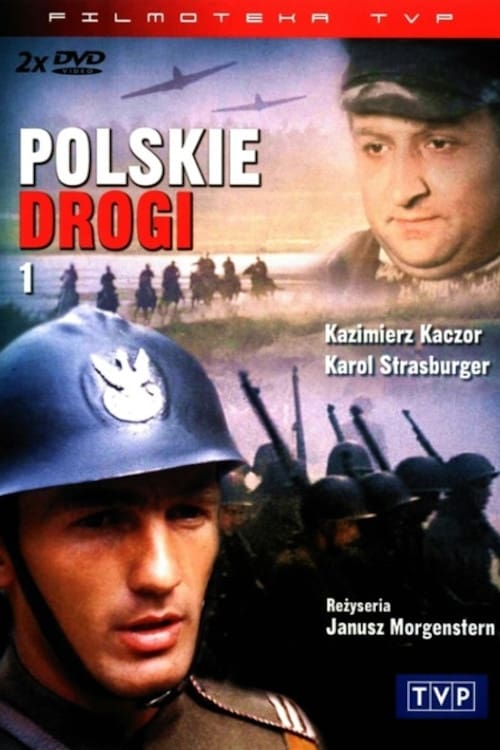
An epic, multi-threaded story about the fate of Poles during World War II. "Czas pogardy" was shown primarily from the perspective of two main characters - Lieutenant Władysław Niwiński and Leon Kuraś - a petty crook, but not without heroic traits. The authors of the series sought to show, in particular, everyday life under Nazi occupation in Poland.
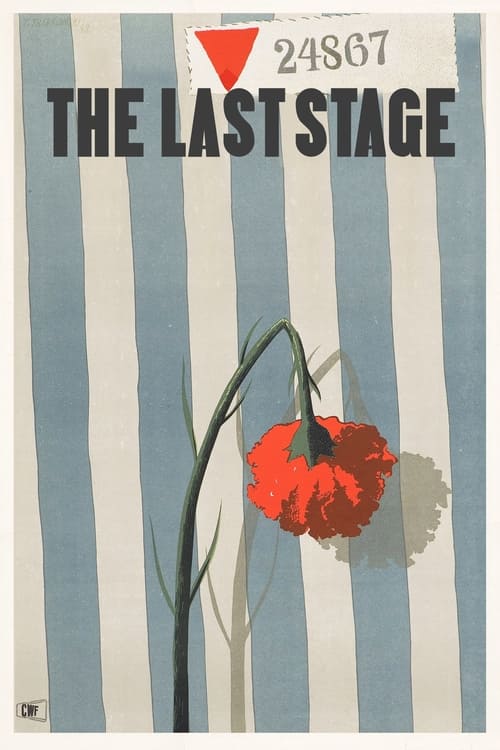
Poland, during World War II. Martha Weiss, a Jewish woman, arrives at the Auschwitz extermination camp with her family. She is assigned the role of interpreter, but her loved ones are much less fortunate.
Polish Fanfan, the first Polish series from the "cloak and dagger" - written about the "black cloud" in the press of the 70's. Axis of the plot became a dramatic episodes of the struggle for the maintenance of the Polish Prussia. They remained in feudal depending on the Republic from 1525, when Albrecht Hohenzollern secularized religious state and filed in Krakow tribute to the Polish king.
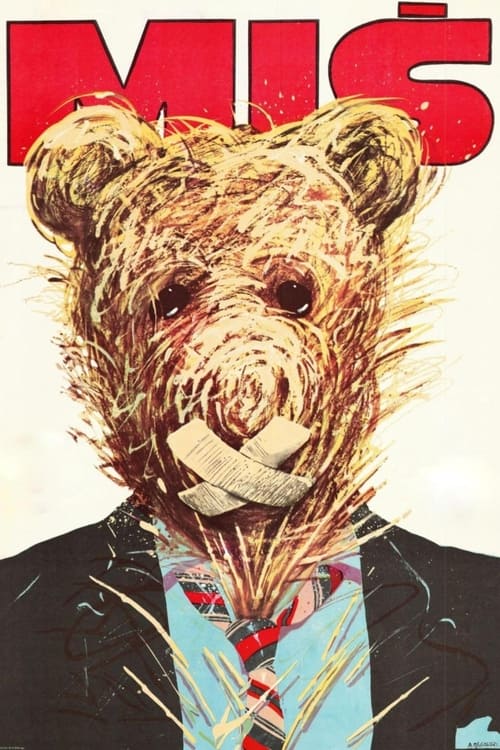
En route to London, Bear discovers at the border checkpoint that his passport is missing a few pages, which may prevent him from traveling to the city with the sports team he manages.
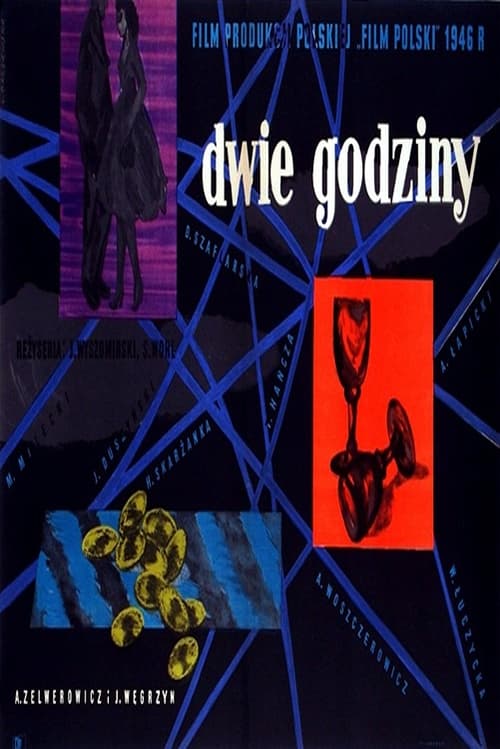
Follows the lives of people shortly after World War 2 as they try to adjust to their new lives. Completed in 1946, it was banned from release by the communist government of Poland until 1957 in edited form.
No description available.
Imperialist spies try to disrupt and stop production in a large steelworks.
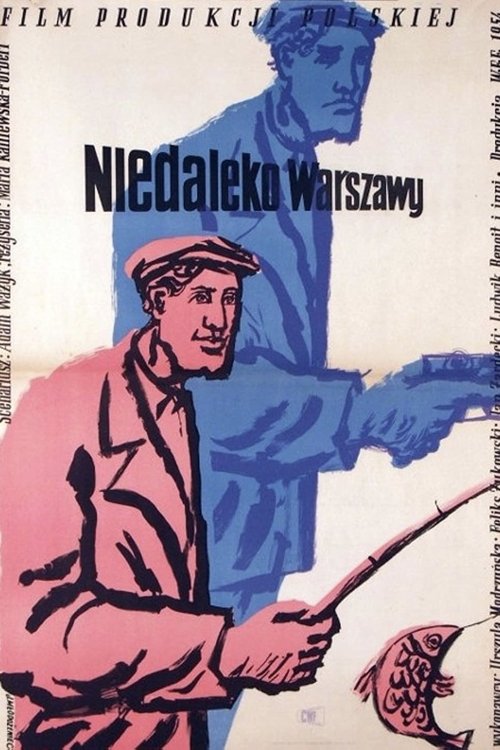
A journalist investigates a mysterious murder in the countryside.
Two-part biopic about General Karol Świerczewski, living embodiment of the party line, and the group of party members from his hometown fighting the fascist forces towards the socialist state of affairs.
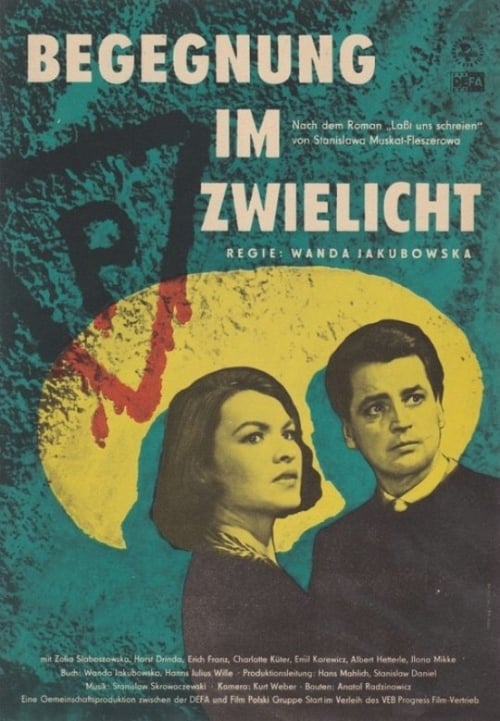
A pianist from Poland visits a town in West Germany and starts to remember details about her life during the war.
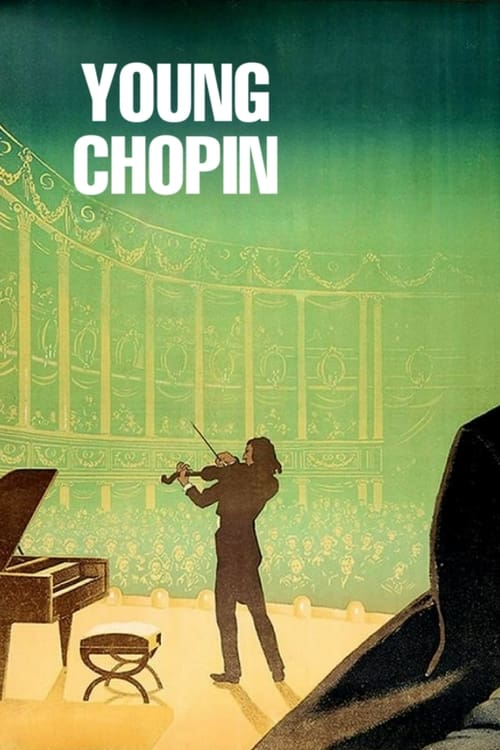
Young Frederic Chopin comes of age during a tumultous time in Polish history.
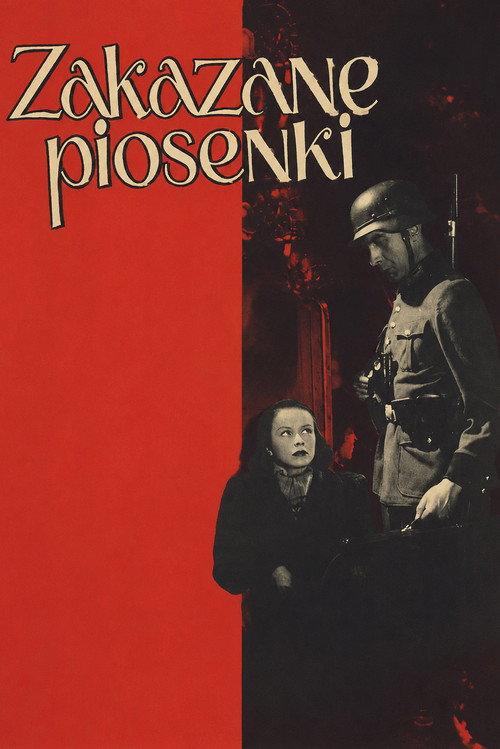
Set during the German occupation of Warsaw during WWII, this musical tells the story of several inhabitants of the same tenement house.
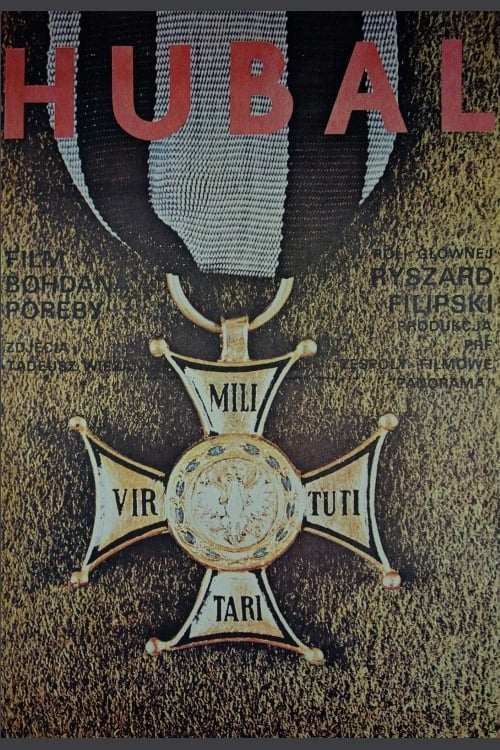
Major Henryk "Hubal" Dobrzański refuses to surrender to the Germans in the wake of the 1939 campaign and continues to lead his regiment in guerilla warfare against the invaders.
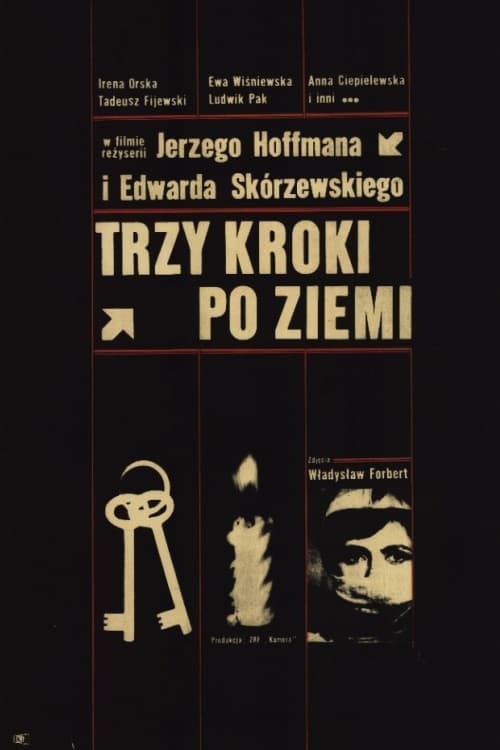
Three stories about life problems, each rooted in contemporary reality through newspaper reports and a “Polityka” magazine survey, crafted by documentarians Jerzy Hoffman and Edward Skórzewski.
A school reunion is called to commemorate Adam, who died during the Second World War while defending a bridge. Unexpectedly, Adam shows up just before the ceremony. It turns out that he was only wounded, and after a war started a family and lived an ordinary life. To avoid the truth from spreading town Adam is asked to leave so that he can still be revered as a hero.
After an accident in a smelter plant kills two workers a crane operator decides to take full responsibility.
Thirty years after the war, Anna, a journalist from Germany, leaves for her native village in Lower Silesia, which she had to leave with her family in 1945. Here she meets Ludwik, an old love and her daughter's father.
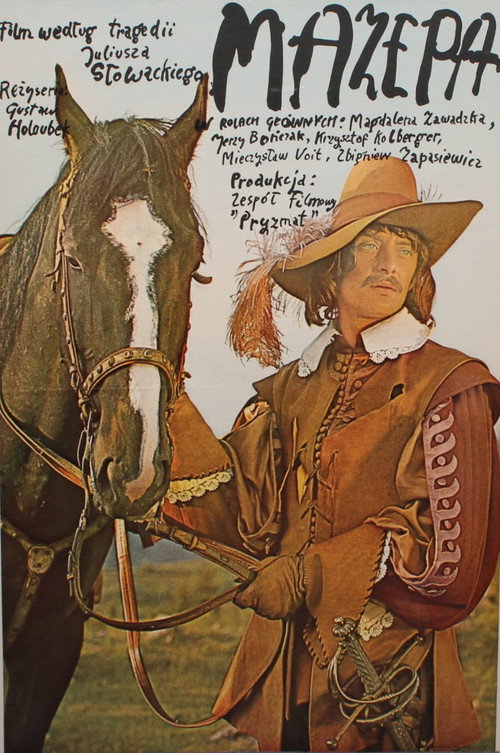
King Jan Kazimierz, Mazepa, a young Cossack from the king's entourage, and Zbigniew, the voivode's son from his first marriage, are all in love with Amelia, the voivode's wife. Dramatic coincidences and misunderstandings lead to a tragic ending. Zbigniew commits suicide, Amelia dies, the voivode orders Mazepa to be captured, stripped naked, and tied to a horse, after which he releases him, while he himself kills himself with a dagger in front of the king.