Acting
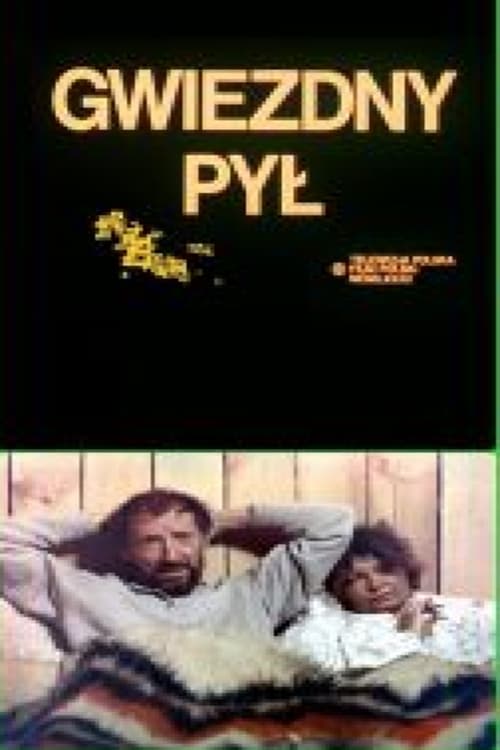
An odd couple of old people lead their simple lives close to nature. The man is an amateur constructor and his goal now is to build a small river dam to produce electricity for his country house.
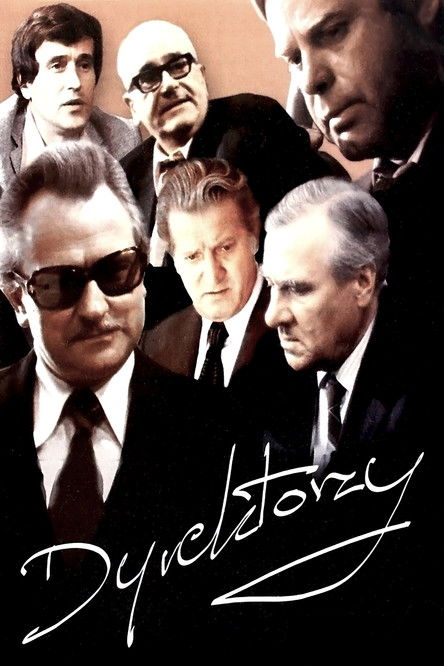
1957. Excessively high production standards imposed by the authorities result in the plan not being fulfilled, and the workers cannot imagine living normally without rewards and bonuses. A rebellion breaks out. Worker democracy wins – the working class elects a director from among its own ranks. He is an old locksmith with no managerial experience. Although he believes in the socialist spirit and has a communist past, he does not hold the position for long, as he makes promises too easily that he is unable to keep.
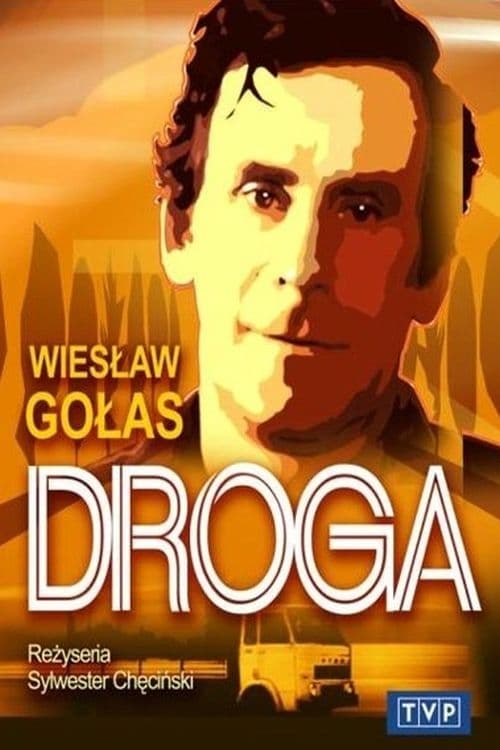
Marianek is an unlucky man and not successful in his affairs. At the same time, he is a dove-hearted man, sensitive to other people’s misfortunes and harm, willing to help, even at his own expense. He is always ready to solve the problems of others, although he is usually not very good at it. His favorite saying is “absolutely”.
No description available.
Jacenty is nearing the end of his days. However, he wants to go on his own terms, bargaining until the very end.
Follows the lives of people shortly after World War 2 as they try to adjust to their new lives. Completed in 1946, it was banned from release by the communist government of Poland until 1957 in edited form.
A story of the love affair between Janek Małodworny and Hanka, daughter of the kulak Nalepa. The two love each other, but their happiness is hampered by differences in possessions. To make matters worse, Małodworny is in favor of establishing a cooperative along Soviet lines, while old Nalepa is staunchly opposed.
The story of the tumultuous relationship between a Jewish girl called Noemi and a Polish art student named Kamil is set at the outbreak of World War II.
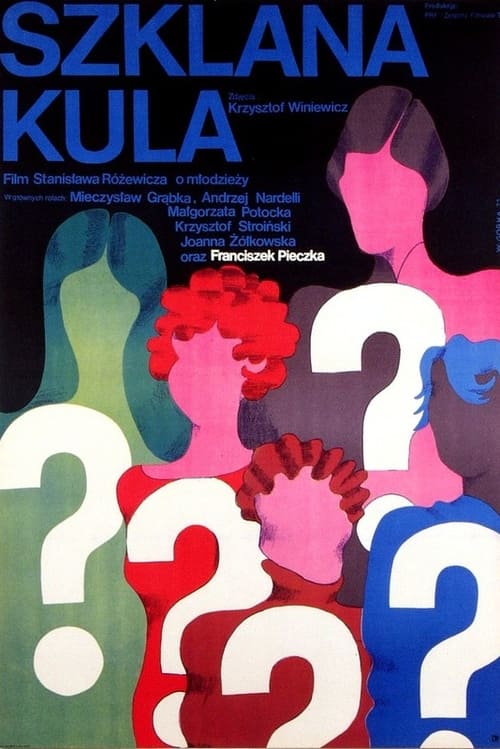
Five teenagers on the cusp of their final year in high school ponder about their futures.
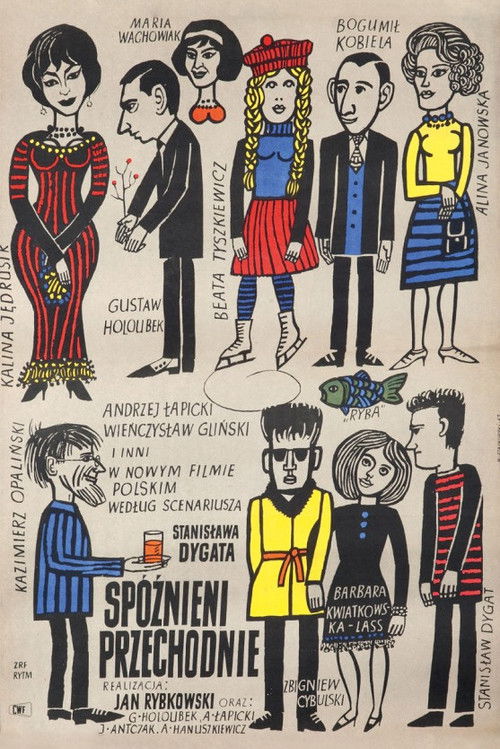
Five short stories. (1) “Czas przybliża, czas oddala” – Edward recalls his unfulfilled love for Anna and, years later, writes to her sister Zofia, mistaking her for Anna. (2) “Krąg istnienia” – A girl falls for Wacek at an ice rink; pressured by family, she marries a soap manufacturer. (3) “Paryż 1945” – A Polish refugee soldier and an American woman share a fleeting wartime bond before she leaves at dawn. (4) “Stary profesor” – Two men seek an old professor to fulfill a dying prisoner’s last wish; Roger impersonates a former pupil. (5) “Nauczycielka” – Neglected wife Zofia accepts film tests, only to find the director seeks an ordinary woman.
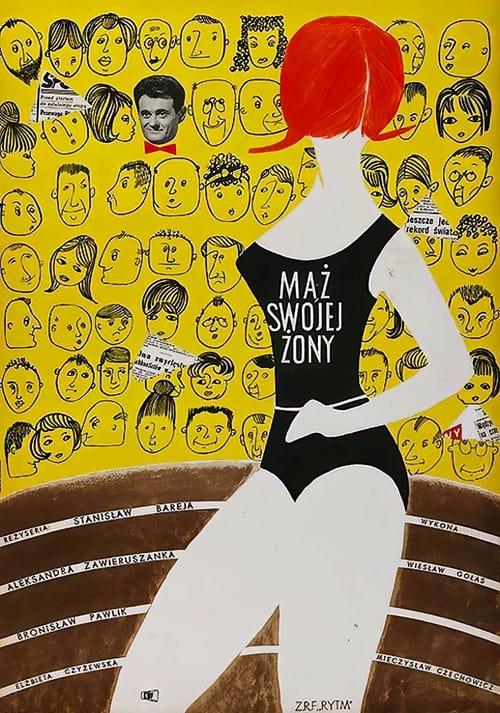
Mąż swojej żony (English: Husband of His Wife) is a Polish comedy from 1960 directed by Stanisław Bareja. The story of a newly married couple, Michał Karcz (composer) and sprinter Jadwiga Fołtasiówna-Karcz. Michał has to adjust to Jadwiga being much more famous and her fame and needs dominating their lives.
Karwowski, son of a pre-war colonel, is transferred from the West to Poland with the task of assembling a spy and diversion network. The task seems to be easy. However, after landing in Poland, it turns out that nobody wants to cooperate with him. Karwowski's "100% reliable" contacts with potential collaborators turn out to be completely outdated.
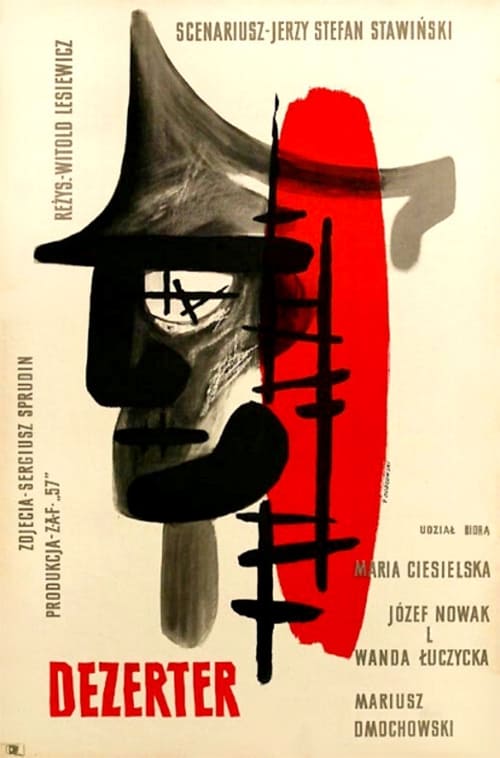
A Pole incorporated into the Wehrmacht deserts, hiding in a coal mine ...
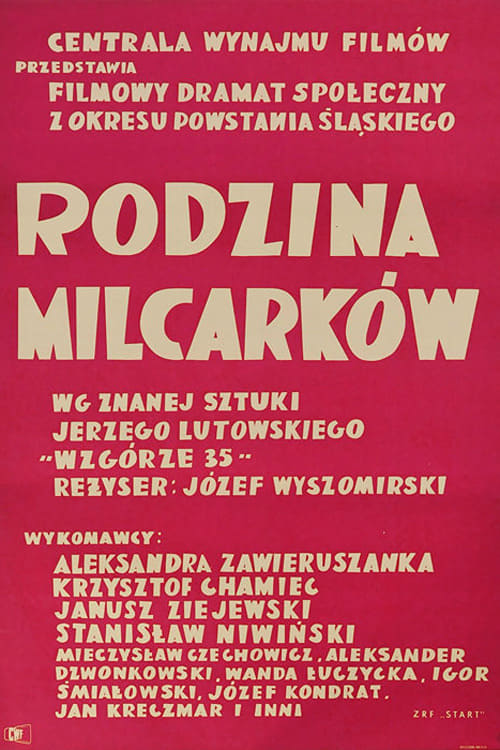
The fate of a working-class family during the third Silesian Uprising.
Władek returns to the town where he used to work to explain the circumstances of certain events. At that time, the boy lived in a boarding house with professor Marcinkowski.
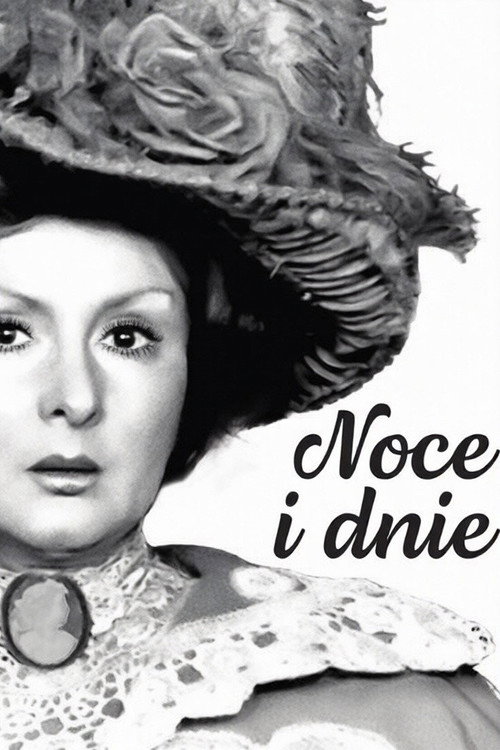
A family saga of Barbara Ostrzeńska-Niechcic and Bogumił Niechcic against the backdrop of the January Uprising of 1863 and World War I. The film is a rather straightforward and faithful adaptation of a novel by Maria Dabrowska with the same title. The plot is woven around the changing fortunes of a noble (upper-class) Niechcic family in the pre-WWI Poland. There are two main crossing threads: a social history one and an existential one.
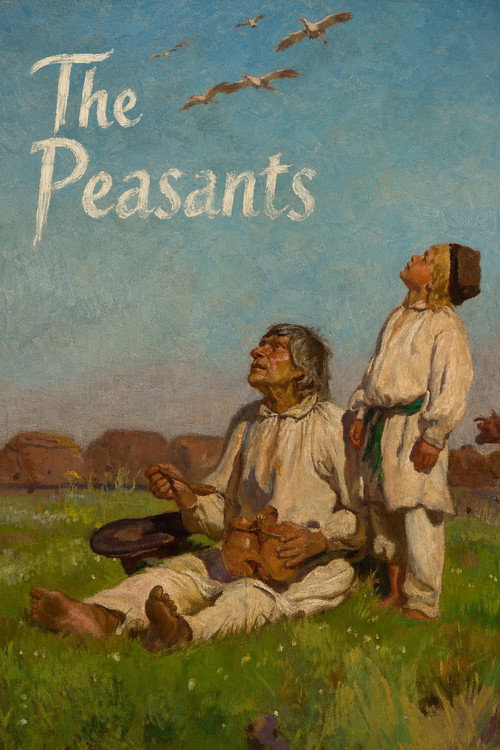
In a bucolic Polish hamlet, the tense relationship between a father and son reaches a boiling point when the men lose their hearts to the same woman and vie for her affections. Based on Wladyslaw Reymont's Nobel Prize-winning book and helmed by Jan Rybkowski, this theatrical release (starring Krzystof Chamiec, Wladyslaw Hancza and Emilia Krakowska) was culled from a 13-episode miniseries that aired on Polish television in 1972.
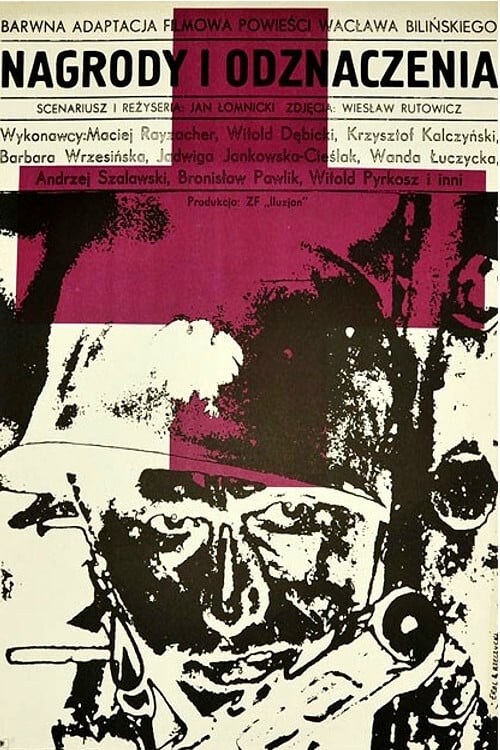
A wartime drama set in a 1944 military hospital where wounded officers and staff from opposing political camps confront ideological conflict and moral uncertainty.
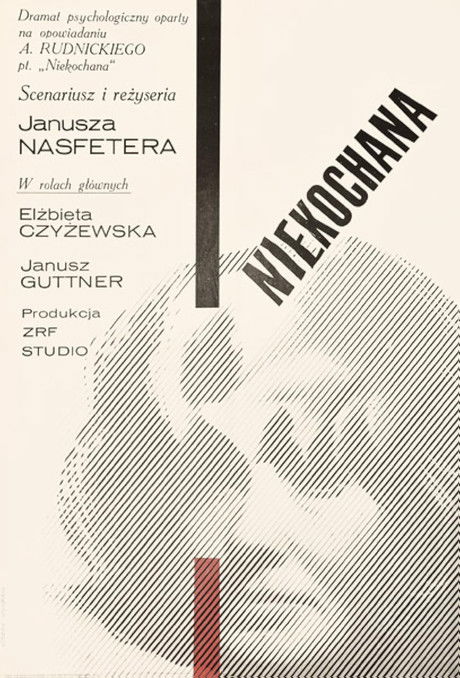
A psychological drama about a mother and daughter. The first was once a journalist and a brave soldier, the second interrupted her studies in philosophy
Nora Hansen witnessed a crime. However, she cannot reveal the truth, as an accident left her completely paralyzed.