
Helber Rangel
Acting
Known For

Unhappy in her marriage, Rachel decides to separate from her husband, the businessman Virgílio. Determined to turn her life around, she moves from Petrópolis to the southern zone of Rio de Janeiro with her daughter, Clara, and goes to live in her mother Laura's house in Ipanema. There she falls in love with the charming, but gruff, Heitor, owner of a mechanic shop. He lives with his sister, Irene, in an old townhouse, one of the main settings of the telenovela.
The Summer Sun

No description available.
O Todo Poderoso

In the 1950s, Lurdinha and Marcos fall in love at the first sight. She studies at the Institute of Education, and he studies at the Military College. Two traditional educational institutions in 'Tijuca', in the North Zone of 'Rio de Janeiro'. But Lurdinha's conservative parents reject Marcos because he is son of separated parents and try, in every way, to keep him away from her.
Golden Years
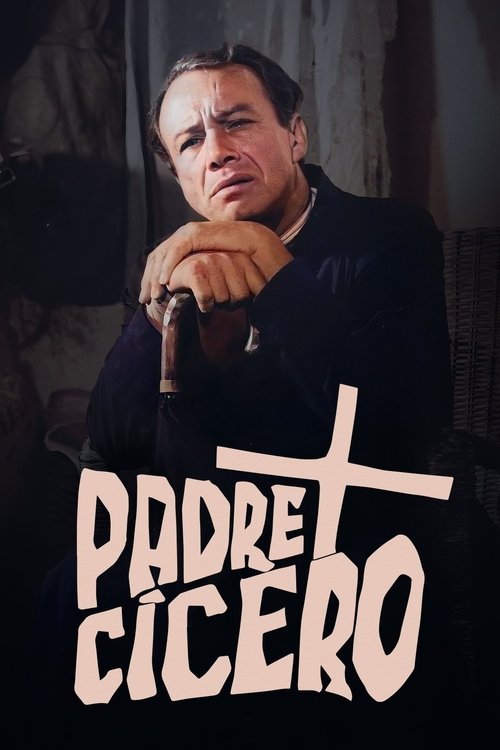
No description available.
Padre Cícero

No description available.
Lampião e Maria Bonita

Biography of a Brazilian dancer who lived on an island and practiced nudism when it was forbidden by law.
Luz Del Fuego
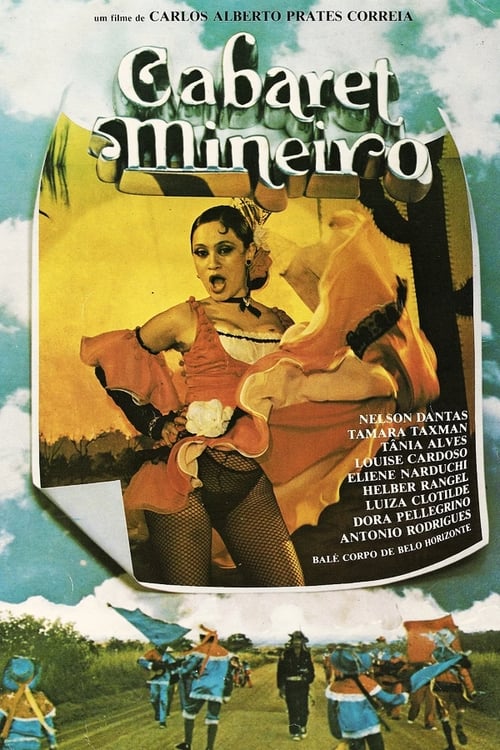
An adventurer travels by train through the Brazilian state of Minas Gerais, meeting old and new lovers and remembering love affairs of his youth.
Cabaret Mineiro
A couple of filmmakers facing difficulties to make a film in the midst of an economic crisis, affecting the relationship between them.
Amenic - Entre o Discurso e a Prática

As soon as Mauro, an Administration student, discovers a strong vocation for mediumship, he drops everything to go deeper and dedicate himself to Umbanda, a religion he embraces so strongly that it makes him give up his studies. Determined to open his own spiritist center, Mauro moves to the countryside.
Prova de Fogo

No description available.
Luz, Câmera, 50 Anos: Lampião e Maria Bonita - O Filme

A man kills his roommate and buries him hastily in the backyard. But soon people arrive to see the room the dead man had advertised the day before.
Crazy - Um Dia Muito Louco
Powerful magician goes to jail for creating illusion of affluence in Brazilian town.
The Wizard and the Sheriff

An industrial couple spends more than they can afford. In financial trouble, the husband Afraninho devises a strange kind of business, for foreign executives, in which the product is his own wife Malu. They succeed, and soon other couples start doing the same thing, establishing the competition.
O Bom Marido

Adaptation of the series shown in 1986. Marcos and Lurdinha live in love in the 1950s. The young man is the son of separated parents and his mother, Glória, works as a cashier in a nightclub. The conservatism of the girl's family and the sexual repression of the time are factors that affect the couple's relationship.
Luz, Câmera, 50 Anos: Anos Dourados - O Filme
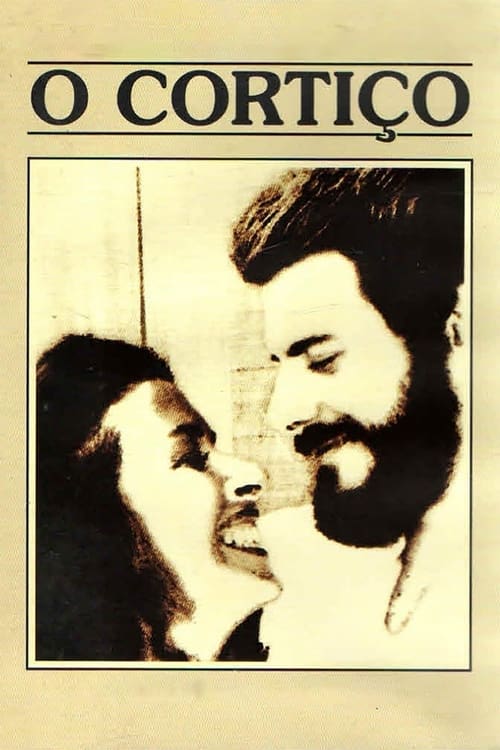
This adaptation of a classic Brazilian novel focuses on the relations of charismatic characters within a tenement.
O Cortiço

Famous soap opera actress finds out her sexuality after breaking up with her former boyfriend, an important TV executive.
A Mulher Sensual
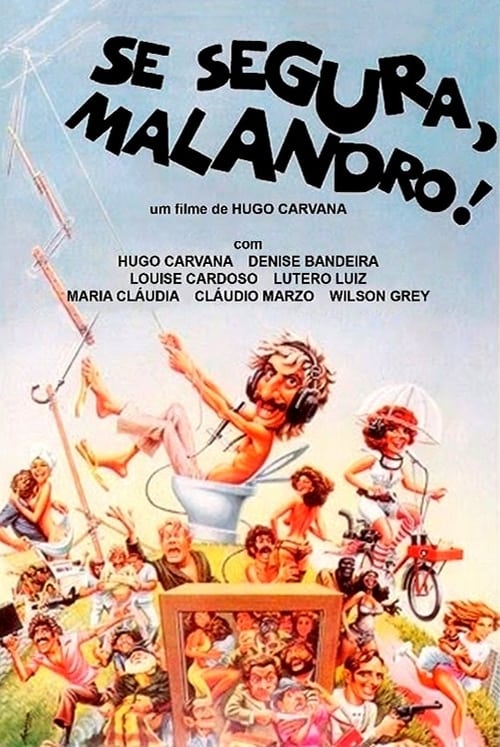
Paulo Otávio is the host of a pirate radio station on the slums of Rio de Janeiro. He struggles to mantain the station working, since the only help he's got comes from news reporter Calói. Their story goes beyond as the city starts to face a crime wave.
Se Segura, Malandro!

The story of a poor woman living in the backwoods of Brazil and working as a maid. One day she is unfairly fired from the house where she was working and goes to the big city, facing a cruel and hostile world, working in factories, bars and bordellos.
A Lost Woman

Joana is a sophisticated, beautiful woman, so she has a choice of lovers, and destinies. She will let down Pierre, the French consul at São Paulo, and with him the frivolity of tea-parties and comfort. Her wild inner-soul will develop into the wild forest surroundings of a landlord's farmhouse. To the extent she will defend her land like a 19th century owner - of lands and men alike.
Joanna Francesa

In São Paulo, during the 1920s, a woman who is loved by a telegraphist and seduced by a slacker ends up in prostitution.