Camera
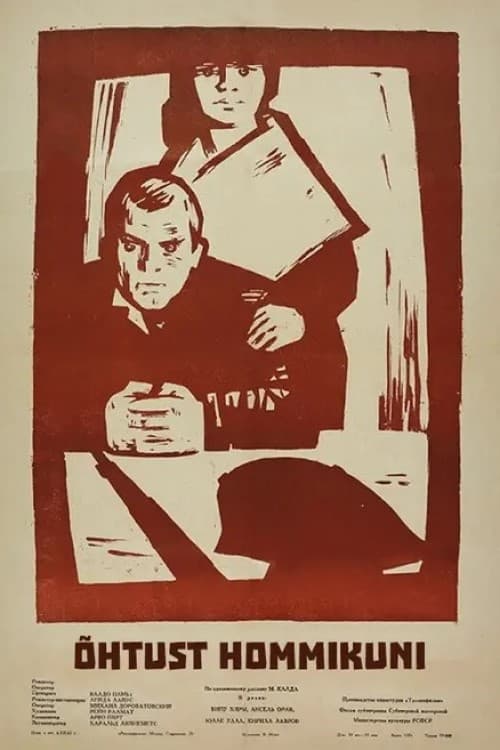
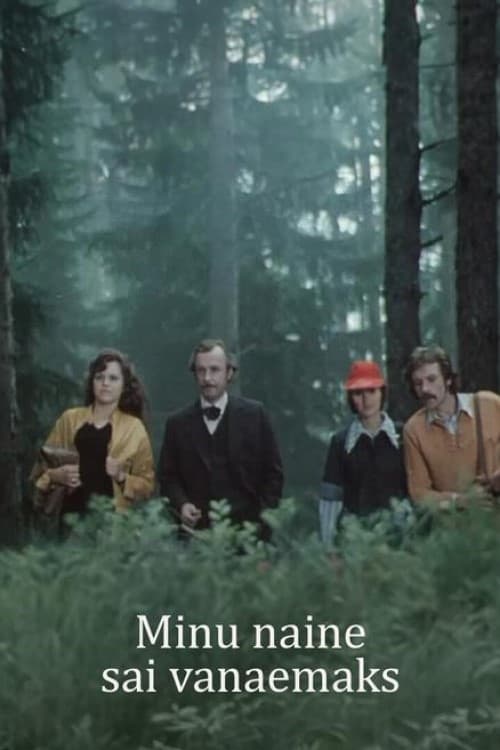
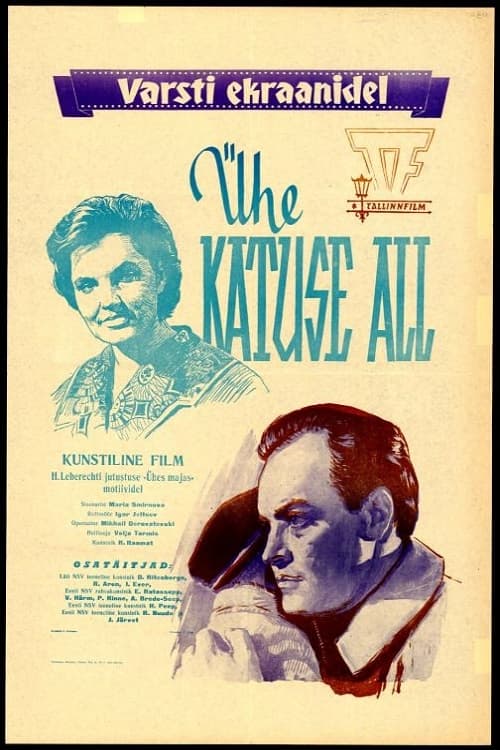
A baron gives a poor peasant a well-paid job of a milkman but for reward he has to accept his beloved girl going to the mansion from time to time. Does the wealth outweigh the honor and conscience?
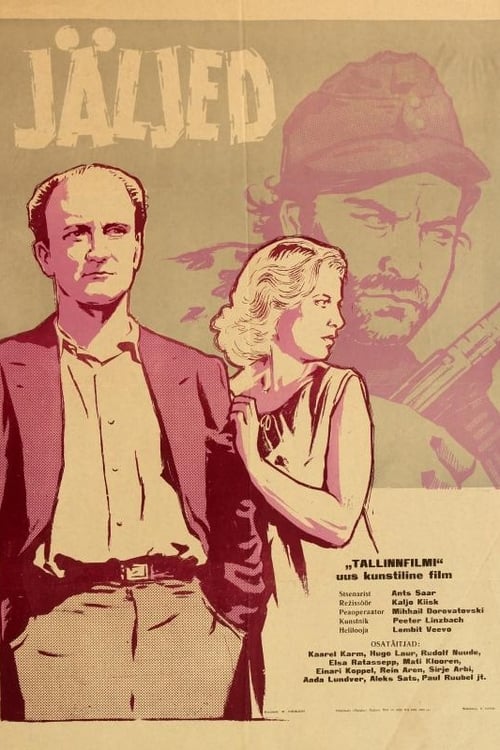
Heino Raagen and his war comrades begin a new battle while arriving at their home village - establishing a collective farm. The sufferings and fears of the war have exhausted people; nevertheless, they still stick together and protect their close ones. Heino's girlfriend Valve hides the plans of her brother Robert hiding in the forest from him; as a result, their relationship will fall apart. Life goes on, but disappointment and anger will take their toll even when years have gone by.
During the German occupation of Estonia a young mother finds a Red Army soldier hiding in the hay in her barn.
Pastor Paul Lempelius comes to the island of HIiumaa that seems to be like the world's end. While serving the pastorate of Reigi in spirit and in truth, Lempelius hopes to get rid of the burden of destiny. However, the local people favour pagan traditions and distrust the strict kingdom of God that Lempelius teaches them. The pastor's beautiful yet childless wife Catharina yearns for joy of life and tenderness that she won't receive from his husband. Instead, a young assistant pastor Jonas Kempe offers her his love. Their love, disregarding all laws, and the primal lifestyle of the islanders will become the touchstone for Lempelius' redemption.
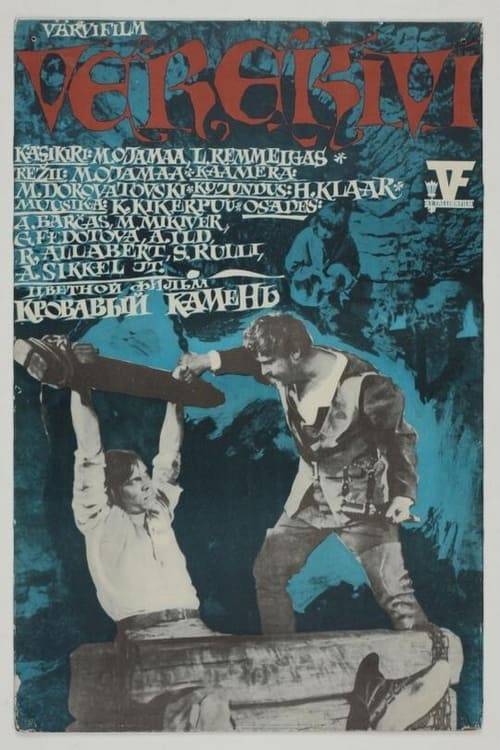
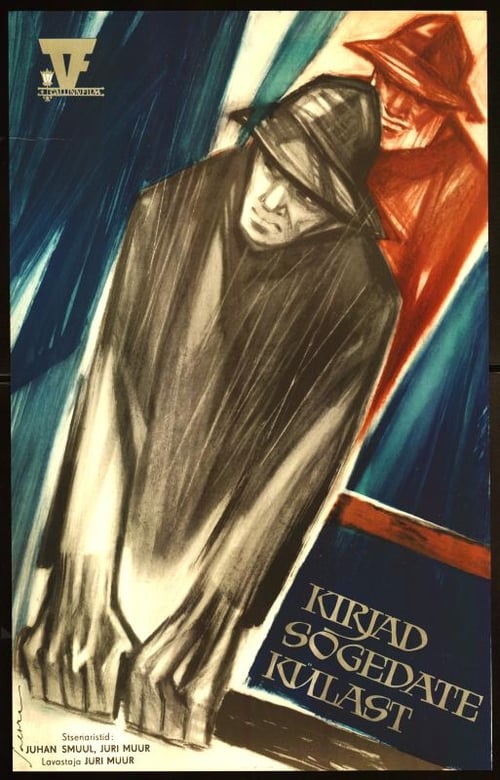
A landlord chases his escaped serf but some town takes the refugee under its protection. That leads to a serious confrontation. Based on a true story.
Joonas and Tiidrik are two men from the island of Saaremaa who recklessly escape from the German prison during the First World War. Yet, there are no peaceful times in their home country neither.
A middle-aged literature teacher who devotes his free time to poetry is used to being the center of admiration for his family, especially his wife. One day, however, a grandchild arrives at the house, who immediately grabs the full attention of all those around him. The fresh grandfather turns out to be excluded and decides to leave the house, confident that it will restore him to his former position. This is followed by a day full of surprising encounters.
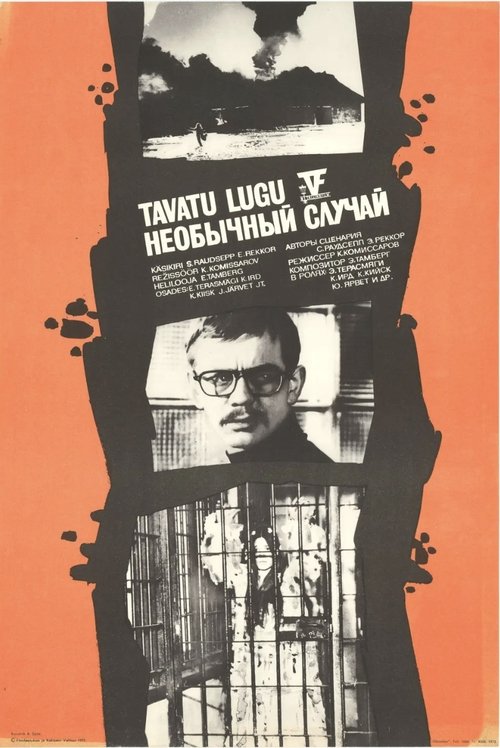
A young investigator fresh from the university gets assigned an arson case. 18-year-old Epp-Kai has admitted to the crime but he cannot see the girl's motive. His partner, an experienced investigator, already has enough work and doesn't think it's necessary to have further conversations with the accused. The young investigator senses however that Epp-Kai is hiding something.
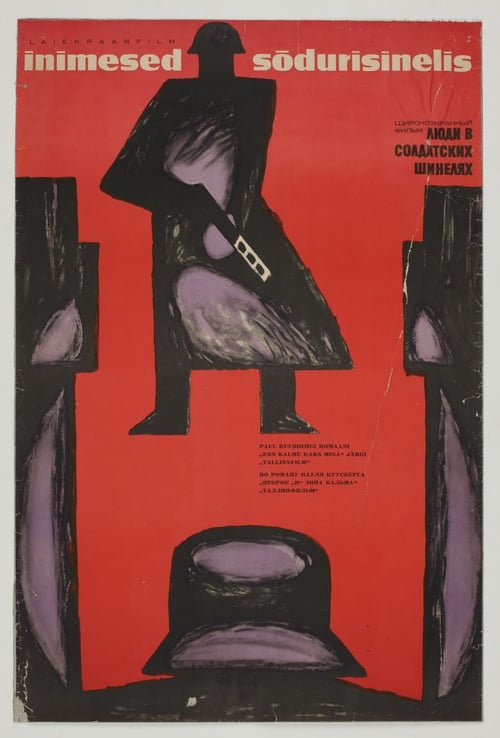
The story of the war film is about paths of the Estonian Shooting Corps (formed by the Red Army) during the WW-2 and how the fight forms an usual man to a loyal soldier. Ideologic aspects of the movie are more hidden than in ordinary Soviet war films but they're still existing.
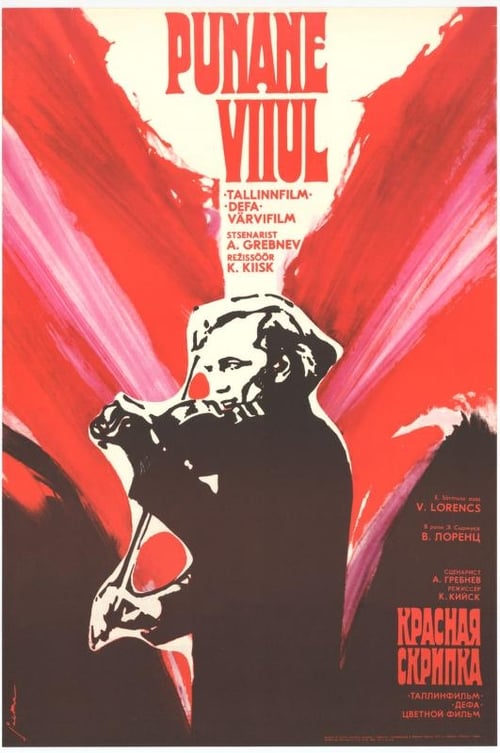
When Estonian violinist Eduard Sõrmus starts his concert tours in Europe, he is convinced that the world revolution is about to begin. His mission as a Red Violinist is to call the proletariat around the world to join with the revolution. It is only two things - music and revolution - that Eduard has dedicated himself to. His audience is enchanted by his performance and ignited by his ideas. With this knowledge, he travels Europe between the two world wars, accompanied by his faithful friends, his audience's admiration and the hostility of the authorities.
After a long night with his old war buddies, Andres Lapeteus regains consciousness in the hospital. How has confusion, bewilderment and alienation developed between these men who once fought together side by side? Is this the inevitable result of the Stalinist regime, the influence of his social climber wife, or the effect of his personal cowardliness and conformism? What happened to Andres Lapeteus?
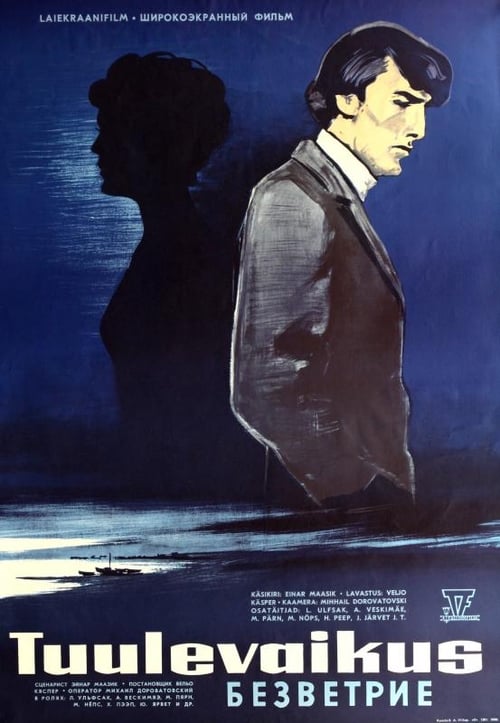
Taavi is worried about the lack of wind that won't let him do his daily job as a fisherman. But he is definitely not the guy who would just sit and wait for better days to arrive.
Don Juan arrives in Tallinn and soon the gossip spreads like wildfire. The local women trip over themselves to be seduced by him; the men race to defend their honor by challenging him to a duel. What no one knows is that Don Juan is a woman in disguise.
Mari has successfully led a collective farm in 1950s and fulfilled all tasks given from the authorities. Nonetheless, things in the collective farm become progressively worse. The Committee of the Communist Party sends its representative Peeter who learns that Mari acts as a tyrant for the local people. She has to resign during the elections of the new manager. Being without authority has a damaging effect on her so she starts to regain her position with the help of her old stalinist tricks.
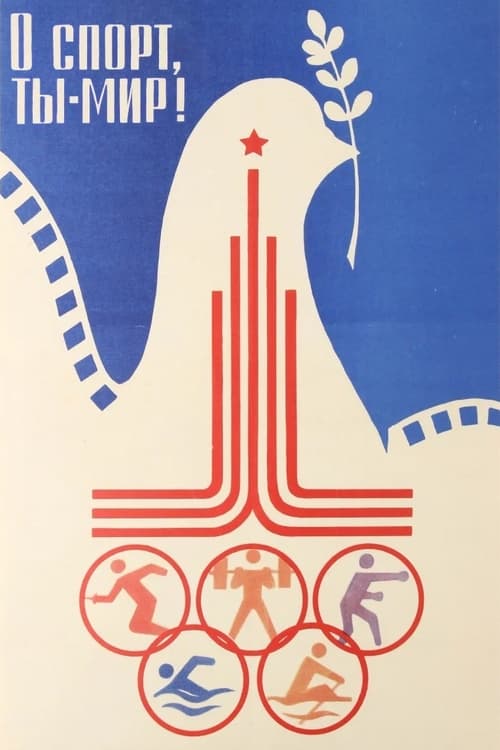
A 1981 documentary film directed by Yuri Ozerov. It showed the opening and closing ceremonies of the 1980 Summer Olympics held in Moscow. The director was awarded the State Prize of the USSR in 1982. The film was selected as the Soviet entry for the Best Foreign Language Film at the 54th Academy Awards, but was not accepted as a nominee.
Martin Puri is an elderly fisherman who is told to retire because of his old age. When a group of people has to be saved from a boat in an autumn storm, Martin understands that one cannot act against the sea but together with it.
A film about Russians living in Estonia. Some of them have come to Estonia only a few years ago, while the ancestors of others have lived here for generations. Estonia has become their homeland. What do Russians – intelligentsia and workers, old and young, atheists and believers – really think about life in Estonia in the early 1990s?
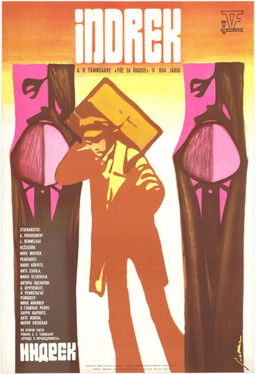
Based on the second part of the pentalogy "Truth and Justice" by Anton H. Tammsaare.
A hidden camera observes city life in summer and people in the urban environment.
A state commissioned film on the dangers of drunk driving.