Directing
Ariel Nasr is a director and producer based in Montreal, Canada.
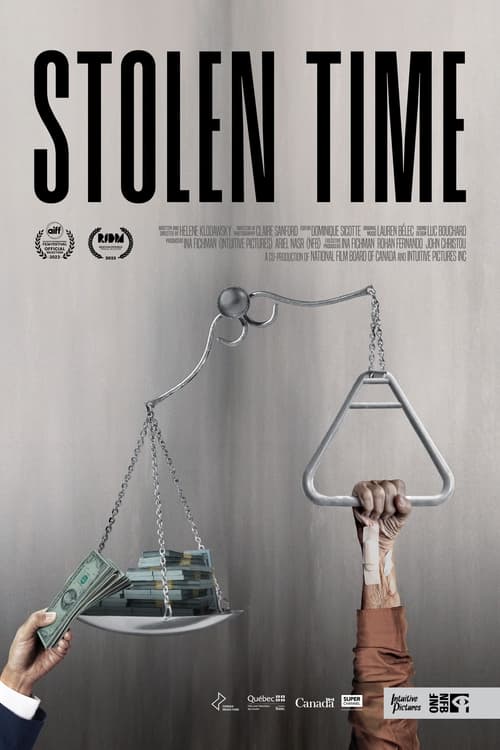
A compelling call for justice, Stolen Time follows charismatic elder rights lawyer Melissa Miller as she takes on the corporate for-profit nursing-home industry—an industry notorious for its lack of transparency and accountability. As the legal battle unfolds, families, frontline caregivers and change-makers chronicle an urgent crisis with ramifications—and inspiration—for us all.
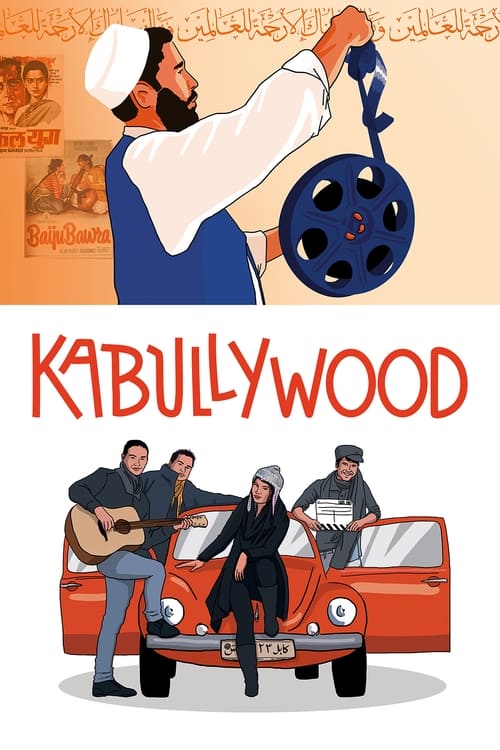
Afghanistan, 2016. Sikandar and Shab are final-year art students at Kabul University, both with a thirst for life. Amidst the ruins of war-torn Kabul, the couple and their friends spot an abandoned cinema, which miraculously survived 30 years of war. As an act of resistance against the looming return of fundamentalism, a bold dream is enacted and renovation work on the cinema begins. Serious problems soon arise: the withdrawal of powerful family support, the targeting of Shab by her extremist brother, an auto accident and a calamitous fire. Undaunted, Sikandar continues to pursue the dream.
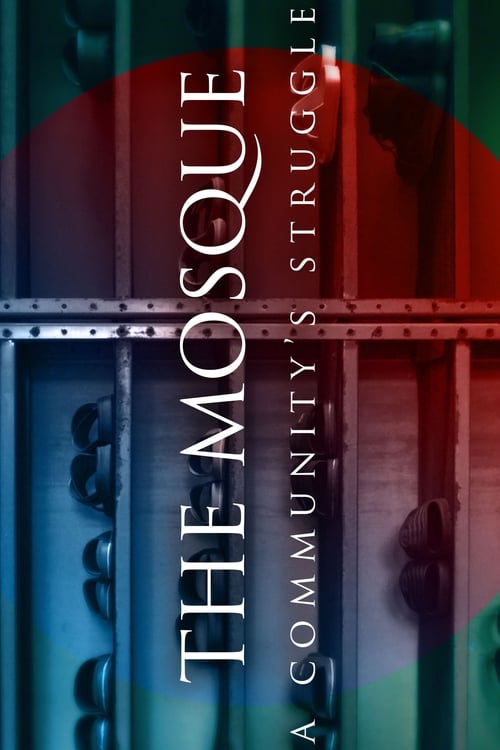
The story of the Quebec Mosque Shooting—the first ever mass shooting in a mosque in the West—is known around the world, but the story of the community that survived the attack is all but unknown. The Mosque: A Community's Struggle is an intimate portrait of the resilient Muslim community of Ste-Foy, Québec, as they struggle to survive and shift the narrative of what it means to be a Muslim, one year after the devastating attack that took the lives of six of their members. As the world moves on, this small mosque and its community fights Islamophobia, harassment and hate speech. How will the community heal and how will they stop the rhetoric that threatens to precipitate further violence?
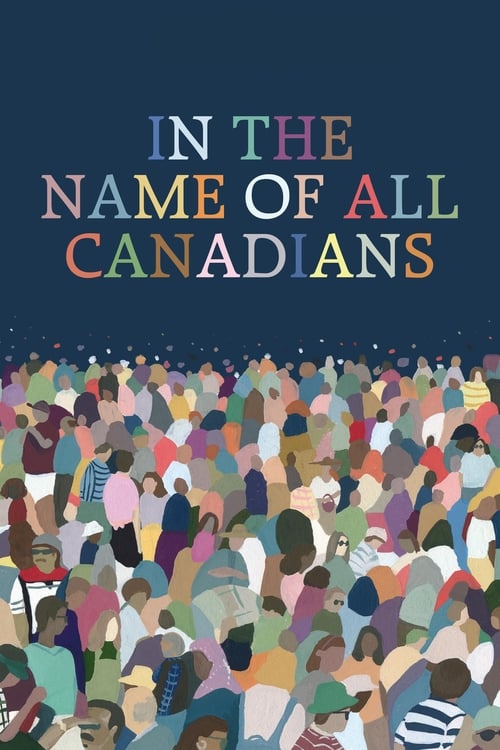
Hot Docs will commemorate Canada's 150th anniversary of Confederation with the commissioning of In the Name of All Canadians, a compilation of six short documentaries inspired by Canada’s Charter of Rights and Freedoms. From Indigenous rights to multiculturalism to the controversial ‘notwithstanding clause,’ participating filmmakers have each selected a specific aspect of the Charter to explore, looking at how it resonates in the stories of their fellow Canadians.
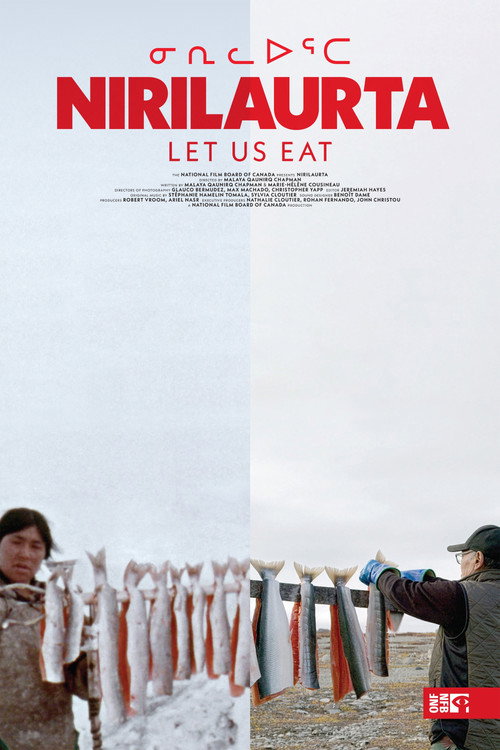
On the edge of the Arctic Ocean, the community of Taloyoak, Nunavut, is working to feed its families. Soaring grocery prices and the high cost of hunting and travel in the North leave many households facing food insecurity. Nirilaurta tells the story of a community that draws on Inuit culture, land-based knowledge and kinship to nourish their bodies, spirits and one another.
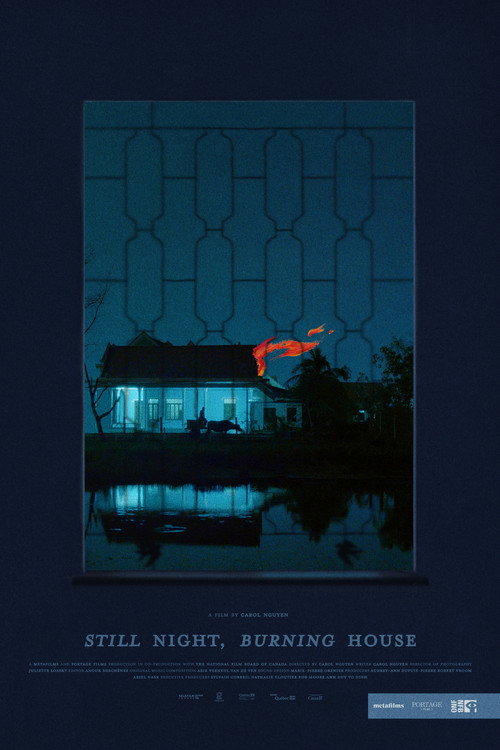
In her deeply personal debut feature, award-winning filmmaker Carol Nguyen charts her family’s first reunion since her uncle’s mysterious death. Travelling together to Vietnam, the family embarks on a revelatory—and at times uncanny—journey through intergenerational trauma and many-layered loss. With care and probing curiosity, Nguyen guides her loved ones as they navigate unsealed medical records and a decades-long silence, ultimately leading them back to each other. A metaphysical poem for complex mourning, Still Night, Burning House shows how storytelling can transform grief into collective healing.
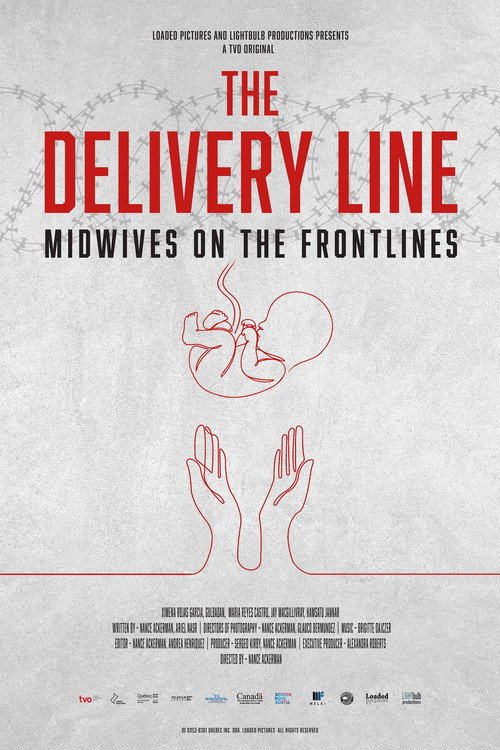
In all corners of the world, on the front lines of war, amidst climate catastrophes and on perilous migratory journeys, women are still giving birth. As fearless midwives risk everything to help mothers in dangerous circumstances, the gravity of their extraordinary and lifesaving work comes into sharp focus.
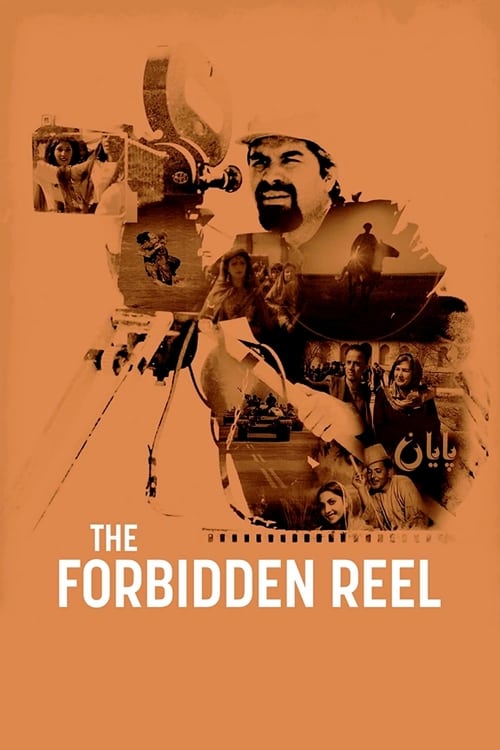
According to the official history of Afghanistan, ruthless destruction has always prevailed over art and creation; but there is another tale to be told, the forgotten account of a diverse and progressive country, seen through the lens of innovative filmmakers, a story that survives thanks to a few brave Afghans, a small but very passionate group that secretly fought to save a huge film archive that was constantly menaced by war and religious fanaticism.
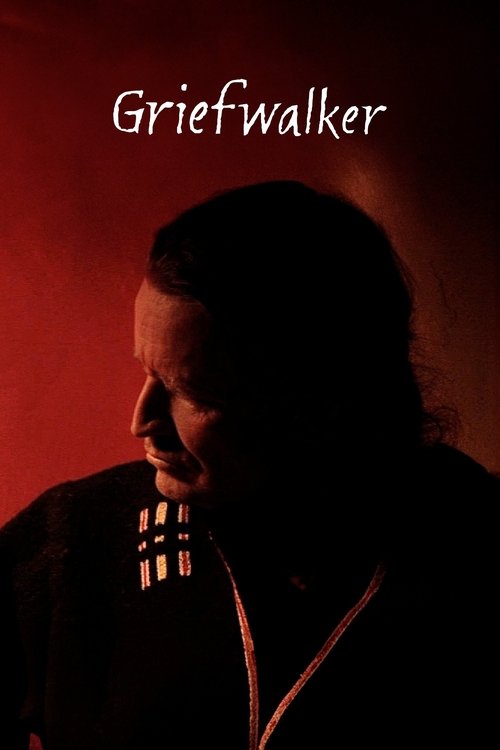
Documentary about Harvard-trained theologian Stephen Jenkinson, a grief counselor who teaches that death empowers us to live and that we must not only accept death but embrace it.
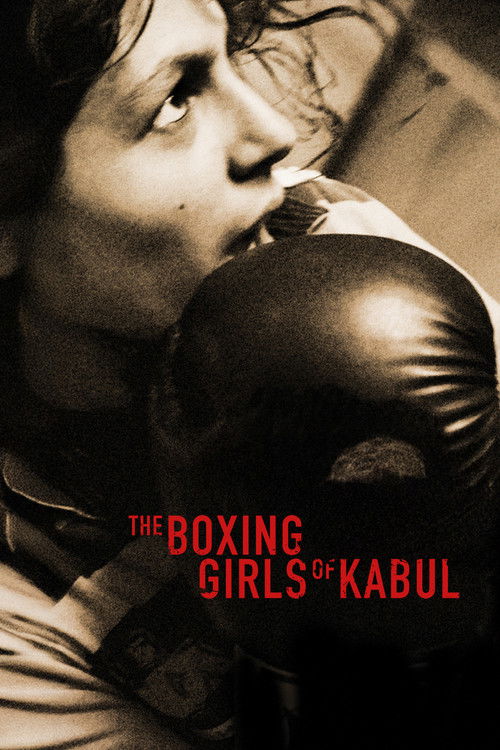
Young Afghan women train to represent their country as boxers in the 2012 Olympics, embarking on a journey of personal and political transformation.
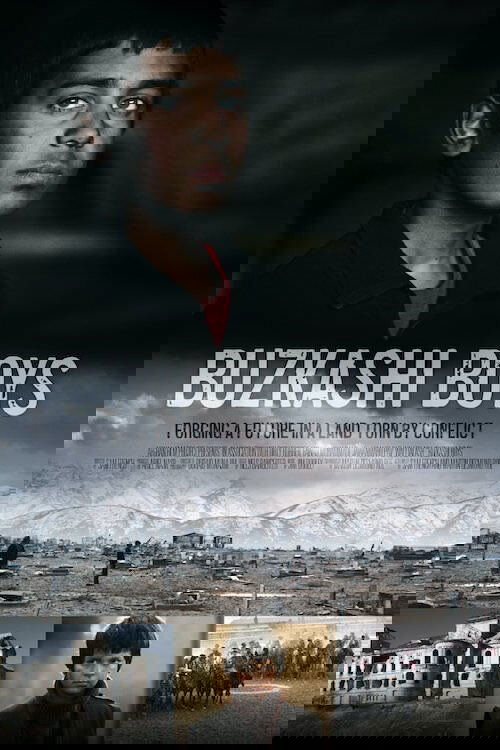
Set against the dramatic landscape of contemporary Afghanistan and the National sport of Buzkashi - a brutal game of horse polo played with a dead goat - Buzkashi Boys tells the coming of age story of two best friends, a charismatic street urchin and a defiant blacksmith's son, who struggle to realize their dreams as they make their way to manhood in one of the most war-torn countries on Earth. Shot on location in Kabul city by an alliance of Afghan and international film makers, Buzkashi Boys is a look at the life that continues beyond the headlines of war in Afghanistan.
In August 2018, a 23-year-old Black father was shot and killed by Montreal police while grappling with a mental crisis. Through a poetic blend of music, dance and spoken word, his family’s desire for justice is brought to life.
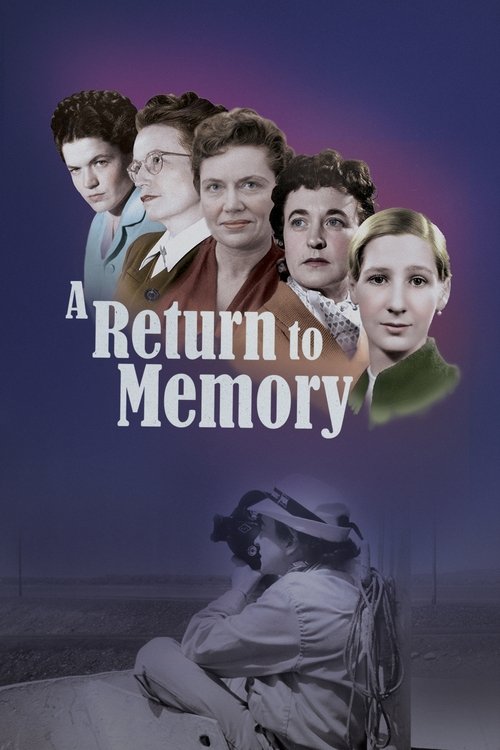
When Canada entered World War II, the National Film Board suddenly had an urgent new mission—and hundreds of women stepped forward, helping to create Canadian cinema as we now know it.
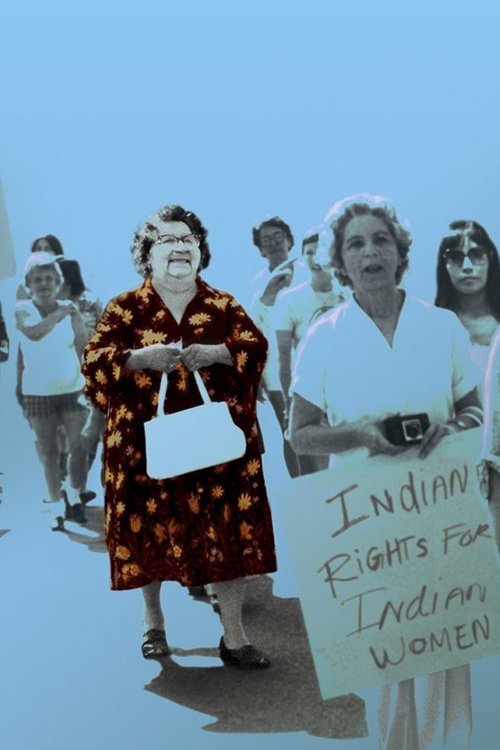
After marrying a settler, Mary Two-Axe Earley lost her legal status as a First Nations woman. Dedicating her life to activism, she campaigned to have First Nations women's rights restored and coordinated a movement that continues to this day. Kahnawake filmmaker Courtney Montour honours this inspiring leader while drawing attention to contemporary injustices that remain in this era of truth and reconciliation.
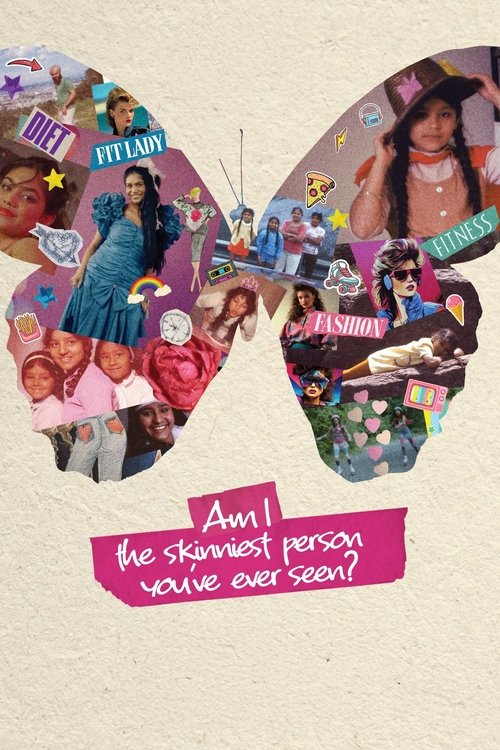
“Hey, let’s go on a diet together.” As kids in a small Quebec town, Eisha and Seema were more than sisters, they were soul mates, and a joint diet offered a shared sense of purpose. But their carefree project would take a dark turn, pushing Eisha to the very brink of death. Consumed by anorexia, she found herself battling her own fragile body—stranded between childhood and adulthood. Decades later, she revisits her past in an exquisitely crafted work of auto-ethnography, evoking her unusual youth with aching lyricism. In addressing a tender love letter to the troubled girl she once was, she reaches contemporary audiences with a timely reflection on body image and self-acceptance.
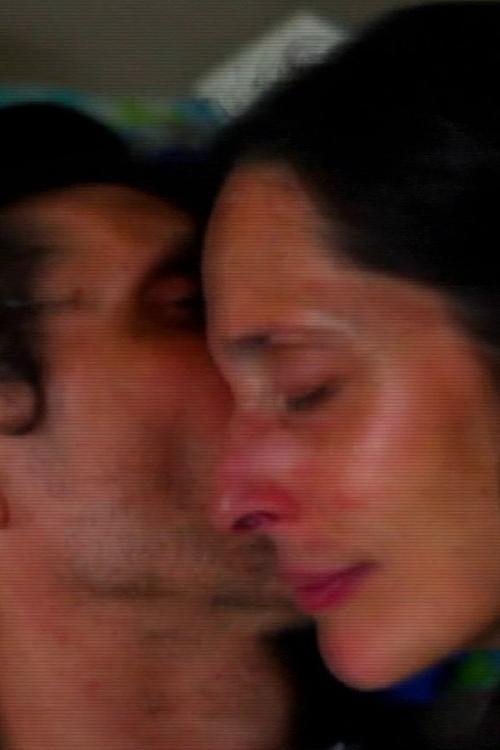
Cut off from his loved ones due to the strict COVID-19 lockdown at the long-term care facility where he lives, a quadriplegic rabbi is filmed by his daughter while reflecting on love, mortality and longing.