FEEL IT.STREAM
John Alvin

John Alvin

Acting

Biography

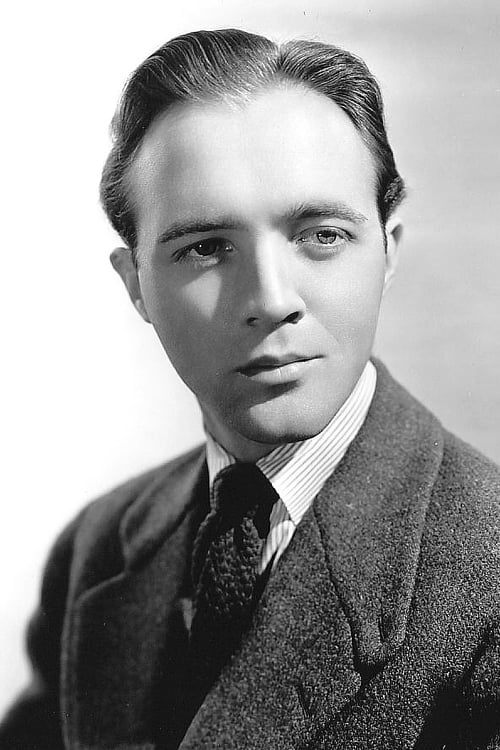
John Alvin, born John Alvin Hoffstadt was an American film, stage and television actor. Alvin was signed with Warner Brothers Studios for an exclusive four-year contract during the World War II era, although he was "borrowed" by 20th Century Fox to appear in 1944's Oscar-nominated The Fighting Sullivans. He appeared in more than 25 Warner Brothers films during this time, including Northern Pursuit (which starred Errol Flynn), The Beast with Five Fingers, The Very Thought of You, and Objective, Burma!. His pictures after the contract period included Irma la Douce, Inside Daisy Clover, They Shoot Horses, Don't They?, and Alfred Hitchcock's Marnie. However, it was his role in the 1943 film Destination Tokyo, in which he co-starred with John Garfield and Cary Grant, that left the largest impression on Alvin. Years later, in a 2006 interview, Alvin credited Grant with having a major impact on his career path: "I learned more about show business from him than from anyone. He was very attentive and helpful." Alvin later enjoyed a separate television career, which spanned from the 1950s to the 1980s. His television credits included various roles on Leave It to Beaver, All in the Family, Lou Grant, Dragnet, General Hospital, Murder, She Wrote, Starsky and Hutch, The Incredible Hulk and I Spy. Alvin's also appeared in numerous television commercials advertising for such products as Mattel, H&R Block, McDonald's, Porsche and Audi. Alvin's theater repertoire included Send Me No Flowers, The Student Prince, The Chicago Conspiracy Trial and The Cradle Will Rock. He also appeared in a production of Rain, which was directed by Charlie Chaplin. He largely retired from acting in the 1990s; his final film appearance was in 1994's Milk Money. During his retirement, Alvin often showed his movies for audiences at the Conejo Valley Senior Concerns, an organization for senior citizens based in Thousand Oaks, California.
Known For

Perry Mason
7.7

The cases of master criminal defense attorney Perry Mason and his staff who handled the most difficult of cases in the aid of the innocent.

Perry Mason

1957
Murder, She Wrote
7.5

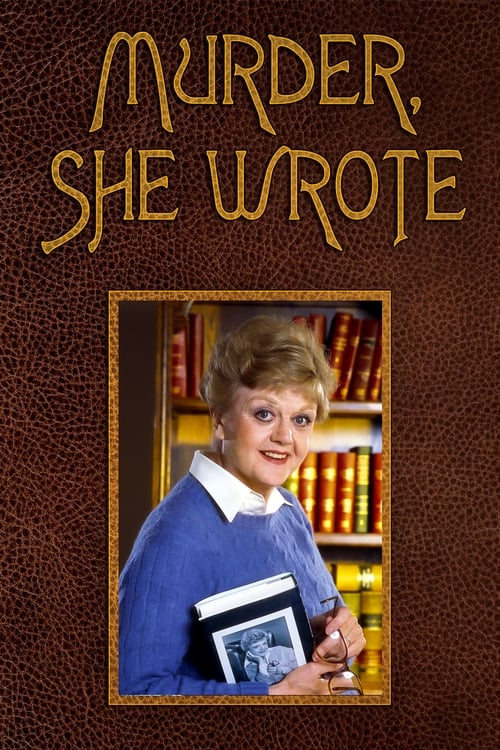
An unassuming mystery writer turned sleuth uses her professional insight to help solve real-life homicide cases.

Murder, She Wrote

1984
M*A*S*H
7.9

The 4077th Mobile Army Surgical Hospital is stuck in the middle of the Korean war. With little help from the circumstances they find themselves in, they are forced to make their own fun. Fond of practical jokes and revenge, the doctors, nurses, administrators, and soldiers often find ways of making wartime life bearable.

M*A*S*H

1972
Dragnet
6.5

Follows the cases of a dedicated Los Angeles police detective, Sergeant Joe Friday, and his partners. The show takes its name from the police term "dragnet", meaning a system of coordinated measures for apprehending criminals or suspects.

Dragnet

1951
The Rifleman
7.1

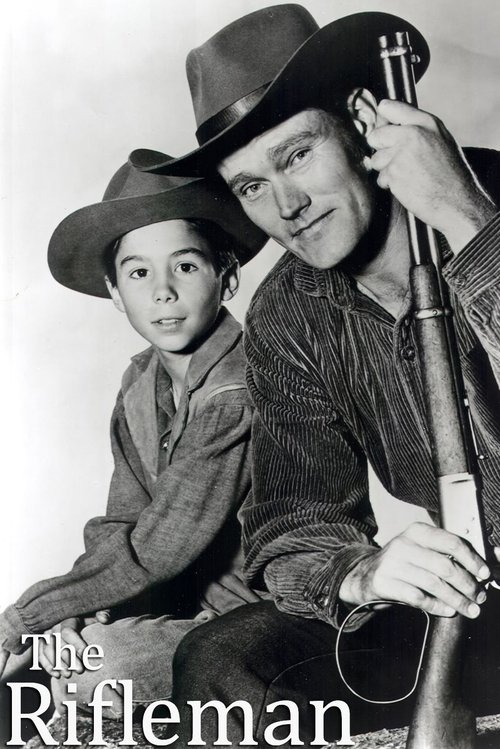
The Rifleman is an American Western television program starring Chuck Connors as rancher Lucas McCain and Johnny Crawford as his son, Mark McCain. It was set in the 1880s in the town of North Fork, New Mexico Territory. The show was filmed in black-and-white, half-hour episodes. "The Rifleman" aired on ABC from September 30, 1958 to April 8, 1963 as a production of Four Star Television. It was one of the first prime time series to have a widowed parent raise a child.

The Rifleman

1958
Get Smart
7.9

Get Smart is an American comedy television series that satirizes the secret agent genre. Created by Mel Brooks with Buck Henry, the show stars Don Adams, Barbara Feldon, and Edward Platt. Henry said they created the show by request of Daniel Melnick, who was a partner, along with Leonard Stern and David Susskind, of the show's production company, Talent Associates, to capitalize on "the two biggest things in the entertainment world today"—James Bond and Inspector Clouseau. Brooks said: "It's an insane combination of James Bond and Mel Brooks comedy." This is the only Mel Brooks production to feature a laugh track. The success of the show eventually spawned the follow-up films The Nude Bomb and Get Smart, Again!, as well as a 1995 revival series and a 2008 film remake. In 2010, TV Guide ranked Get Smart's opening title sequence at No. 2 on its list of TV's Top 10 Credits Sequences, as selected by readers.

Get Smart

1965
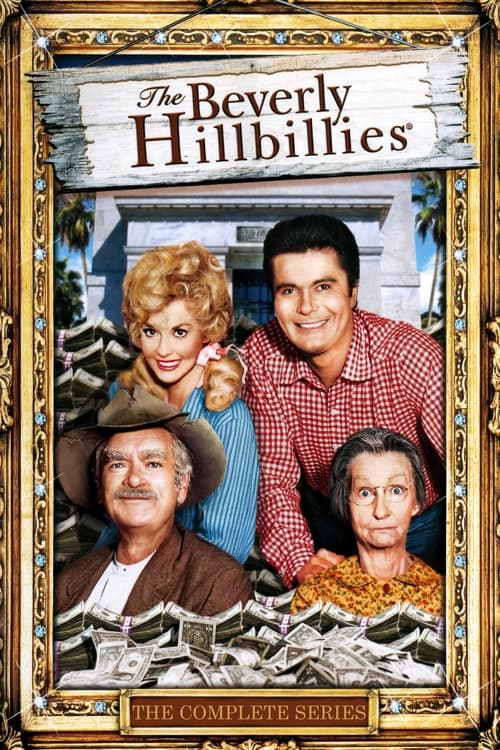
The Beverly Hillbillies
6.9

Jed Clampett's swamp is loaded with oil. When a wildcatter discovers the huge pool, Jed sells his land to the O.K. Oil Company and at the urging of cousin Pearl, moves his family to a 35-room mansion in Beverly Hills, California.

The Beverly Hillbillies

1962
Climax!
3.8

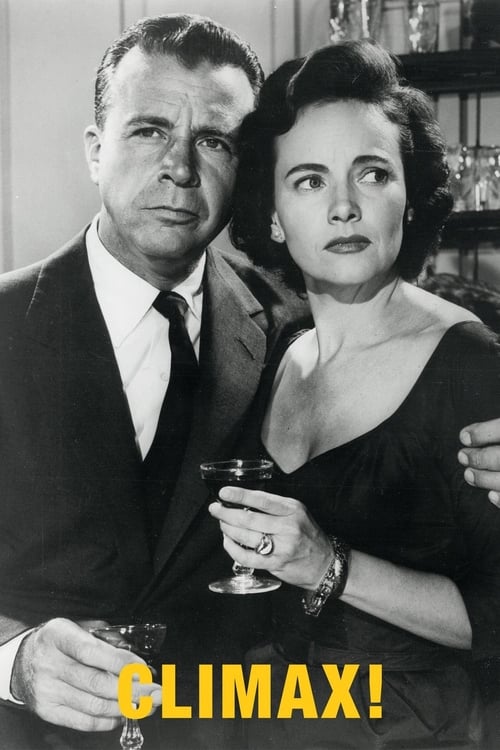
Climax! is an American anthology series that aired on CBS from 1954 to 1958. The series was hosted by William Lundigan and later co-hosted by Mary Costa. It was one of the few CBS programs of that era to be broadcast in color. Many of the episodes were performed and broadcast live.

Climax!

1954
No image
6.8

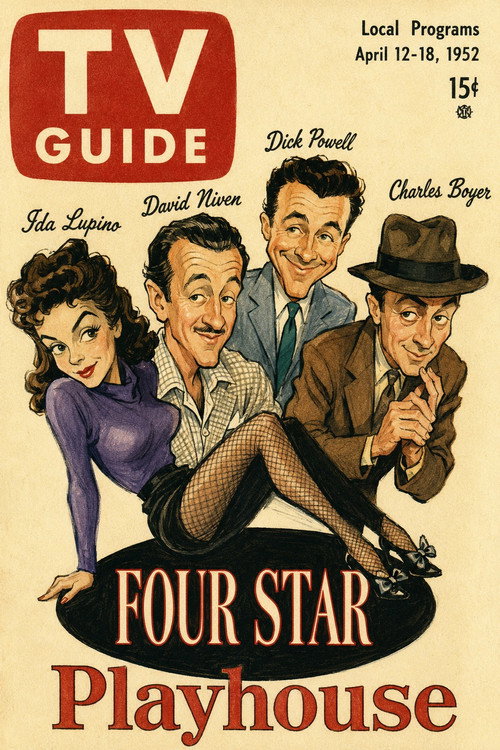
Four Star Playhouse is an American television anthology series that ran from 1952 to 1956, sponsored in its first bi-weekly season by The Singer Company; Bristol-Myers became an alternate sponsor when it became a weekly series in the fall of 1953. The original premise was that Charles Boyer, Ida Lupino, David Niven, and Dick Powell would take turns starring in episodes. However, several other performers took the lead from time to time, including Ronald Colman and Joan Fontaine. Blake Edwards was among the writers and directors who contributed to the series. Edwards created the recurring character of illegal gambling house operator Willie Dante for Dick Powell to play on this series. The character was later revamped and spun off in his own series starring Howard Duff, then-husband of Lupino. The pilot for Meet McGraw, starring Frank Lovejoy, aired here, as did another episode in which Lovejoy recreated his role of Chicago newspaper reporter Randy Stone, from the radio drama Nightbeat.

Four Star Playhouse

1952
Petticoat Junction
5.8

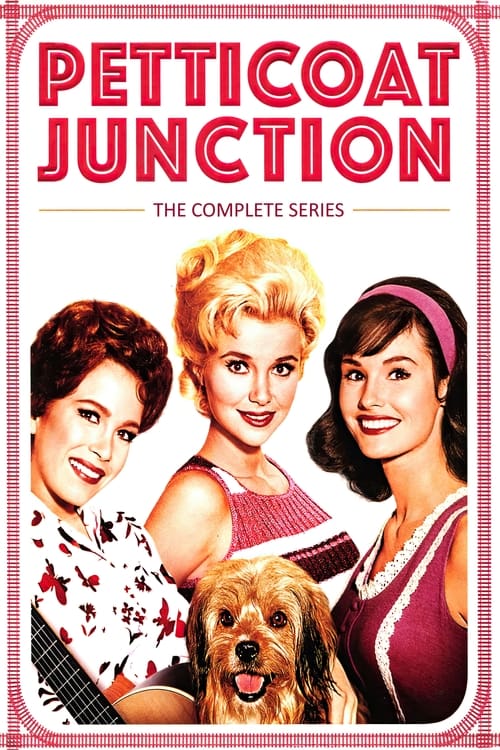
The Bradley family are proud owners of the Shady Rest Hotel. Kate and her three young daughters do the job of running the hotel.

Petticoat Junction

1963
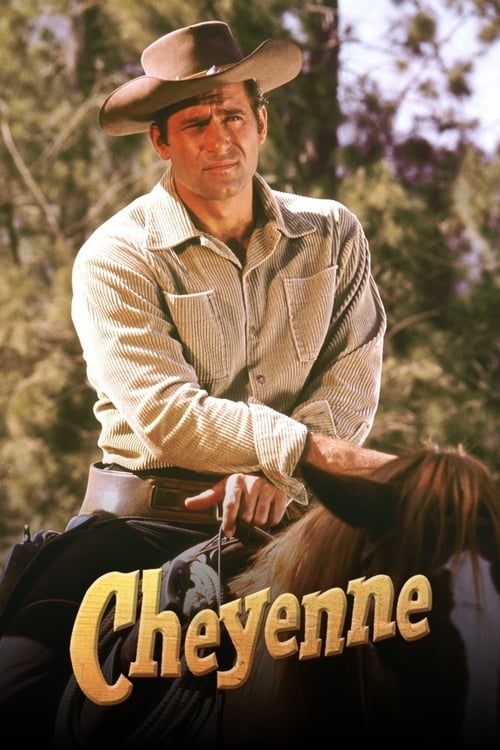
Cheyenne
6.1

Cheyenne Bodie was a big man, a former army scout who went west after the American Civil War and drifted from job to job, here a cowboy, there a lawman, and always a larger-than-life hero. CHEYENNE is an American western television series of 108 black-and-white episodes broadcast on ABC from 1955 to 1963. The show was the first hour-long western, and in fact the first hour-long dramatic series of any kind, with continuing characters, to last more than one season. It was also the first series to be made by a major Hollywood film studio which did not derive from its established film properties, and the first of a long chain of Warner Brothers original series produced by William T. Orr.

Cheyenne

1955
My Three Sons
6.6

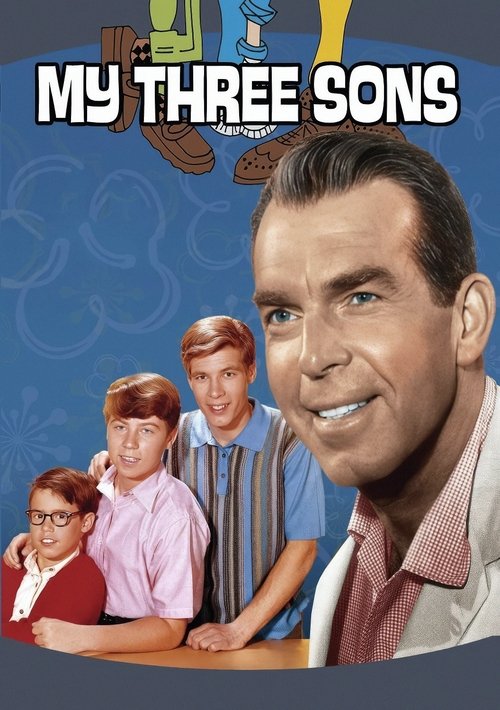
A widower and aeronautical engineer named Steven Douglas raises three sons with the help of his father-in-law, and later the boys' great-uncle. An adopted son, a stepdaughter, wives, and another generation of sons join the loving family in later seasons.

My Three Sons

1960
The Lucy Show
7.1

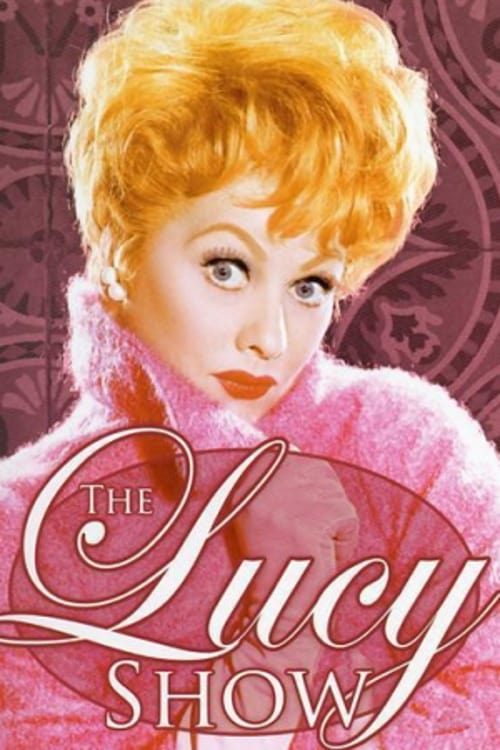
The Lucy Show is an American sitcom that aired on CBS from 1962–68. It was Lucille Ball's follow-up to I Love Lucy. A significant change in cast and premise for the 1965–66 season divides the program into two distinct eras; aside from Ball, only Gale Gordon, who joined the program for its second season, remained. For the first three seasons, Vivian Vance was the co-star. The earliest scripts were entitled The Lucille Ball Show, but when this title was declined, producers thought of calling the show This Is Lucy or The New Adventures of Lucy, before deciding on the title The Lucy Show. Ball won consecutive Emmy Awards as Outstanding Lead Actress in a Comedy Series for the series' final two seasons, 1966–67 and 1967–68.

The Lucy Show

1962
Hart to Hart
6.9

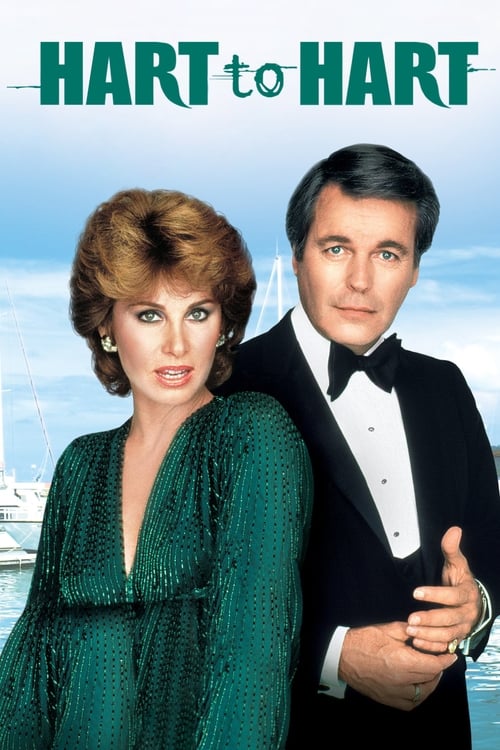
Wealthy couple Jonathan and Jennifer Hart, a self-made millionaire and his journalist wife, moonlight as amateur detectives.

Hart to Hart

1979
Starsky & Hutch
7.3

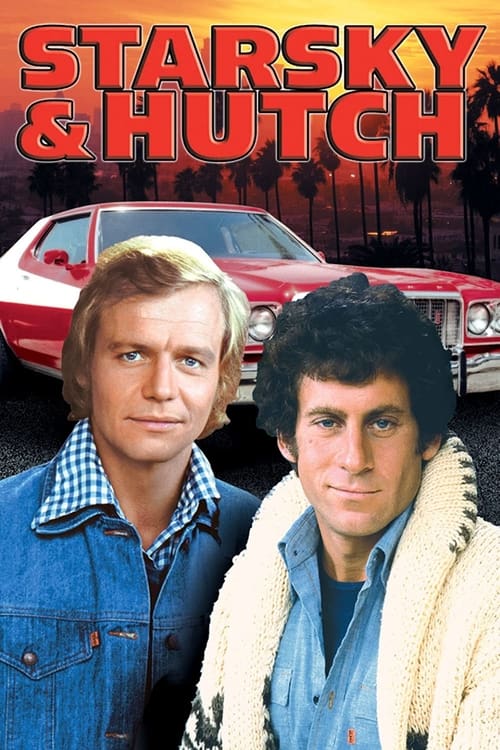
Streetwise Detective David Starsky partners up with a more intellectual partner, Kenneth 'Hutch' Hutchinson, to protect citizens and patrol the streets of Bay City.

Starsky & Hutch

1975
Leave It to Beaver
7.0

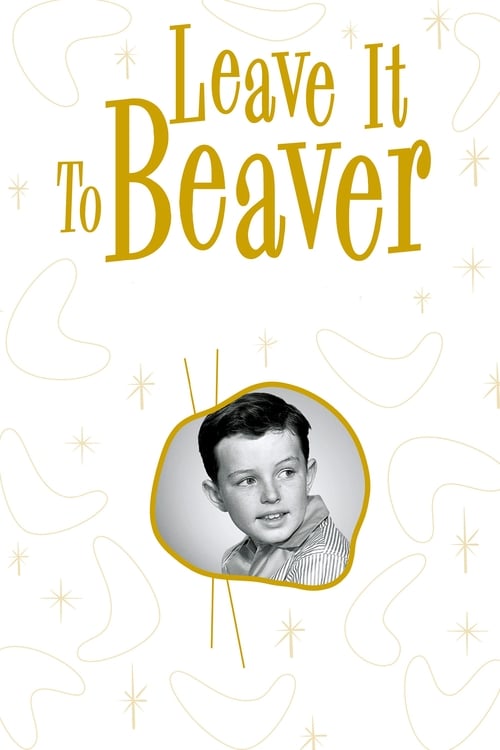
An inquisitive and often naïve boy, Theodore 'The Beaver' Cleaver, has adventures at home, in school, and around his suburban neighborhood. The show also starred Barbara Billingsley and Hugh Beaumont as Beaver's parents, June and Ward Cleaver, and Tony Dow as Beaver's brother Wally. The show has attained an iconic status in the US, with the Cleavers exemplifying the idealized suburban family of the mid-20th century.

Leave It to Beaver

1957
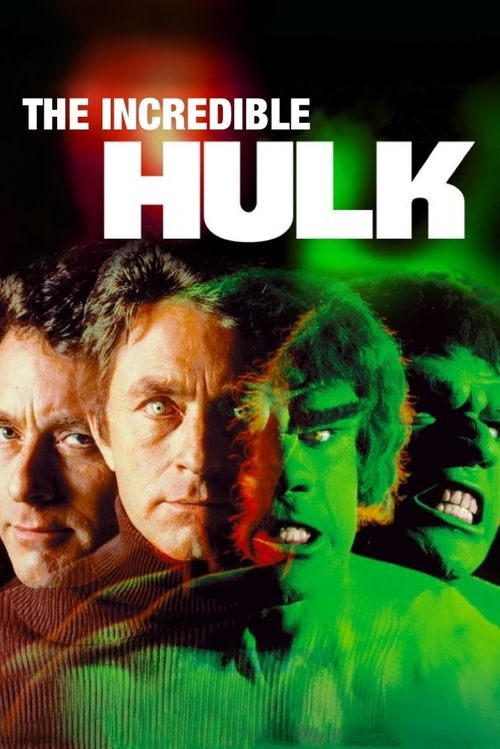
The Incredible Hulk
7.2

During an experiment gone bad, radiation turns a scientist into a raging green behemoth whenever he becomes agitated. Unable to control his transformations, David Banner searches for a cure as he crosses the country, fugitive-style, with a dogged tabloid reporter on his trail.

The Incredible Hulk

1977
The Lone Ranger
6.8

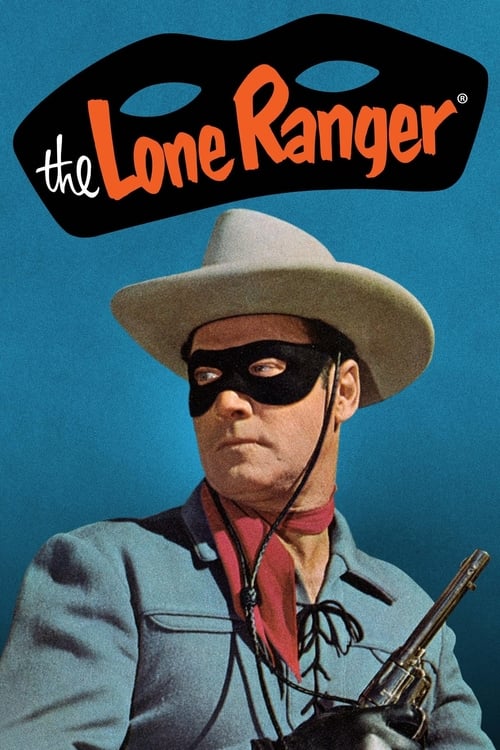
The Lone Ranger is an American western television series that ran from 1949 to 1957, starring Clayton Moore with Jay Silverheels as Tonto. The live-action series initially featured Gerald Mohr as the episode narrator. Fred Foy served as both narrator and announcer of the radio series from 1948 to its finish and became announcer of the television version when story narration was dropped there. This was by far the highest-rated television program on the ABC network in the early 1950s and its first true "hit".

The Lone Ranger

1949
Amazing Stories
7.5

A truly amazing, fantastical, science fiction, funny and odd, and sometimes scary, sad and endearing anthology series presented by Steven Spielberg with guest appearances by many famous actors, actresses, and directors.

Amazing Stories

1985
The Munsters
7.9

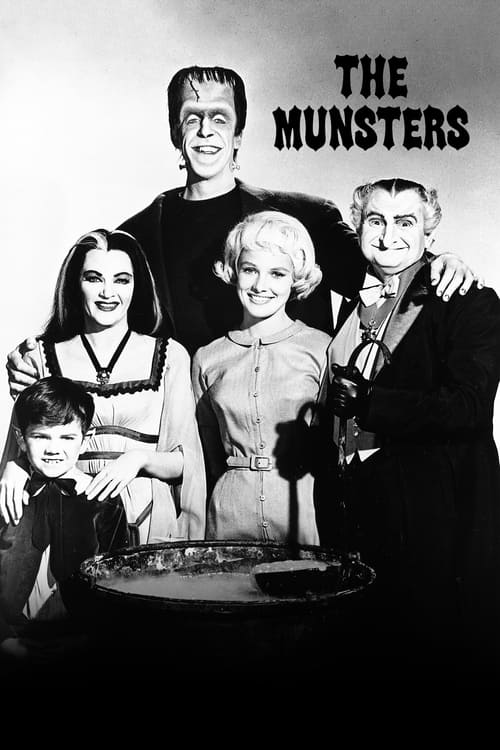
A family of friendly monsters that have misadventures all while never quite understanding why people react to them so strangely.

The Munsters

1964