Writing
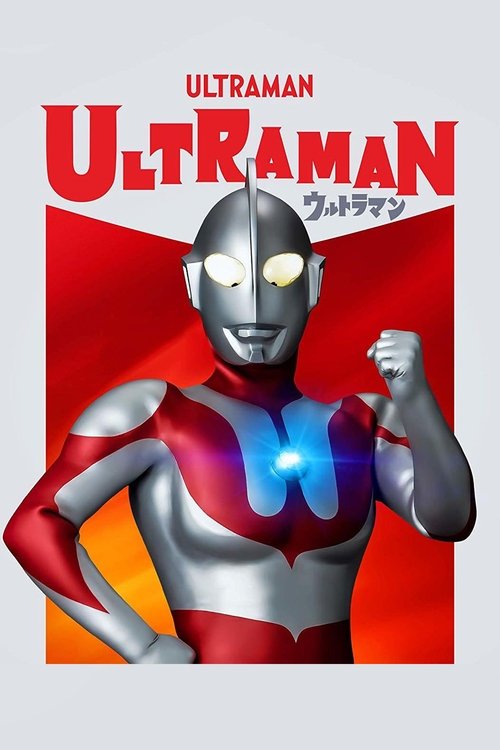
Hayata is a member of the Science Patrol, an organization tasked with investigating bizarre anomalies. He is mortally wounded when accidently encountering an alien being from Land of Light, who grants Hayata new life as the two are merged into one. Now, whenever a threat arises that is too great for the Science Patrol to handle, Hayata activates the beta capsule and becomes the hero known as Ultraman.
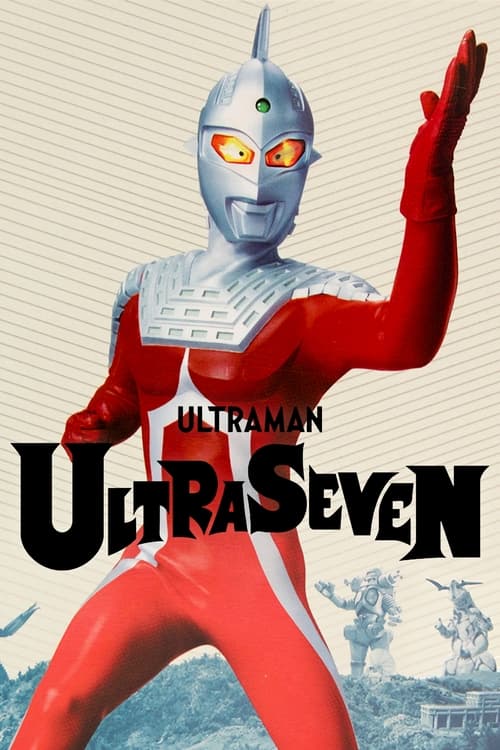
In the not-too-distant future, the Earth finds itself constantly under attack from extraterrestrial threats. The Terrestrial Defense Force establishes the Ultra Garrison, a team of six elite members who utilize high-tech vehicles and weaponry. Joining their fight is the mysterious Dan Moroboshi, secretly an alien from the Land of Light in Nebula M-78, who transforms into his true form in times of crisis, Ultraseven.
Raised from birth as a man, the Lady Oscar commands the palace guards at Versailles in the years before the French Revolution. Her beauty and noble spirit make her a shining figure in the eyes of both men and women but she is torn between her chosen life of service and duty to class and country and her own heart and desires. She lives as a noble amidst the opulence of Versailles but her keen senses and compassion are not blinded to the poverty of the French people.
As supernatural events and monster attacks rock Japan, the military and government look to be overwhelmed. Three intrepid young investigators—two pilots and a reporter—take it upon themselves to study these unexplained phenomena in order to inform and protect the public.
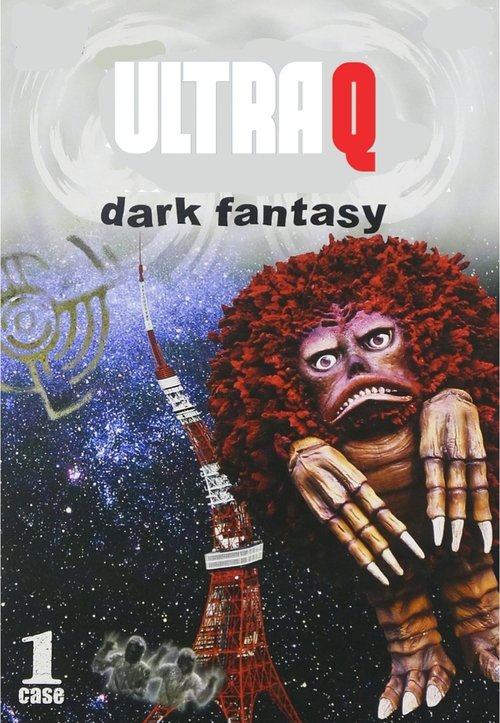
Ultra Q: Dark Fantasy is a 2004 production, and the 19th installment in the Ultra Series that was broadcast in Japan in 2004. It is a sequel to Ultra Q, the first of the Ultra Series. It retains the same swirling effect for the titlecard, but with the words "Dark Fantasy" added underneath, the title also remains black and white.
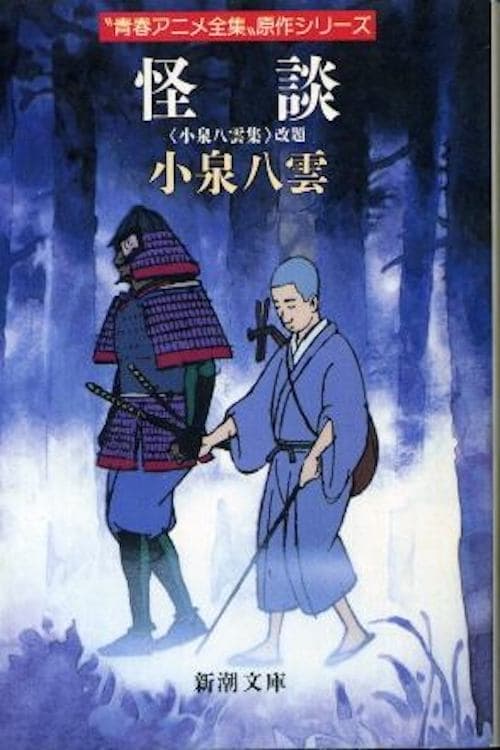
A brilliant collection of beautifully animated episodes based on selected masterpieces of Japanese modern literature. The aim of this series is to appeal to the viewer at large and to give him or her some idea of the variety and individuality which Japanese literature has developed over the last hundred years. The authors range from Higuchi Ichiyou (Takekurabe), Mori Ougai (The Dancing Girl) and Natsume Souseki (Botchan) to Kawabata Yasunari (The Izu Dancer), Nobel laureate of 1968, and Mishima Yukio (The Sound of Waves).
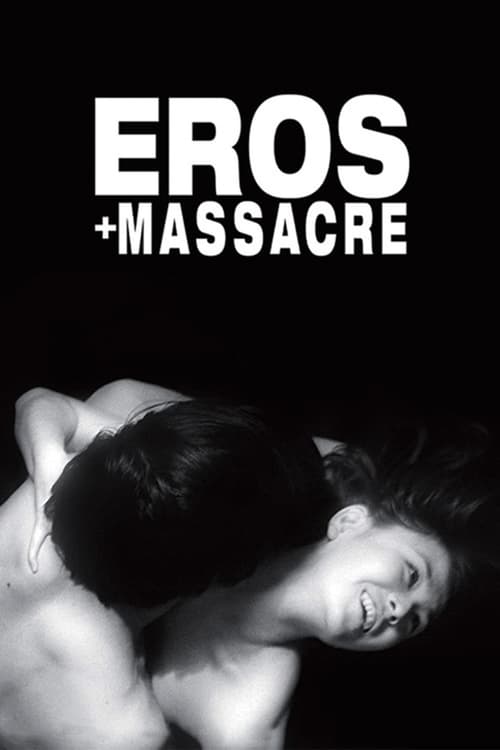
Two interwoven stories. The first is a biography of anarchist Sakae Osugi which follows his relationship with three women in the 1920s. The second centers around two 1960s students researching Osugi's theories.
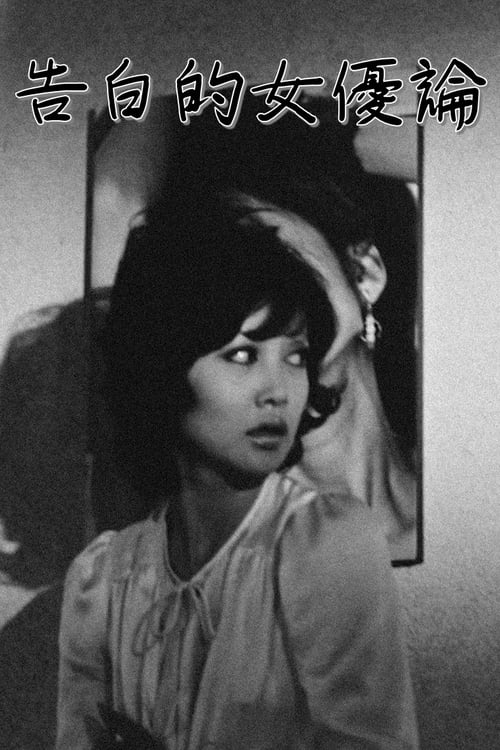
In this intricately layered Japanese film, the nature of actresses and what they gain from acting is explored. The lives of three actresses are laid bare, and scenes from their lives are woven in and out of interviews with each of them. Each of them has experienced a traumatic event which contributes to their particular enjoyment of becoming someone else in dramatic roles.
Rikiya Shoda is an engineer working for the Atomic Agency in Japan. One day, his wife Nanako returns home with a lost teenager called Ayu. A man, pretending to be the father, comes to get her back; Ayu keeps telling him that Rikiya and Nanako are her parents. Through this disruption, Rikiya suddenly starts remembering his youth as a revolutionary.
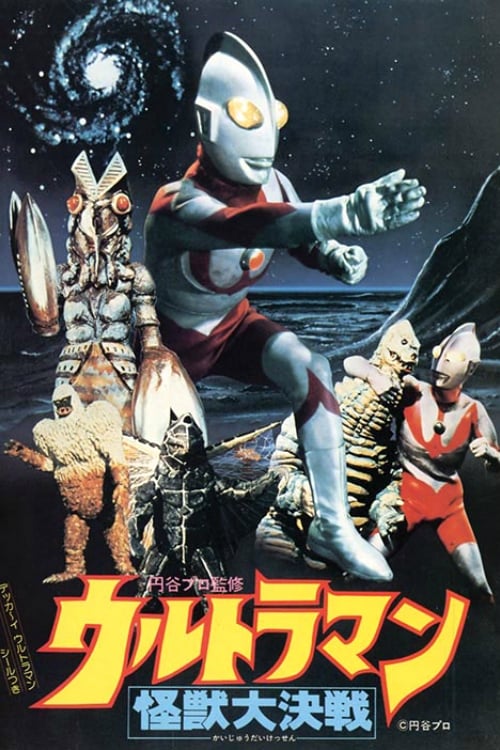
A 1979 Japanese tokusatsu kaiju film produced by Tsuburaya Productions, consisting of re-edited material from the original television series Ultraman. Ultraman: The Great Decisive Battle was the 1st movie of the third Showa phase (Jissouji's Ultraman being first and Ultra Brothers vs. The Monster Army being second) and because of this Tsuburaya decided to make this a reunion of the last 12 Ultras (aside from Ultraman 80 which hadn't come out yet). Tsuburaya decided to give this a different tone than Jissouji's Ultraman, having more new scenes and appealing to the all-Ultra fan.
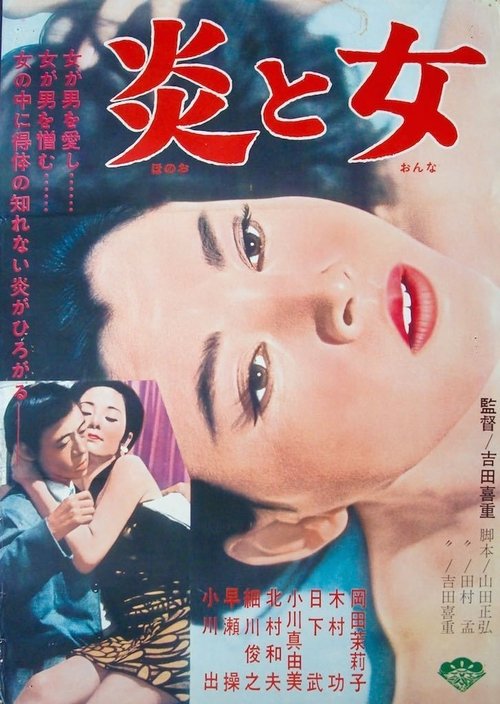
Shingo and Ritsuko have a baby: Takashi. They happen to be a happy couple, but soon Ritsuko wants to know who is the true father of Takashi, born by artificial insemination.
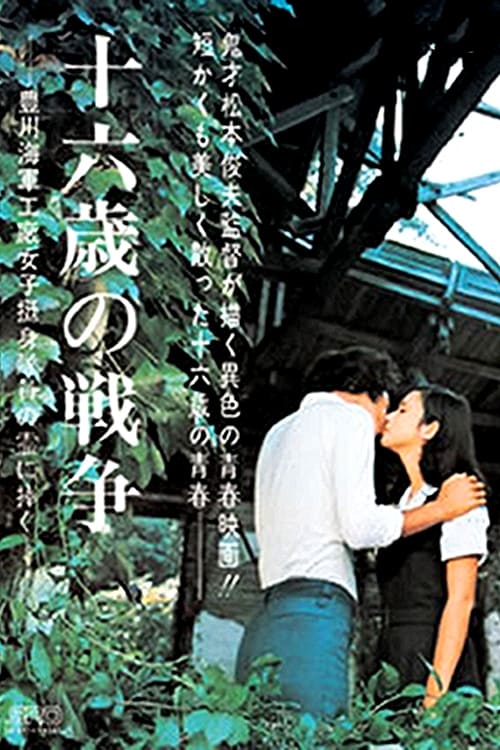
A 20-year-old drifter and a precocious 16-year-old girl slowly form a bond in a small town haunted by its wartime past.
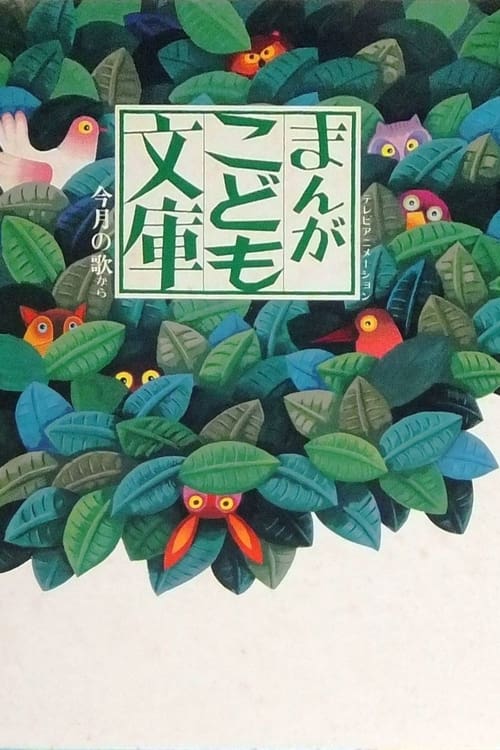
A collection of children's stories and tales from traditional Japanese folklore.
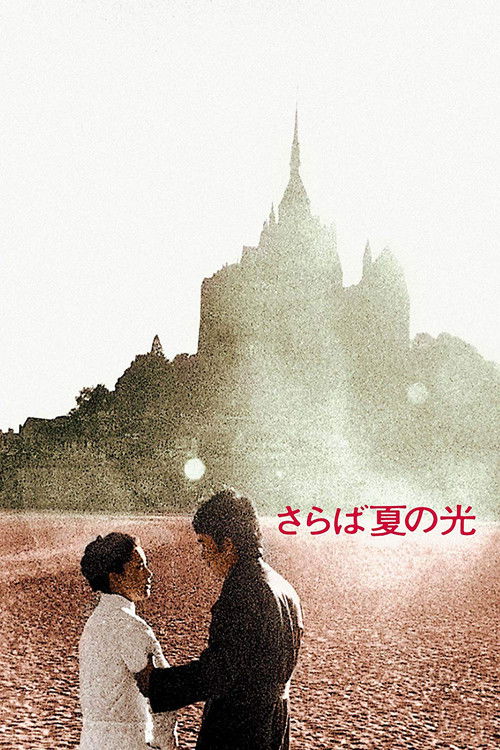
A spontaneous romance blooms between Kawamura, a professor touring Europe, and Naoko, a married woman living in Paris, scarred by the Nagasaki atomic bombings. The two protagonists travel around Europe trying to find themselves.
Tomoko's father goes on a trip and disappears. Police starts to search him and discovers his dead body. Tomoko gets involved with a sinister crime.
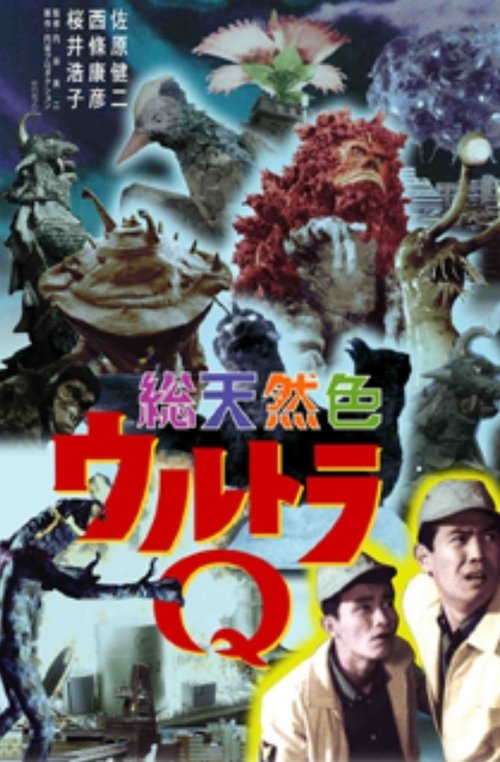
Colored versions of episodes 1, 20, 19 and 15 of Ultra Q TV show, edited together and released in theaters.