Phie Ambo
Directing
Biography
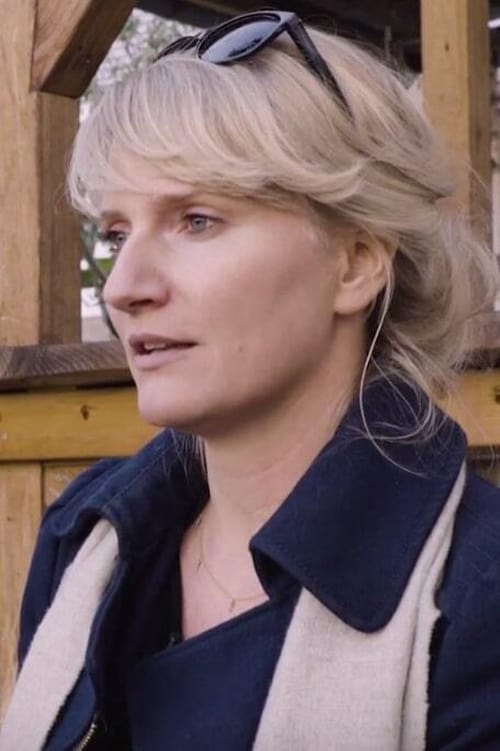
Phie Ambo is a Danish director who grew up in Snekkersten in Denmark. She graduated as a math-student from Helsingør Gymnasium in 1992. She studied directing of documentary film at National Film School of Denmark.
Known For

An anthology of one-minute films created by 51 international filmmakers on the theme of the death of cinema. Intended as an ode to 35mm, the film was screened one time only on a purpose-built 20x12 meter public cinema screen in the Port of Tallinn, Estonia, on 22 December 2011. A special projector was constructed for the event which allowed the actual filmstrip to be burnt at the same time as the film was shown.
60 Seconds of Solitude in Year Zero

Four stories from the Nordic region paint a picture of a changing natural world, where the elements rage and where being prepared proves to be much more than sandbags and fire extinguishers.
Fire, Water, Earth, Air

A humorous documentary about Nicolas Winding Refn and his struggle to secure his family financially and help him get on with his life. Forced to file for personal bankruptcy after the failure of "Fear X" at the box office, Refn has only one chance to wipe the slate clean and continue his career as a filmmaker: produce sequels to his breakthrough movie "Pusher."
Gambler

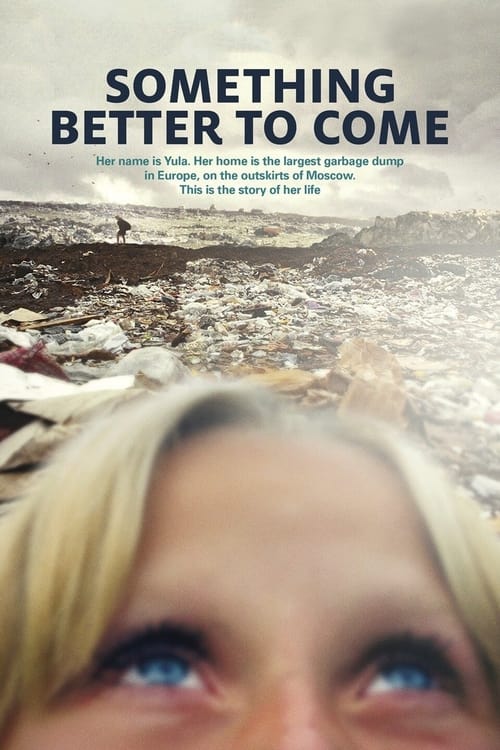
Right outside of Moscow – home to the highest number of billionaires pr. capita – you’ll find the largest junkyard in the world: The Svalka. It’s a hard place run by the Russian mafia. And it's where Yula lives with her mother, her friends and many other people. Life is tough in the Svalka, but it’s also a place where beauty and humanity can arise from the most unlikely conditions. It is from this place that Yula dreams of escaping and changing her life, even if it seems impossible. Oscar-nominated director Hanna Polak followed Yula for 14 years, bringing us along on Yula's journey to achieve this dream.
Something Better to Come
10 short documentaries which form a presentation of Denmark as part of a dialogue project in the wake of the Muhammed drawings. 10 reputable Danish filmmakers are invited to create 10 presentations of Denmark, in collaboration with second-generation immigrants with roots in the Middle East. Each film is shaped as this person's personal application to a relative or acquaintance in the Middle East. The assignment is: Give an important statement about your Denmark, with the intention of challenging and differentiating the image your relative or acquaintance has of Denmark. The strength of the films is in insight and reflection, rather than the dramatic news approach and is communicated through the personal approach to the subject. The 10 films are joined together into one film (duration 58:30 mins), and this film will be a quick and intense contribution to the debate following the publication of the Muhammed drawings.
Letters from Denmark

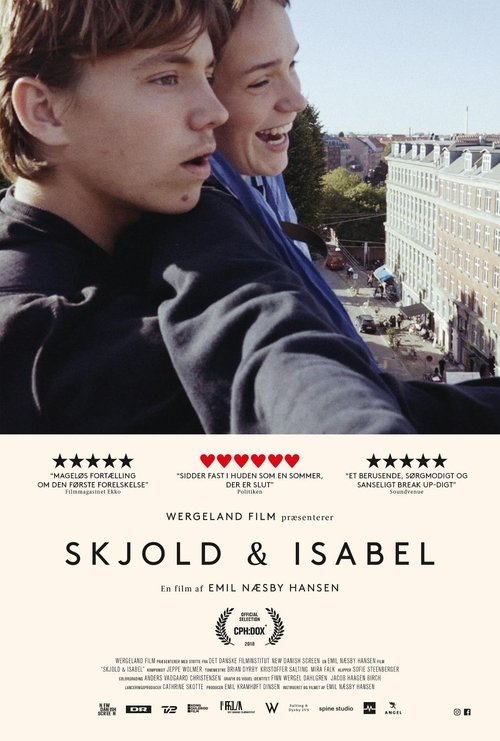
17-year-old Skjold and 18-year-old Isabel are no longer together, but they will always be each other's first love. The film throws us into a whirlwind of conversations, quarrels and happy moments during a long summer in Copenhagen. A vulnerable and confusing time for the two of them, as they try to define who they are, both as a couple and as individuals. They are entangled in romantic feelings and a strong friendship, and find it hard to let each other go, so to break with her feelings, Isabel decides to move to Barcelona on her own. But will their new freedom give Skjold and Isabel the answers to who they are? Emil Næsby Hansen is the fly on the wall, who effortlessly and without interfering is there with the couple during their ups and downs, managing to capture all the emotional nuances. From romantic love and unbearable loneliness to poetic freedom, with the Danish summer as a moody backdrop.
Skjold & Isabel
The directors, who are also partners, take a journey in pursuit of Sami's father, who abandoned his Danish family when Sami was very young.
Family

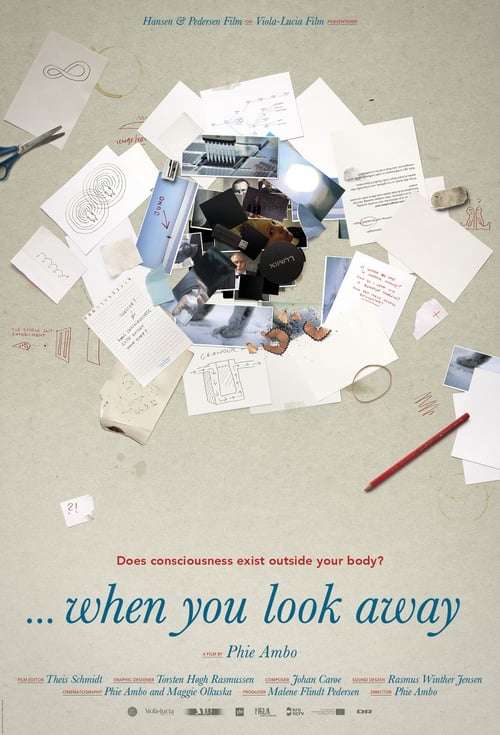
Have you ever known who was calling before you answered the phone, or felt you were being watched while in an empty room? Is it possible to exist across multiple worlds simultaneously? When her young daughter insists she’s sometimes human and sometimes an animal, filmmaker Phie Ambo wonders what else might exist outside a singular human consciousness. Committing to the principal of randomness, she plumbs the minds of various leading thinkers, from the father of string theory to a Buddhist monk, from a clairvoyant to a janitor. Just as impressive as their fascinating ideas, however, is the visual correlative of this ever-deepening metaphysical query. Who would expect the mysteries of existence to lurk inside the grease trap at an amusement park or in a single cup of tap water? Prepare to have your reality permanently altered by this mind-boggling, impossible and thoroughly compelling film.
...when you look away
The grass is greener than green, the flowers in the backyards are bright and blooming, and the many fences have a fresh coat of paint. These are the private paradises in which the Danes in The Home Front live. But wait a minute - is that a dog barking? Is that gardener peeking over the fence, and are the branches he's trimming falling on the right side? The smallest trifle in the world can send neighbors who once merrily drank beer together into arguments that last years. But when the distrust is so thick you can cut it with a knife, there's still hope. In order to help the desperate parties, the Danish government came up with the Fence Committee, an institution that mediates and makes binding decisions when necessary.
The Home Front

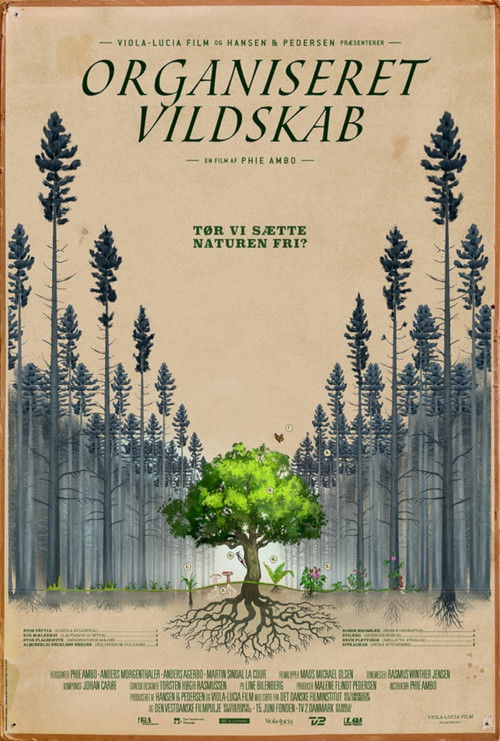
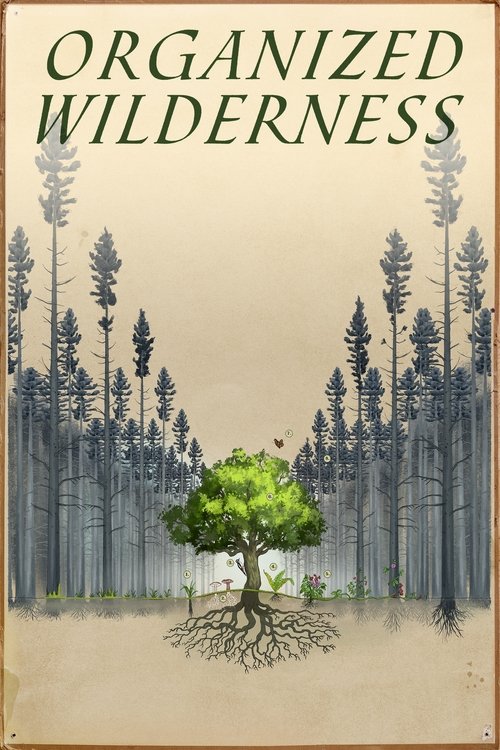
Denmark is, after Bangladesh, the most cultivated country in the world. This can be seen in our biodiversity, which has plummeted since the 1980s. We actually have less than two percent of wild nature left in Denmark, and something must be done about that now! The Danish Nature Foundation has purchased a large area in Hammer Bakker with production forest, which is to be converted into wild nature with large grasses, butterflies and, with a little luck, a golden eagle or two. But how do you make something wild that has been tamed for so long?
Organiseret Vildskab

"Mechanical Love" is a documentary on the interrelationship between robots and humans. The film portrays people who have a close relationship with a robot, and it takes us from the high temple of robot technology, Tokyo, Japan, to Braunschweig, Germany, to Italy and back to Copenhagen, Denmark. By this world tour director Phie Ambo seeks to highlight the human need for love and our craving to be loved by others - perhaps the two most important aspects of life. Through the main characters, she examines the cultural differences in how we accept emotional robots in the East and the West.
Mechanical Love

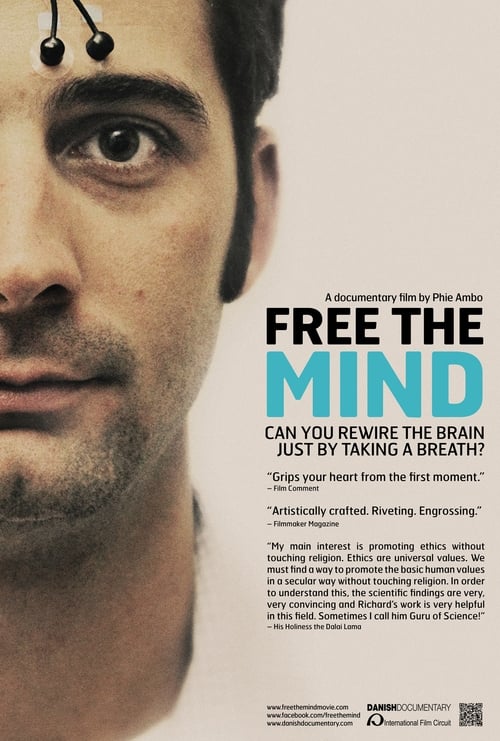
Brain scientist Professor Richard Davidson sets up his mind to conduct an unusual experiment: He will teach American war veterans and children meditation and yoga. Can veterans through meditation and yoga ease their pain and nervous system, find happiness and be more peaceful and get back to a life more like the one they had before the war?
Free the Mind

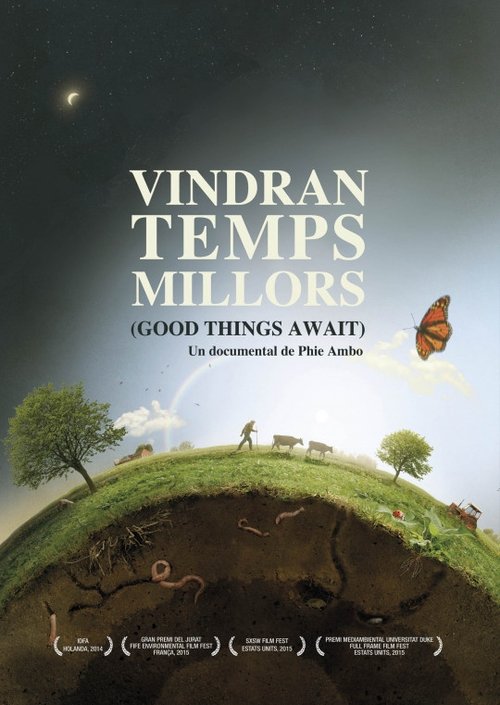
Niels Stokholm is one of the most idealistic farmers in Denmark. He runs the biodynamic farm with his wife, Rita, and from their farm, Thorshøjgaard, they distribute products to some of the best restaurants in the world.But not everyone is equally fond of Thorshøjgaard and their holistic methods. Authorities and bureaucracy threaten to close down the farm. Phie Ambo follows their struggle to make sure that they are not the last to do agriculture the way they do, but some of the first.
Good Things Await

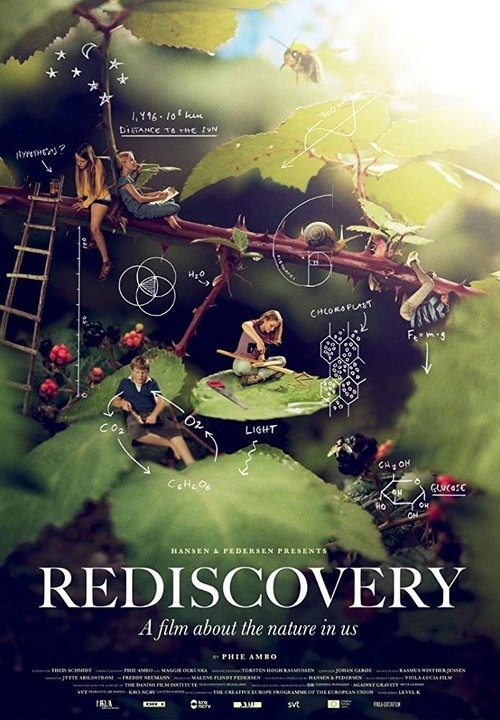
A group of children develop the possible society of the future on an overgrown building site in a deeply democratic film, which gives nature a voice.
Rediscovery

In 2019, thousands of Danish children and youths took to the streets. They stayed away from school to demonstrate for the climate, mobilise their parents and grandparents, and demand action – now! When elections were called later the same year, it was clear that green climate policies attracted voters, and suddenly the climate was at the top of the political agenda. ‘70⁄30’ portrays the creation of one of the world’s most ambitious climate laws, with the goal of reducing Denmark’s CO2 emissions by 70% by 2030. But will the politicians, citizens and industry be able to come together to make Denmark a green pioneer? Or will the election promises and green ambitions crumble when the new climate law is faced with reality?
70/30

No description available.
Organized Wilderness
In 2003 Phie Ambo made the graduation film from the Danish Film School 'The Diver Inside Me'.