Acting
Jiří Cimický was a Czech film and television actor.
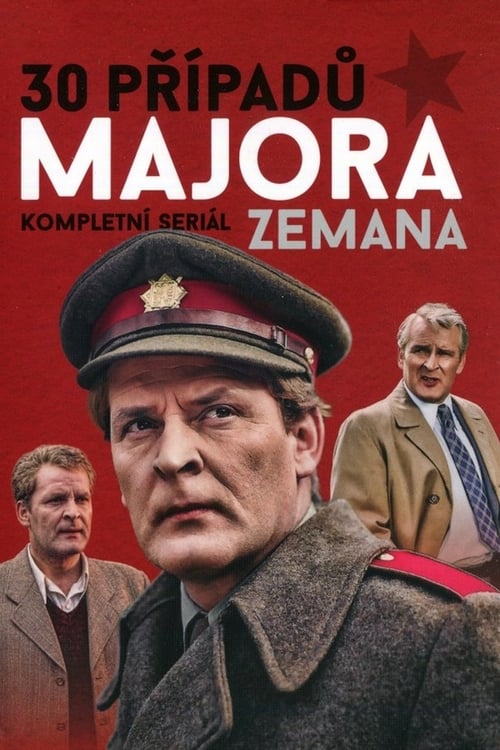
Thirty Cases of Major Zeman is a Czechoslovak action-drama television show intended as a political propaganda to support the official attitude of the communist party. The series were filmed in the 1970s. Each episode encompasses one year, and investigations are stylized to that year. Most are inspired by real cases. The series follows the life of police investigator Jan Zeman during his career from 1945 to 1975.
No description available.
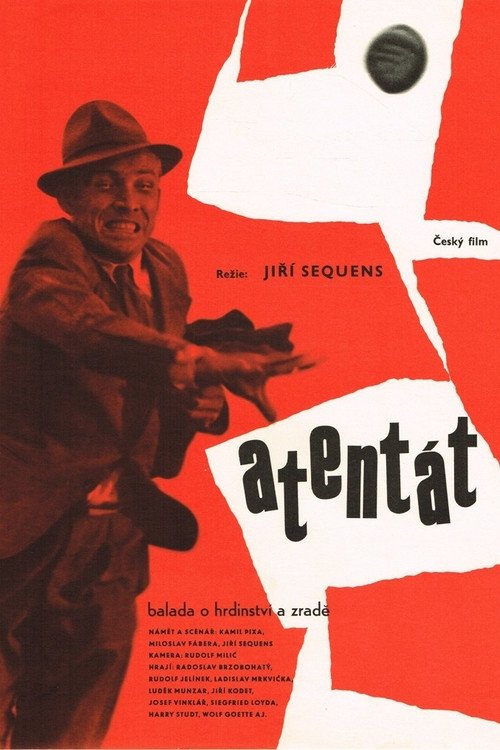
In autumn 1941, Reich Protector Reinhard Heydrich’s brutal rule in occupied Bohemia and Moravia fuels Czech resistance. In spring 1942, the government-in-exile sends trained paratroopers led by Lt. Král on a mission to assassinate him. Masters Strnad and Vyskočil ambush Heydrich’s open Mercedes in Prague’s Libeň district, mortally wounding him despite a jammed submachine gun. Their success triggers harsh Nazi reprisals, mass executions, and an intense manhunt for the operatives.
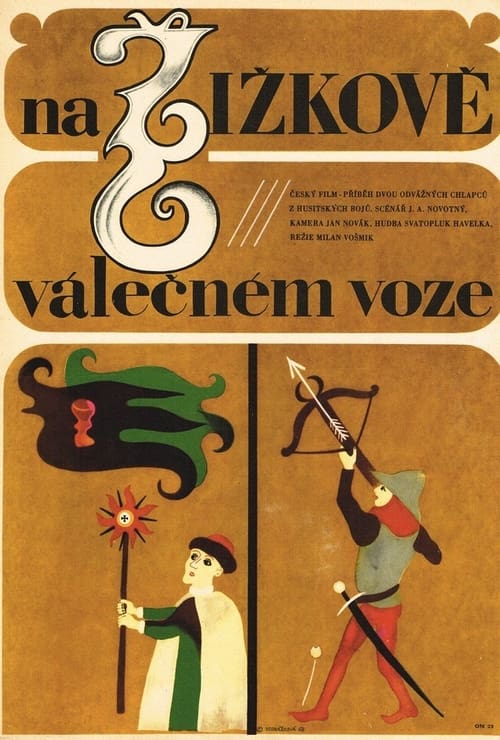
Widowed yeoman Tuma and his household are on their way to help the town of Kourim, which is under attack by the papist troops. His son Ondra is secretly following his father. Miksík the castellan, who is responsible for Ondra, finds himself forced to set off after the boy. They are both captured by soldiers from Kutná Hora. Miksík sacrifices himself to give Ondra a chance to flee. On the way, Ondra runs into the orphan Sulík. The two boys become friends and begin to wander together.
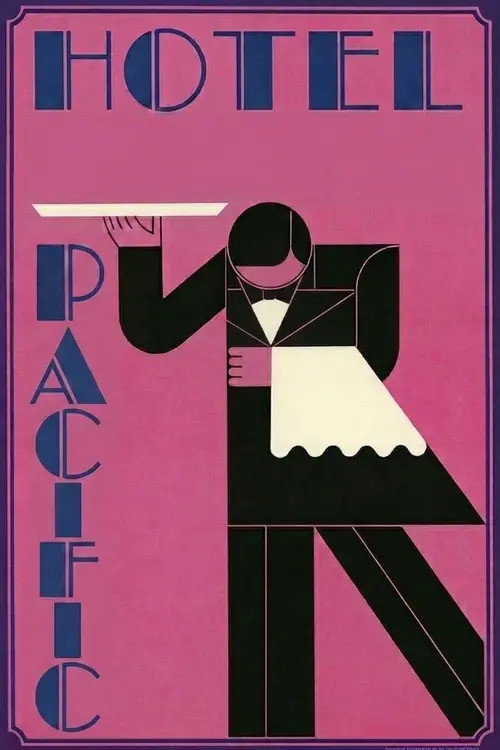
Set in the early 1930s, a young man finds a job as a dishwasher in a hotel and quickly works his way up the ladder. Loosely based on the novel by Henryk Worcell.
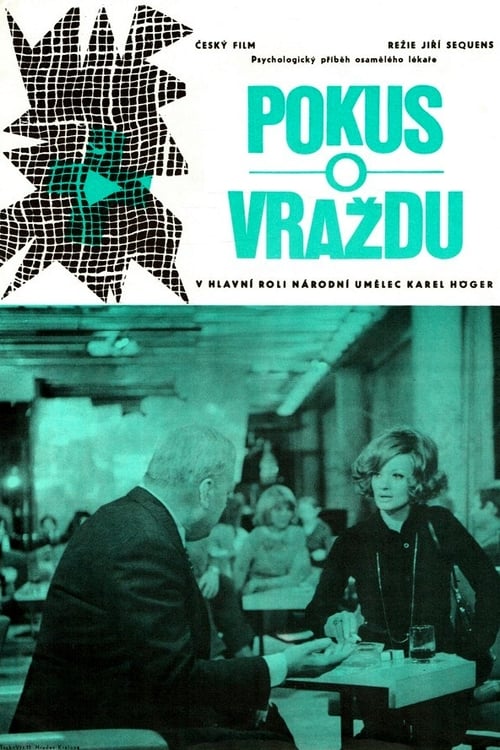
The main character of the story is Professor Trojan, the head of a Prague clinic, who is not experiencing the happiest of times. His cat has been poisoned with cyanide, he has a falling out with his son Petr, who has moved to Brno to be with his wife, the promising singer Eva, and only seeks out his father when he needs money, and as if that weren't enough, someone shoots him in the evening. Trojan initially considers it a mistake or a prank and does not share the fears of those around him. But then cyanide is discovered and one of the patients takes it from the assistant Dvoracek, who borrowed it for an unauthorized experiment. Trojan pairs the cyanide with a gunshot and slowly begins to suspect that someone is trying to kill him. At first he suspects Dvorak, who might become the foreman after his death, but later, as he falls deeper and deeper into a psychosis of fear and apprehension, he begins to suspect everyone around him...
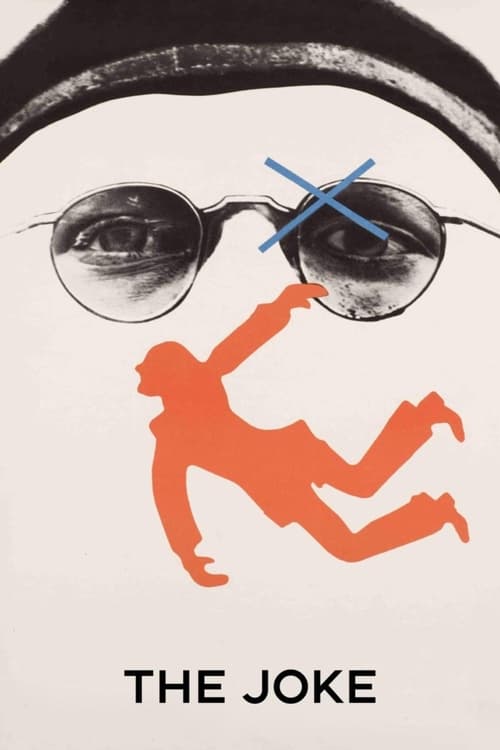
In the 1950s, Ludvik Jahn was expelled from the Communist Party and the University by his fellow students, because of a politically incorrect note he sent to his girlfriend. Fifteen years later, he tries to get his revenge by seducing Helena, the wife of one of his accusers.
It is 5 May 1945 and the uprising against the hated German occupiers has broken out in Prague. The Czech guards open the gate of the Pankrác prison to allow the prisoners to escape en masse. Many of them are shot dead by the German guards but young Ruda (Jaromír Hanzlík) manages to run away. He is taken care of by one of the Prague fighters, concierge Kytka. Kytka hides him in the flat of the house's owner where only the young maid Karla (Jana Brejchová) is left, ordering her to take care of Ruda.
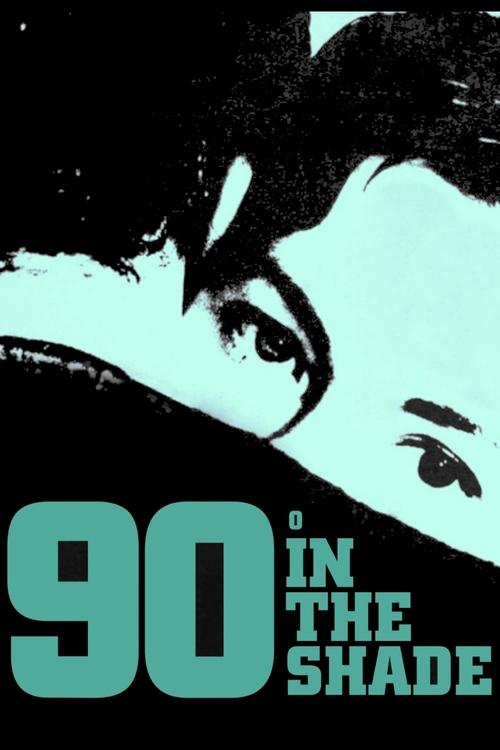
In a Prague shop, an assistant has been carrying on an affair with the dishonest, married manager. An emotionally repressed auditor with domestic problems of his own uncovers serious stock discrepancies. A test of loyalties and a questioning of values concludes in tragedy.
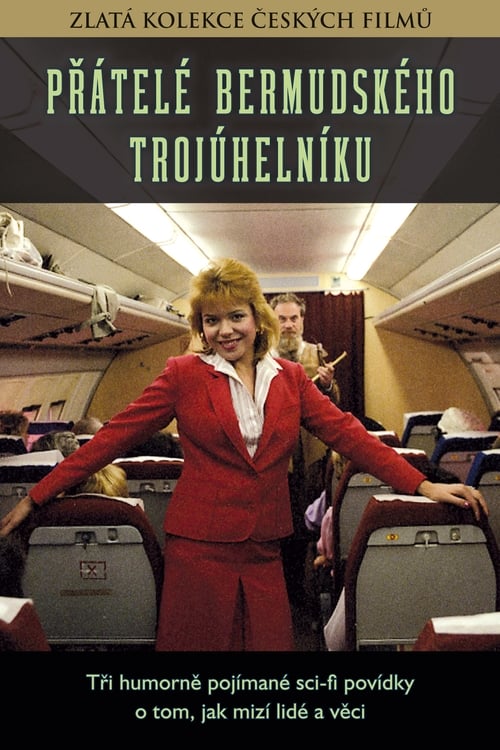
The idea of mystery unites the three debut stories - the original Bermuda Triangle with its mysterious phenomena has begun to shift and can be traced anywhere in the world, including Czech and Slovak territory. Here, too, unexplained shifts in space and time occur. This idea is supported by the aforementioned short stories, but the inventiveness of the subject matter and staging is very heavy-handed, and the film passed through the cinemas without much interest.
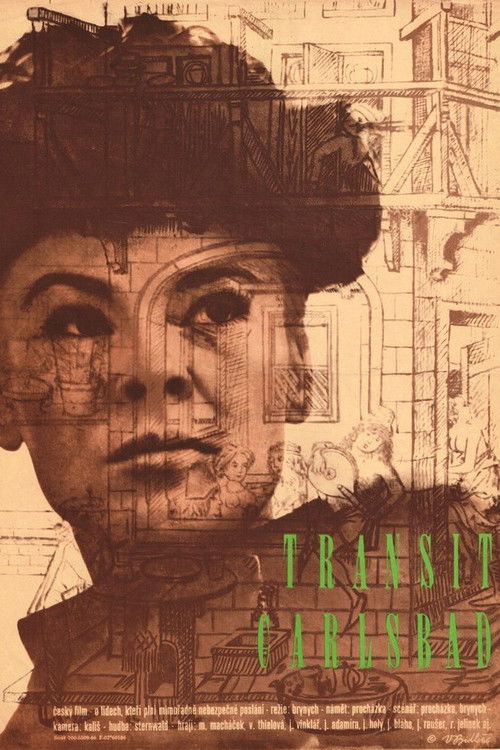
Several foreign agents are interested in a famous Austrian scientist, the discoverer of an artificial protein. The endangered man never notices the trouble around him. His protection was entrusted to the mysterious Madame Elizabeth, amongst agents famed as the ' 006, in fact, working for State Security...
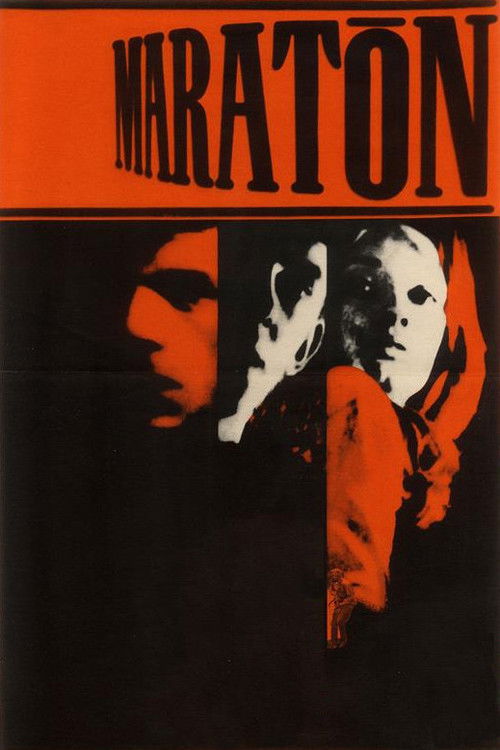
In the second half of the 1980s, so-called critical films began to emerge, but they were afraid to make a sharper statement, moving on the basis of an engaged morality that wanted to improve the existing conditions cosmetically at best. The theme of the search for a new anchor in life becomes a central element: the protagonist, after returning from the war, does not want to devote himself to the constraints of elite sports, he rejects the dubious business of a friend. Most of all, he would be attracted to a perfectly ordinary job in a bakery. The dance clip inserts, however, make it difficult to navigate the already rather confusing narrative.
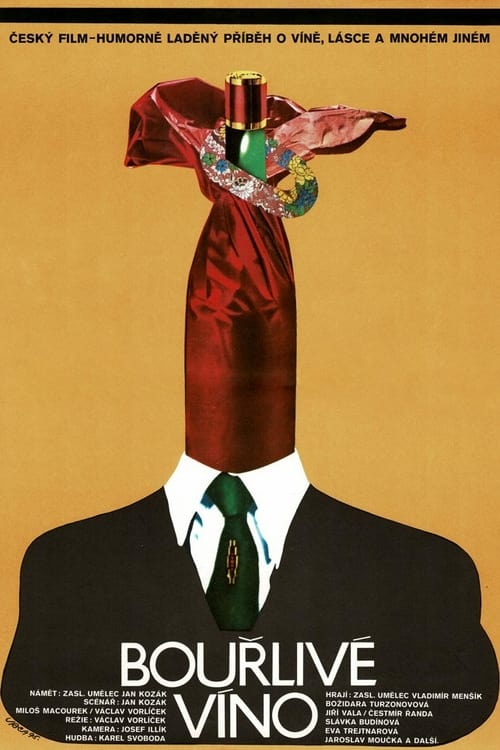
It is the summer of 1968 and also in South Moravian Pálavice appear political clashes. The so far peacefully farming Unified farmers' cooperative starts splitting. Some of the farmers have found the cooperative called Vidrupa and want to deal with wine in private trade. Michal Janák, chairman of the farmers' cooperative is a deliberate man and refuses the latent return to the capitalism. As an excellent farmer he continues preparing planting out new vineyards. His adversaries do not agree - the returns will come many years later. Jozka Hrdlicka, an émigré, notices on the Austrian TV the interview with the representatives of Vidrupa and decides to visit his native village. The new suit and the hired car transform the bankrupt and criminal to the successful businessman with wine.
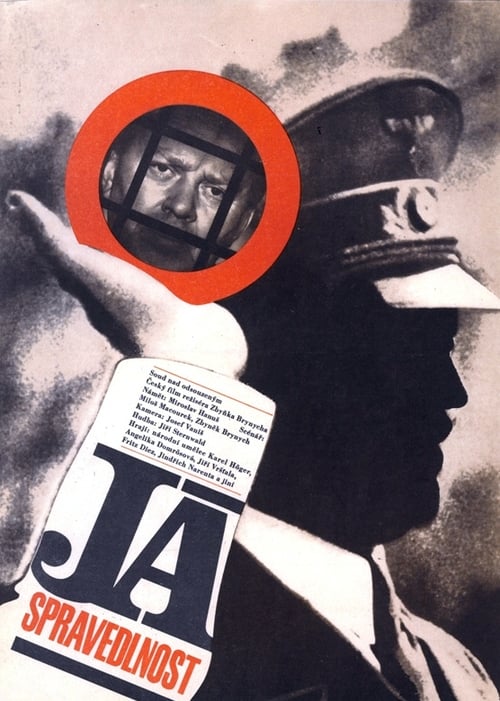
At the year 1946, the time of the Nuremberg Process. One of the main actors of the Second World War, who reportedly committed suicide, Adolf Hitler is, however, missing. The Czech doctor Herman (Karel Höger) is kidnapped from Prague and driven to the sanatorium of Professor Rolf Harting (Jirí Vrstála). The sanatorium is a disguised military stronghold, most probably occupied by a Nazi garrison, with prison cells and an execution chamber in the basement. At night, Herman is taken to a patient in whom he, to his horror, recognizes Hitler (Fritz Diez).
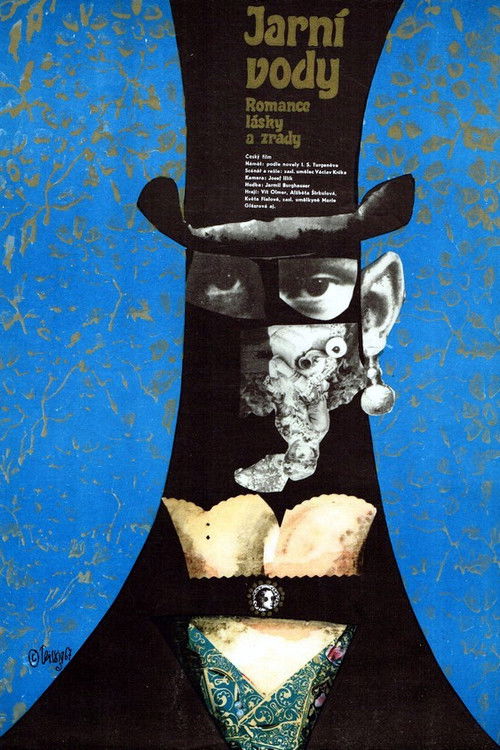
Sanin, an aging Russian nobleman, recalls his unfulfilled love for a simple girl with whom he fell in love during his youthful travels, but left her for a short-lived love affair with a selfish high society beauty.
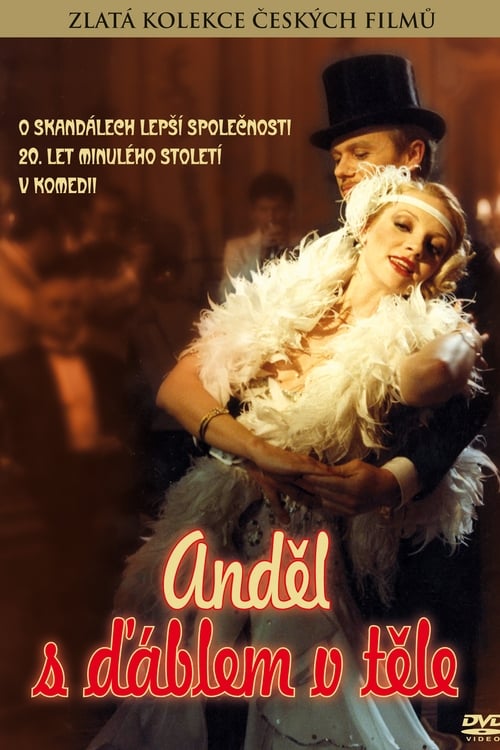
In a chateau near Prague there is a chantry and brothel Riviera, designed for the clientele from the higher circles. Mrs. Gábi Stolařová, called Madame, keeps a close eye on order, but otherwise she runs the place in a family spirit and makes sure that the customers are satisfied. A new employee, the beautiful Renata, disrupts the order of things and immediately draws the attention of all the guests to herself. But beneath her angelically innocent exterior, she hides a fierce ambition and a coldly calculating brain, which, to her own detriment...