Acting
No description available.
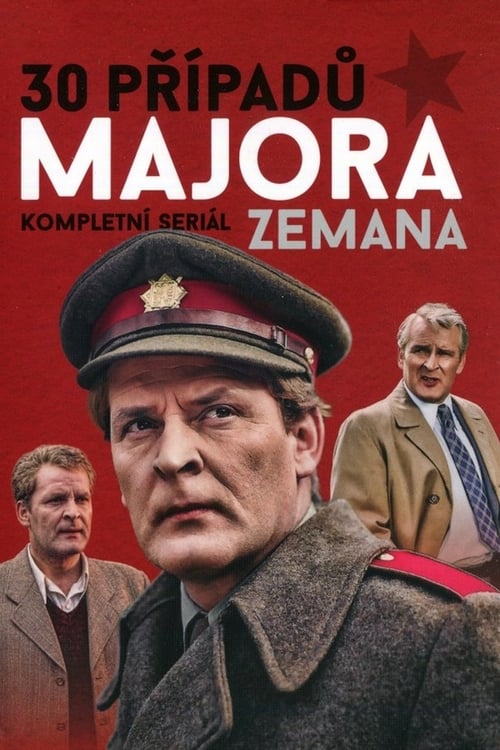
Thirty Cases of Major Zeman is a Czechoslovak action-drama television show intended as a political propaganda to support the official attitude of the communist party. The series were filmed in the 1970s. Each episode encompasses one year, and investigations are stylized to that year. Most are inspired by real cases. The series follows the life of police investigator Jan Zeman during his career from 1945 to 1975.
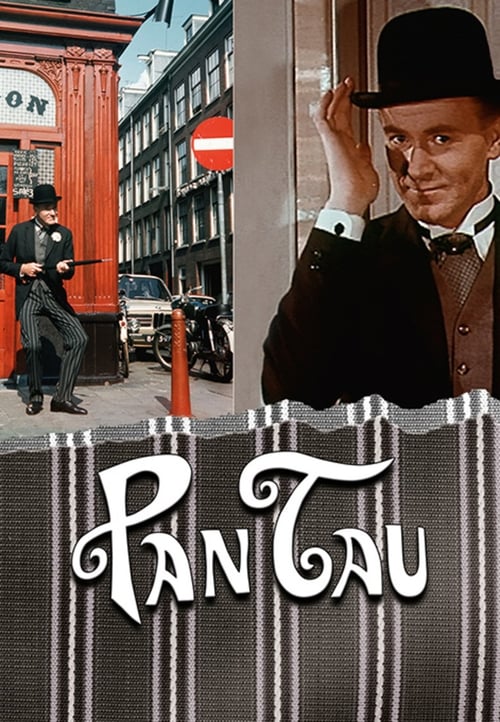
Pan Tau always had a gentle expression and a friendly smile, he was elegantly dressed in a stroller, with an umbrella and a white carnation in the lapel. Foremost, he was famous for his magic bowler hat. By tapping on his hat, Pan Tau was able to change his appearance into a puppet, to conjure up miscellaneous objects or to do other magic. His most characteristically behavior is that he would help children who were experiencing some sort of difficulties in-between their dreams and reality, like finding a place for skiing, settling family problems on Christmas, and even give a boy a good time at a fair when he is supposed to have piano lessons. To adults, he usually remained invisible.
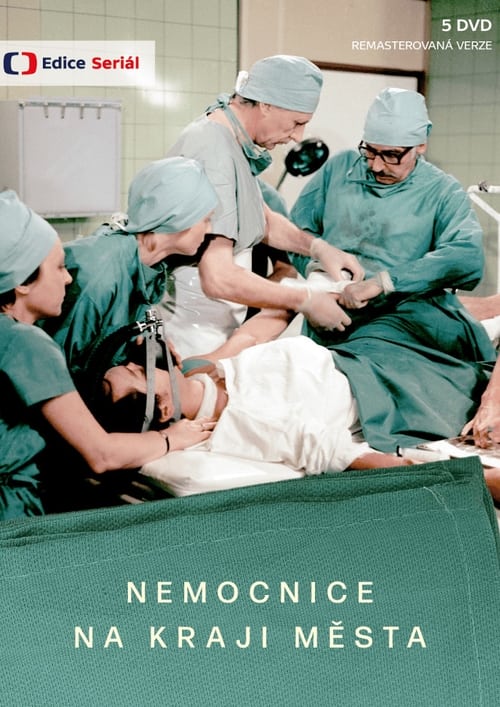
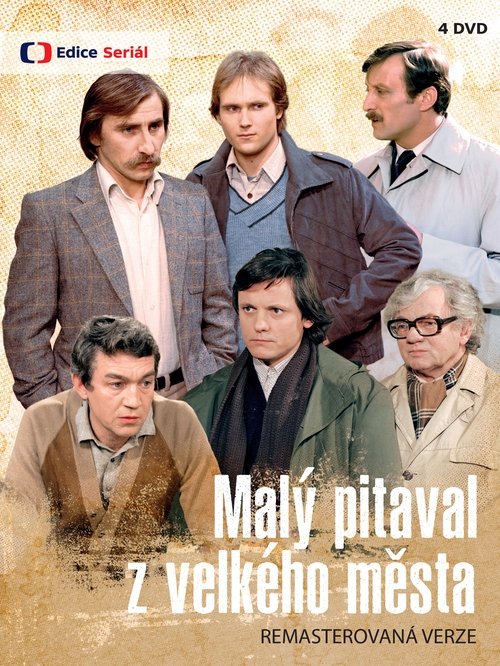
Hospital at the End of the City is a popular television series first released in Czechoslovakia in 1977, it featured an ensemble cast and received much viewer praise in central Europe. The series ran from 1977 to 1981 for a total of twenty episodes. The success of the series inspired the German television series The Black Forest Clinic.
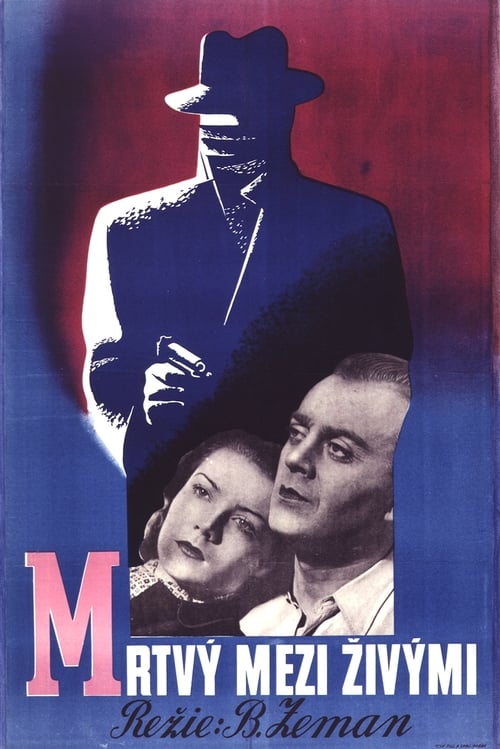
A VB officer regulates the arrival of fans at Sparta. He'd like to go too, but there are more fans in their ranks and they have to rotate duty. So he just asks for the scores of everyone he knows in the street and elsewhere. He visits a pub, chats with the barmaid and invites her to watch the end of the game right on the pitch, by then he'll be off duty. But on his next errand, he is stopped by a frantic father whose wife has just given birth...
Muž na radnici was a Czechoslovak television program which was broadcast in 1976. The program was directed by Evžen Sokolovský. In 2011, it was announced that the program, along with 17 others, would be released on DVD within three years.
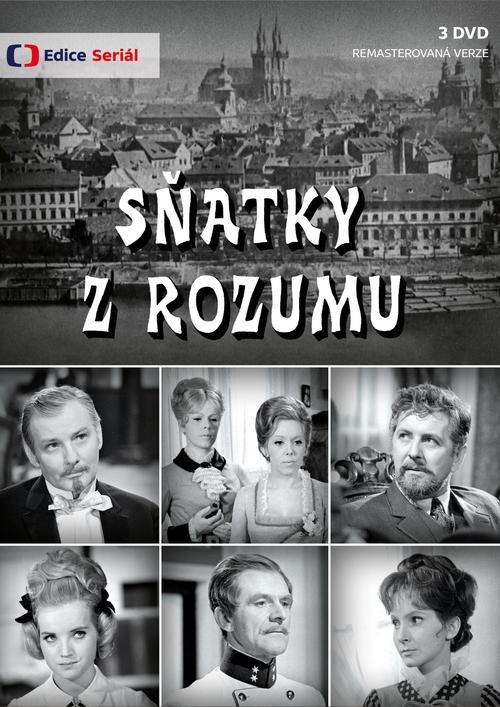
Sňatky z rozumu was a Czechoslovak television programme which was first broadcast in 1968. The programme was directed by František Filip.
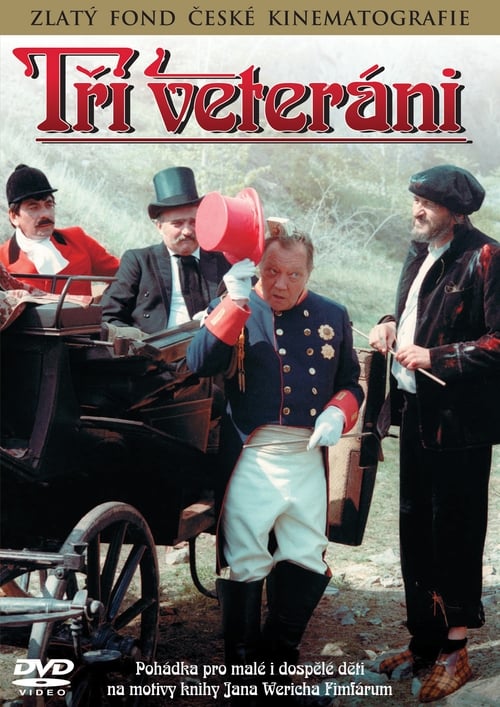
It is a story of three veterans released from the army. During one night spent camping in the country they one by one wake up and meet three elvish brothers. Each of the veterans is given a magic item - one gets magic harp that provides him with servants by wish, other one endless pouch of gold and the last one owns magic hat that can create all the staff excluding money and people.
The movie's main storyline follows the life of Otík, a young man, in a tight-knit village community. The sweet-tempered Otík works as an assistant truck driver with Mr. Pávek, his older colleague and practical-minded neighbor. Pávek's family takes care of Otík, whose parents are dead. However, the two coworkers become at odds over Otík's inability to perform even the simplest tasks. Pávek demands that Otík be transferred to assist another driver, who happens to be a choleric and suspicious man named Turek (Turk in Czech). Rather than work with Turek, Otík decides to accept an offer of employment in Prague, but finds he does not fit in to the city life. After discovering that the transfer of Otík to Prague was a trick by a crooked politician to get a deal on Otík's large inherited house, Pávek agrees to give Otík a second chance and retrieves him from the city to resume their work together.
Middle-aged Antonin and his friends, the major, now retired, and the canon, are in the river, swimming and philosophizing. Then it starts to rain. It just seems to be that sort of summer. Antonin runs the swimming bath with his portly wife Katherine... A man appears with his horse-drawn caravan. He lays a striped pole across the river and walks over. With a handstand and a magic trick, Ernie the Conjuror invites everyone to that evening's performance... Ernie is a tightrope walker of only modest skill, but with a slim and beautiful assistant, Anna. Antonin speaks to her. The two spend the night in the change room by the river, Antonin massaging her feet all night long. Katherine decides to move into the caravan with Ernie. But now the major and even the canon sense Anna's attractiveness...
When he returns to Prague from a stint in the Army, Lada does not seem to fit in anywhere, and he cannot get the hang of the system of deliberately underperforming on the job. His girlfriend tries to keep him in the city with a variety of stratagems, but he eventually takes a job as a truck driver on a dam-building project. He uses the truck to visit his girl on weekends. Ingenuous, he is unaware that the truck is being used for black-market smuggling, and that his girlfriend two-times on him when he cannot arrange to leave on time for his weekend.
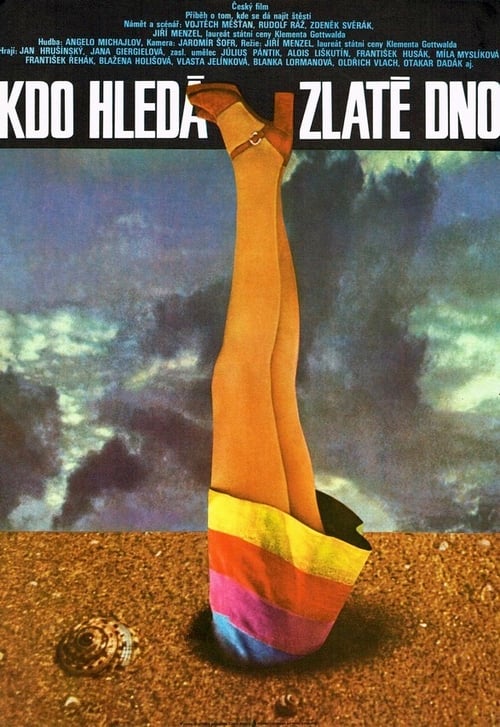
Human bravery can take many forms, just as ideas about it can. Small-town public opinion begins to despise a postal clerk because he gave cash to robbers who didn't hesitate to shoot. The result is a successful study of a man whose previous certainties begin to crumble due to a fateful event.
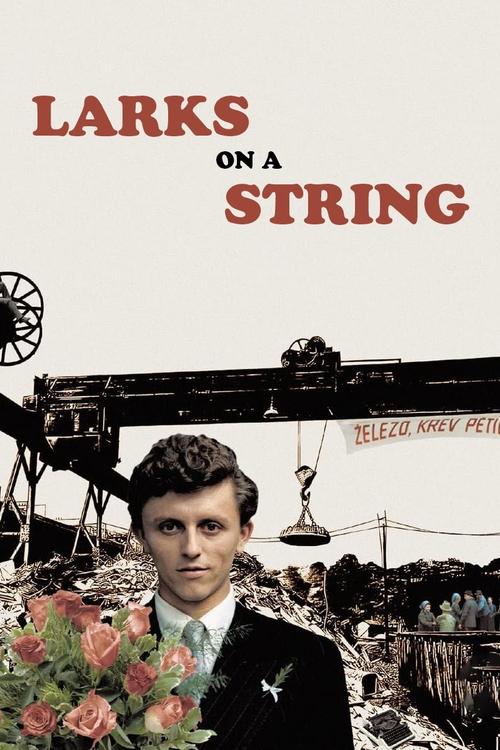
In post-WWII Communist Czechoslovakia, several characters considered bourgeois are sentenced to work in a junkyard for rehabilitation. Among them is a young man who pines for a female convict.
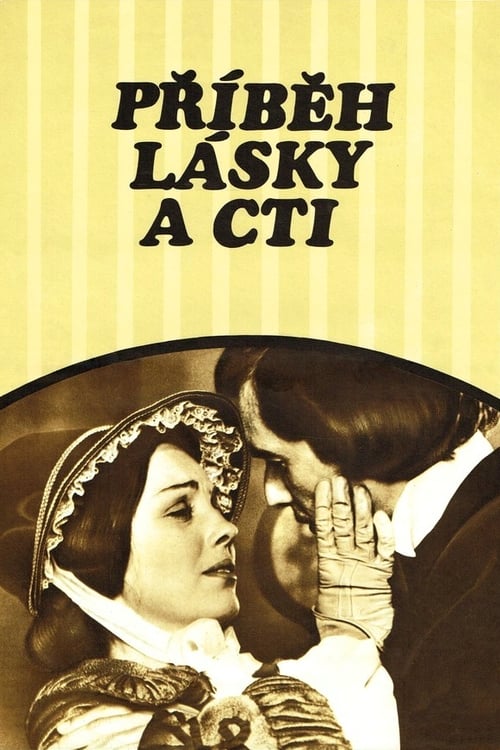
A story of love and honor that takes place during the mid-nineteenth century during revolutions, as well as economic, political, and social hypocrisy. Two extraordinary but lonely artists share a passionate love, as evidenced by the preserved letters that they exchanged.
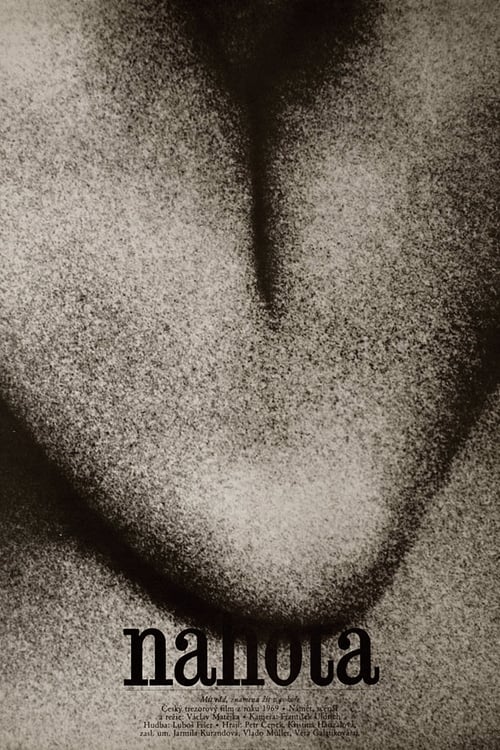
Young prisoner Jan, nicknamed Roughboy (Petr Cepek), tries to commit suicide. He was imprisoned for a fight in which he injured a functionary of the National Committee and for stealing material but actually by the blame for this crime was pinned on him by the road-builders in whose group he worked. The prison doctor knows that Jan is an emotionally deprived person who never knew his parents and spent all his childhood - except one year with foster-parents - in orphanages, homes for youth and reform schools. He arranges a five-day holiday for Jan, who wants to find his mother's grave.