Thomas Ciulei
Directing
Known For
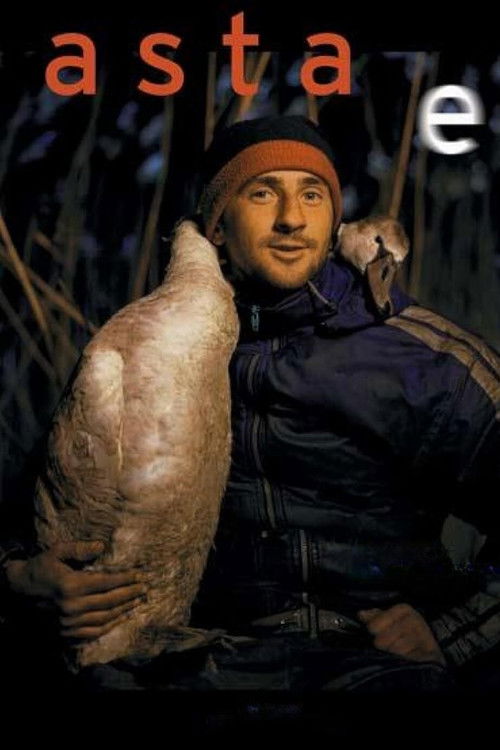
Once a major wealthy town, Sulina is a victim of post-communist decline and disarray. Ten years after the fall of Ceausescu inhabitants still live in poverty. Despite their despair, there is room for dreams and humor. The Romanian town Sulina lies right in the no-man's-land of the Danube-delta, cut off from the rest of the world. Ten years after the fall of the communist regime the people here are worse off than ever. Sulina used to be a wealthy trade town. But with the decline of communism the economic connections petered out. The film portrays four of the region's inhabitants from three generations who just manage to get by.
This Is It
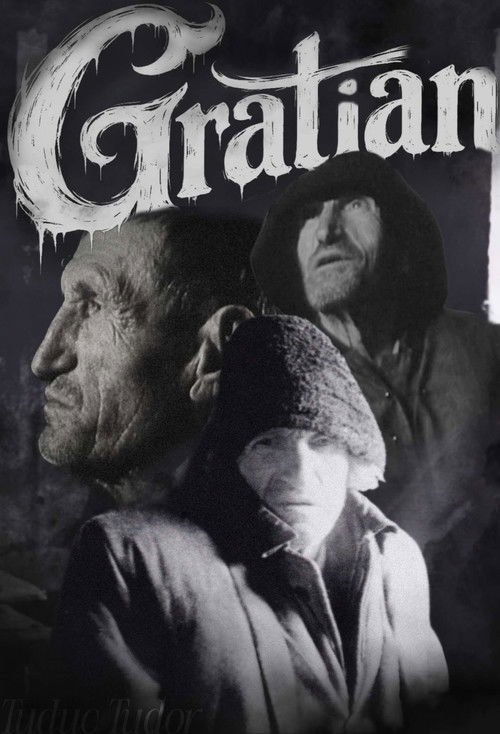
The people in Izbuc, a village in the Romanian Carpathian mountains (Transylvania), think that their fellow villager Gratian Florea is a werewolf. According to an old custom, when a child is born, the midwifes call upon the spirits, to make the child hard working, beautiful, loveable or wise. It is said that when Gratian was born, the umbilical cord broke only after the midwife called forth the werewolf. This crucial moment was to influence his whole life.
Gratian: The Real life Romanian Werewolf
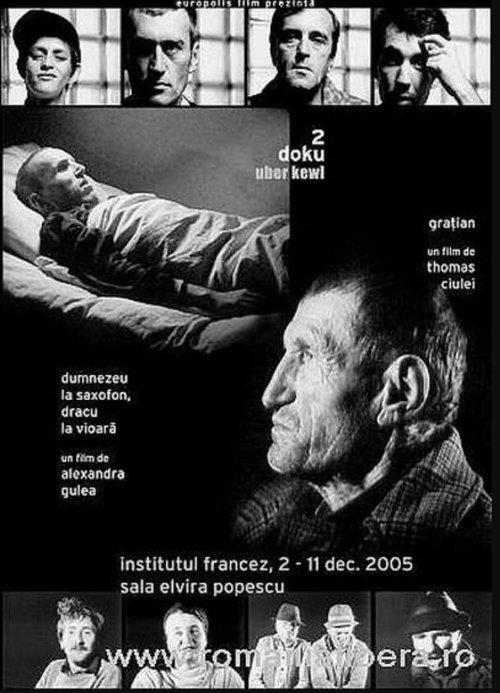
They are patients in a psychiatric hospital in Romania and marginalized persons whose social status has been removed. You think they will only say crazy things, but you don't want them to be like ordinary people, be good, love, and even create often... It's just that all this is confined to the hospital wall. The title is a gimmick, just one sentence from a song sung by the patient in the film.
God Plays Sax, the Devil Violin
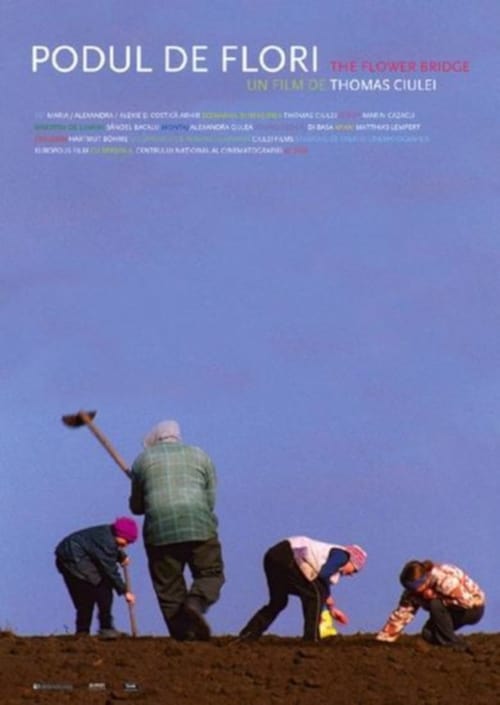
A father raises his three children alone, while his wife is looking for work abroad.
The Flower Bridge
The people appearing in the documentary are not Transylvanian Saxons but Deutschböhmen, that is Germans from Bohemia who settled around the Semenic-Mountain (Banat) in the first part of the 19th century. Since the production of the documentary, however, things have changed, not necessarily for the worst. (it could even be the subject for a documentary itself): in some of the villages (formerly) inhabited by the Deutschböhmen, people from Timisoara built their holiday houses, Weidenthal (which is featured in the docu - the Romanian name is Brebu Nou) and Wolfsberg (Garâna) are not completely deserted, the mayor of Garâna (might be known to some Romanians for the Jazz Festival there) is actually of German origin.