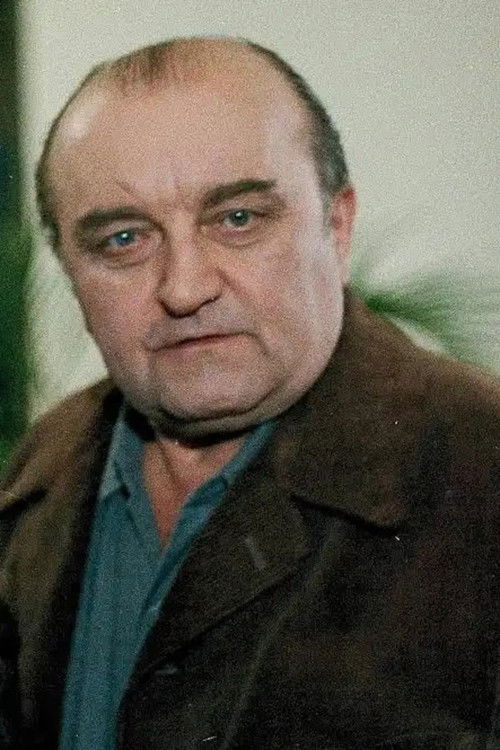
Mirko Musil
Acting
Known For
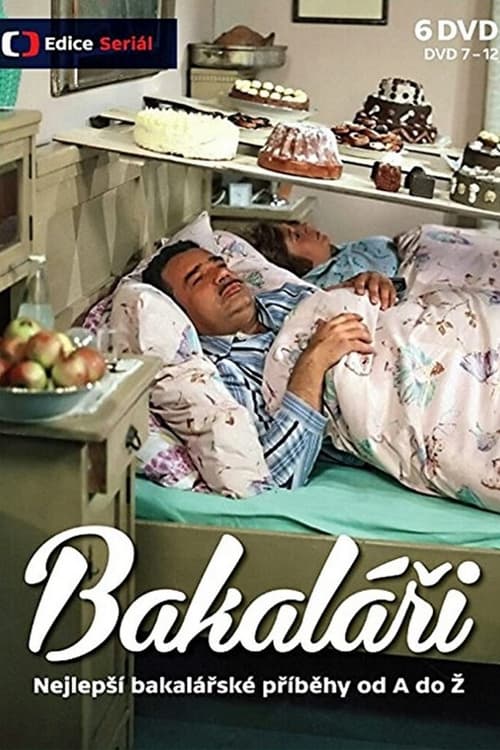
No description available.
Bakaláři
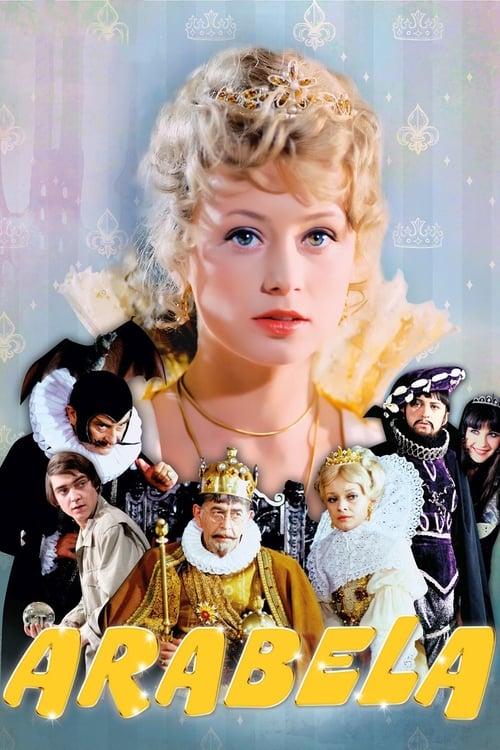
Arabela was a children's television series produced in Czechoslovakia which aired from 1979 to 1981. The series has 13 episodes and is in the Czech language.
Arabela
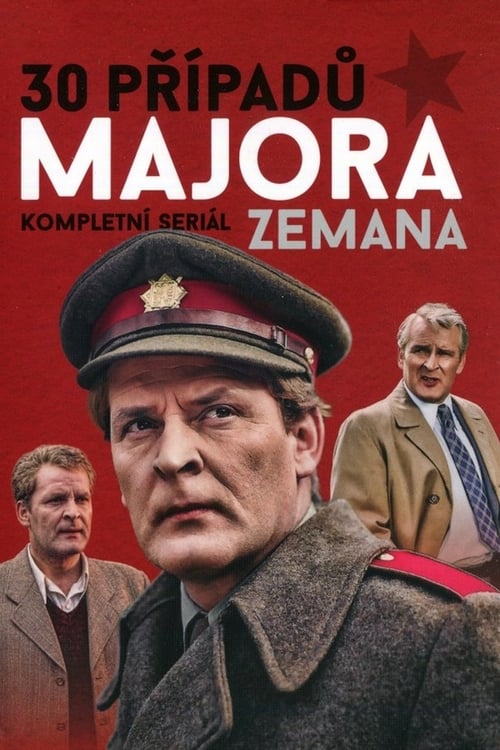
Thirty Cases of Major Zeman is a Czechoslovak action-drama television show intended as a political propaganda to support the official attitude of the communist party. The series were filmed in the 1970s. Each episode encompasses one year, and investigations are stylized to that year. Most are inspired by real cases. The series follows the life of police investigator Jan Zeman during his career from 1945 to 1975.
Thirty Cases of Major Zema
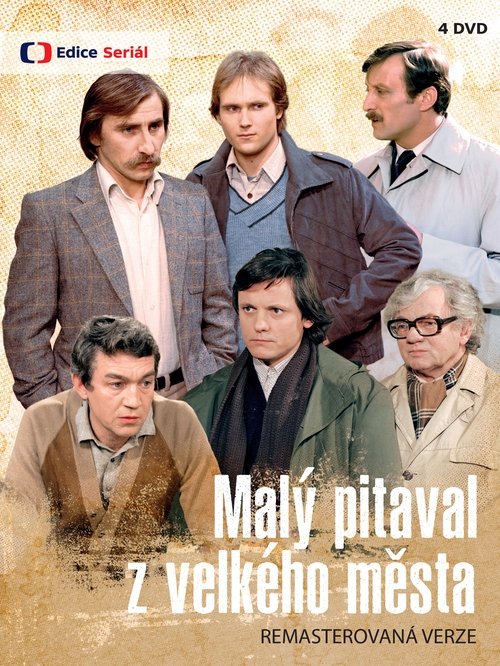
No description available.
Malý pitaval z velkého města
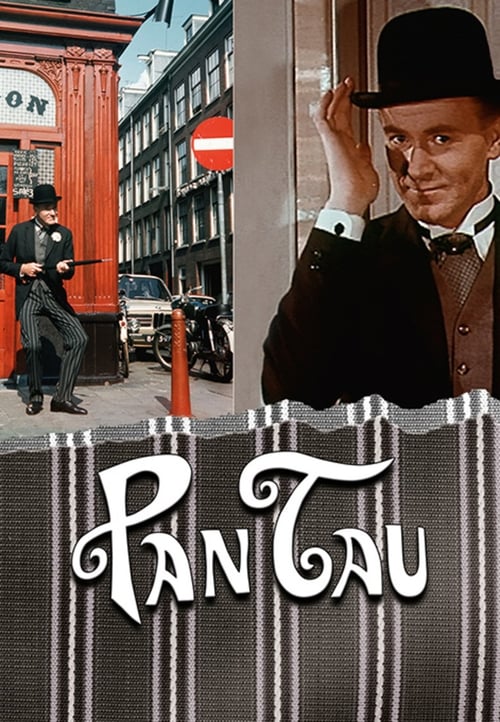
Pan Tau always had a gentle expression and a friendly smile, he was elegantly dressed in a stroller, with an umbrella and a white carnation in the lapel. Foremost, he was famous for his magic bowler hat. By tapping on his hat, Pan Tau was able to change his appearance into a puppet, to conjure up miscellaneous objects or to do other magic. His most characteristically behavior is that he would help children who were experiencing some sort of difficulties in-between their dreams and reality, like finding a place for skiing, settling family problems on Christmas, and even give a boy a good time at a fair when he is supposed to have piano lessons. To adults, he usually remained invisible.
Pan Tau
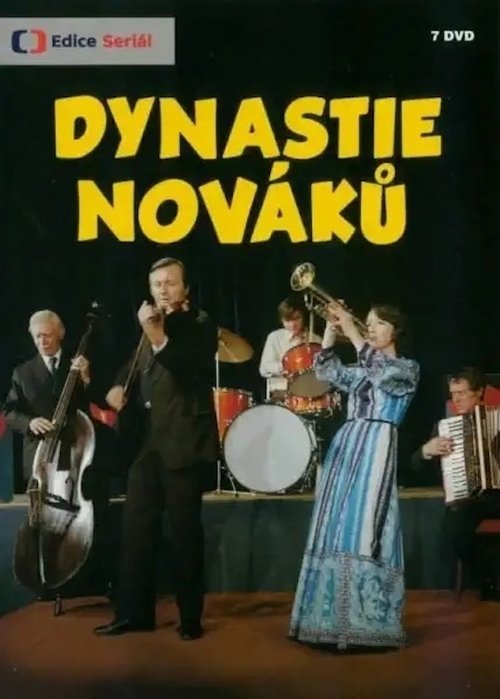
No description available.
Dynastie Nováků
No description available.
Úsměvy světa
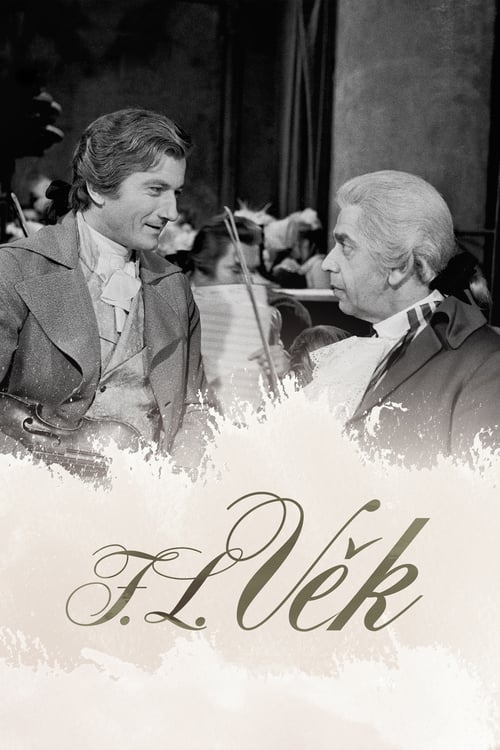
No description available.
F. L. Věk
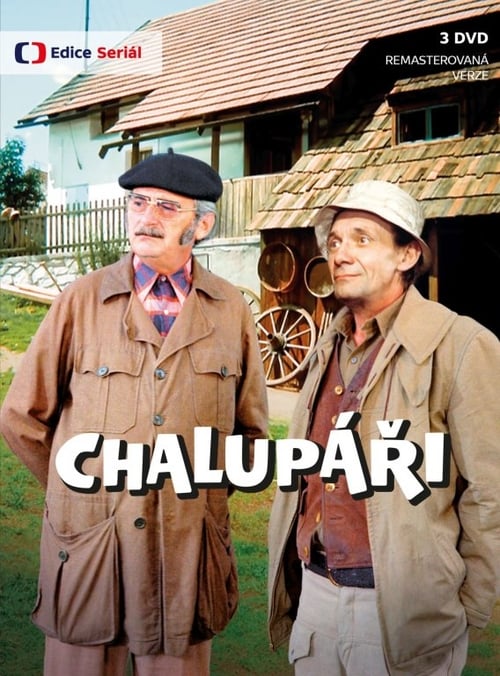
Chalupáři is a Czechoslovak comedy TV series filmed in 1974 and 1975 by František Filip.
Chalupáři
No description available.
Velitel
No description available.
Bližní na tapetě
No description available.
Slavné historky zbojnické
No description available.
Dnes v jednom domě
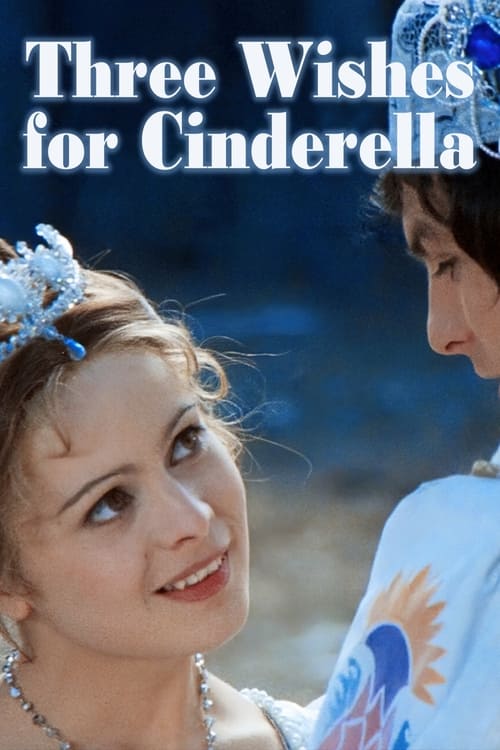
Popelka, a resourceful and independent young girl, is a servant in her stepmother's house and confides in her closest friend the owl. When she comes across three magical acorns, she's granted a single wish for each one of them.
Three Wishes for Cinderella
No description available.
Rozsudek
No description available.
Stříbrná pila
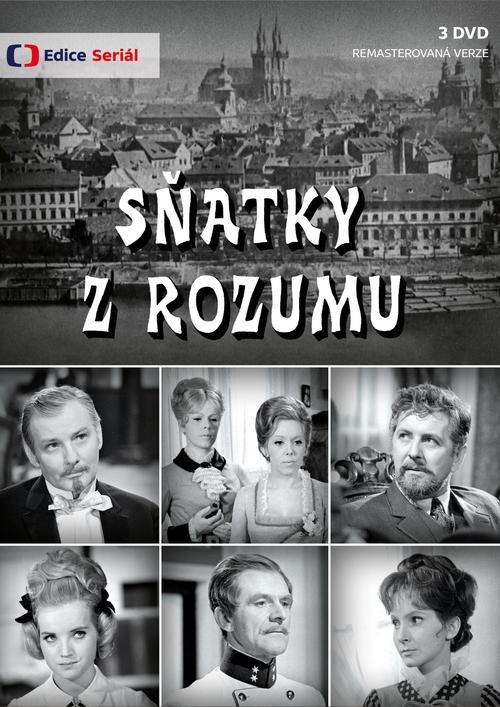
Sňatky z rozumu was a Czechoslovak television programme which was first broadcast in 1968. The programme was directed by František Filip.
Sňatky z rozumu
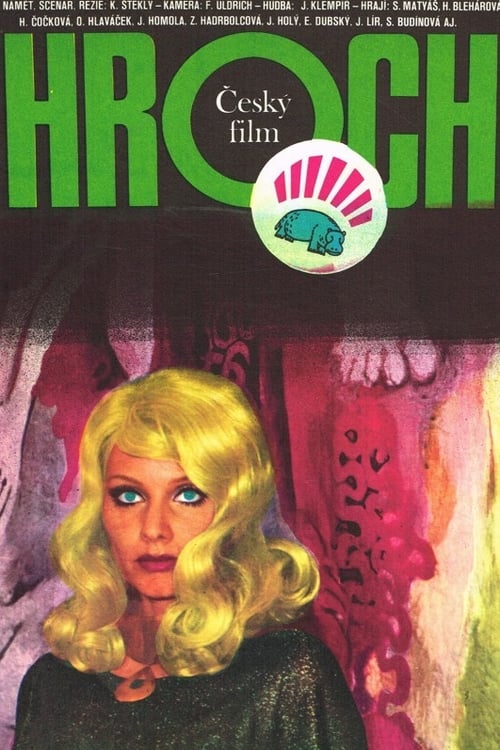
The bank officer Bedrich Hroch is sent by the bank director to the zoo, which asked an allocation of one and half kg of gold for a gold tooth for a hippo. During the check up of the hippo's teeth Bedrich is swallowed by the hippo. The man does not die in the hippo's guts and he chats quite happily with his frightened wife Dása. Journalist Pip Karen, his friend is also present to the dialogue and he has immediately an idea how to use this special situation. He tells to the new minister Borovec and his opponent professor Fibinger that there is a hippo in the zoo which can speak. He also tells them how to use this situation for a political propaganda.
Hroch
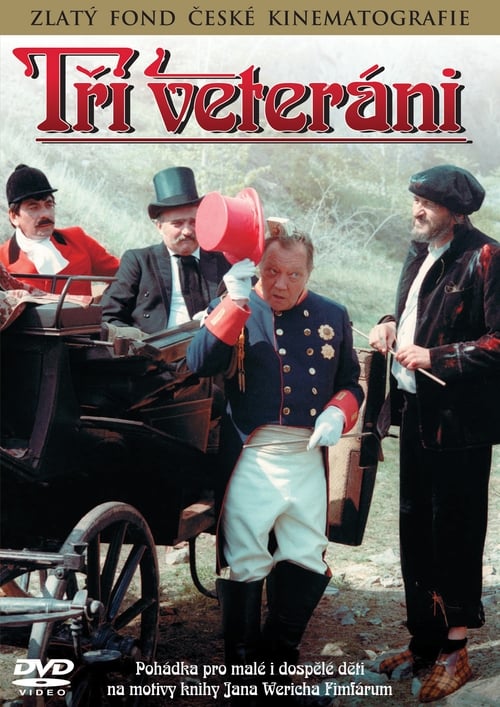
It is a story of three veterans released from the army. During one night spent camping in the country they one by one wake up and meet three elvish brothers. Each of the veterans is given a magic item - one gets magic harp that provides him with servants by wish, other one endless pouch of gold and the last one owns magic hat that can create all the staff excluding money and people.
The Three Veterans
No description available.