Directing
Aucune description disponible.
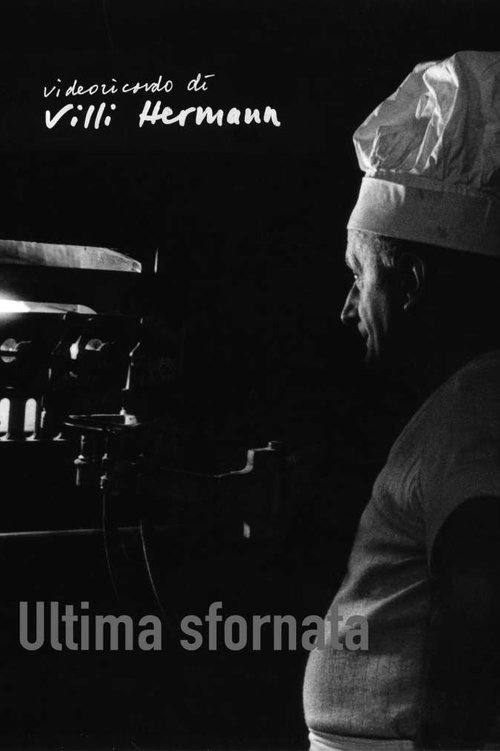
En faisant de l’ordre durant le confinement en 2020, j’ai retrouvé des photos que j’avais prises lors d’une nuit passée avec le boulanger de mon village peu avant la fermeture définitive de l’épicerie-boulangerie, en 1992. J’ai étalé les photos sur la table de notre cuisine et les ai filmées avec mon smartphone. A partir de cette esquisse, j’ai créé avec trois amis, eux aussi confinés chez eux, un film totalement virtuel.
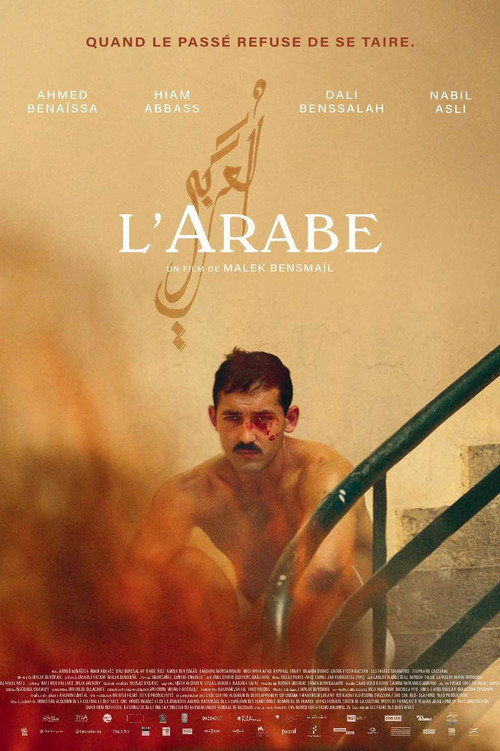
Haroun est un vieux célibataire, vivant depuis quelques années à Oran. Il mène une vie de reclus jusqu'au moment où il rencontre Kamel dans un bar. Il lui confie être le frère de "l'Arabe", tué dans une histoire rapportée par l'un des romans les plus célèbres du XXème siècle : L'Étranger d'Albert Camus. Un "Arabe" qui avait pour nom effacé Moussa…
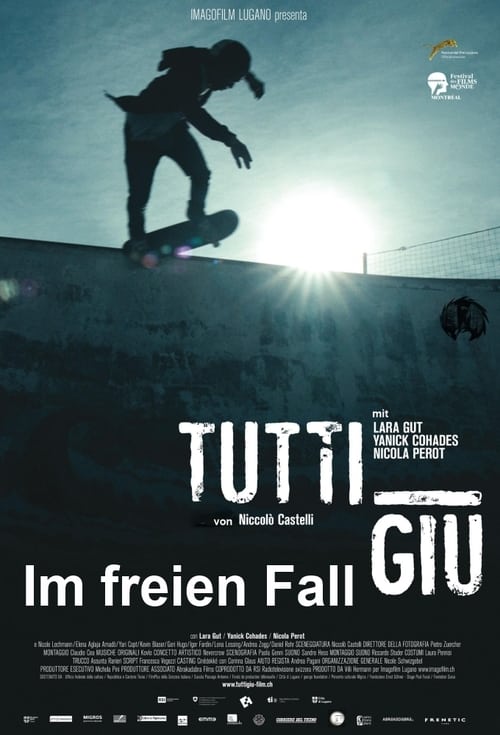
Jullo, Edo et Chiara sont trois jeunes parmi des milliers, qui ne vivent que pour le sport. Jullo s'éclate en skateboard, Chiara conquiert le monde en skis, Edo est un pulvérisateur. Ils vont vivre des émotions multiples : peurs, rêves, surprises, solitude, insécurité, attentes, déséquilibre. Jusqu'à ce «clic» qui mène inexorablement à l'âge adulte
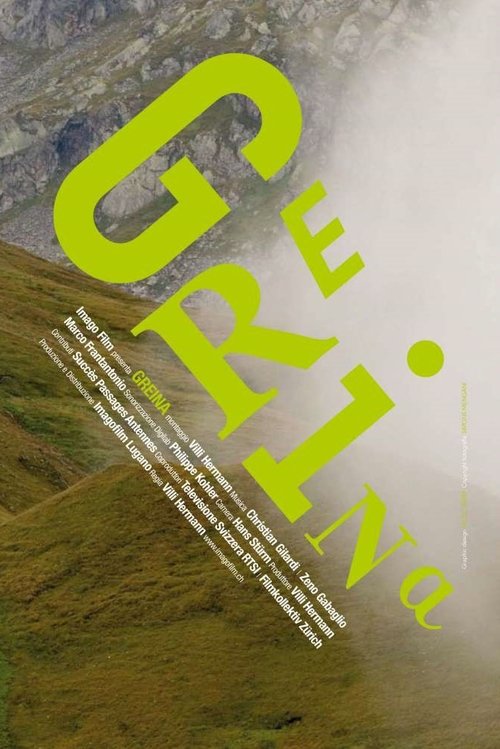
Durant la courte saison estivale, Giovanni Boggini, originaire d’Aquila (Val de Blenio –Tessin, Suisse), mène paître ses vaches à l’alpage. Nous sommes sur l’Alpe de la Greina, vaste plateau (2200m) qui relie le Tessin aux Grisons. C’est la dernière année que ce montagnard suisse produit son fromage et son beurre de façon traditionnelle, dans une chaudière à bois. Il lui a ensuite fallu "se moderniser pour se conformer aux directives européennes". Passage avec Giovanni Boggini dans son laboratoire blanc, qui, avec son carrelage étincelant et ses objets luisants, fait penser à un laboratoire pharmaceutique de haute technologie. Notre montagnard n’accepte qu’avec scepticisme le port obligatoire d’un bonnet stérile et autres contraintes du genre.
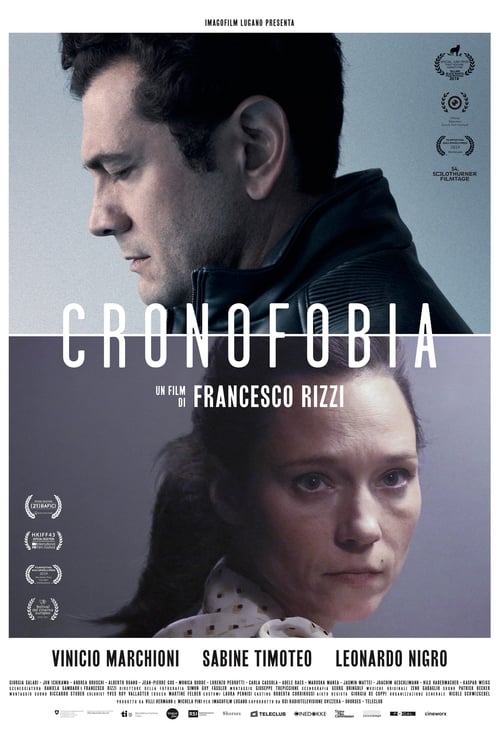
Un homme mystérieux en mouvement constant, en fuite de soi-même. Une jeune veuve au caractère rebelle, qui refuse d'entreprendre le chemin du deuil. Deux différentes solitudes qui se rencontrent dans un drame psychologique sur l'identité suspendue. La chronique passionnée d'un amour impossible.
Passionnée d’escalade, Allegra survit à un attentat terroriste qui coûte la vie à trois de ses amis. Anéantie, rongée par la culpabilité et la haine, elle n’est plus elle-même. Ses proches sont démunis face à sa souffrance. Pour retrouver confiance et amour elle doit entreprendre un parcours escarpé et se remettre en question. Elle croise Arad, un jeune réfugié du Moyen-Orient, ce qui la mène à une rencontre-affrontement avec l’Autre.
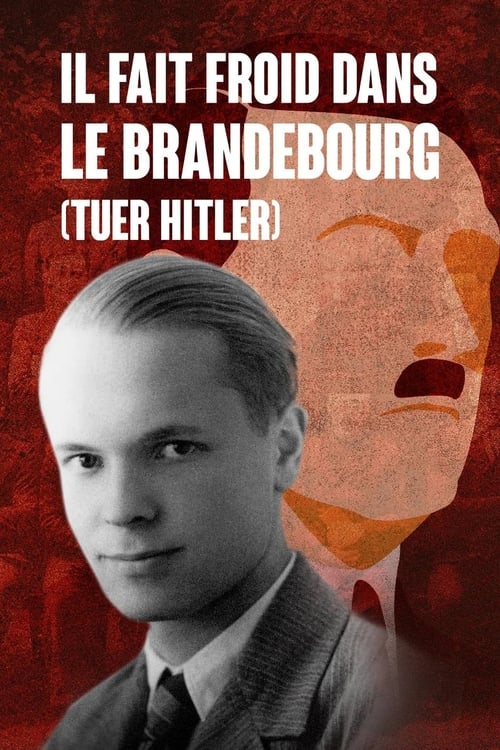
Maurice Bavaud est né à Neuchâtel le 15 novembre 1916. Condamné à mort le 18 décembre 1939 par le "Volksgerichtshof" de Berlin, il a été décapité le 14 mai 1941 à la prison de Berlin-Plötzensee. Le personnage de Maurice Bavaud n’à jamais fait partie de la conscience collective. Seul Rolf Hochhuth, en 1976 dans un discours à Bâle, intitulé Tell 38 a fait connaître le cas de Maurice Bavaud au grand public. Ce sont ces analyses qui ont poussée Villi Hermann, Nicolas Meienberg et Hans Stürm à rechercher les traces de Maurice Bavaud.
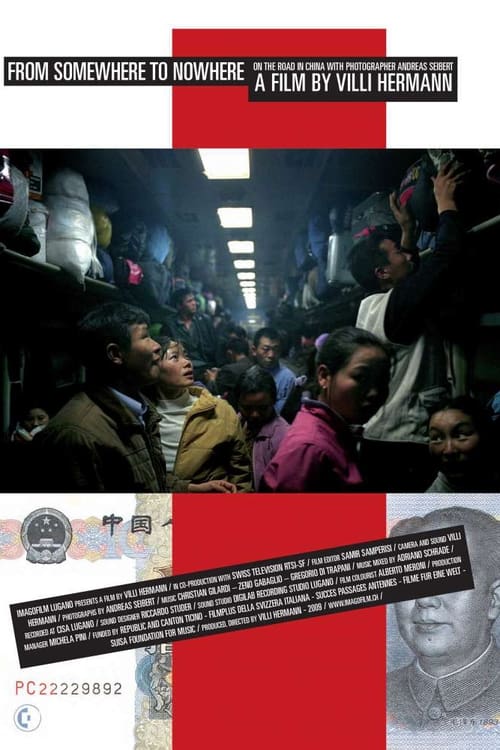
Le cinéaste Villi Hermann fait trois voyages en Chine, en 2006, 2007 et 2008 avec Andreas Seibert, un photoreporter suisse qui vit à Tokyo et travaille pour de grandes revues internationales… Andreas Seibert capte des histoires de la vie quotidienne d’une Chine qui change de façon fulgurante. Depuis plusieurs années il s’intéresse au problème des migrants de l'intérieur (les «mingong»), en effet 150 millions de paysans quittent les zone rurales pour les mégalopolis.
Entre 1954-1962, de cent à trois cent jeunes Français refusèrent de participer à la guerre d’Algérie. Ces réfractaires, soldats ou appelés étaient non-violents ou anticolonialistes. Certains se réfugièrent en Suisse où des citoyens suisses leur vinrent en aide, alors qu’en France ils étaient condamnés comme traîtres à la patrie. En 1962, quelques mois après l’Indépendance, Villi Hermann se rendit dans une région dévastée par la guerre proche de la frontière algéro-marocaine, afin d’aider à la reconstruction d’une école. En 2016 il est retourné en Algérie et a retrouvé ses anciens élèves. Il a aussi rencontré des réfractaires français, habitant aujourd’hui en France ou en Suisse.
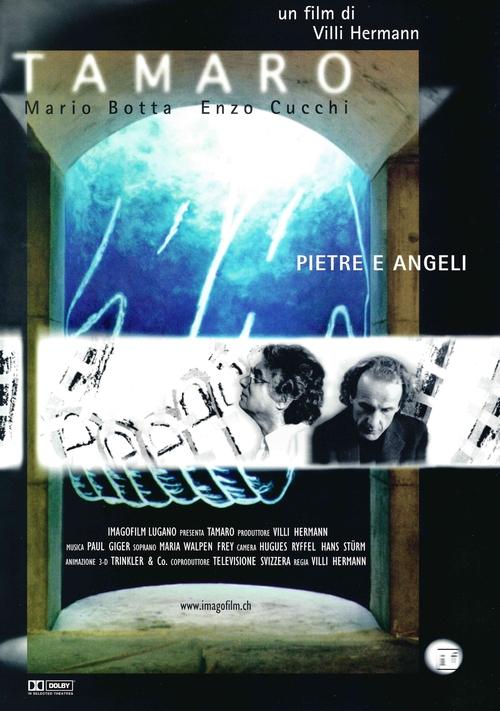
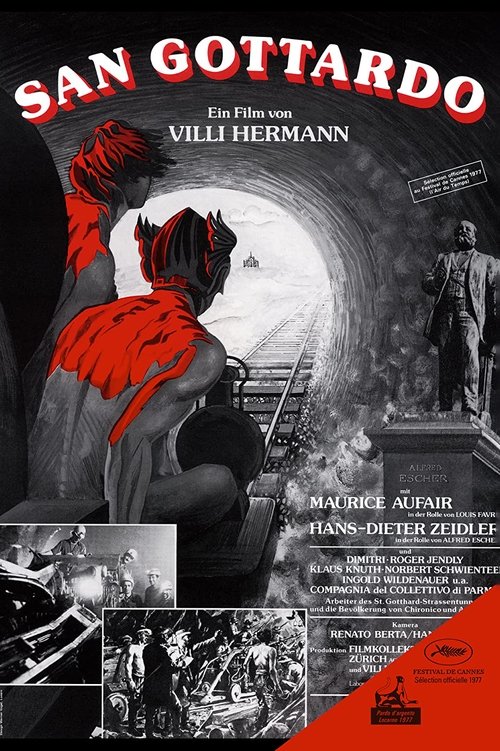
Un film sur l'émigration, l'exode provoqué par la construction des deux tunnels - le tunnel ferroviaire (1872-1882) et le tunnel routier (1969-1976). Les gens migrent d'un pays à l'autre, d'une civilisation à l'autre, et des mœurs et coutumes différentes sont confrontées les unes aux autres. Le film se déroule entre l'inauguration de deux monuments : il commence par l'inauguration du monument dédié aux ouvriers du tunnel à Airolo et se termine par l'inauguration du monument Escher dans la Bahnhofstrasse de Zurich. Entre les deux inaugurations, le film dépeint l'essence de ce qui se cache derrière la toile de voile.
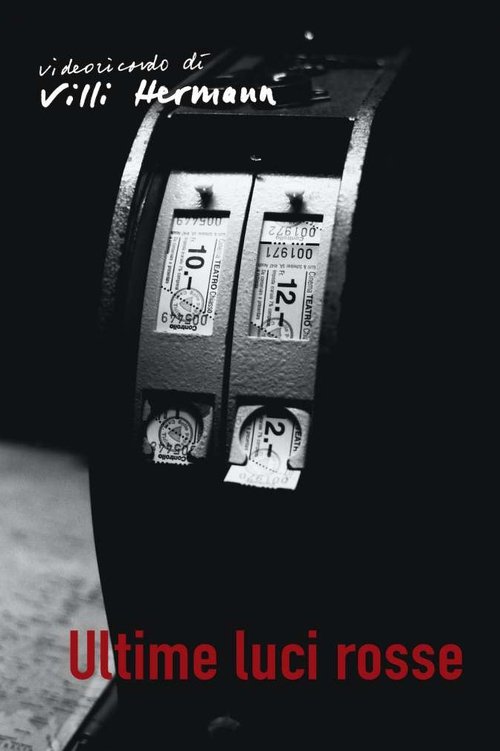
En 1993 le cinéma Teatro de Chiasso cessait son activité en tant que cinéma porno. J’ai photographié avec mon Leica caché sous le manteau la dernière séance du dernier film X programmé. Durant le confinement j’ai retrouvé les photos, je les ai étalées sur une table et les ai filmées avec mon smartphone. A partir de cette esquisse, j’ai créé un film virtuel en travaillant à distance avec des amis. Pour moi qui ai commencé mon activité avec la pellicule, c’était un nouveau pari.
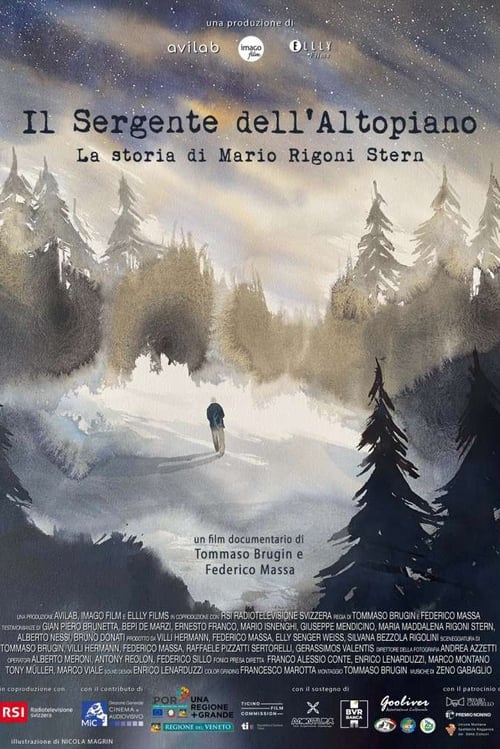
Un voyage entre présent et passé, riche de témoignages et de réflexions à raconter sur l'écrivain Mario Rigoni Stern (1921-2008). Au cours d'une journée imaginaire, de l'aube à la nuit étoilée, sa voix, extraite d'une vaste archive, évoque les années de guerre et d'emprisonnement. Le sergent des troupes alpines, rentré chez lui, est devenu au fil du temps le gardien du plateau d'Asiago.