Camera
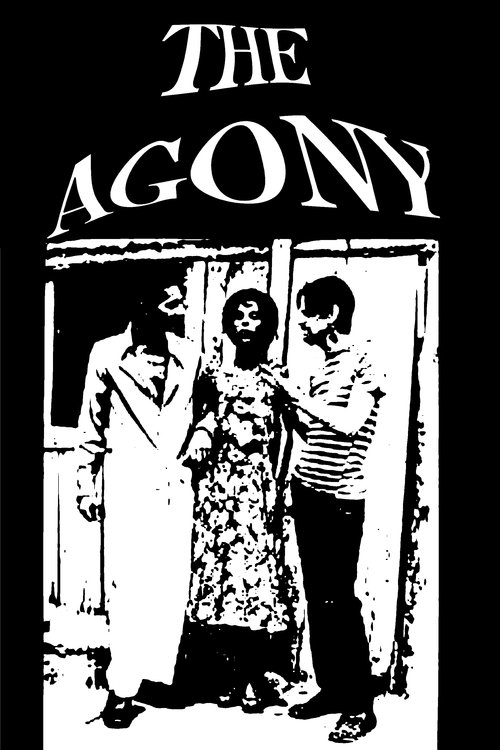
Cropped hair, a rosemary branch behind the ear, yellow shirt of shiny satin, he's behind the wheel of his car when passing by a woman who walks by the roadside. Strongly painted lips, printed dress with round skirt and red shoes matching the color of the lipstick, she catches his attention. He gives her a ride, the two of them stare in silence for a few moments. They introduce themselves to one another and between the two establishes an absurd dialogue and full of metaphors. And they are driving around in corners of Rio de Janeiro, to the sound of Noel Rosa and Lamartine Babo. Eva and Antena, she a seer, he, an assassin on the run, initiate an unusual case of love, a marginal love, where boredom often gives way to tragedy, creating the agony of a holiday spent in an abyss.
Based on the life of the player Afonsinho, who was banned from playing football for growing his beard and hair and refusing to cut them. Fighting for his rights, the player managed to become the owner of his own transfer rights, that is, he obtained a "free transfer". From this incident, the film examines labor relations in Brazilian football.
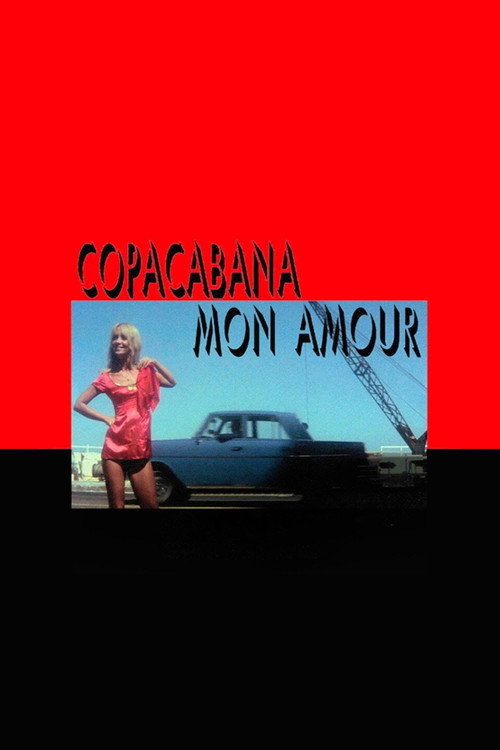
Sônia and her homosexual brother are both believed by their mother to be possessed by the devil. She works as a prostitute in the streets of Copacabana and he’s a servant who falls madly in love with his employer.
It is a film about the deep Brazil, not Brazil as a society, state or experience; it is a film about a geological, prehistoric and pre-logical Brazil. The adventures of the Caribbean monster, its wanderings along a virgin beach evoke, before Brazil, the artistic wanderings of a filmmaker in constant friction and, why not say, struggle against the mommy-daddy cinema, produced without taste, without joy and without adventure.
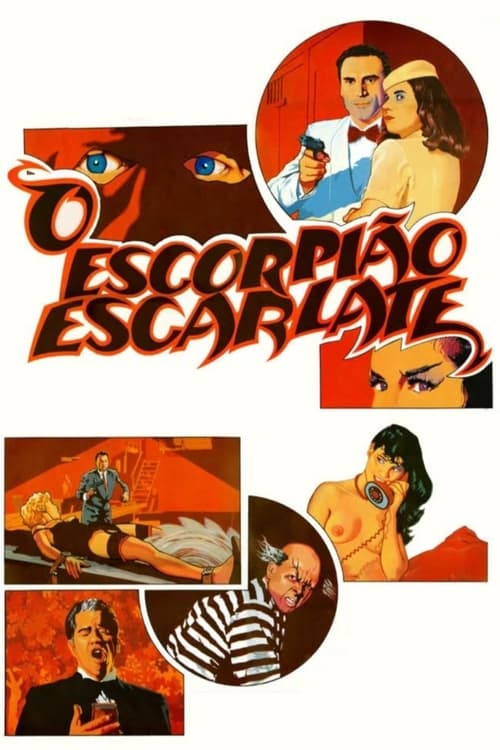
Anjo, a millionaire playboy who moonlights as a crime fighter, leaps into action when his arch-nemesis, the Scarlet Scorpion, kidnaps a beautiful fashion designer.
Daily scenes of a grotesque family living in the metaphorical island of Babaloo.
No description available.
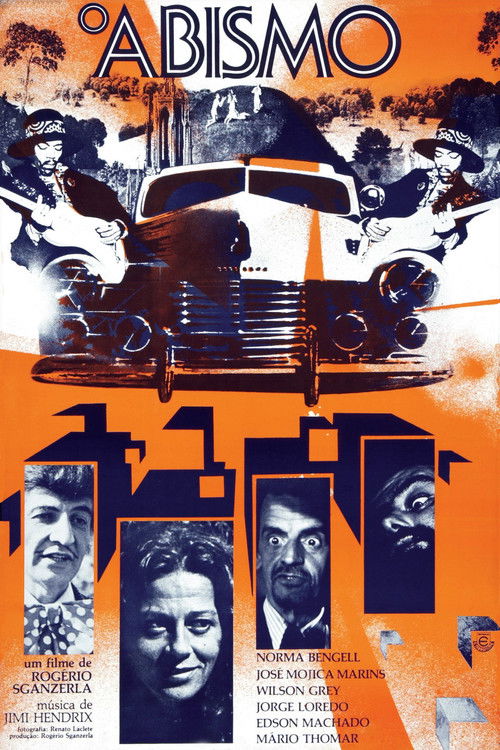
Man tries to decipher a manuscript about an ancient civilization and gets involved in strange situations. In fact, the plot is just an excuse to tackle the subjects of mysticism and human condition.
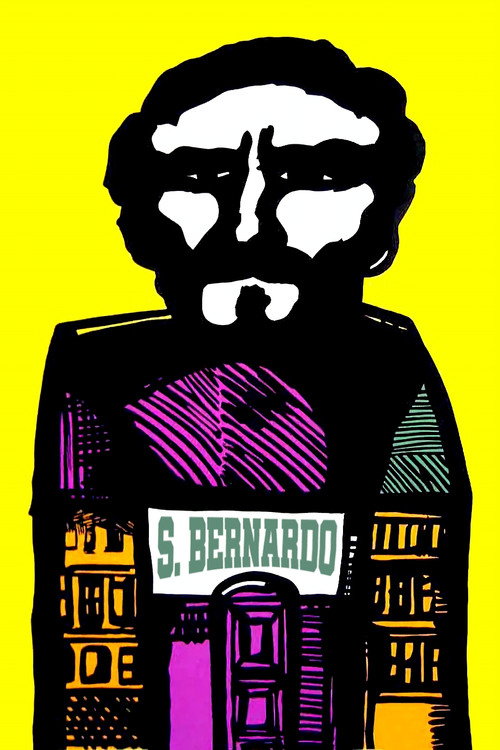
The story of Paulo Honório, a poor ploughman who becomes a rich farmer. Obsessed by his desire to get even richer, he doesn't pay much attention to his wife, Madalena, a teacher who reacts against his tyrannical ways.
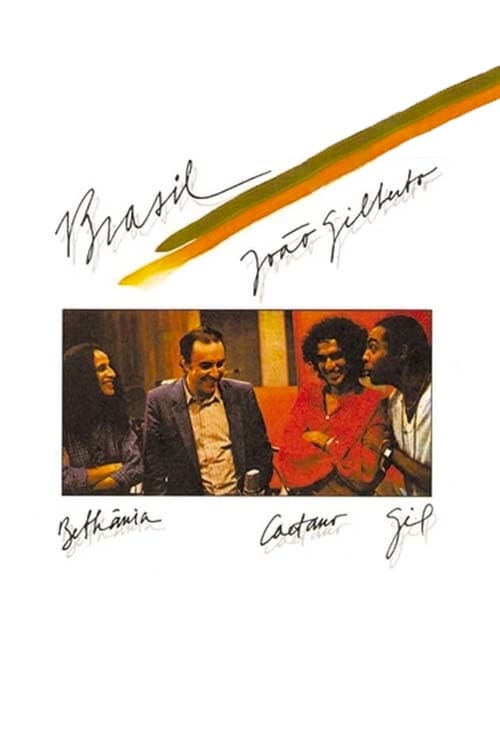
João Gilberto receives Caetano Veloso, Gilberto Gil and Maria Bethânia during the recording of his album Brasil.
A dysfunctional family, composed of a prostitute and two gay men, one strong and the other fragile and stupid, lives a routine life in Rio de Janeiro. When the slut threatens the other two to stop supporting them, they decide to find an odalisque as an alternative to keep their easy life.
A caboclo's soul wanders through purgatory (or hell), visiting many places until he boards a ship whose destination is unknown.
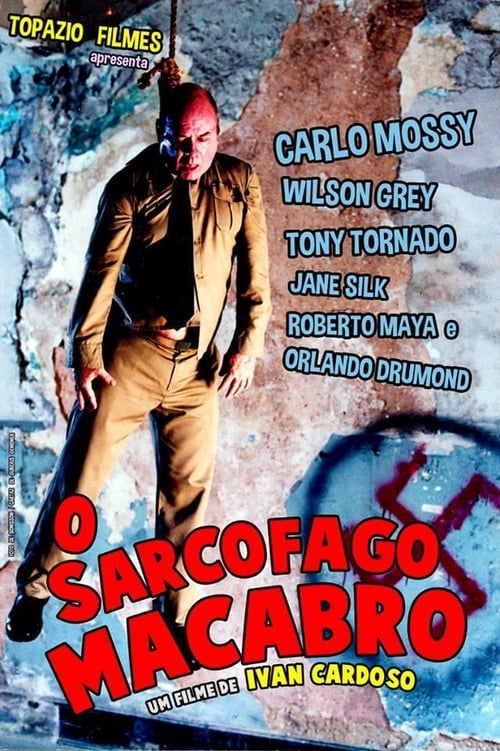
A CIA agent discovers a document about a Brazilian crazy scientist that transformed dead Nazis, including Adolf Hitler, into mummies.
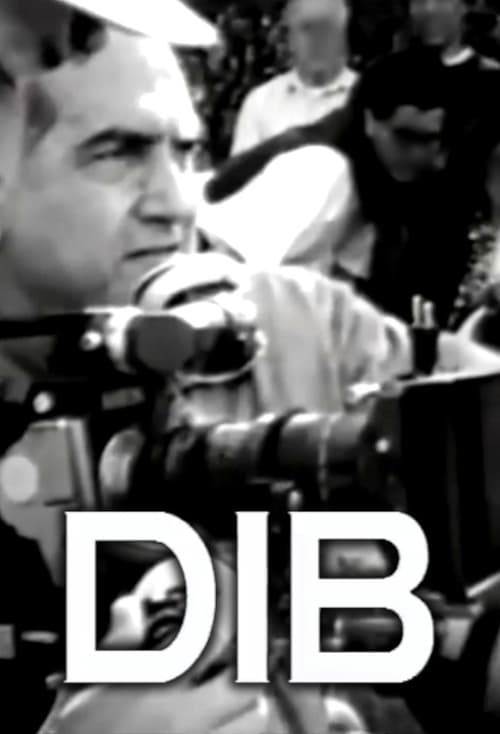
Documentary that addresses, through the testimony of directors and actors, the work of Dib Lutfi, considered one of the greatest photographers of Brazilian cinema.
A film portrait of Jose Mojica Marins.
Bressane’s first color film, shot in the home of the artist Elyseu Visconti. Part of it is missing sound and final editing because the director was forced to leave Brazil. Horror and humor to deal with the subject of insanity: “In the end everyone leaves the house as though they were laboratory mice escaping, they invade the city and contaminate the world”. “If we talk about horror, this film deals with national horror, with Mojica Marins as an emblem. There might be a few touches of Corman and English horror, but it is another level of horror. What transformed the film was the location where we were shooting, the house of a 19th century painter, a receptacle of light. When I arrived and saw that house, that light, I said: ‘This is the film. This is the horror’. The meaning of the film, its appeal, derives from this laboratory of light” (J. Bressane). — Torino Film Festival
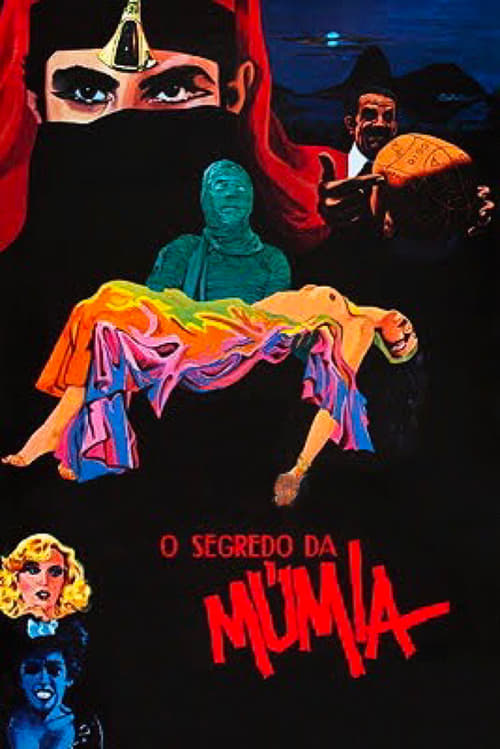
A mad scientist attempts to bring an ancient Egyptian mummy back to life.
Manifesto of the Pataxó tribe, with the testimony of the chief José Guajajara, in front of the Monument to Estácio de Sá, where the Tamoios massacre took place in 1567, on the coincident day that celebrates the foundation of the city of Rio de Janeiro, 20 January.
In a movie studio, the actors are getting made up and the crew is waiting to begin shooting the film. Grande Otelo, the bungling "king of the deck", and Marta Anderson, the blond and provocative star of the show, recite in the historical scenario of the chanchadas, the abandoned studios of Cinédia. "The photography is splendid, it is a sort of parallel song, of critique, of parody, of understanding of a certain light typical of Brazilian cinema of the times, already re-created, already stylized. And with the older actors, Otelo, Lewgoy and the others, something very important happened in the artistic perception, seeing again, doing again, it was already a concrete metalanguage" (J. Bressane).