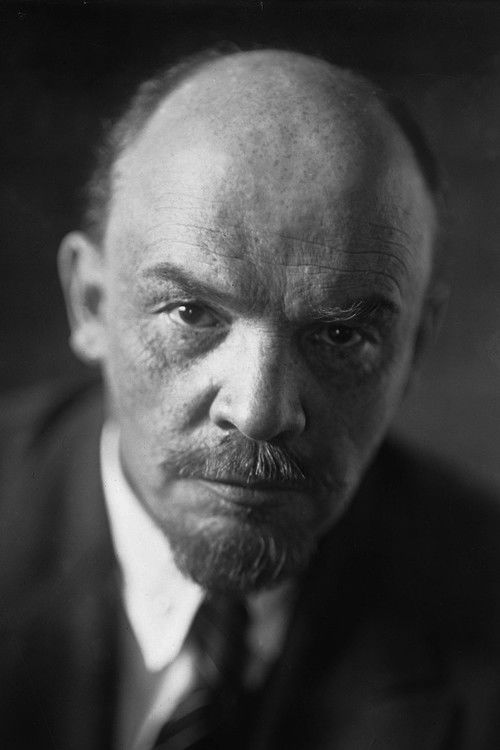
Vladimir Lenin
Acting
Biography
Vladimir Ilyich Ulyanov (22 April 1870 – 21 January 1924), better known by his alias Lenin, was a Russian revolutionary, politician, and political theorist. He served as head of government of Soviet Russia from 1917 to 1922 and of the Soviet Union from 1922 to 1924. Under his administration, Russia and then the wider Soviet Union became a one-party communist state governed by the Russian Communist Party. A Marxist, he developed a variant of this communist ideology known as Leninism. Born to a moderately prosperous middle-class family in Simbirsk, Lenin embraced revolutionary socialist politics following his brother's 1887 execution. Expelled from Kazan Imperial University for participating in protests against the Russian Empire's Tsarist government, he devoted the following years to a law degree. He moved to Saint Petersburg in 1893 and became a senior Marxist activist. In 1897, he was arrested for sedition and exiled to Shushenskoye for three years, where he married Nadezhda Krupskaya. After his exile, he moved to Western Europe, where he became a prominent theorist in the Marxist Russian Social Democratic Labour Party (RSDLP). In 1903, he took a key role in the RSDLP ideological split, leading the Bolshevik faction against Julius Martov's Mensheviks. Following Russia's failed Revolution of 1905, he campaigned for the First World War to be transformed into a Europe-wide proletarian revolution, which as a Marxist he believed would cause the overthrow of capitalism and its replacement with socialism. After the 1917 February Revolution ousted the Tsar and established a Provisional Government, he returned to Russia to play a leading role in the October Revolution in which the Bolsheviks overthrew the new regime. Lenin's Bolshevik government initially shared power with the Left Socialist Revolutionaries, elected soviets, and a multi-party Constituent Assembly, although by 1918 it had centralised power in the new Communist Party. Lenin's administration redistributed land among the peasantry and nationalised banks and large-scale industry. It withdrew from the First World War by signing a treaty conceding territory to the Central Powers, and promoted world revolution through the Communist International. Opponents were suppressed in the Red Terror, a violent campaign administered by the state security services; tens of thousands were killed or interned in concentration camps. His administration defeated right and left-wing anti-Bolshevik armies in the Russian Civil War from 1917 to 1922 and oversaw the Polish–Soviet War of 1919–1921. Responding to wartime devastation, famine, and popular uprisings, in 1921 Lenin encouraged economic growth through the market-oriented New Economic Policy. Several non-Russian nations had secured independence from the Russian Empire after 1917, but three were re-united into the new Soviet Union in 1922. His health failing, Lenin died in Gorki, with Joseph Stalin succeeding him as the pre-eminent figure in the Soviet government.
Known For

TV's most-watched history series brings to life the compelling stories from our past that inform our understanding of the world today.
American Experience
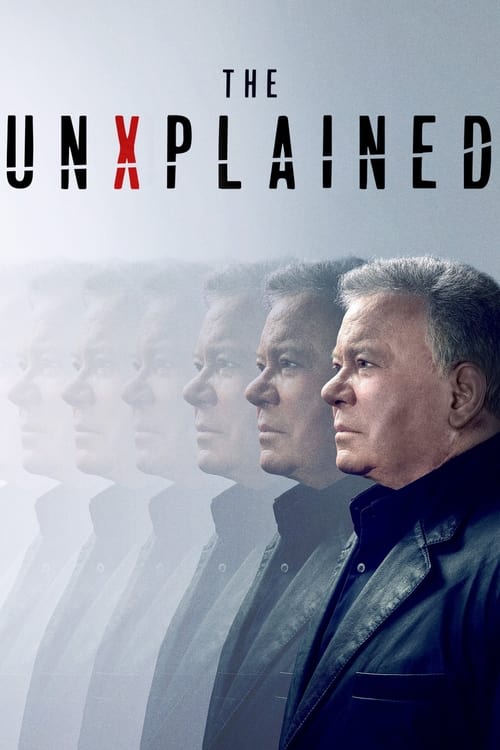
Explore the world’s most fascinating, strange and inexplicable mysteries. Each episode features compelling contributions from scientists, historians, witnesses and experiencers—each seeking to shed light on how the seemingly impossible actually can happen.
The UnXplained
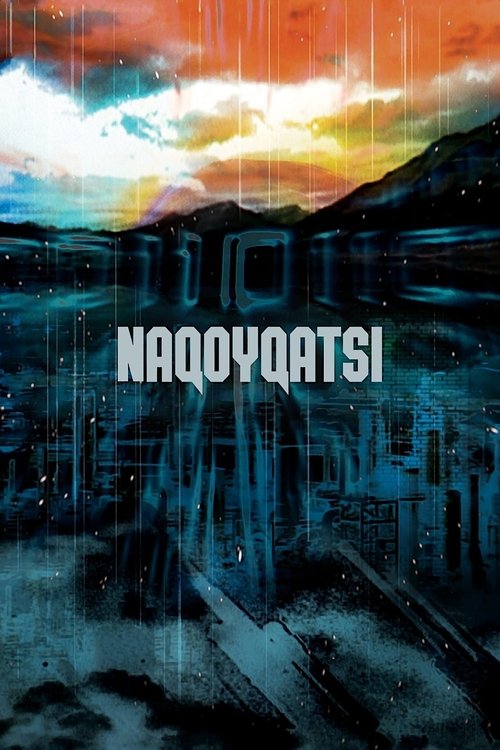
A visual montage portrait of our contemporary world dominated by globalized technology and violence.
Naqoyqatsi
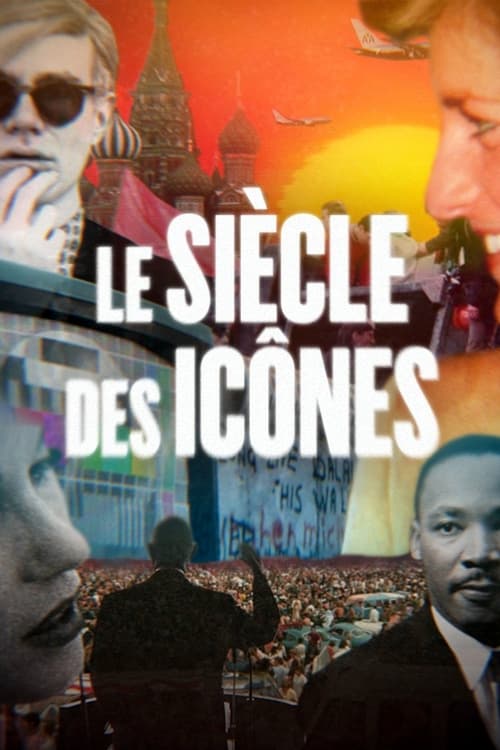
No description available.
The Century of Icons
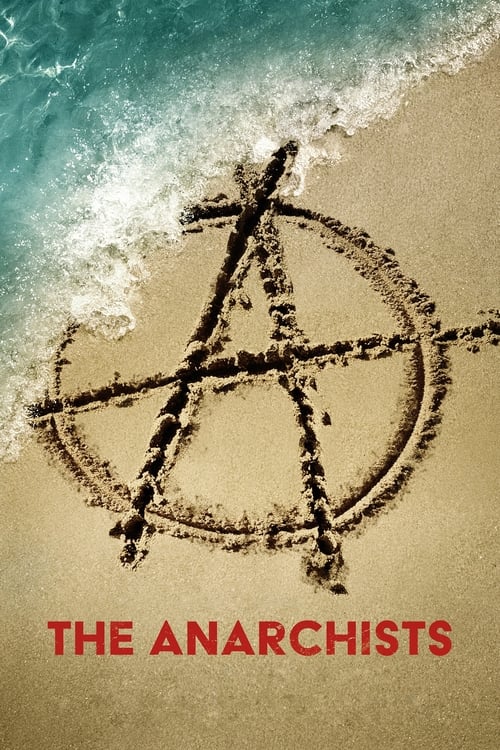
Unfolding over six years, what begins as an impulsive one-off gathering turns into an ever-growing annual event attracting sponsorship from crypto-currency companies and featuring capitalist statist speakers such as Ron Paul and BitCoin investor Roger Ver. And when rule-avoidant "freedom" activists come together in one of the most dangerous cities in the world, incoherent ideology and cognitive dissonance rears its ugly head.
The Anarchists
Communism spread to all of the continents of the word, lasting through four generations and over seven decades. Hundreds of millions of men and women were affected by this political system, one of the most unjust and bloodiest in history. Using newly discovered propaganda films and archival photos, these four episodes explore the mysteries of this totalitarian political machine that lured its share of important followers into the fold. Known as the red church, communism seduced its ardent followers like some earthly religion.
Faith of the Century: A History of Communism
A detailed account of the two millennia of intolerance and persecution suffered by the Jews, from antiquity to the present day.
A History of Antisemitism

Documentary exploring the parallels between 'The Return of the King' and real events and people in history.
Beyond the Movie: The Return of the King
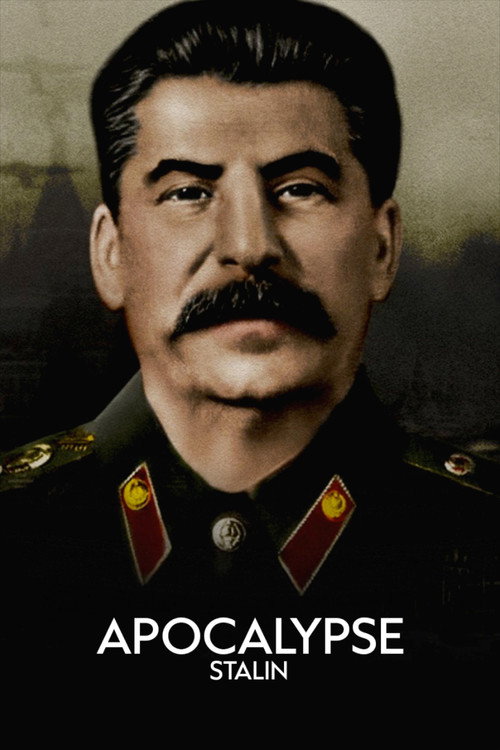
The rise of Stalin, from his early beginning as a bankrobber to the cold-blooded leader of the Soviet Union.
Apocalypse: Stalin
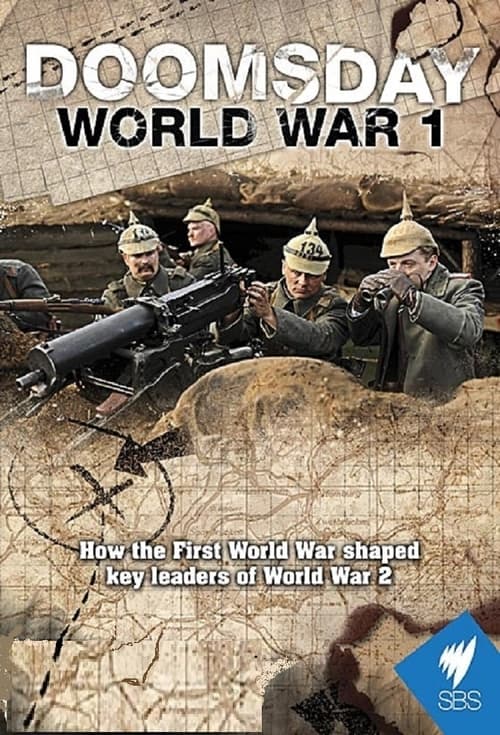
The First World War - carnage on a scale never-before seen. But how did it all start? And how did some key figures of WWII fare in the earlier war?
Doomsday: World War I
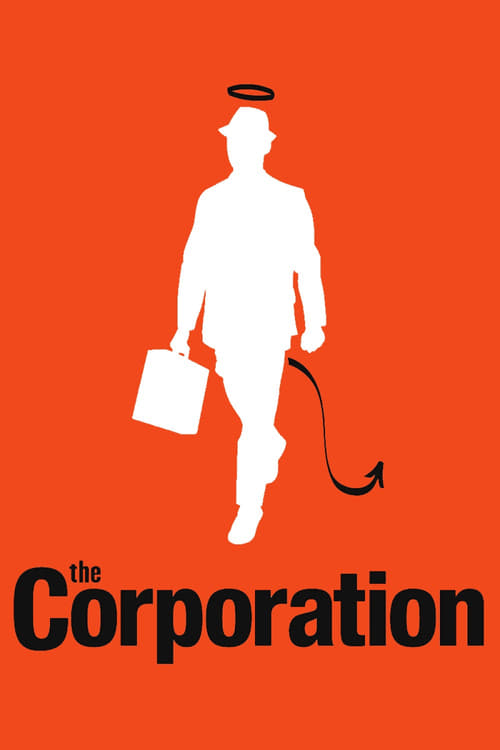
Since the late 18th century American legal decision that the business corporation organizational model is legally a person, it has become a dominant economic, political and social force around the globe. This film takes an in-depth psychological examination of the organization model through various case studies. What the study illustrates is that in the its behaviour, this type of "person" typically acts like a dangerously destructive psychopath without conscience. Furthermore, we see the profound threat this psychopath has for our world and our future, but also how the people with courage, intelligence and determination can do to stop it.
The Corporation
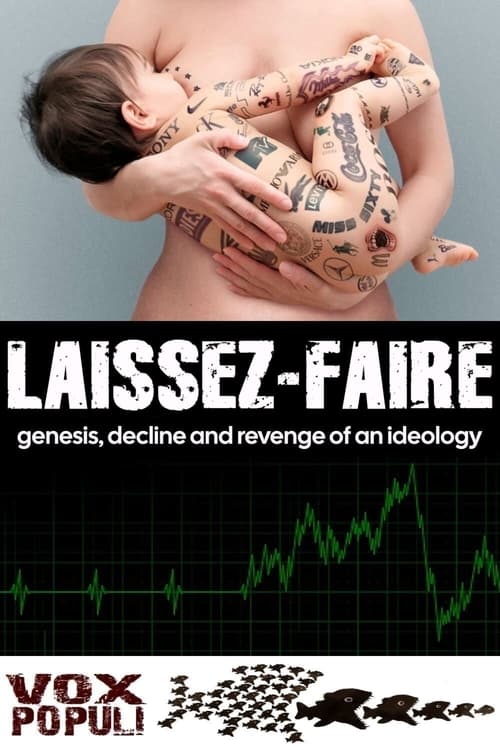
A historical perspective to understand Neoliberalism and to understand why this ideology today so profoundly influences the choices of our governments and our lives.
Laissez-faire
No description available.
Загадки века с Сергеем Медведевым
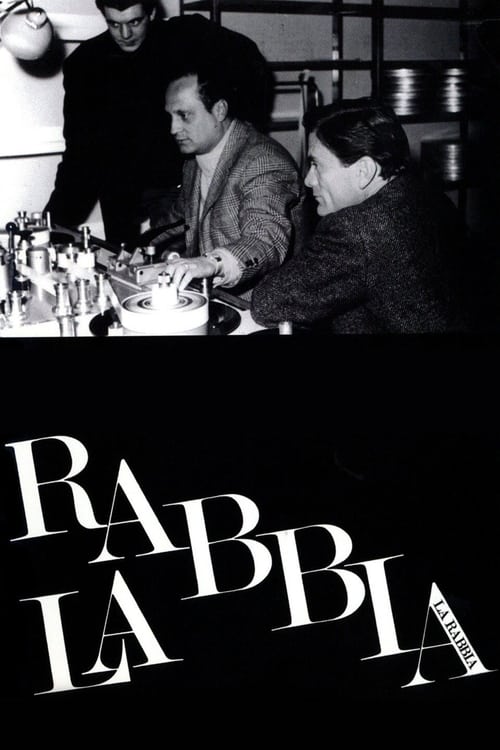
Documentary footage (from the 1950s) and accompanying commentary to attempt to answer the existential question, Why are our lives characterized by discontent, anguish, and fear? The film is in two completely separate parts, and the directors of these respective sections, left-wing Pier Paolo Pasolini and conservative Giovanni Guareschi, offer the viewer contrasting analyses of and prescriptions for modern society. Part I, by Pasolini, is a denunciation of the offenses of Western culture, particularly those against colonized Africa. It is at the same time a chronicle of the liberation and independence of the former African colonies, portraying these peoples as the new protagonists of the world stage, holding up Marxism as their "salvation", and suggesting that their "innocent ferocity" will be the new religion of the era. Guareschi's part, by contrast, constitutes a defense of Western civilization and a word of hope, couched in traditional Christian terms, for man's future.
La Rabbia
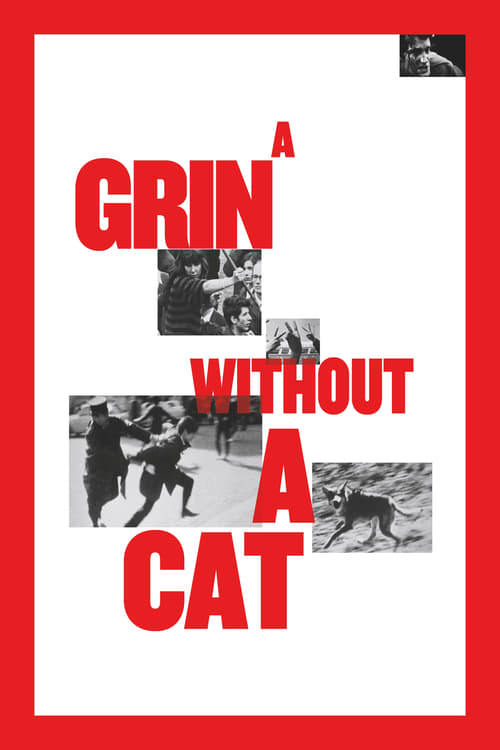
Chris Marker’s A Grin Without a Cat is an epic political essay tracing the rise and decline of the global left from the 1960s to the 1970s. Through archival footage and commentary, the film examines revolutionary movements in France, Latin America, and beyond, reflecting on the ideals, failures, and fading hopes of a generation.
A Grin Without a Cat
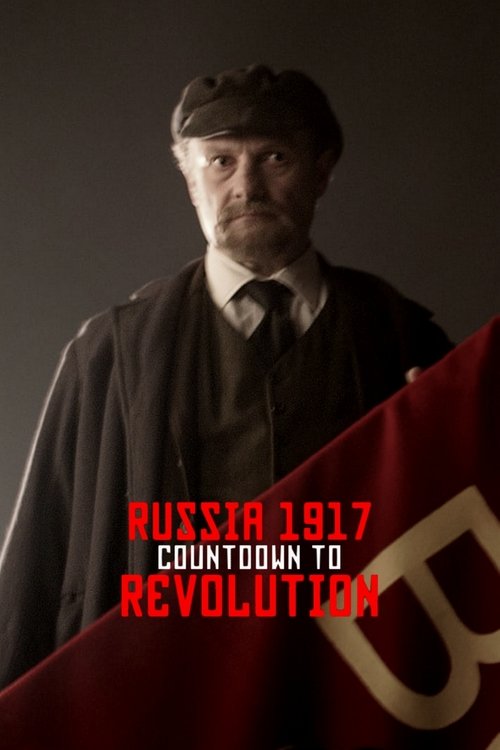
Russia, 1917. After the abdication of Czar Nicholas II Romanov, the struggle for power confronts allies, enemies, factions and ideas; a ruthless battle between democracy and authoritarianism that will end with the takeover of the government by Vladimir Lenin and the Bolsheviks.
Russia 1917: Countdown to Revolution
A chronicle of the Russian Revolution of 1917, from the bourgeois democratic February Revolution to the great socialist October Revolution and the final triumph.
Anniversary of the Revolution
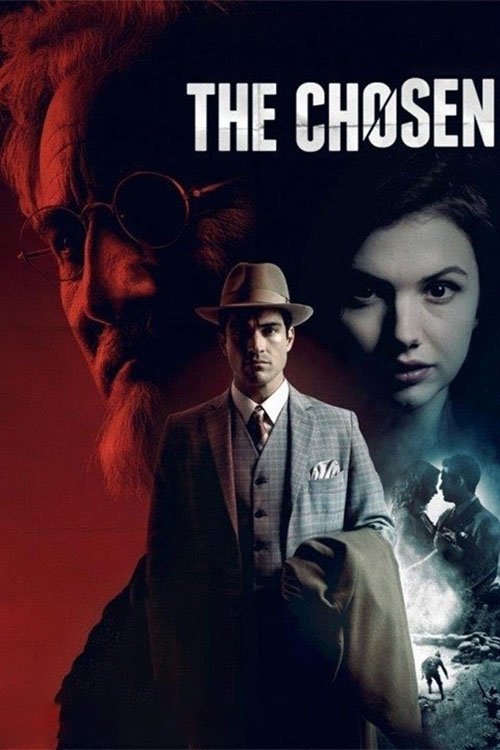
Spain, 1937. Ramón Mercader, a young communist combatant, is recruited and trained by the Soviet intelligence service to participate in a top secret mission ordered by the ruthless dictator Joseph Stalin: the assassination of his former political rival, Leon Trotsky, who is living in exile in Mexico.
The Chosen
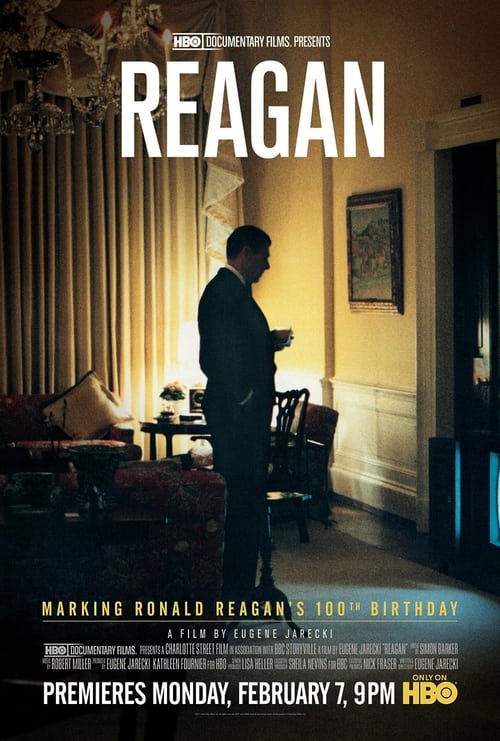
Based on the story of Americas enigmatic career of one of the revered architects of the modern world - icon, screen star, and two-term president, Ronald Reagan.
Reagan
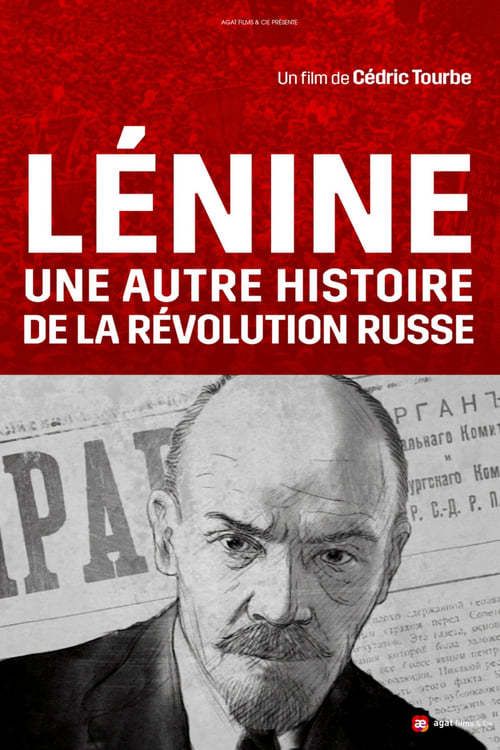
Vladimir Ilyich Ulyanov, better known as Lenin, is remembered as the instigator of the October Revolution of 1917 and, therefore, as one of the men who changed the shape of the world at that time and forever, but perhaps the actual events happened in a way different from that narrated in the history books…