Acting
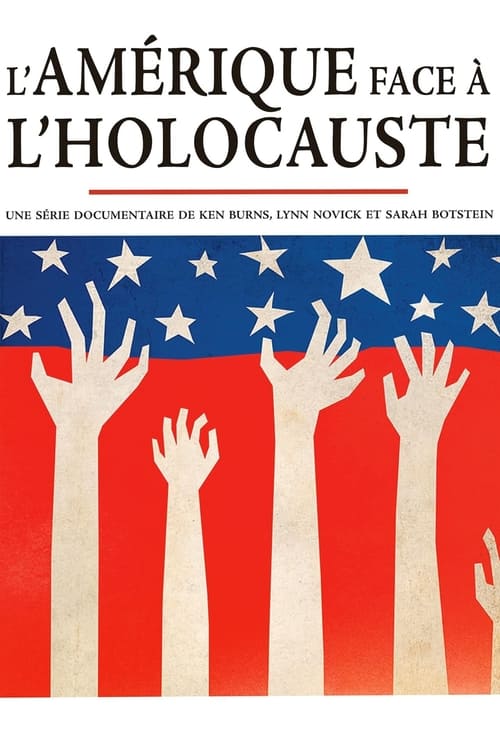
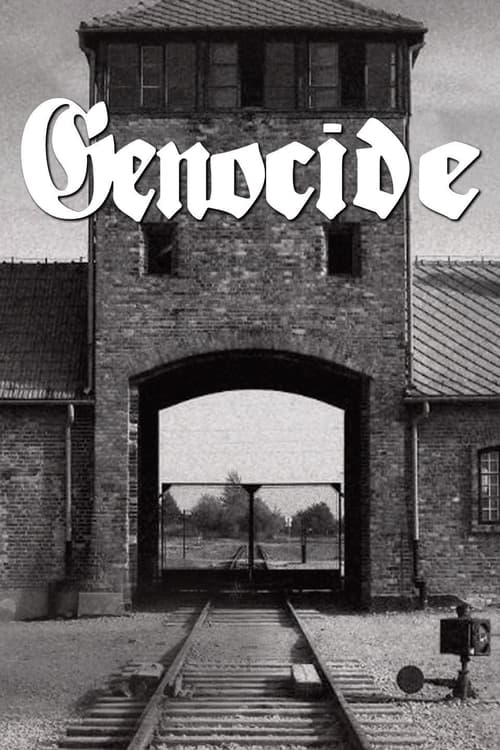
Alors que la catastrophe de l’Holocauste se déroulait en Europe, les États-Unis qui s’étaient toujours considérés comme une « nation d’immigrants » se sont montrés réticents à ouvrir leurs portes à plus d’une fraction des centaines de milliers d’hommes, de femmes et d’enfants désespérés et cherchant refuge. En combinant les interviews de témoins, de survivants de l’Holocauste ainsi que des entretiens avec des historiens et des écrivains de premier plan, la série montre les conséquences humaines tragiques de l’indifférence publique, de la bureaucratie et des lois restrictives sur les quotas en Amérique. Elle dissipe également le mythe selon lequel les Américains ignoraient les persécutions auxquelles les Juifs et d’autres minorités étaient confrontés en Europe.
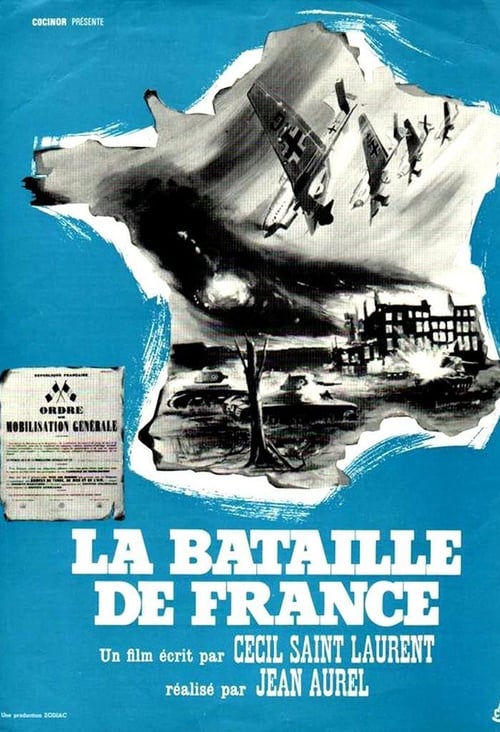
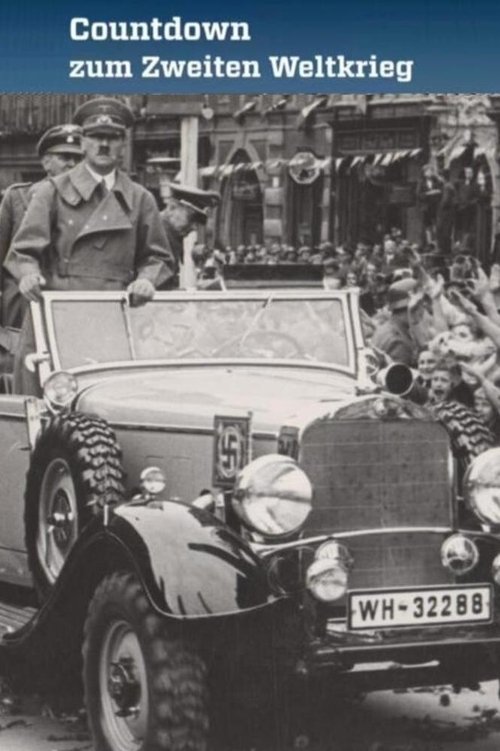
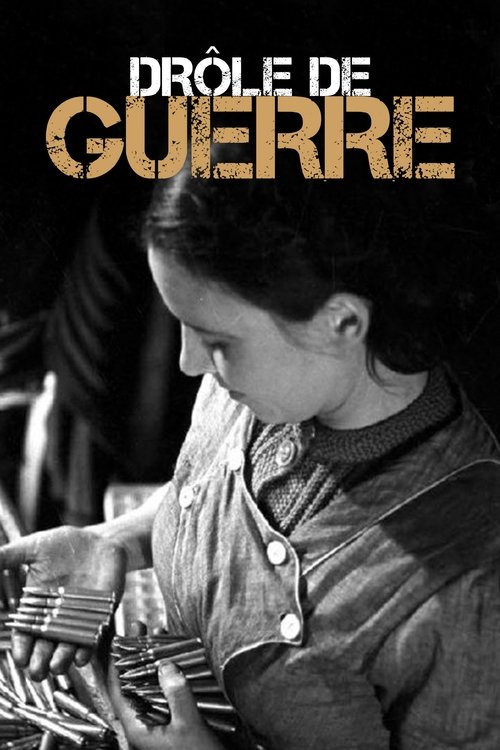
Un montage d’actualités retraçant les événements de la « drôle de guerre ». Une grave crise internationale est provoquée par les ambitions allemandes sur la Tchécoslovaquie. Les Alliés cherchent une issue pacifique au conflit et signent les accords de Munich. La paix semble sauvée mais Hitler se sent définitivement encouragé dans sa politique d'agression par la passivité des Alliés.
Aucune description disponible.
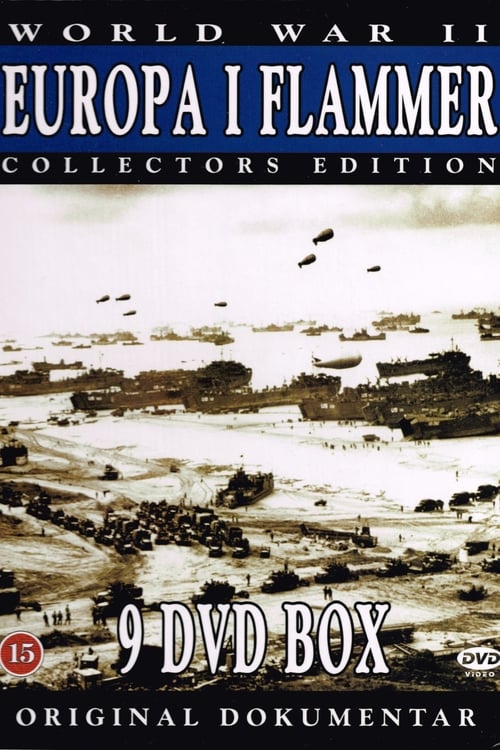
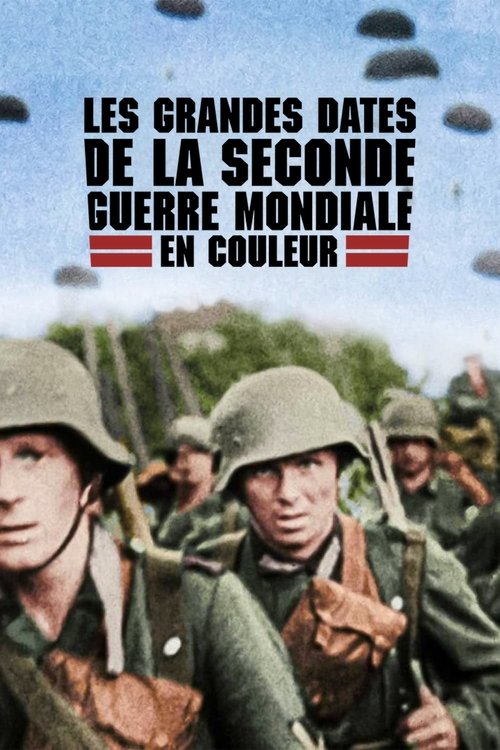
De Pearl Harbor au débarquement, les événements les plus cruciaux de la Seconde Guerre mondiale prennent vie dans ce docu-série frappant présentant des images colorisées.
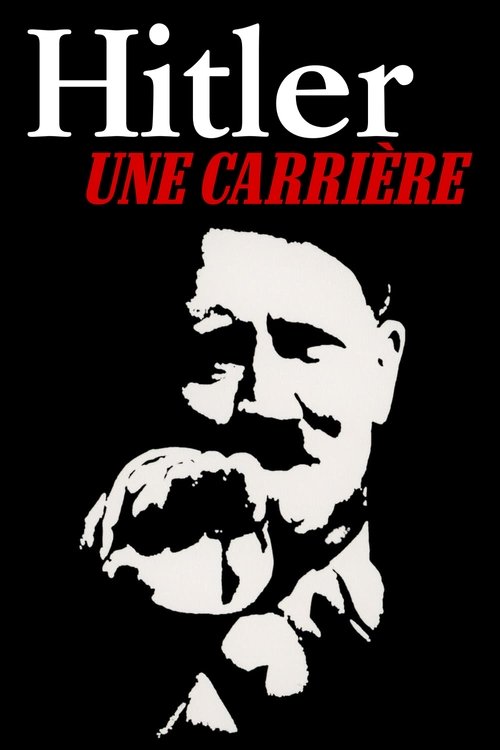
Inspiré du best-seller de l’historien Joachim C. Fest, ouvrage de référence absolu, ce documentaire est uniquement composé d’images d’archives et d’un commentaire fidèle à l’œuvre monumentale de Fest. Il permet de comprendre comment un homme a pu conduire un peuple à commettre l’irréparable et à plonger le monde dans l’horreur…
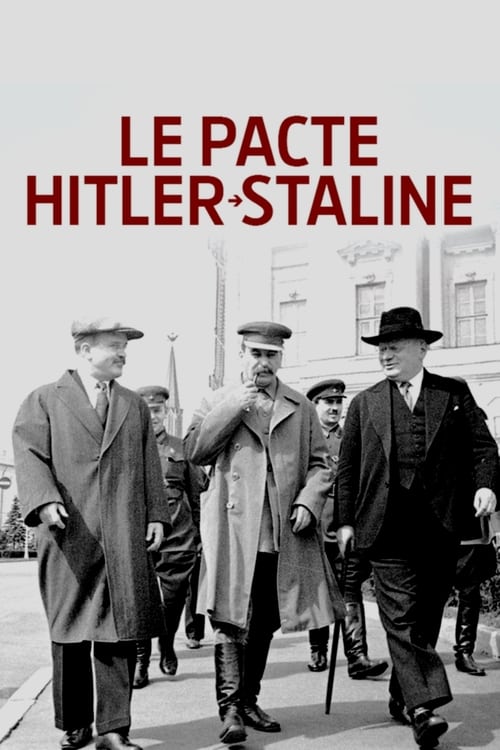
Comment Hitler et Staline, autrefois ennemis jurés, ont-ils pu opérer, en août 1939, un rapprochement destructeur ? La chronique, captivante et détaillée, du fiasco diplomatique qui a conduit à la signature du pacte germano-soviétique, aux conséquences funestes.
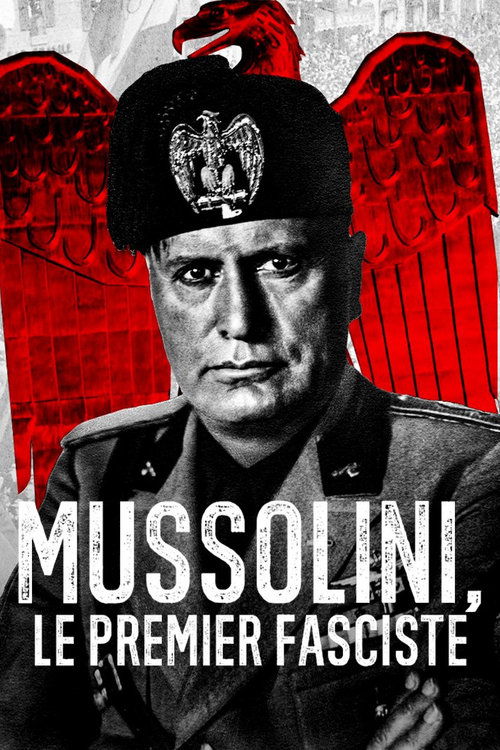
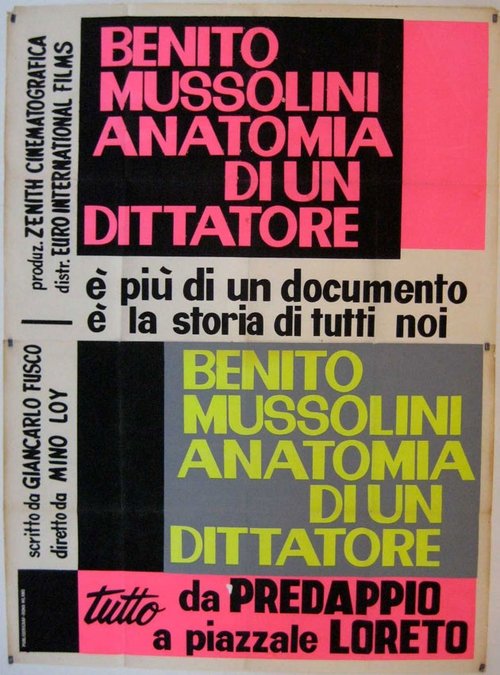
Considéré à tort comme un tyran secondaire par rapport à Hitler, Mussolini entraîna l'Italie dans le sillage de l'Allemagne nazie, pour le malheur de son peuple.
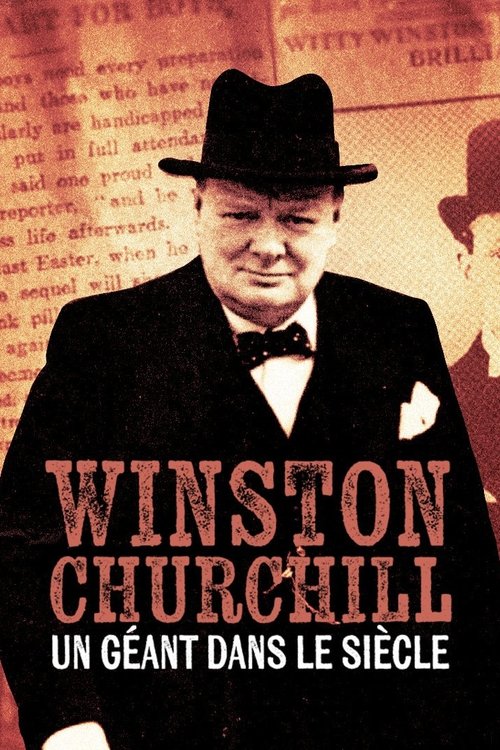
Sauveur de l'Europe, héraut de la civilisation se dressant face à la barbarie nazie puis face au communisme pendant la Guerre froide, chef de guerre infatigable et pugnace, amateur de cigares et de bons mots, buveur exceptionnel, mais jamais ivre, prix Nobel de littérature, peintre à ses heures, oscillant entre euphorie et dépression, Winston Churchill incarne une ardente multiplicité. Il fut l'homme de toutes les contradictions, de tous les coups d'éclat et de tous les échecs. Force de vie, homme de l'éternel rebond, il sut aussi échapper plusieurs fois à la mort. Portrait d'un géant de l'histoire.
Le 3 septembre 1939, à la suite de l’invasion de la Pologne par la Wehrmacht, la France et le Royaume-Uni déclarent la guerre à l’Allemagne nazie. Les mobilisés tricolores rejoignent leurs unités, tandis que les premières troupes britanniques débarquent dans l’Hexagone pour protéger la frontière avec la Belgique. Entre évacuations, distributions de masques à gaz et constructions d’abris, les mesures de protection des populations contre les bombardements (ou « défense passive ») se mettent rapidement en place. Convaincus que le temps jouera en leur faveur, les Alliés se retranchent derrière la ligne Maginot et tentent d’asphyxier le Reich par un blocus maritime.
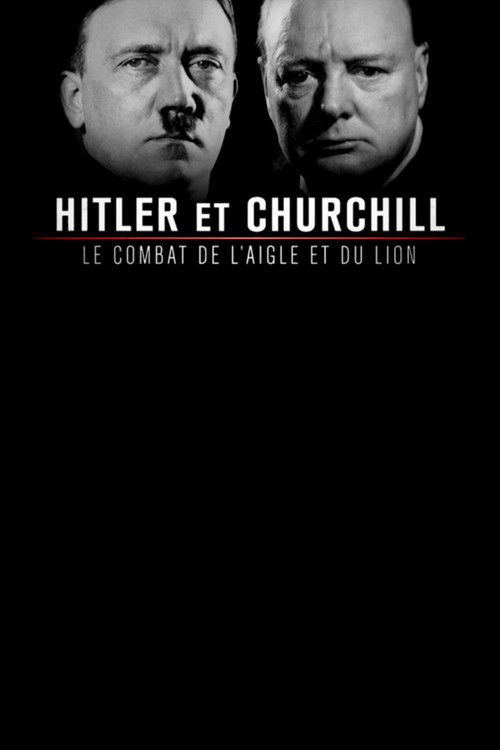
Winston Churchill et Adolf Hitler : le « vieux lion » contre l'aigle allemand. Choc des titans dont l'affrontement au sommet domine le siècle. Et nous rend sensible la vertigineuse contingence de notre Histoire : que serait-il advenu de l'Europe si ces deux hommes avaient été autres ? De 1940 à 1945, ces deux personnalités aux antipodes l'une de l'autre ont consacré chaque minute de leur existence à vouloir s'anéantir mutuellement.