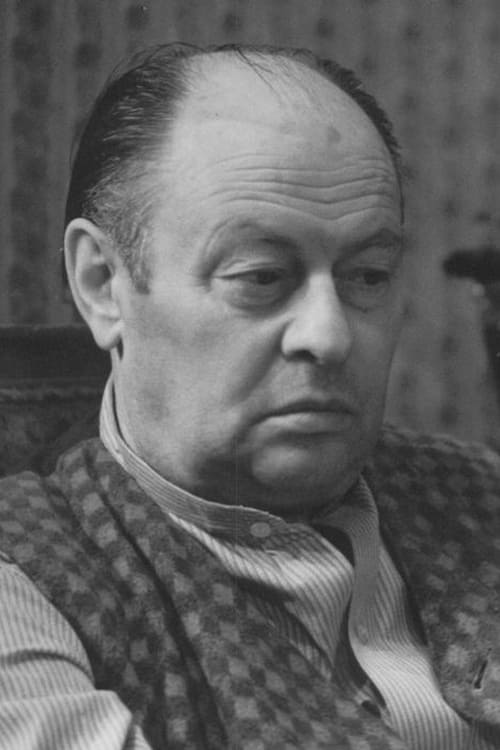
Aleksander Sewruk
Acting
Known For

A series about the adventures of a Polish secret agent, Hans Kloss, who acts as a double agent in the Abwehr during Second World War in occupied Poland.
More Than Life At Stake
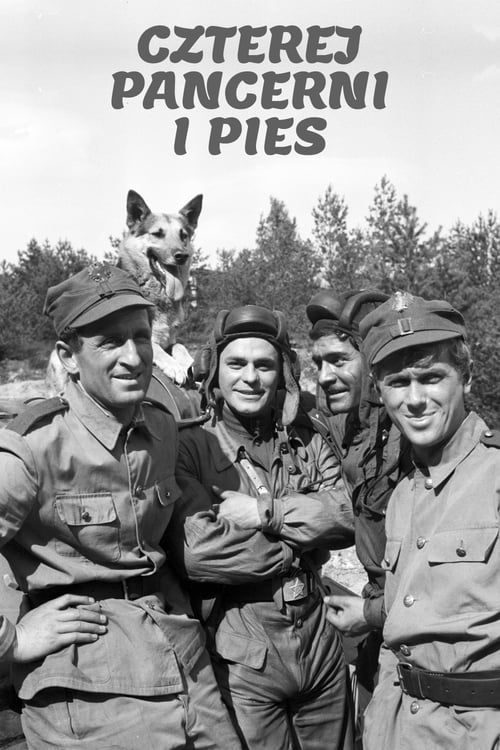
Czterej pancerni i pies was a Polish black and white TV series based on the book by Janusz Przymanowski. Made between 1966 and 1970, the series is composed of 21 episodes of 55 minutes each, divided into three seasons. It is set in 1944 and 1945, during World War II, and follows the adventures of a tank crew and their T-34 tank in the 1st Polish Army. Although both the book and the TV series contain elements of pro-Soviet propaganda, they have achieved and retain a cult series status in Poland, Soviet Union and other Eastern Bloc countries. The T-34 tank Rudy with the identifying number "102", a German Shepherd dog from Siberia Szarik and to a lesser extent the crew Jan Kos, Gustaw Jeleń, Grigorij Saakaszwili, Tomasz Czereśniak, and their commander and mentor Olgierd Jarosz, as well as other heroes of the series, have become icons in Polish popular culture.
Four Tank-Men and a Dog

Polish Fanfan, the first Polish series from the "cloak and dagger" - written about the "black cloud" in the press of the 70's. Axis of the plot became a dramatic episodes of the struggle for the maintenance of the Polish Prussia. They remained in feudal depending on the Republic from 1525, when Albrecht Hohenzollern secularized religious state and filed in Krakow tribute to the Polish king.
Clouds of War
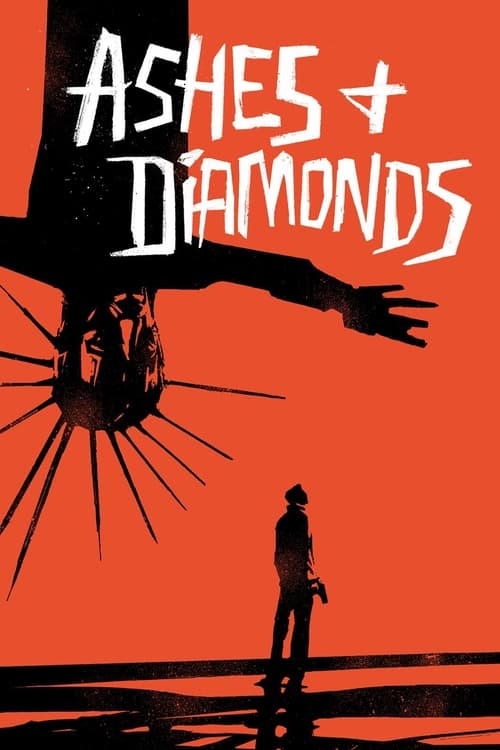
A young academy soldier, Maciek Chelmicki, is ordered to shoot the secretary of the KW PPR. A coincidence causes him to kill someone else. Meeting face to face with his victim, he gets a shock. He faces the necessity of repeating the assassination. He meets Krystyna, a girl working as a barmaid in the restaurant of the "Monopol" hotel. His affection for her makes him even more aware of the senselessness of killing at the end of the war. Loyalty to the oath he took, and thus the obligation to obey the order, tips the scales.
Ashes and Diamonds

Set in the Kalisz Region in the second half of the 19th century after the failure of the January Uprising in 1863, the miniseries presents a unique portrait of an oppressed society as told through the life of the Niechcic family.
Nights and Days
A quarry worker falls in love with a practicing doctor.
Glass Mountain
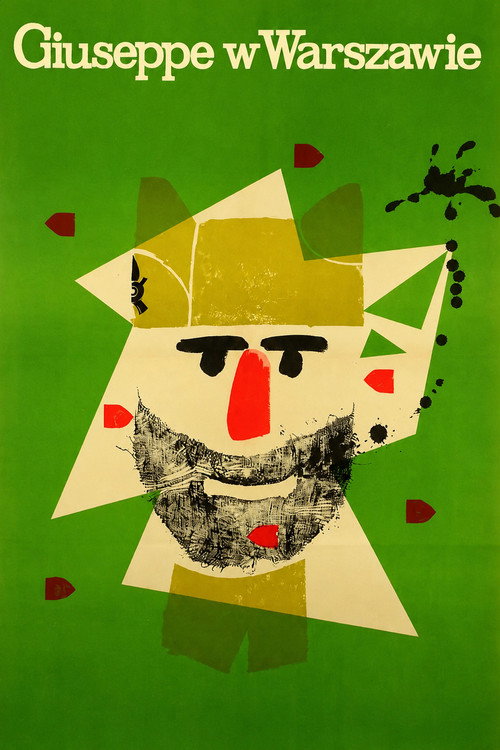
The Italian soldier Giuseppe Santucci, on his way home from the Russian front has his machine gun stolen in Warsaw. Afraid of consequences, he stays in Warsaw and occupies a flat of the Polish girl Maria, whom he suspects of stealing weapon. Maria indeed is an active member of the Polish resistance, contrary to her brother, Staszek, a painter, who only wants a calm living. In a course of events Giuseppe falls in love and, along with Staszek, becomes a hero of the Polish resistance.
Giuseppe in Warsaw

Told in flashback as Mieszko lies feverish in his bed just before the Battle of Cedynia, Gniazdo recounts how the revered leader extended Poland's borders, formed an alliance with Emperor Otto I, and ultimately strengthened his country's autonomy by achieving victory during that crucial battle in the year 972.
The Nest

Two strangers, Jerzy and Marta, accidentally end up holding tickets for the same sleeping chamber on an overnight train to the Baltic Sea coast. Also on board is Marta's spurned lover, who will not leave her alone. When the police enter the train in search of a murderer on the lam, rumors fly and everything seems to point toward one of the main characters as the culprit.
Night Train
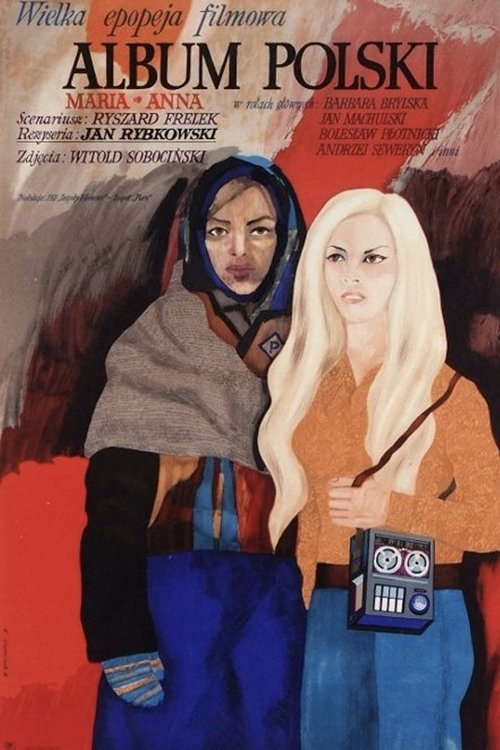
University student Anna and her boyfriend Tomek use a precious photograph to trace and unveil the complex wartime and post-war past of their parents.
Album polski
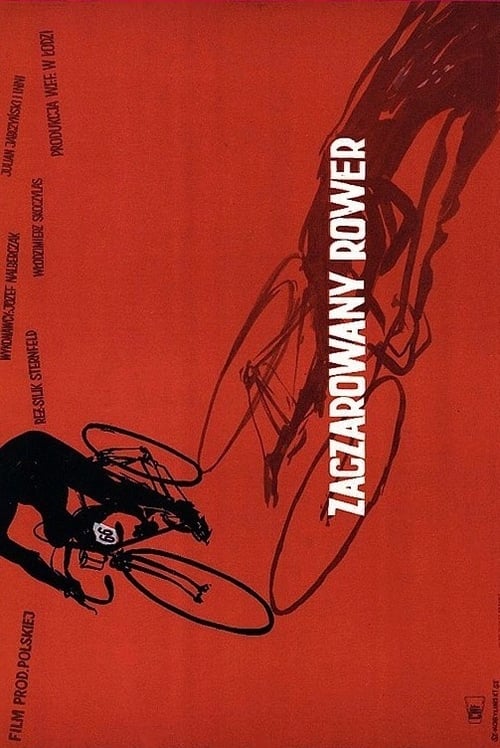
The last stage of the Cycling Race Dookoła Polski: Kielce - Warsaw. The fate of the race is at stake: the Polish team still has a chance to win, it is not far from the leading Hungarian national team, in which great cyclist Haranda rides in the yellow jersey. Only the best Pole - Popiel - can take it from him. But he is a competitor - individualist, unruly and undisciplined ...
Magical Bicycle
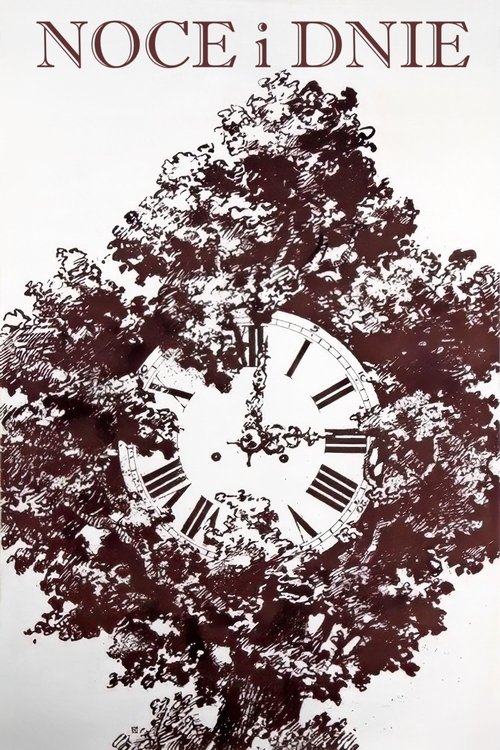
A family saga of Barbara Ostrzeńska-Niechcic and Bogumił Niechcic against the backdrop of the January Uprising of 1863 and World War I. The film is a rather straightforward and faithful adaptation of a novel by Maria Dabrowska with the same title. The plot is woven around the changing fortunes of a noble (upper-class) Niechcic family in the pre-WWI Poland. There are two main crossing threads: a social history one and an existential one.
Nights and Days
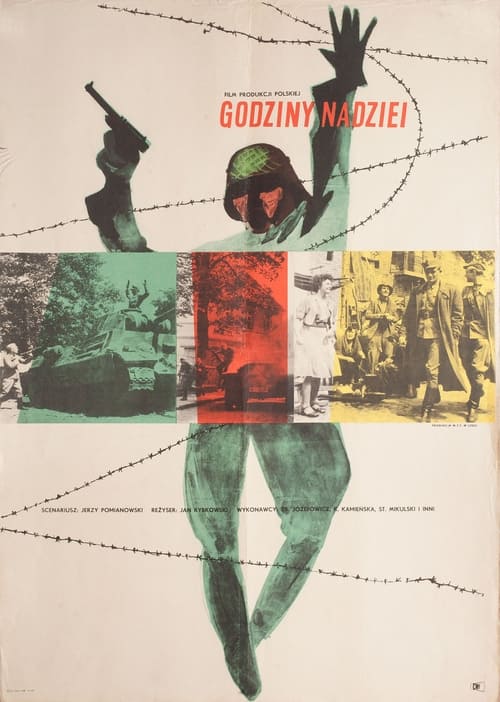
In the last days of World War 2, people of various ethnic background meet in a Polish military hospital in a small German town, whereas a Nazi SS division hides in the local forests and tries to move westwards.
The Hours of Hope
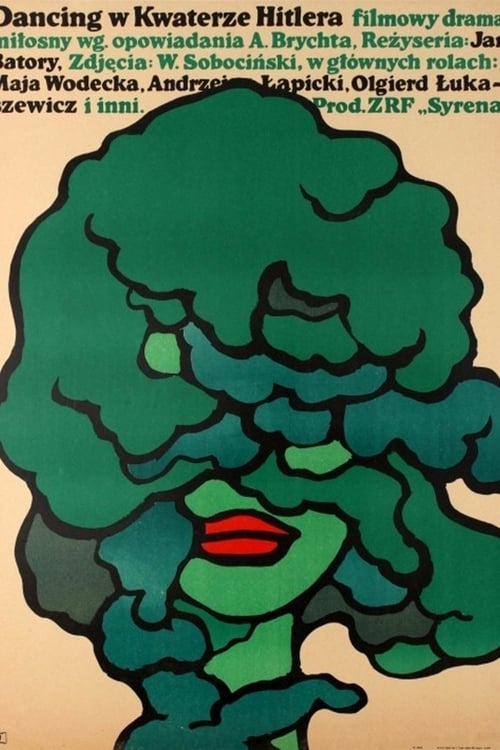
Lives of three people intersect when they meet on a holiday in Mazury.
Dancing at Hitler's Headquarters
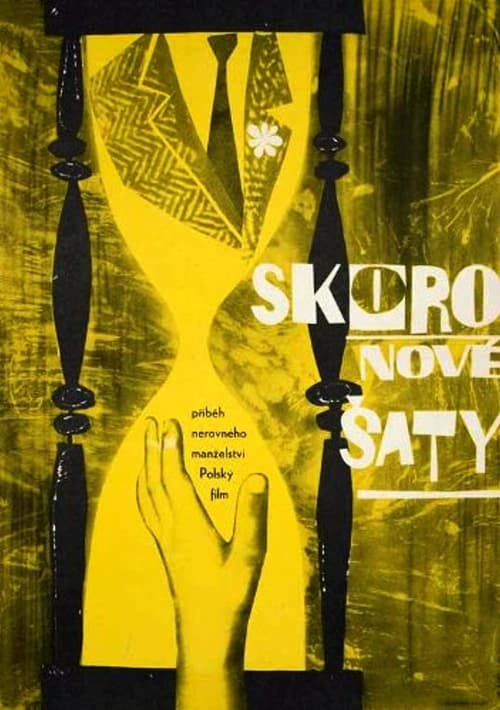
After years of working in the city, Róża returns to the countryside. The property she has accumulated draws the attention of local bachelors.
Ubranie prawie nowe
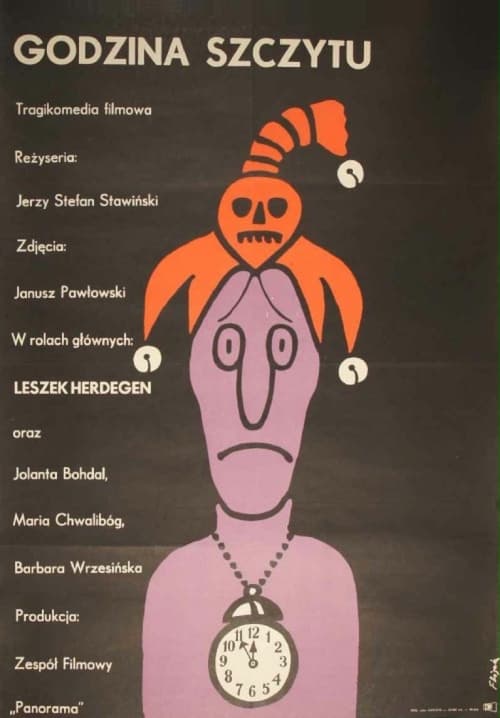
The life of engineer Maksymowicz changes dramatically when he accidentally learns that he is terminally ill.
Rush Hour
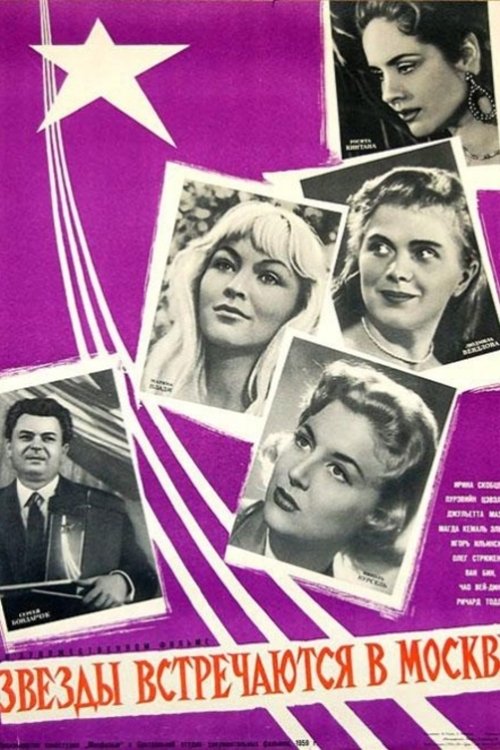
Documentary essay about the First Moscow International Film Festival, held in August 1959, about its participants and guests - Soviet and foreign actors, directors who came to the film forum.
Stars Meet in Moscow
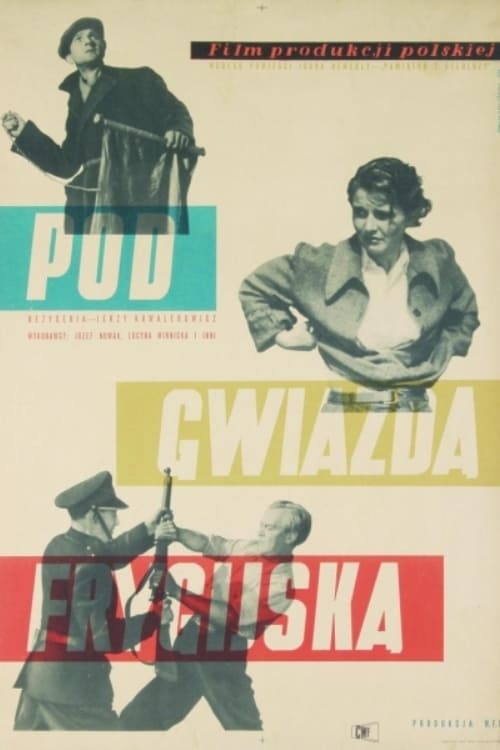
Communist Szczęsny juggles between his revolutionary activities and love to a fellow party member Madzia in this sequel to "Cellulose".
Under the Phrygian Star
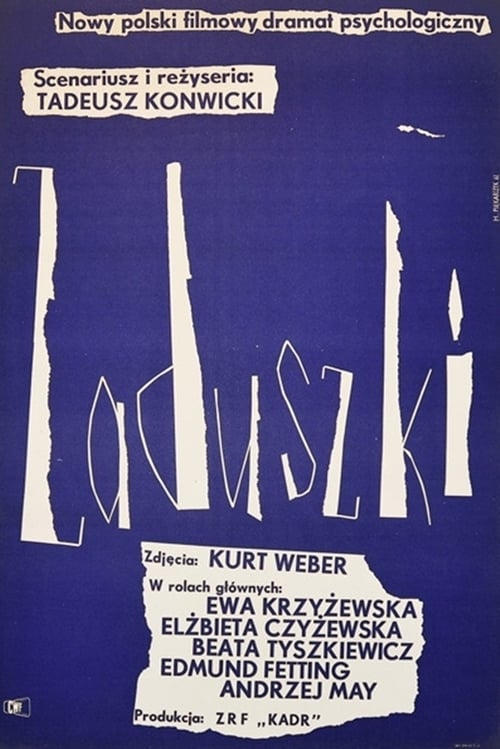
A pair of lovers go off to a small hotel in a little town. The memories of war, however, intrude on their idyll. The girl and boy relive certain wartime experiences in flashback. She was a communist who drove a boy loving her to give himself up.
All Souls' Day

Based on a true story of Polish submarine "Orzel" (The Eagle): September 1939, "Orzel" is coming to Estonian neutral harbor in Tallin. Under pressure from Germany Estonians have intern the ship. Commander Grabinski decides to escape to England through the Baltic Sea, without any maps that has been confiscated and with only small amount of fuel on board.